Interstate, DieHard, Optima, Duralast, ACDelco, and Odyssey are among the most reliable car battery brands.
Choosing a car battery is not only about finding the highest price or longest warranty. The best choice depends on your vehicle, climate, driving habits, electrical demand, and battery type. After comparing common battery designs, warranty policies, reserve capacity, cold-cranking power, and real-world use, this guide will help you choose with confidence.
What Makes a Car Battery Reliable?
A reliable car battery should start your engine each time, hold a charge well, and tolerate heat, cold, vibration, and short trips. It should also match your vehicle’s electrical system and fit the battery tray correctly.
Battery reliability depends on more than the brand name. Several factors work together:
• Cold-cranking amps, or CCA, show how much power the battery can provide in cold weather.
• Reserve capacity, or RC, shows how long the battery can support electrical systems if the alternator stops working.
• Battery age matters because lead-acid batteries slowly lose performance, even when they sit on a store shelf.
• Construction quality affects resistance to vibration, leaks, corrosion, and heat damage.
• Warranty length can show how much confidence a brand has in its product, although warranty terms vary by retailer and battery line.
• Correct fit is vital. A battery with the wrong size, terminal layout, or hold-down design may fail early or create a safety risk.
Most reliable car battery brands offer several product lines. A basic flooded battery may work well in an older sedan, while a modern vehicle with start-stop technology may need an absorbed glass mat, or AGM, battery.
In my experience working with vehicle maintenance, many “bad battery” complaints came from the wrong battery type or a loose connection. A trusted brand cannot fix poor installation, a weak alternator, or a parasitic drain.
The Most Reliable Car Battery Brands
The most reliable car battery brands are not identical. Each has strengths, limits, and product lines for different vehicles. The best option for a family sedan may not be the best option for a truck, luxury car, or off-road vehicle.
Interstate
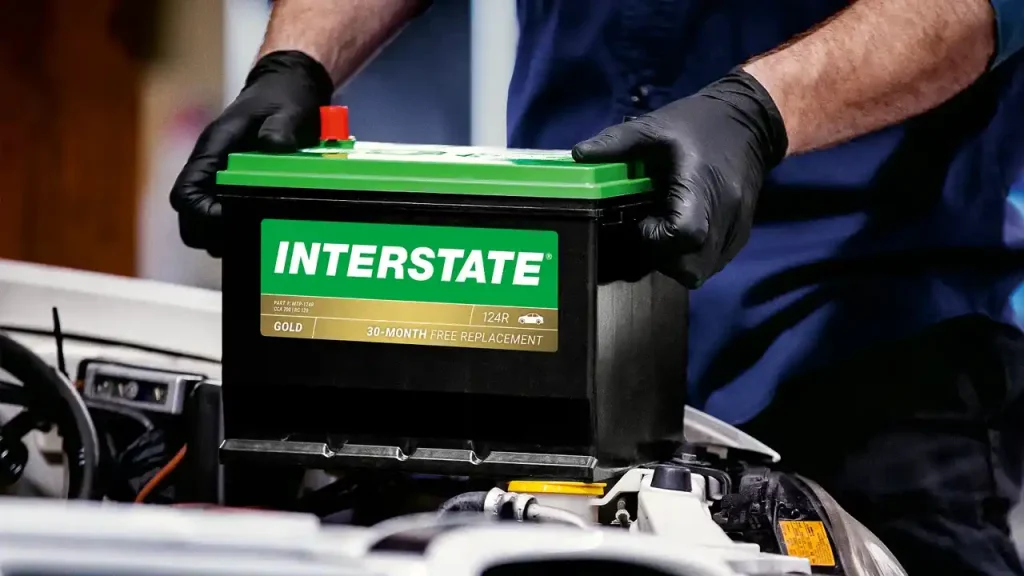
Interstate is one of the best-known car battery brands in the United States. Its batteries are sold through auto parts stores, repair shops, warehouse clubs, and independent dealers.
Interstate offers flooded lead-acid and AGM batteries for many cars, trucks, SUVs, and recreational vehicles. Its broad availability is a major benefit because drivers can often find a replacement quickly while traveling.
Key strengths include:
• Wide vehicle coverage
• Strong retail availability
• Multiple battery sizes and performance levels
• Useful warranty options on many models
• Good access to testing and replacement services through retailers
Interstate is often a practical choice for drivers who want easy access and dependable everyday performance. However, the exact quality can differ between product lines, so check the model number, production date, CCA rating, and warranty before buying.
DieHard
DieHard has a long history in the automotive battery market. It offers batteries for standard vehicles, trucks, high-performance applications, and vehicles with higher electrical demands.
DieHard batteries are commonly grouped into different performance levels. Higher-tier models may provide more starting power, greater reserve capacity, or AGM construction.
DieHard can be a strong choice for:
• Drivers in very cold regions
• Pickup truck and SUV owners
• Vehicles with many electronic accessories
• People who want a widely recognized replacement battery
One lesson I have learned is that a premium product is not always necessary. If your vehicle uses a standard flooded battery and has no special electrical needs, a properly sized midrange DieHard battery may provide better value than an expensive AGM model.
Optima
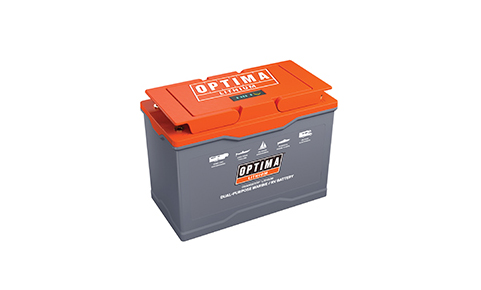
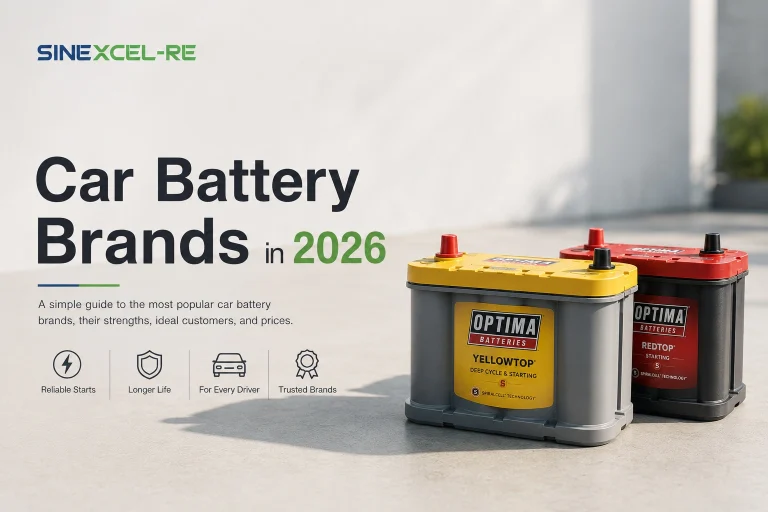
Optima is best known for its spiral-wound AGM battery design. AGM batteries use a glass mat to hold the electrolyte in place, which helps reduce leakage and improves resistance to vibration.
Optima sells several well-known product families for different uses:
• RedTop batteries focus on starting power.
• YellowTop batteries are designed for starting and deep-cycle use.
• BlueTop batteries are commonly used in marine and recreational applications.
Optima batteries can suit vehicles with demanding accessories, off-road use, vibration, or limited installation space. They are also sealed and generally cleaner to handle than traditional flooded batteries.
The main limitation is price. Optima batteries often cost more than standard flooded batteries. They also are not automatically the best choice for every car. Always confirm that the battery’s group size, terminal location, CCA, and charging requirements match your vehicle.
Duralast
Duralast batteries are sold through a large automotive parts store network. That makes them convenient for drivers who need a battery test, replacement, or warranty service in many locations.
The brand offers several levels, including standard flooded batteries and AGM batteries. Some higher-level models provide increased starting power and reserve capacity.
Duralast is a useful choice for:
• Daily drivers
• Older vehicles
• Drivers who value local replacement support
• Cars that need a readily available battery
The warranty is an important part of the Duralast buying decision. Read the terms carefully because free replacement periods, prorated coverage, and store procedures may differ by product line.
ACDelco
ACDelco is closely associated with General Motors, but its batteries are used in many vehicle brands. It offers conventional and AGM batteries for cars, trucks, and SUVs.
ACDelco can be especially appealing for GM owners who want a part from a familiar original-equipment supplier. Still, the correct battery specification matters more than the logo on the label.
Advantages may include:
• Broad vehicle coverage
• Strong fitment information
• Options for modern vehicles
• Good availability through dealers and parts sellers
ACDelco is one of the most reliable car battery brands for many everyday applications, but buyers should still compare the battery’s date code, warranty, CCA, and reserve capacity.
Odyssey
Odyssey batteries are known for high-performance AGM designs. They are often chosen for demanding vehicles, emergency equipment, powersports applications, and cars with heavy accessory loads.
Common benefits include:
• High starting power
• Strong vibration resistance
• Good deep-cycle performance on certain models
• Long service potential when properly charged
Odyssey batteries can be excellent for specialized needs, but their higher cost may not make sense for a basic commuter car. They also require the right charging system and correct installation.
NAPA
NAPA offers several battery lines through its parts stores and service centers. Its biggest advantage is the combination of product availability and local automotive support.
A NAPA battery may be a convenient solution when you want professional installation, a battery test, or help finding the correct group size. As with other brands, reliability depends on the specific product line rather than the store name alone.
NAPA is often worth considering when local service matters. A battery that can be tested and replaced easily may be more useful than a slightly cheaper battery from a distant seller.
Bosch
Bosch batteries are available in selected automotive markets and may include conventional and AGM options. The brand is known for automotive electrical components and supplies parts for many vehicle systems.
Availability varies by location, so confirm the battery’s freshness and warranty support before buying. Bosch can be a solid choice when the correct model is available through a trusted seller.
Best Car Battery Brand by Vehicle and Driving Need
There is no single winner for every driver. The most reliable car battery brands depend on how and where you drive.
Best for Everyday Commuting
For a normal sedan, crossover, or compact SUV, a quality flooded battery from Interstate, DieHard, Duralast, ACDelco, or NAPA may be enough.
Look for:
• The correct group size
• At least the vehicle maker’s recommended CCA
• A fresh manufacturing date
• A clear replacement warranty
• Strong local support
Spending more does not always add useful value. A standard battery that matches the vehicle can last for years when the charging system works properly.
Best for Cold Weather
Cold temperatures slow the chemical reaction inside a battery. The engine oil also becomes thicker, so the starter needs more power.
For winter climates, focus on:
• High CCA
• A recent production date
• A fully charged battery
• Clean and tight terminals
• A dependable charging system
DieHard, Interstate, ACDelco, and Odyssey offer models with strong cold-start ratings. Still, compare actual CCA numbers instead of choosing only by brand.
Best for Hot Weather
Heat can be harder on batteries than many people realize. High under-hood temperatures speed up water loss and corrosion, which can shorten battery life.
In hot areas, an AGM battery may help in some applications because of its sealed design and vibration resistance. Good ventilation, clean terminals, and regular charging checks remain important.
Best for Start-Stop Vehicles
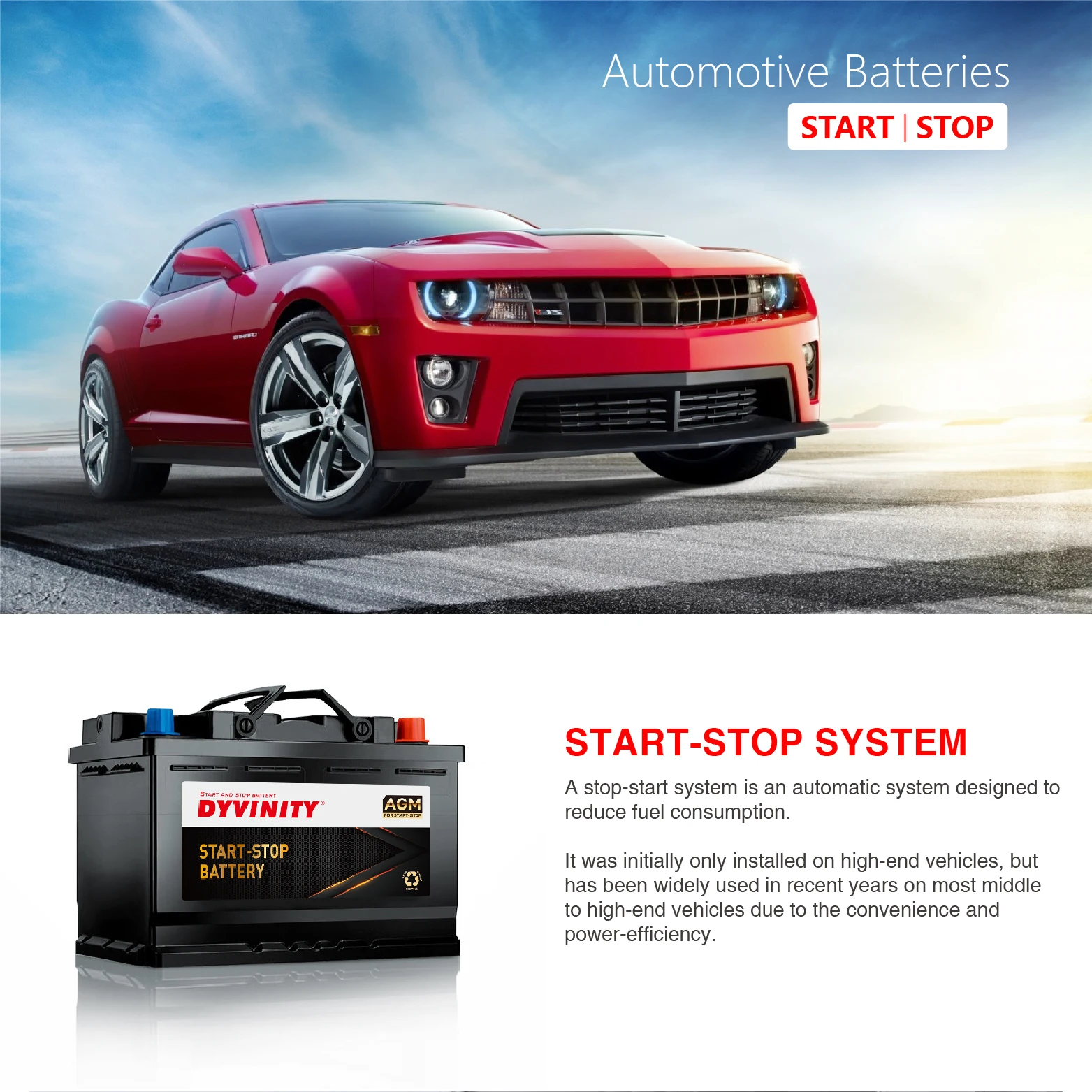
Vehicles with automatic start-stop systems may need an AGM or enhanced flooded battery. These batteries are designed to handle more frequent engine starts and charge cycles.
Never replace an AGM battery with a basic flooded battery unless the vehicle manufacturer specifically allows it. Some cars also require battery registration after replacement so the charging system can manage the new battery correctly.
Best for Trucks and Off-Road Vehicles
Trucks with winches, auxiliary lights, audio systems, refrigeration units, or camping equipment may need more reserve capacity. An AGM model from Optima, Odyssey, DieHard, or another reputable manufacturer may be a better fit.
The battery must still match the alternator and charging system. A larger battery alone cannot solve an undersized alternator or poor wiring.
Best for Older Cars
Older vehicles often use a standard flooded battery. In this case, fit, price, warranty, and local availability may matter more than advanced AGM technology.
Duralast, Interstate, NAPA, ACDelco, and DieHard all offer suitable options for many older cars. Inspect the cables and ground connections before installation because corrosion is common in aging vehicles.
Flooded, AGM, and Lithium Car Batteries
Understanding battery types makes it easier to choose among the most reliable car battery brands.
Flooded Lead-Acid Batteries
Flooded batteries are the traditional choice for many cars. They contain liquid electrolyte and use lead plates to store electrical energy.
Benefits include:
• Lower purchase cost
• Wide availability
• Simple replacement
• Good performance for standard vehicles
Limitations include greater sensitivity to heat, possible electrolyte loss, and lower resistance to repeated deep discharge.
AGM Batteries
AGM batteries hold electrolyte in fiberglass mats. They are sealed, resistant to vibration, and designed for higher electrical demands.
Benefits include:
• Strong starting performance
• Better resistance to vibration
• Good support for start-stop systems
• Lower risk of leakage
• Improved performance with many accessories
AGM batteries cost more and may require a compatible charging system. They are not a universal upgrade for every vehicle.
Lithium Batteries
Lithium starter batteries are used in some performance, racing, powersports, and specialty applications. They are light and can provide strong output for their size.
However, they are not the default choice for most daily-driven cars. Cost, charging requirements, cold-weather behavior, safety controls, and vehicle compatibility all need careful review.
How to Choose the Right Car Battery
Use a simple process instead of guessing from appearance.
1. Check the Owner’s Manual
The manual lists the recommended battery group size, CCA, battery type, and sometimes reserve capacity. This information is more reliable than choosing a battery based on its physical appearance.
2. Confirm the Group Size
The group size controls the battery’s length, width, height, terminal position, and hold-down design. A battery may fit inside the tray but still have the terminals in the wrong place.
3. Match the CCA Rating
Choose a battery that meets or exceeds the vehicle maker’s recommended CCA. More CCA can help in cold weather, but extremely high ratings may not provide meaningful benefits in a mild climate.
4. Check the Reserve Capacity
Reserve capacity is useful if you run lights, audio equipment, refrigeration, or other accessories. It also provides extra time if the alternator fails.
5. Verify the Battery Type
If the vehicle requires AGM, use AGM. If it uses a standard flooded battery, do not assume that AGM will improve the car unless the charging system supports it.
6. Inspect the Date Code
A battery can lose strength while sitting unused. Ask the retailer for the manufacturing date or use the date code printed on the case.
A good rule is to choose the freshest battery available. The exact code format varies by manufacturer, so ask the seller if you are unsure.
7. Compare the Complete Warranty
Read the warranty details, including:
• Free replacement length
• Prorated coverage
• Conditions for approval
• Required proof of purchase
• Testing procedures
• Transfer rules
A longer warranty can help, but it should not replace careful attention to fit and battery age.
Car Battery Brands to Avoid or Treat Carefully
It is difficult to label an entire brand as unreliable because manufacturers often sell several product lines. A better approach is to watch for warning signs.
Be cautious when a battery has:
• No visible production date
• Unclear warranty terms
• A damaged or swollen case
• Corroded terminals before installation
• A price far below similar batteries
• No local support
• A group size that only partly matches your vehicle
Private-label batteries are not always poor quality. Many are made by large battery manufacturers and sold under store brands. The key is to compare specifications, warranty coverage, freshness, and seller support.
A battery with a famous name can still fail early if it is old, discharged, overheated, or installed in a vehicle with an electrical fault.

How Long Should a Car Battery Last?
Many car batteries last about three to five years, but service life varies widely. Climate, driving habits, vehicle design, battery type, and maintenance all matter.
Short trips can reduce battery life because the alternator may not have enough time to replace the energy used during starting. Extreme heat can also shorten life, while severe cold can reveal a battery that was already weak.
You may need a replacement sooner if you notice:
• Slow engine cranking
• Flickering lights
• A battery warning light
• Repeated jump-starts
• Swollen battery case
• Corrosion around the terminals
• Electrical accessories losing power
A battery test can show the current condition more accurately than age alone. Many parts stores and repair shops offer this test at little or no cost.

Common Mistakes That Shorten Battery Life
Even the most reliable car battery brands cannot overcome repeated neglect. Avoid these common mistakes.
Ignoring the Charging System
A weak alternator can leave a new battery undercharged. An overcharging alternator can damage it. Ask a technician to test charging voltage if the battery repeatedly goes flat.
Leaving Accessories On
Interior lights, phone chargers, dash cameras, and audio systems can drain a battery when the engine is off. Some vehicles also have hidden electrical drains that keep running after the car is parked.
Choosing the Wrong Battery Type
Installing a standard flooded battery in a vehicle designed for AGM use can cause poor performance and early failure.
Skipping Battery Registration
Some newer vehicles need battery registration after replacement. This process tells the energy management system that a new battery is installed.
Using the Wrong Charger
Use a charger that matches the battery type. AGM batteries often need a suitable AGM setting, while lithium batteries require a charger designed for lithium chemistry.
Failing to Secure the Battery
A loose battery can move during braking or off-road driving. Vibration can damage internal parts and cable connections.
In one common repair scenario, a battery appeared defective because the vehicle would not start after replacement. The actual problem was a loose ground cable. Cleaning and tightening the connection solved the issue in minutes.
How to Install and Maintain a Car Battery Safely
Battery installation is often simple, but safety matters. Car batteries can produce sparks and contain corrosive electrolyte.
Follow these steps:
-
Turn off the engine and remove the key.
-
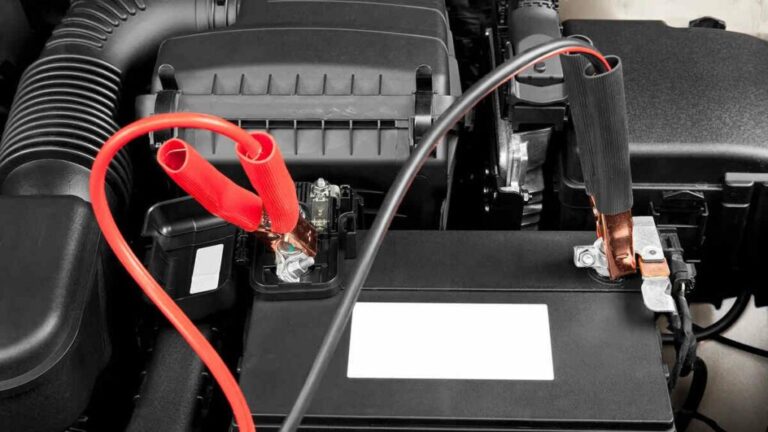
Wear eye protection and keep metal tools away from both terminals.
-
Disconnect the negative cable first.
-
Disconnect the positive cable second.
-
Remove the hold-down bracket.
-
Lift the battery carefully because it may be heavy.
-
Clean corrosion from the tray and cable ends.
-
Install the new battery in the correct position.
-
Secure the hold-down bracket firmly.
-
Connect the positive cable first.
-
Connect the negative cable second.
-
Confirm that the cables do not move by hand.
Do not place a metal tool across the battery terminals. Do not smoke near a battery, and do not install a battery with a cracked or swollen case.
After installation, reset the clock and radio settings. Some vehicles may also need power-window, steering-angle, or battery-management system procedures.
How to Test a Car Battery
A voltage reading can provide a useful clue, but it does not tell the whole story. A battery may show normal voltage and still fail under the heavy load required to start an engine.
A professional battery test usually checks:
• Resting voltage
• Starting power
• Internal resistance
• State of charge
• Charging system performance
A fully charged 12-volt battery often measures close to 12.6 volts when the engine is off, although temperature and battery condition affect the reading. With the engine running, charging voltage often rises above resting voltage, but exact values vary by vehicle.
Use the test as a guide, not a final diagnosis. Modern cars may control alternator output, so a trained technician should interpret unusual readings.
Are Expensive Car Batteries Worth the Money?
An expensive battery can be worth the money when it offers a feature your vehicle needs. Examples include AGM construction, higher reserve capacity, stronger vibration resistance, or better support for start-stop driving.
A premium battery may not be worth the extra cost for a basic commuter vehicle that uses a standard flooded battery. In that situation, a fresh, correctly sized battery with a good warranty may provide the best value.
Think of the battery as a shoe. A costly hiking boot will not improve a short walk on a smooth sidewalk, but it may be the right tool on rough ground. Match the battery to the vehicle and the job.
Frequently Asked Questions About the Most Reliable Car Battery Brands
What are the most reliable car battery brands?
Interstate, DieHard, Optima, Duralast, ACDelco, Odyssey, and NAPA are widely considered dependable choices. The best brand for your vehicle depends on battery type, group size, climate, warranty, and local support.
Which car battery brand lasts the longest?
No brand guarantees the longest life in every vehicle. AGM batteries from brands such as Odyssey, Optima, Interstate, and DieHard may last well in demanding conditions, but correct charging, temperature control, and proper fit matter just as much.
Is Interstate better than DieHard?
Neither is always better. Both offer several product lines, and the right choice depends on the battery’s specifications, freshness, price, warranty, and availability in your area.
Is Optima a good car battery brand?
Optima is a strong option for vehicles that benefit from AGM construction, vibration resistance, or deep-cycle capability. It can cost more than a standard flooded battery, so it may not be necessary for a basic daily driver.
Should I buy an AGM battery for my car?
Buy an AGM battery when the vehicle manufacturer requires it or when your vehicle supports it and has high electrical demands. Do not treat AGM as an automatic upgrade without confirming charging-system compatibility.
How often should I replace my car battery?
Many batteries last about three to five years, but hot climates, short trips, vibration, and charging problems can shorten that period. A battery test is the best way to check condition before replacing it.
Does a higher CCA rating make a battery better?
A higher CCA rating can help with cold starts, but it does not automatically mean the battery is better for your car. Fit, battery type, reserve capacity, freshness, and warranty are also important.
Conclusion
The most reliable car battery brands include Interstate, DieHard, Optima, Duralast, ACDelco, Odyssey, and NAPA. Still, the best battery is the one that matches your vehicle’s group size, battery type, CCA, reserve capacity, climate, and electrical needs.
Before buying, check the owner’s manual, inspect the production date, compare warranty terms, and test the charging system. Choose the right battery instead of simply choosing the most expensive one, then have it installed securely and maintained properly.
Use this guide to compare your options, ask a trusted parts store or technician for a fitment check, and share your own battery experience in the comments.