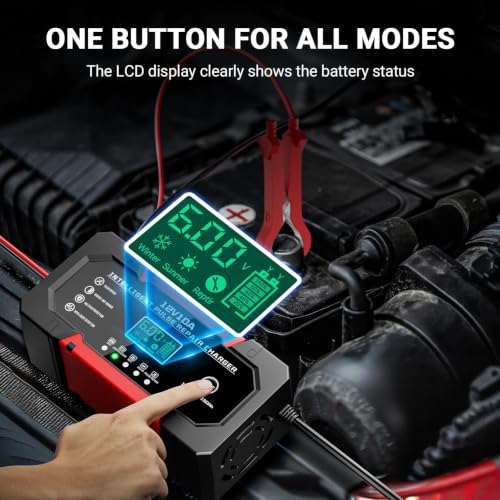
A trickle charger for a car battery supplies a small, steady current to keep the battery charged.
A trickle charger for car battery use can help prevent a dead battery when a vehicle sits for weeks or months. It is useful for classic cars, seasonal vehicles, motorcycles, campers, and daily drivers with weak batteries. The key is choosing the right charger, using it safely, and knowing when a smart battery maintainer is a better fit.
What Is a Trickle Charger for a Car Battery?
A trickle charger for car battery maintenance sends a low electrical current into the battery over a long period. This current replaces the power lost through natural discharge and small electrical draws from the vehicle.
Most traditional trickle chargers provide a fixed low output, often around 1 to 2 amps. They may continue charging even after the battery is full. Because of this, the user must monitor the battery and disconnect the charger at the right time.
A modern battery maintainer works in a smarter way. It checks the battery voltage and reduces or stops the current when the battery reaches full charge. Many people use the terms “trickle charger” and “battery maintainer” as if they mean the same thing, but they do not always work in the same way.
Think of the difference like watering a plant. A basic trickle charger keeps adding a small amount of water. A smart maintainer checks the soil and adds water only when needed.

How Does a Trickle Charger Work?
A car battery stores electrical energy through a chemical reaction between lead plates and an electrolyte solution. When the engine runs, the alternator restores energy used by the starter, lights, computer systems, and accessories.
When a vehicle is parked, the battery can still lose power. Alarm systems, clocks, remote-entry systems, and other modules may draw a small current. Heat, cold, battery age, and internal chemical loss can also reduce the charge.
A trickle charger for car battery use connects to a household outlet and sends low-voltage direct current into the battery. The charger helps maintain the battery’s state of charge without using the car’s alternator.
Most automotive batteries are 12-volt systems. A fully charged lead-acid battery usually measures about 12.6 to 12.8 volts after resting. A reading near 12.2 volts often means the battery is partly discharged, while a reading below 12 volts suggests a serious loss of charge.
Voltage readings can vary with temperature and battery condition. A voltage test is helpful, but it does not prove that the battery can still deliver enough power to start an engine.
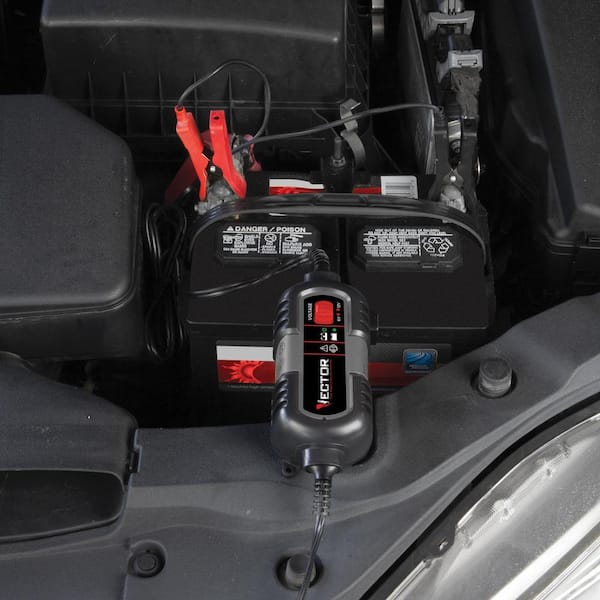
Trickle Charger vs. Battery Maintainer
The main difference is how each device handles a fully charged battery.
A basic trickle charger may keep sending power at a fixed rate. If left connected for too long, it can cause overcharging, electrolyte loss, corrosion, or battery damage.
A smart maintainer uses automatic charging stages. These often include:
• Bulk charging to restore most of the battery’s lost energy
• Absorption charging to slow the current as voltage rises
• Float charging to maintain the battery at a safe level
• Monitoring mode to check the battery and charge it only when needed
A smart battery maintainer is usually the safer choice for long-term storage. It is especially helpful when a car will sit in a garage for several weeks.
A traditional trickle charger can still work well when you monitor it closely. Read the manual, check the battery from time to time, and disconnect the charger when charging is complete.
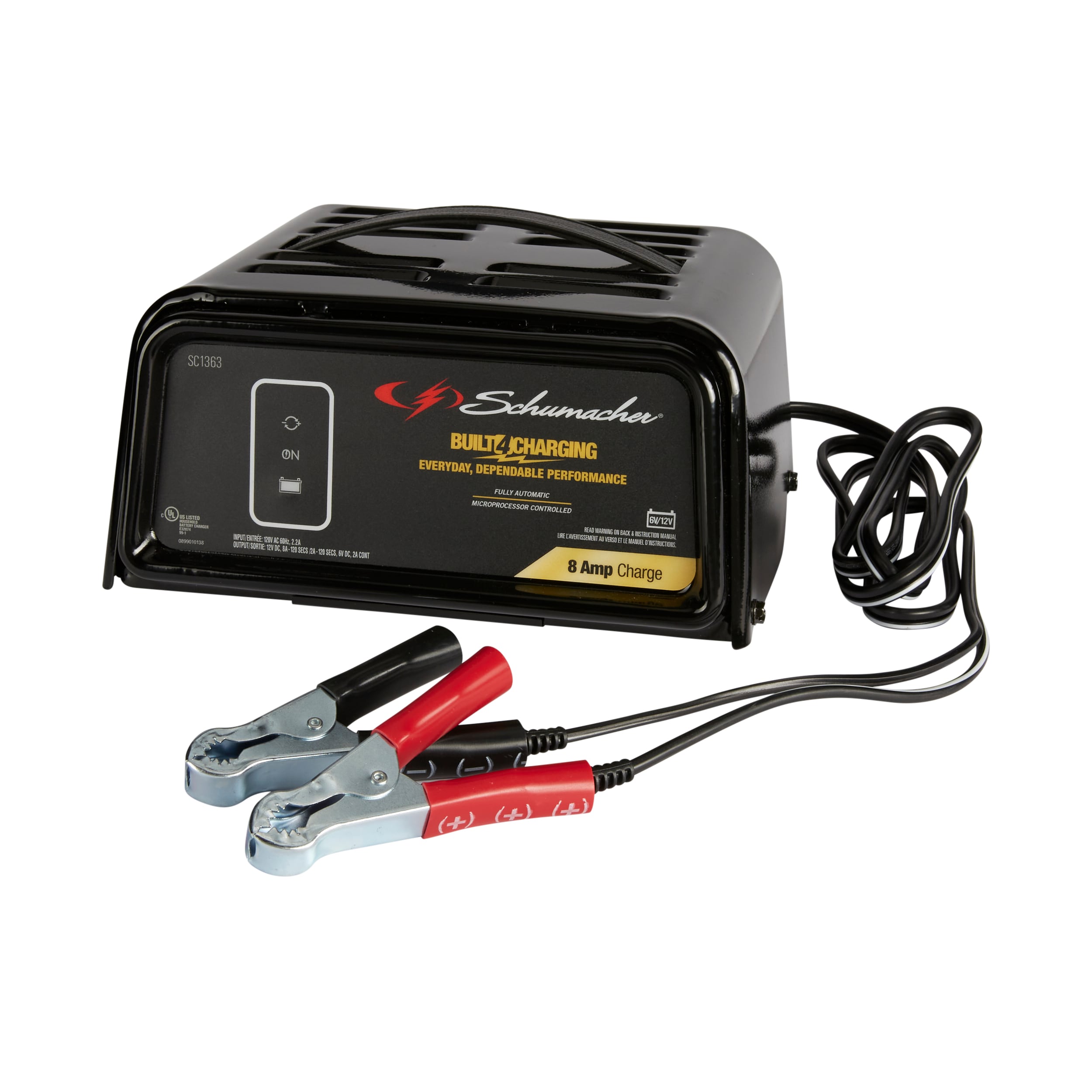
When Should You Use a Trickle Charger for Car Battery Maintenance?
A trickle charger for car battery care is useful when the vehicle is not driven often. This includes cars that remain parked during winter or vehicles used only on weekends.
Common situations include:
• Storing a classic or collector car
• Keeping a convertible in a garage during winter
• Maintaining a spare vehicle
• Protecting a boat or recreational vehicle battery
• Preventing discharge in a car with a weak parasitic drain
• Supporting a vehicle that has a high-power alarm or tracking system
• Maintaining a motorcycle or lawn tractor battery with the correct charger
A parked vehicle does not always recharge its battery fully during short trips. Starting the engine uses a large burst of power. A drive of only a few minutes may not replace that energy, especially in cold weather.
In my experience, one common mistake is starting a stored car for five minutes and assuming the battery is now charged. The engine may run, but the alternator often needs more time and driving load to restore the energy used during starting.
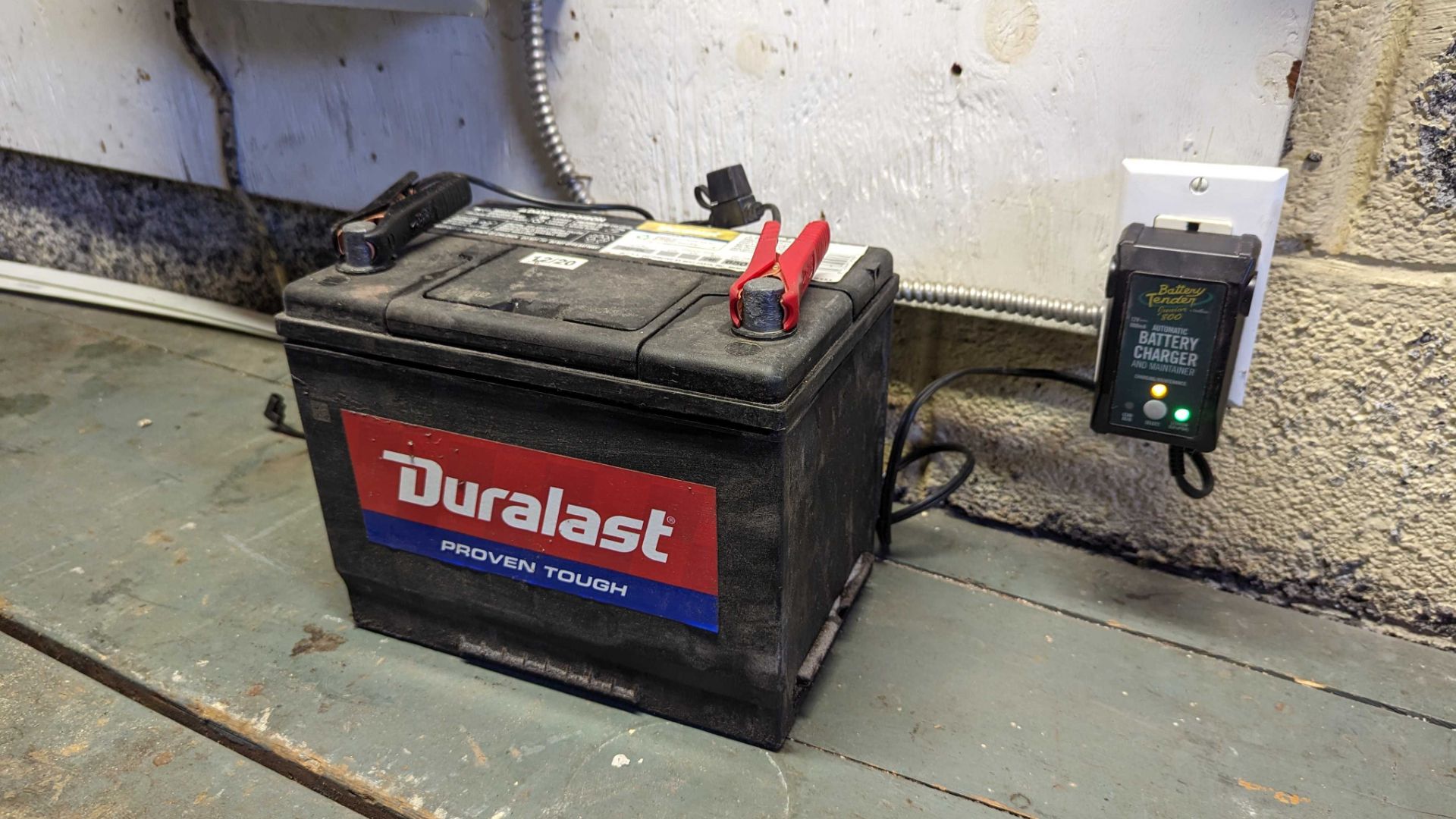
How to Choose the Right Trickle Charger
Choosing a trickle charger for car battery use starts with the battery type and the vehicle’s storage needs. A charger that works well for a flooded lead-acid battery may not be suitable for an AGM, gel, or lithium battery.
Check the battery voltage
Most cars use a 12-volt battery. Some heavy trucks and specialty vehicles use 24-volt systems. Using the wrong voltage can damage the battery or the vehicle’s electrical system.
Match the battery chemistry
Look for a charger that supports your battery type:
• Flooded lead-acid batteries contain liquid electrolyte and may need ventilation
• AGM batteries use absorbed electrolyte and need the correct charging profile
• Gel batteries require controlled voltage to avoid damage
• Lithium iron phosphate batteries need a charger made for lithium chemistry
Never assume that a charger labeled “12 volt” works with every 12-volt battery. Voltage alone does not identify the correct charging profile.
Select a suitable charging rate
A small charger is often enough for maintenance. A deeply discharged car battery may need a stronger charger designed for normal charging.
A 1-amp charger can take a long time to recharge a large battery. A 2-amp or 4-amp smart charger may be more practical, but the battery maker’s instructions should guide the choice.
Look for safety features
Useful features include:
• Reverse-polarity protection
• Short-circuit protection
• Overcharge protection
• Spark-resistant connection
• Temperature compensation
• Automatic shutoff
• Weather-resistant housing
• Ring terminals or quick-connect leads
A charger with clear status lights also makes it easier to confirm that the battery is charging correctly.
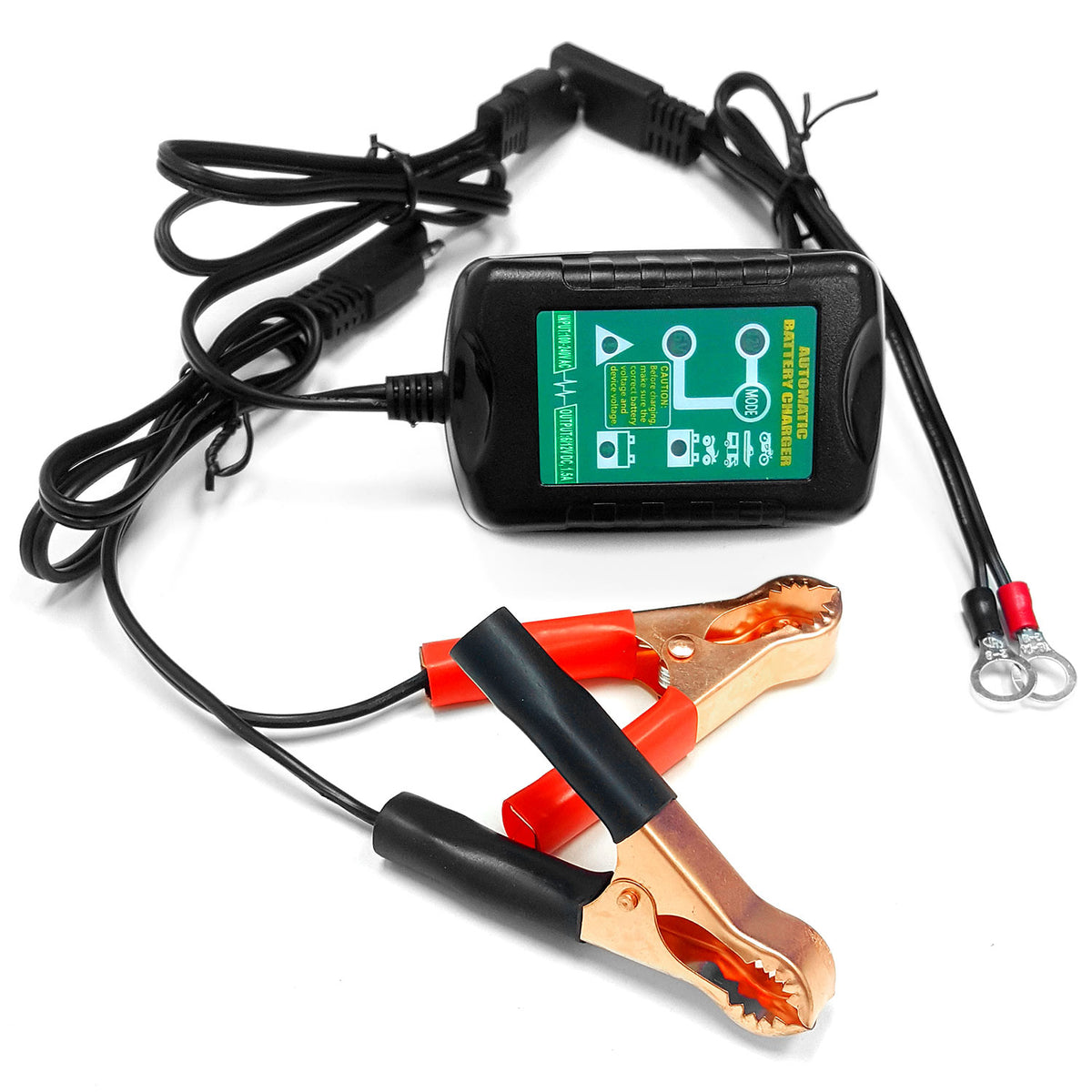
How to Use a Trickle Charger Safely
Always read the charger and vehicle manuals before connecting anything. Park in a dry, well-ventilated area away from flames, cigarettes, heaters, and sparks.
Follow these steps:
-
Turn off the vehicle and remove the key.
-
Check the battery for cracks, leaks, swelling, or heavy corrosion.
-
Confirm that the charger matches the battery voltage and chemistry.
-
Connect the red positive clamp to the positive battery terminal.
-
Connect the black negative clamp to the negative terminal or an approved chassis ground, depending on the charger instructions.
-
Plug the charger into the wall outlet only after the clamps are secure.
-
Select the correct charging mode.
-
Check the charger lights and battery condition.
-
Unplug the wall outlet before removing the clamps.
-
Remove the black clamp first, then the red clamp.
If the battery is inside the vehicle, follow the vehicle maker’s instructions. Some cars have special charging posts under the hood. Connecting directly to the battery may interfere with battery monitoring systems on certain models.
Do not cover the charger while it is operating. Do not place it on a wet floor or where fuel vapors may collect.
:max_bytes(150000):strip_icc()/what-is-a-trickle-charger-534853-3490ab37869a443796c5dbf045ddb763.png)
How Long Does a Trickle Charger Take?
Charging time depends on battery size, charger output, battery condition, temperature, and electrical drain.
You can estimate the basic time with this formula:
Charging time in hours = amp-hours to replace ÷ charger amps
For example, replacing about 40 amp-hours with a 2-amp charger could take at least 20 hours. Real charging usually takes longer because charging becomes slower as the battery nears full capacity.
A battery that is only slightly low may recover overnight. A deeply discharged battery can take one or two days with a small charger. If the battery is damaged or sulfated, charging may not restore it at all.
A charger that remains in charging mode for an unusually long time may be showing a problem. The battery could have an internal short, a weak cell, or severe sulfation.

Can a Trickle Charger Charge a Dead Battery?
A trickle charger for car battery maintenance is not always designed to recover a completely dead battery. Many chargers will not start if the battery voltage is too low because they cannot detect a normal battery.
A stronger smart charger with a recovery mode may help with a deeply discharged battery. However, recovery features do not repair a battery with a broken plate, damaged case, shorted cell, or severe sulfation.
Before charging, inspect the battery. Replace it if you see:
• A swollen case
• Cracks or leaks
• A rotten-egg smell
• Frozen electrolyte
• Burn marks
• A loose or damaged terminal
Never try to charge a frozen battery. Allow it to warm naturally and inspect it first. Charging a damaged battery can create heat, gas, or a dangerous failure.

Signs Your Car Battery Needs More Than a Charger
A charger can maintain a healthy battery, but it cannot fix every starting problem. Watch for signs that the battery may be near the end of its service life.
These signs include:
• Slow engine cranking
• Dim lights when starting
• Repeated need for jump-starts
• A battery warning light
• Corroded or loose terminals
• A battery that loses charge after one night
• Low voltage soon after charging
• A clicking sound when turning the key
Most lead-acid car batteries last about three to five years, though climate and driving habits affect service life. Extreme heat can speed up internal wear, while severe cold makes a weak battery harder to start.
A battery test under load gives more useful information than voltage alone. Many auto parts stores and repair shops offer this test.
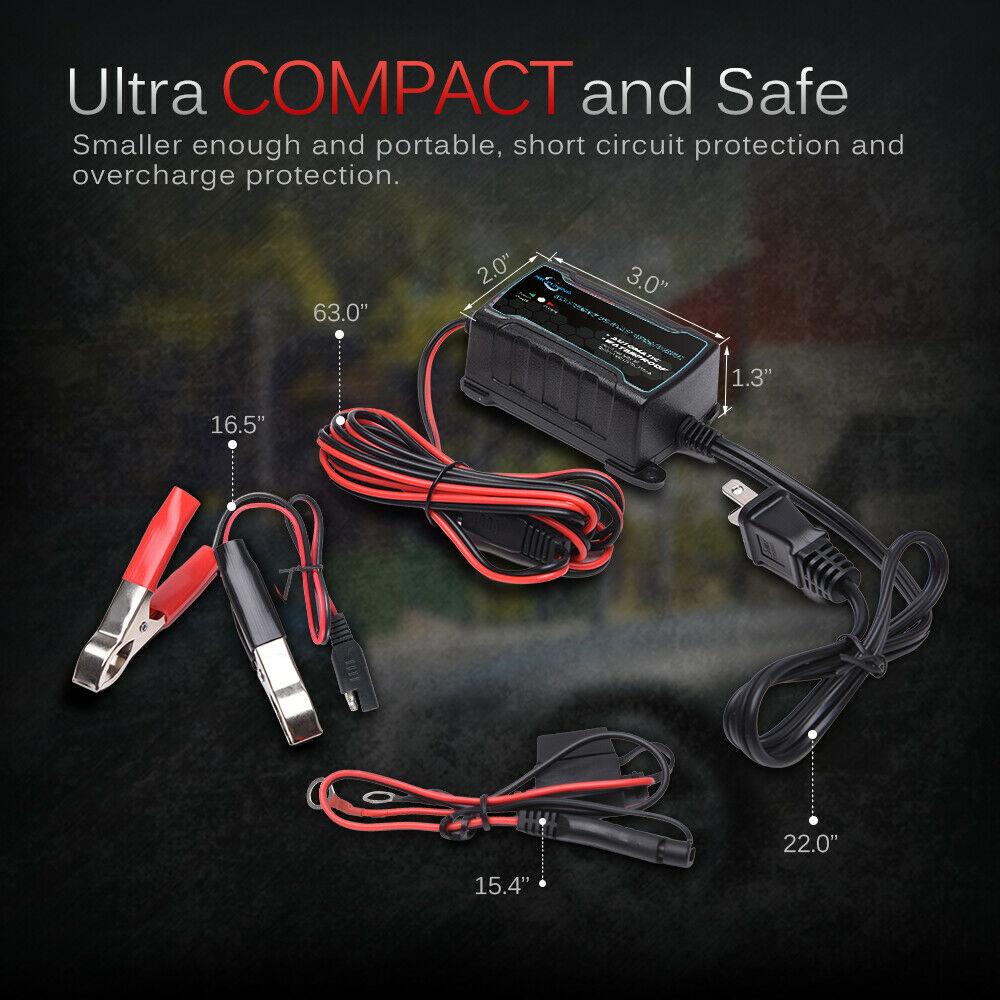
Common Trickle Charger Mistakes to Avoid
Even a simple charger can cause trouble when used carelessly. The most common mistake is leaving a basic fixed-output charger connected for days without checking it.
Avoid these errors:
• Connecting positive and negative clamps backward
• Using a 12-volt charger on a 24-volt system
• Charging a lithium battery with a lead-acid setting
• Charging a cracked, leaking, or swollen battery
• Using a charger in rain or standing water
• Placing the charger near fuel or open flames
• Running the charger through a damaged extension cord
• Hiding the charger under a blanket or cloth
• Assuming a full voltage reading means the battery is healthy
• Ignoring a battery that repeatedly goes flat
I once saw a stored vehicle with a battery that kept failing despite being connected to a charger. The real problem was a faulty aftermarket alarm drawing power all night. The lesson was simple: a charger can replace lost energy, but it cannot correct the cause of excessive drain.
How to Maintain a Car Battery Without a Charger
A trickle charger for car battery storage is convenient, but it is not the only option. If you do not have access to power, remove the negative cable from the battery when the vehicle maker allows it.
Disconnecting the battery reduces electrical drain, but it may reset the clock, radio settings, window settings, or security system. Some vehicles may need special procedures after the battery is disconnected.
You can also:
• Drive the car for a longer period at least every few weeks
• Keep the battery terminals clean and tight
• Park in a dry, sheltered place
• Test the battery before long storage
• Use a battery maintainer with a solar panel where suitable
A solar maintainer can work well in an outdoor parking area, but it needs enough sunlight and the right power rating. Shade, cloudy weather, and tinted windows can reduce its output.
Is a Trickle Charger Worth It?
For many drivers, a trickle charger for car battery storage is a low-cost way to reduce battery problems. It can help a healthy battery stay ready and may save the cost of replacing a battery that was drained during storage.
The value is highest when:
• The car sits unused for long periods
• The battery is expensive or difficult to access
• The vehicle has a small but constant electrical drain
• The car is stored in cold weather
• You own a classic, seasonal, or recreational vehicle
A maintainer is usually worth the extra cost if you want to leave the device connected for weeks. For a car driven every day, a charger may not be necessary unless the battery or charging system has a problem.
Before buying, compare the charger’s battery compatibility, output, safety features, warranty, and user instructions. A trusted brand with clear specifications is often a better choice than the cheapest model available.
Frequently Asked Questions About a Trickle Charger for Car Battery
Can I leave a trickle charger connected all winter?
You can leave a smart battery maintainer connected for long-term storage if it is designed for that purpose. A basic fixed-output trickle charger should not remain connected indefinitely unless the manufacturer specifically approves it.
Does a trickle charger drain electricity?
Yes, it uses a small amount of household electricity while operating. A low-power smart maintainer usually uses very little once the battery reaches full charge.
Can a trickle charger damage a car battery?
It can damage a battery if it overcharges, uses the wrong voltage, or has the wrong charging profile. Automatic protection and the correct battery setting greatly reduce this risk.
Should I disconnect the car battery before using a charger?
Not usually, but follow the vehicle and charger instructions. Some vehicles have special charging points, and disconnecting the battery may erase settings or require an electronic reset.
Can I use a trickle charger on an AGM battery?
You can use one only if it supports AGM batteries and follows the correct charging voltage. A smart charger with an AGM mode is the safer choice.
Why does my battery go dead even with a charger?
The charger may be too weak, incorrectly connected, or unable to detect the battery. The battery may also have an internal fault, or the vehicle may have a parasitic electrical drain.
Is a battery maintainer better than a trickle charger?
For long-term storage, a smart battery maintainer is usually better because it controls charging automatically. A traditional trickle charger can work, but it needs more attention.
Conclusion
A trickle charger for car battery care can keep a healthy battery ready when a vehicle sits unused. The best results come from matching the charger to the battery type, using the correct connection order, and following basic safety rules.
For long storage, choose a smart maintainer with automatic voltage control and overcharge protection. If the battery repeatedly loses power, test the battery and charging system instead of relying on the charger alone.
Choose the right device, use it with care, and your car will be far more likely to start when you need it. Explore your vehicle maker’s battery guidance, compare suitable chargers, and share your own maintenance tips in the comments.