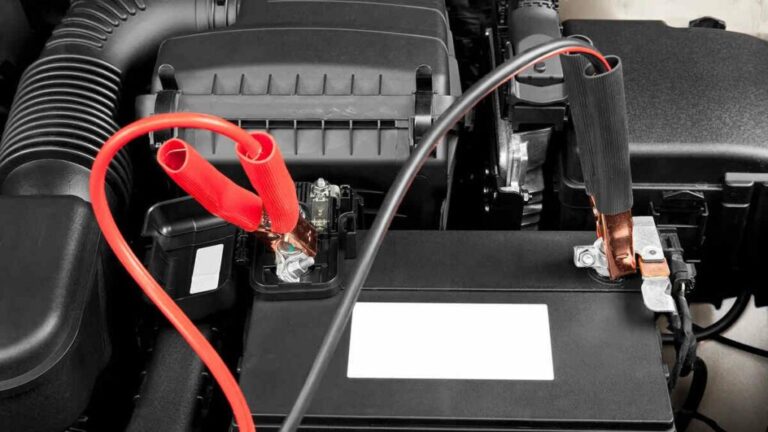
A trained driver, mechanic, roadside technician, or careful DIY owner can replace a car battery safely.
Knowing who can replace a car battery helps you choose the right level of help, cost, and safety for your vehicle. A battery change may look simple, but modern cars can have tight engine bays, battery sensors, security systems, and computer settings that need care. This guide explains who can replace a car battery, when professional service makes sense, and how to avoid common mistakes.
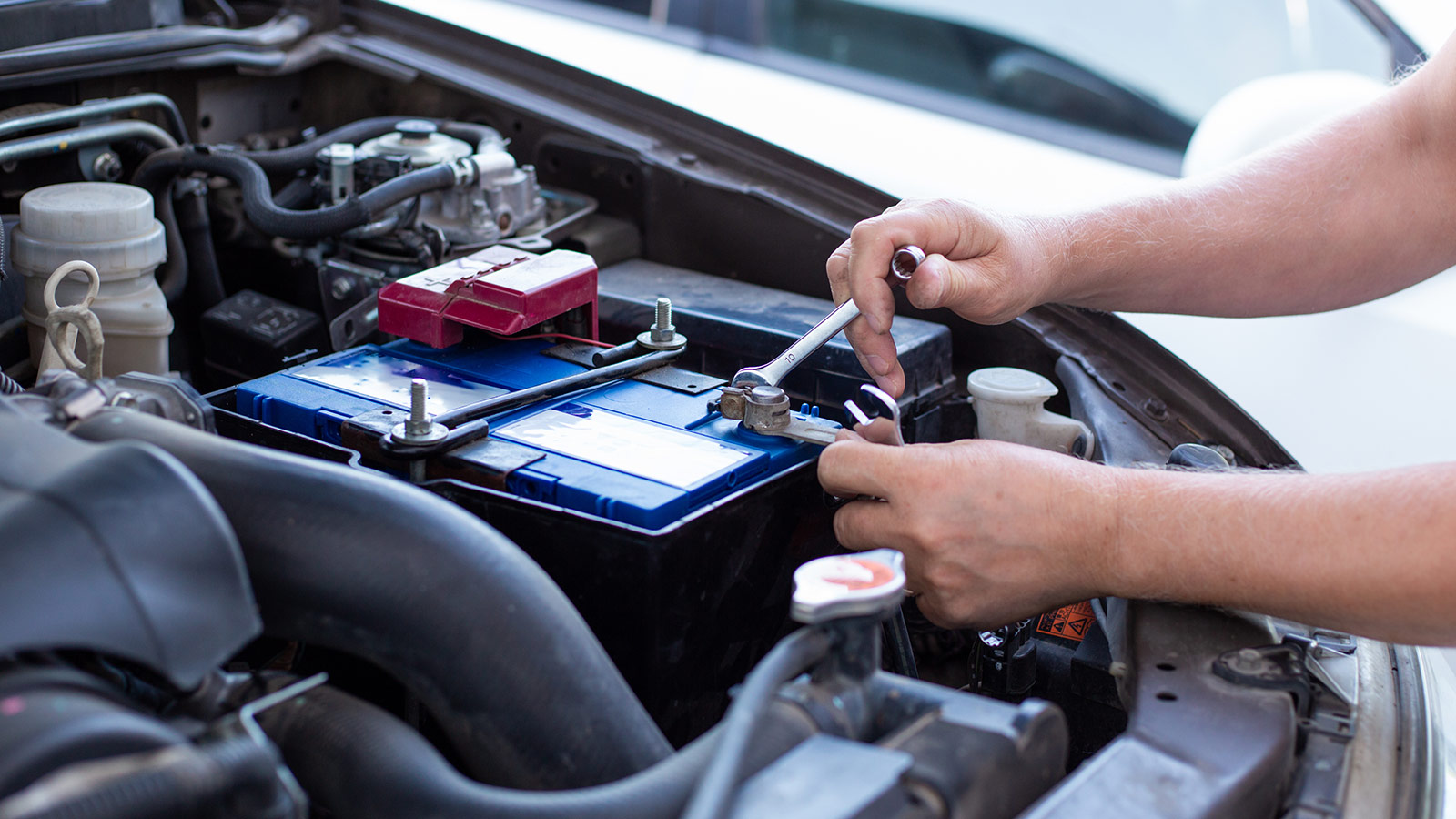
Who Can Replace a Car Battery?
Several people can replace a car battery, but their skill, tools, and responsibility may differ. The best choice depends on your vehicle, your comfort level, and the battery’s location.
A car owner with basic skills
Many drivers can replace a standard 12-volt battery at home. You usually need basic hand tools, safety glasses, gloves, and the correct replacement battery.
A typical replacement involves disconnecting the negative cable first, removing the positive cable, taking out the hold-down bracket, and lifting out the old battery. The new battery goes in the reverse order, with the positive cable connected before the negative cable.
A professional mechanic
A mechanic is one of the best answers to who can replace a car battery when the job is not straightforward. Mechanics can test the battery, charging system, cables, and starter before installing a replacement.
This matters because a dead battery is not always the real problem. A failing alternator, loose cable, parasitic drain, or faulty starter may cause the same symptoms.
An auto parts store technician
Many auto parts stores offer battery testing and installation. This can be a convenient option when the battery is easy to reach and the store provides the service for your vehicle.
Ask whether installation is included, whether the store tests the charging system, and whether the technician can reset battery monitoring equipment if needed.
A roadside assistance technician
Roadside technicians can help when your car will not start in a parking lot, driveway, or roadside location. They often carry common battery sizes and can install a new battery on the spot.
However, mobile service may cost more than a store or home installation. Also, the technician may need to order the correct battery if your vehicle uses a special size or type.
A dealership technician
A dealership can replace a car battery, especially in newer vehicles. Dealership technicians know the vehicle’s battery specifications, registration process, and computer systems.
This service may cost more, but it can be useful for luxury cars, hybrid vehicles, electric vehicles, and cars with complex battery management systems.
When Can You Replace a Car Battery Yourself?
You may replace a car battery yourself if the battery is easy to reach and you can follow safety steps. Many older cars have a simple battery setup with two cables and one hold-down bracket.
DIY replacement may be suitable when:
• The battery is under the hood
• The battery uses a common 12-volt design
• You have the correct tools
• You can lift the battery safely
• The vehicle manual gives clear instructions
• You understand which cable to remove first
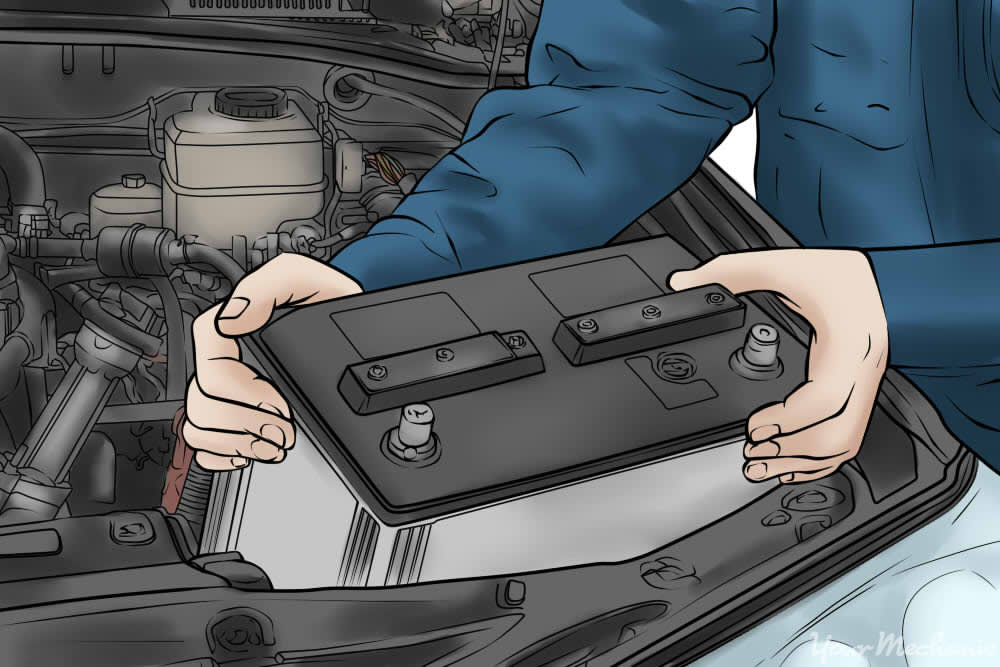
A car battery can weigh 30 to 50 pounds or more. If you have back, shoulder, or grip problems, ask who can replace a car battery without putting you at risk. A small service fee is better than an injury.
Vehicles that may need extra care
Some cars place the battery in the trunk, under a seat, or inside a wheel well. Others use a battery sensor on the negative terminal or require computer registration after installation.
Professional help is wise when your vehicle has:
• A start-stop system
• A battery management system
• A battery located in the trunk or cabin
• Multiple batteries
• A luxury vehicle computer system
• An electronic parking brake or complex security system
• A hybrid or electric power system
Check the owner’s manual before you begin. The manual may list battery size, group number, cold cranking amps, vent tube needs, and reset procedures.
Who Can Replace a Car Battery in a Modern Vehicle?
A trained automotive technician is usually the safest choice for a modern vehicle. New cars rely on sensors and control modules that monitor voltage and battery condition.
Some vehicles need battery registration after installation. This process tells the vehicle computer that a new battery is installed. Without it, the charging system may use the wrong settings, which can shorten battery life.
A technician may also need to:
• Save vehicle memory settings
• Use a scan tool
• Register the new battery
• Reset the battery monitoring system
• Perform a power window or sunroof relearn
• Check for charging faults
• Install a vent tube correctly
This does not mean every modern vehicle must go to a dealership. An independent repair shop with the right scan tools may offer the same service at a lower price.
Can a parts store replace a modern car battery?
Sometimes. The store may install the battery if it is easy to access and the vehicle does not require advanced programming. Some stores do not install batteries located inside the trunk, under a seat, or near sensitive electronics.
Call before driving there. Give the staff your year, make, model, engine size, and battery location. This helps them explain whether they can replace a car battery for your specific vehicle.
How Much Does Battery Replacement Cost?
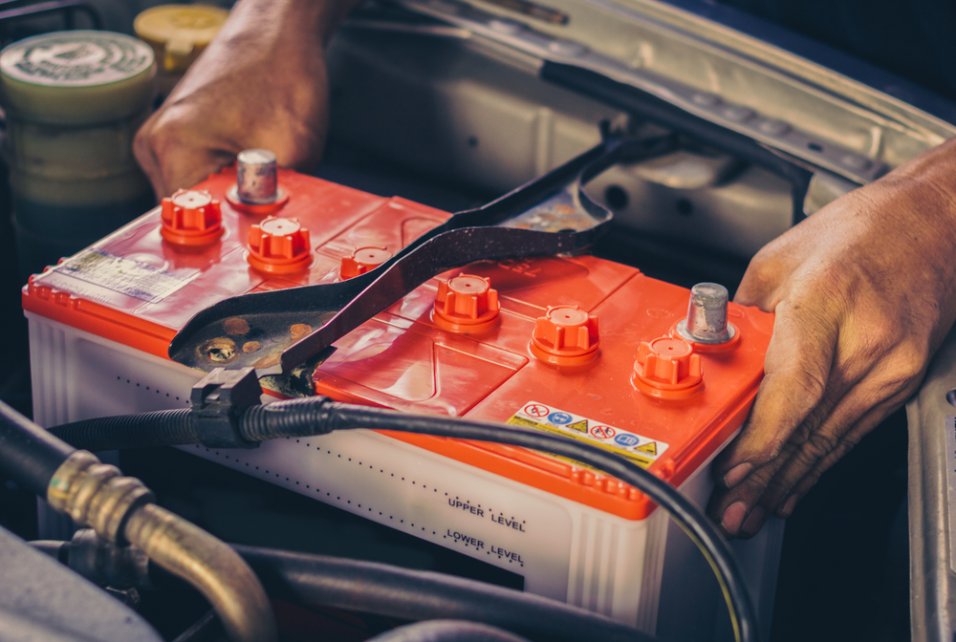
The cost depends on the battery type, vehicle, location, and labor rate. A standard car battery may cost about $100 to $250, while premium, AGM, or specialty batteries can cost more.
Installation may be free with a battery purchase, or it may cost about $20 to $150. Dealership labor and mobile service often cost more than a parts store or independent repair shop.
Your total price may include:
• The replacement battery
• Installation labor
• Battery registration
• Diagnostic testing
• Disposal of the old battery
• Emergency or mobile service fees
Ask for a complete quote before approving the work. A low battery price may not include programming, disposal, or installation.
Many retailers offer a core charge. This is a temporary fee that encourages customers to return the old battery for recycling. You usually get the charge back when you return the old unit.
What Tools Are Needed to Replace a Car Battery?
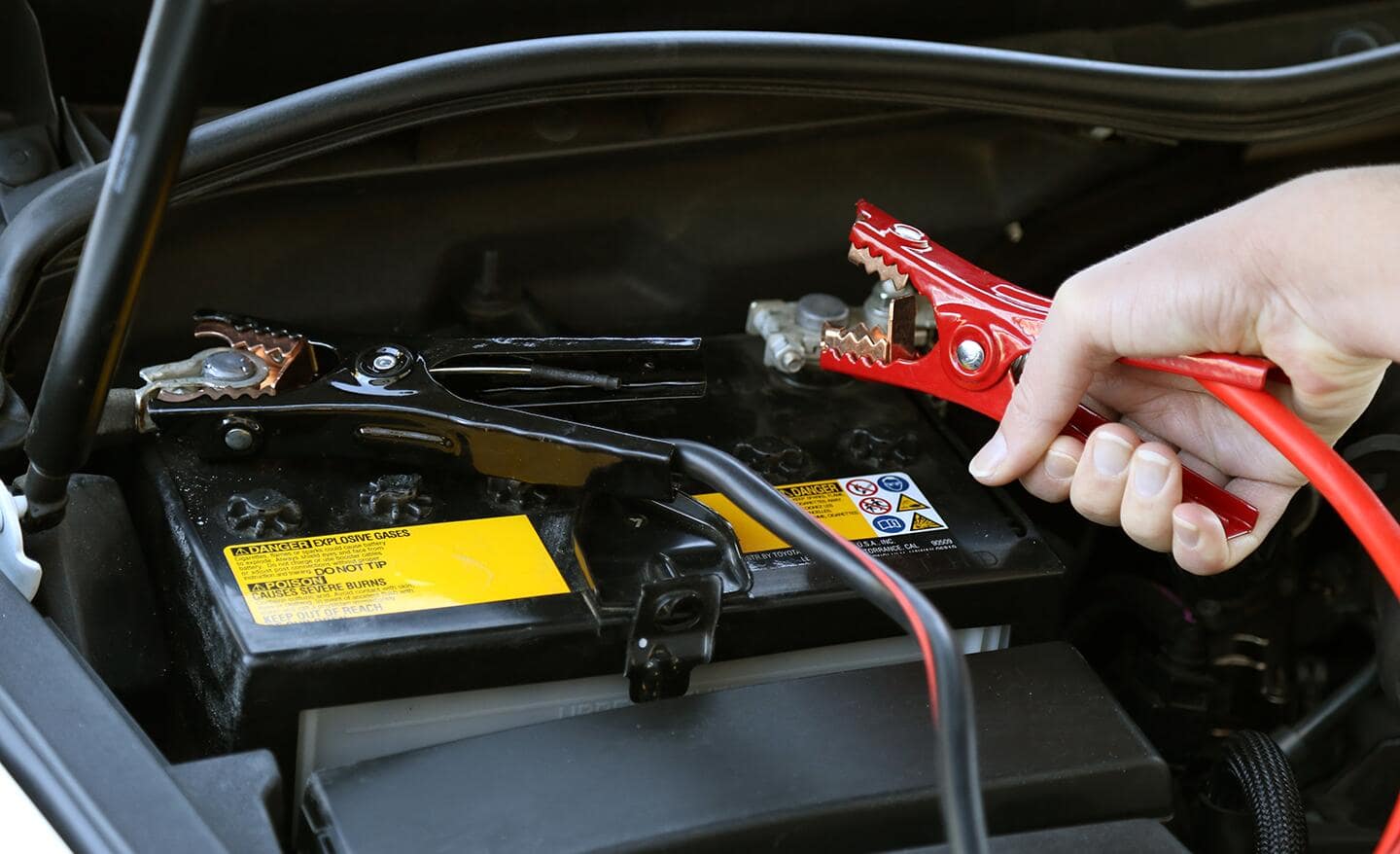
The tools depend on the vehicle, but many standard replacements need only a few items.
• Safety glasses
• Work gloves
• A 10-millimeter or 13-millimeter wrench or socket
• A ratchet and extension
• A battery terminal brush
• A memory saver, if required
• A battery carrier or lifting strap
• A digital multimeter
Never place metal tools across the battery terminals. The tool can create a short circuit, produce sparks, or become hot very quickly.
A memory saver can preserve radio presets and clock settings. However, it must be used correctly. Some manufacturers warn against connecting an external power source during battery service, so follow the repair manual rather than guessing.
How to Replace a Car Battery Safely
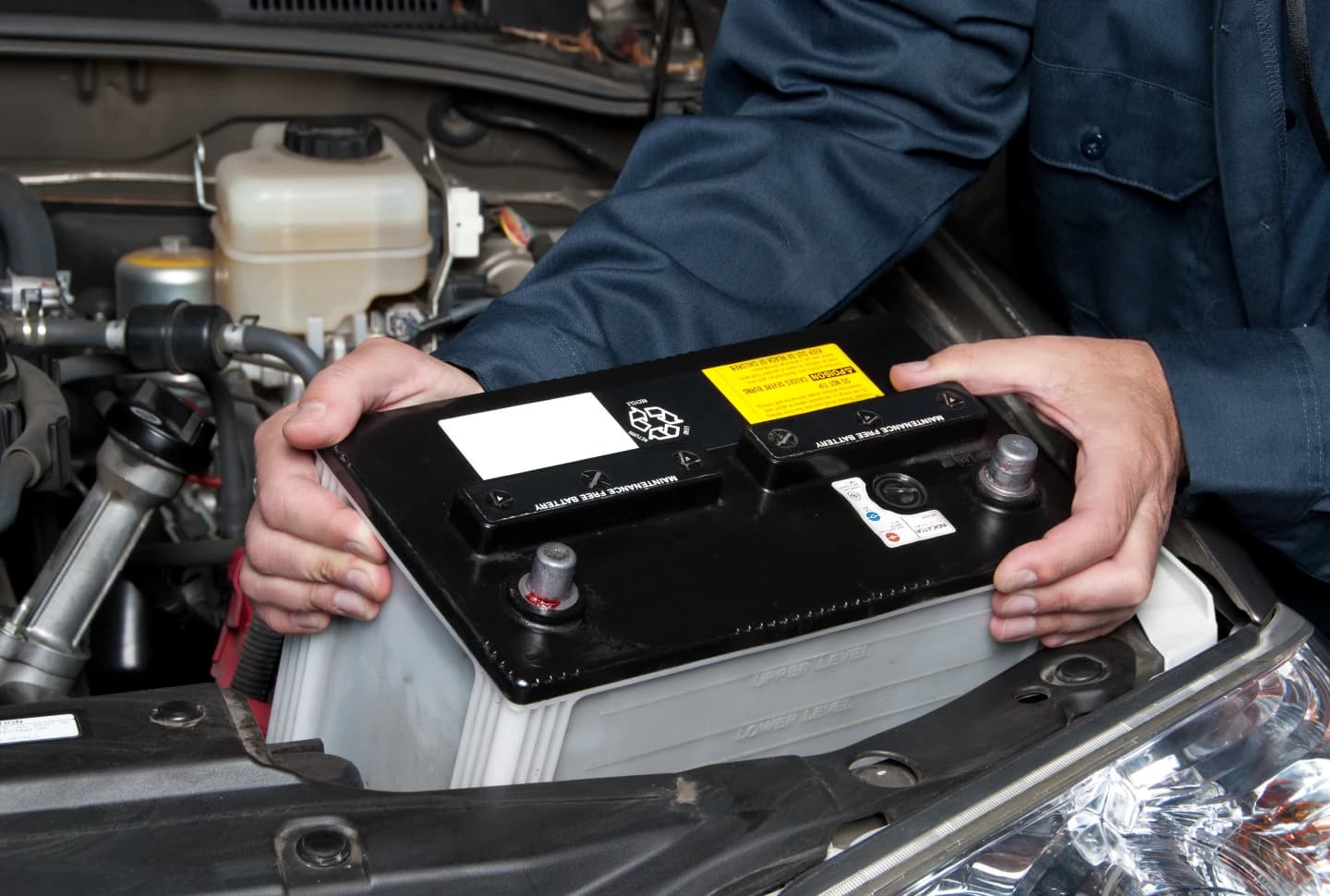
If you decide to replace a car battery yourself, use a calm and careful process. Never rush this job.
-
Park on a level surface and turn off the engine.
-
Set the parking brake and remove the key from the vehicle.
-
Open the hood and locate the battery.
-
Check the battery label and compare it with the replacement unit.
-
Wear safety glasses and gloves.
-
Disconnect the negative cable first.
-
Disconnect the positive cable second.
-
Remove the hold-down bracket.
-
Lift the old battery straight out.
-
Clean corrosion from the tray and terminals.
-
Place the new battery in the same position.
-
Secure the hold-down bracket.
-
Connect the positive cable first.
-
Connect the negative cable second.
-
Start the vehicle and check for warning lights.
The negative cable comes off first because it connects to the vehicle body. If your tool touches the body while loosening the negative terminal, it usually will not create a short across the battery. This safety rule reduces the chance of sparks.
Do not force a cable onto the wrong terminal. Do not leave the battery loose. A battery that moves can damage its case, terminals, or cables.
Battery Replacement Mistakes to Avoid
A few common errors can cause damage or create a safety risk. These mistakes are easy to avoid when you know what to watch for.
Installing the wrong battery
The battery must match the vehicle’s size, terminal position, power rating, and technology. A car designed for an AGM battery may not work correctly with a standard flooded battery.
Use the owner’s manual or vehicle database to confirm the correct battery. Do not choose a battery based only on physical size.
Connecting the cables backward
Reversed polarity can damage fuses, computers, alternators, and other electronics. Check the positive and negative symbols several times before connecting the cables.
Forgetting the hold-down bracket
The bracket keeps the battery stable. Without it, vibration can shorten battery life and damage the battery tray.
Ignoring corrosion
White, blue, or green buildup can increase electrical resistance. Clean the terminals with a battery brush, but avoid breathing the dust or touching your face during the process.
Replacing the battery without testing the car
A new battery may not solve the problem if the alternator is weak. After installation, ask for a charging system test. A healthy charging voltage often falls near the range specified by the manufacturer, but the exact reading depends on the vehicle and charging strategy.
Working near sparks or flames
Lead-acid batteries can release flammable gas. Keep cigarettes, flames, and spark-producing tools away from the battery.
Signs You Need Professional Battery Service
You should ask who can replace a car battery when the job involves more than a basic removal and installation. Professional service is especially helpful when the vehicle has unusual symptoms.
Seek help if:
• The engine does not crank after a jump-start
• The battery repeatedly goes dead
• The battery case is swollen or cracked
• You smell sulfur or rotten eggs
• The cables are hot
• The terminals are badly damaged
• Warning lights remain on after installation
• The new battery loses power quickly
• The battery is hard to reach
• The vehicle requires battery registration
A swollen battery may be overcharged, frozen, or internally damaged. Do not handle it casually. A technician should inspect it and arrange safe disposal.
If the battery is leaking, wear protective equipment and avoid skin contact. Battery acid can burn skin and damage clothing, paint, and metal.
How to Choose the Right Person for the Job
The right person who can replace a car battery should have the correct tools, knowledge, and willingness to test the vehicle. Price matters, but quality and safety matter more.
Use these questions before hiring help:
• Do you test the battery before replacing it?
• Do you test the alternator and starter?
• Is installation included in the quote?
• Can you register the battery if required?
• Do you install batteries in the trunk or cabin?
• Do you recycle the old battery?
• What warranty comes with the battery?
A trustworthy technician should explain the problem in plain language. Be cautious if someone wants to replace parts without testing them or cannot explain why the battery is the correct type.
In my experience, the best service calls start with a few simple facts: the vehicle’s exact model, how old the battery is, what happens when you turn the key, and whether the car recently needed a jump-start. These details help prevent an unnecessary battery purchase.
A Real-World Example of Battery Replacement
I once helped inspect a vehicle that had needed three jump-starts in one week. The owner assumed the battery was worn out and bought a new one. The car still failed to start two days later.
A charging test found that the alternator was not supplying enough power. The old battery had been weak, but the alternator problem was the reason the new battery could not stay charged.
The lesson is simple: who can replace a car battery is only part of the question. The person should also know how to test the complete starting and charging system.
Another common problem is a loose ground cable. The battery may test well, but poor contact can stop current from reaching the starter. Cleaning and tightening the connection may solve the problem without replacing the battery.
Can a Car Battery Be Replaced Without Losing Settings?
Sometimes, but it depends on the vehicle. Disconnecting the battery may erase clock settings, radio presets, adaptive memory, and stored diagnostic information.
Some vehicles may also need window, steering, throttle, or sunroof settings relearned. A technician can use a memory support device or reset the affected systems after installation.
Do not assume that preserving settings is always required. Safety comes first, and the vehicle manufacturer’s service instructions should guide the process.
Battery Recycling and Disposal
Old car batteries should not go into household trash. Most automotive batteries contain lead and acid, which can harm people and the environment if handled incorrectly.
Return the old battery to:
• An auto parts store
• A battery retailer
• A repair shop
• A recycling center
• A hazardous waste collection site
Many stores accept old batteries even when you do not buy a new one there. Keep the battery upright during transport and place it in a sturdy container or box.
Recycling also allows useful materials to be recovered. Lead-acid automotive batteries are among the most widely recycled consumer products in the United States.
Frequently Asked Questions About Who Can Replace a Car Battery
Can I replace a car battery myself?
Yes, many people can replace a standard under-hood battery with basic tools and careful steps. Check the owner’s manual first, and get professional help if the battery is hard to reach or the vehicle needs registration.
Can a mechanic replace any car battery?
A qualified mechanic can replace most standard batteries and many specialty batteries. For hybrids, electric vehicles, and complex battery systems, choose a technician trained for that vehicle type.
Can an auto parts store install a car battery?
Many auto parts stores offer testing and installation for accessible batteries. Call first because some stores cannot install batteries in trunks, under seats, or vehicles that require computer programming.
Should I replace the battery or the alternator?
Testing can show which part has failed. A weak alternator can drain a new battery, while a bad battery can make the alternator work harder, so both systems should be checked.
How long does it take to replace a car battery?
A simple battery change may take 15 to 30 minutes. A modern vehicle that needs registration, memory settings, or battery access in the trunk may take longer.
Is it safe to replace a swollen battery?
No. A swollen, cracked, leaking, or hot battery may be dangerous. Avoid handling it and contact a qualified technician for inspection and disposal.
Conclusion
The answer to who can replace a car battery includes a careful DIY owner, a parts store technician, a roadside professional, an independent mechanic, or a dealership technician. A simple battery may need only basic tools, while a modern vehicle may need testing, registration, and special service equipment.
Choose help based on battery location, vehicle technology, safety risks, and your confidence. Before replacing the battery, test the starting and charging systems so you fix the real problem rather than only the symptom. If you found this guide useful, compare your vehicle’s battery requirements with the owner’s manual or share your experience in the comments.