Take your old car battery to a retailer, auto shop, or hazardous waste center for safe recycling.
Learning how to get rid of a car battery is simple once you know where to take it and how to transport it safely. Automotive batteries contain lead, acid, and other materials that can harm people and the environment if they go into the trash. This guide explains safe disposal, recycling, return programs, transport tips, costs, and common mistakes to avoid.
Why You Should Never Throw a Car Battery in the Trash
A standard car battery is usually a 12-volt lead-acid battery. It contains lead plates, sulfuric acid, and plastic parts. These materials can leak into soil and water or create dangerous conditions at a landfill.
Lead is toxic. Sulfuric acid can burn skin and damage clothing, metal, and other objects. A battery may also release flammable gas or cause a fire if its terminals touch metal.
Learning how to get rid of a car battery the right way protects:
• Your family and pets from acid and lead exposure
• Sanitation workers from leaks and fires
• Soil and groundwater from toxic pollution
• Landfills from hazardous waste
• Valuable materials that can be used again
In the United States, lead-acid batteries are among the most recycled consumer products. In fact, recycling programs can recover much of the lead and plastic for use in new batteries. That makes recycling both safer and more useful than sending a battery to the landfill.
How to Get Rid of a Car Battery Safely
The easiest method is to return the old battery to a place that sells or recycles automotive batteries. Many stores accept used batteries even if you did not buy the original battery there.
Follow these steps:
-
Remove the battery only if you can do so safely. Turn off the vehicle, remove the keys, and wear safety glasses and gloves.
-
Keep the battery upright. Do not tip it on its side because acid may spill from the vents.
-
Check the case for cracks, bulges, leaks, or heavy damage. A damaged battery needs extra care.
-
Cover the battery terminals with electrical tape or place the battery in a sturdy plastic container. Do not cover the entire battery in a sealed container if it is leaking or producing gas.
-
Call the drop-off location before leaving. Ask whether it accepts car batteries and whether it charges a recycling fee.
-
Transport the battery upright in a vehicle with a flat, stable surface. Secure it so it cannot slide or fall.
-
Give the battery to the staff. Do not leave it outside the building or place it in a regular recycling bin.
This process works for most flooded lead-acid batteries, absorbent glass mat batteries, and many automotive starting batteries. However, hybrid and electric vehicle batteries use different technology and require special handling.
Where to Take an Old Car Battery
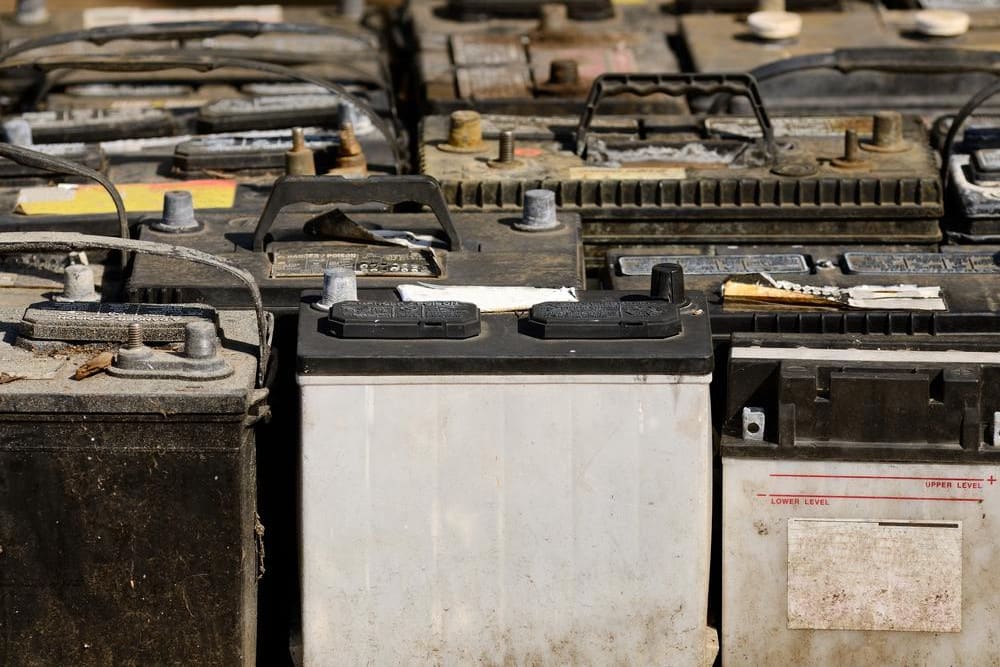
You have several options when deciding how to get rid of a car battery. The best choice depends on your location, the battery type, and whether the battery is damaged.
Auto parts stores
Many auto parts stores accept used car batteries for recycling. Some offer a core charge refund when you return the old battery after buying a replacement.
A core charge is a refundable deposit. It encourages customers to return the old battery so the store can send it to a recycling plant. The refund amount varies by store, battery type, and state.
Call first because policies differ. Some stores accept only common lead-acid batteries. Others may limit the number of batteries per visit.
Auto repair shops and dealerships
Repair shops and car dealerships often work with battery suppliers and recycling companies. They may accept an old battery from a customer, especially if the shop installed the replacement.
Ask about their policy before arriving. A small shop may not have room to store extra batteries or may accept batteries only from its own customers.
Household hazardous waste centers
Your city or county may operate a household hazardous waste program. These centers often accept batteries, motor oil, paint, chemicals, and other items that should not enter the trash.
This is one of the best options for a leaking, damaged, or unusual battery. Search your local government website for “household hazardous waste” or call the waste department for instructions.
Scrap metal and battery recyclers
Some scrap yards and battery recyclers buy old lead-acid batteries. They may pay based on the battery type or current scrap value.
Use a licensed facility when possible. A responsible recycler should have clear rules for handling lead, acid, and battery waste.
Community collection events
Some communities hold seasonal hazardous waste days. These events may accept car batteries at no cost, but they can have limits on battery size or quantity.
Check the event rules before you load the battery into your car. Many programs require proof of residency.
How to Prepare a Car Battery for Transport
Safe transport is an important part of learning how to get rid of a car battery. Even a dead battery can contain corrosive acid and enough stored energy to cause sparks.
Use these precautions:
• Wear chemical-resistant gloves and safety glasses.
• Keep the battery upright at all times.
• Place it in a plastic tub, battery box, or strong cardboard box that will not tip over.
• Cover both terminals with electrical tape if they are exposed.
• Keep metal tools, coins, and other conductive items away from the terminals.
• Do not place the battery in the passenger area if you can use a separate trunk or cargo area.
• Secure the battery so it cannot move during turns or sudden stops.
• Avoid extreme heat and direct sunlight during transport.
• Drive directly to the recycling location.
Never place a car battery in a grocery bag. Thin bags can tear, and they do not prevent terminal contact. Do not wrap a leaking battery in layers of material and carry it casually. Call the recycling center first and ask for handling instructions.
If acid touches your skin, rinse the area with clean water for at least 15 minutes and seek medical advice. If acid reaches your eyes, rinse them immediately and get emergency medical care.
What to Do With a Leaking, Swollen, or Damaged Battery
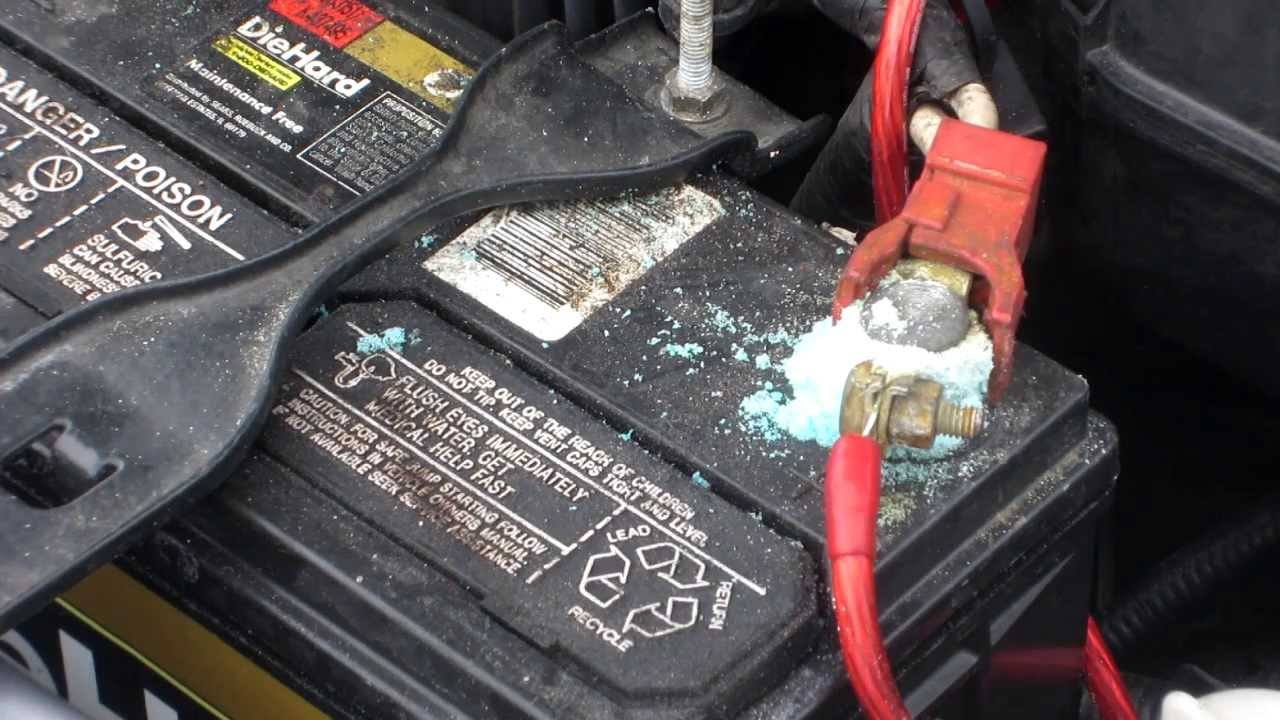
A damaged battery requires more care than a normal dead battery. Warning signs include:
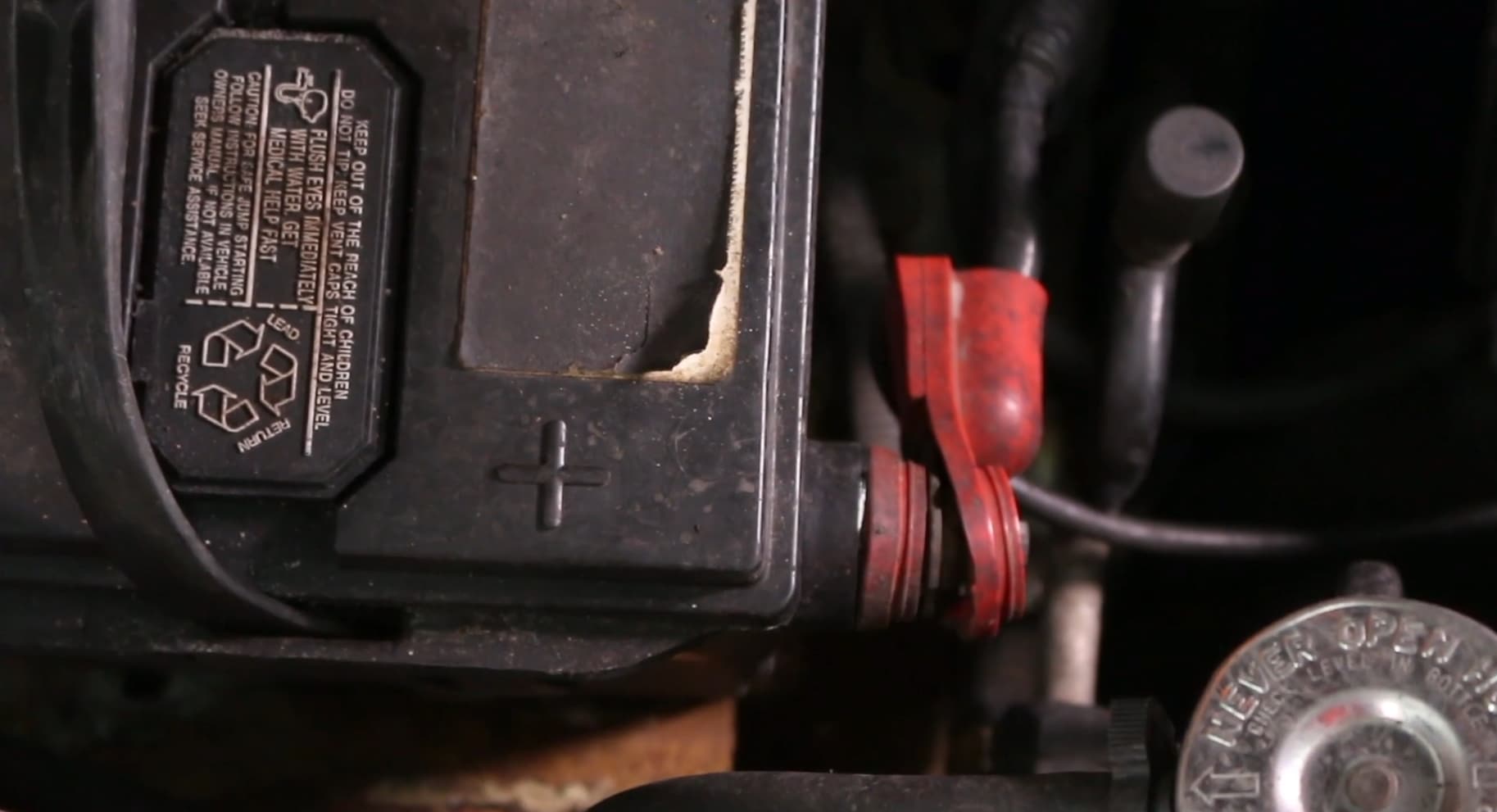
• A cracked or wet case
• A strong rotten-egg smell
• A swollen or bulging body
• Corrosion around the terminals
• Visible fluid
• Heat, smoke, or hissing
Do not charge, jump-start, puncture, open, or place a damaged battery in your vehicle. Keep people and pets away from it.
Call a hazardous waste center, fire department nonemergency line, or battery recycler for advice. Tell them the battery is damaged and describe the problem clearly. They may send trained staff or provide special transport instructions.
If the battery is smoking, hot, or actively leaking, move away and call emergency services. Do not handle it with bare hands. A small battery problem can become a chemical burn or fire risk very quickly.
One practical lesson is worth remembering: a battery that looks “mostly fine” may still be unsafe. Corrosion can hide under a label or tray, and a cracked case may leak only after the battery moves. When in doubt, ask a professional before transporting it.
Can You Get Money for an Old Car Battery?
You may receive money or a core charge refund, but the amount depends on the location and battery type.
Retail stores often offer a refundable core charge when you buy a replacement battery. If you return the old battery later, the store may refund that deposit. Some retailers also accept batteries without a purchase but may not offer payment.
Scrap yards may pay for the lead inside a battery. Prices change with local demand and metal markets. The payment may be small, but recycling prevents disposal problems.
Bring identification if the facility requires it. Some scrap yards also have limits on the number of batteries a person can bring.
Do not remove the lead plates or drain the acid yourself. The value is not worth the risk of chemical burns, toxic dust, or improper waste disposal.

Car Battery Recycling: What Happens Next?
After drop-off, the battery usually goes to a specialized recycling facility. Workers inspect and process it using equipment designed for hazardous materials.
A typical lead-acid battery recycling process includes:
-
The battery is collected and sorted.
-
The case is broken apart in a controlled system.
-
Lead components are separated from plastic and acid.
-
Lead is melted and refined for reuse.
-
Plastic is cleaned and made into new battery cases or other products.
-
The remaining acid is neutralized or processed for approved reuse.
This closed-loop system helps reduce the need for new raw materials. It also keeps lead and corrosive liquid out of ordinary waste streams.
Battery recycling rules can vary by state and local government. The U.S. Environmental Protection Agency and state environmental agencies advise consumers to use approved collection and recycling programs. Always follow the instructions given by the facility handling your battery.
Mistakes to Avoid When Disposing of a Car Battery
Knowing how to get rid of a car battery also means knowing what not to do. These mistakes are common but preventable:
• Do not put a car battery in the household trash.
• Do not place it in a curbside recycling bin unless your local program specifically allows it.
• Do not pour battery acid down a drain, onto soil, or into a storm sewer.
• Do not burn, crush, cut, or open the battery.
• Do not leave it beside a dumpster or outside a store.
• Do not carry it with loose metal tools.
• Do not mix it with household batteries at a drop-off site unless the site accepts both types.
• Do not assume every recycling center accepts electric vehicle batteries.
• Do not transport a cracked battery without calling the facility first.
A common mistake is assuming that a dead battery is harmless. “Dead” only means it cannot start the engine. It may still hold energy and still contain corrosive chemicals.
Lead-Acid Batteries Versus Electric Vehicle Batteries
Most traditional gas-powered cars use lead-acid starter batteries. These are usually small, rectangular batteries under the hood.
Hybrid and electric vehicles may contain two separate battery systems:
• A small 12-volt battery for controls and accessories
• A high-voltage traction battery that powers the motor
The high-voltage battery can contain lithium-ion or nickel-metal hydride cells. It is much larger, heavier, and more dangerous to handle without training.
If you need to get rid of a hybrid or EV battery, contact the dealership, manufacturer, licensed automotive recycler, or local hazardous waste authority. Do not place it with a regular car battery or attempt to remove it yourself.
An EV battery may also have special shipping and fire safety rules. Professional technicians use insulated tools and procedures that protect them from high voltage.
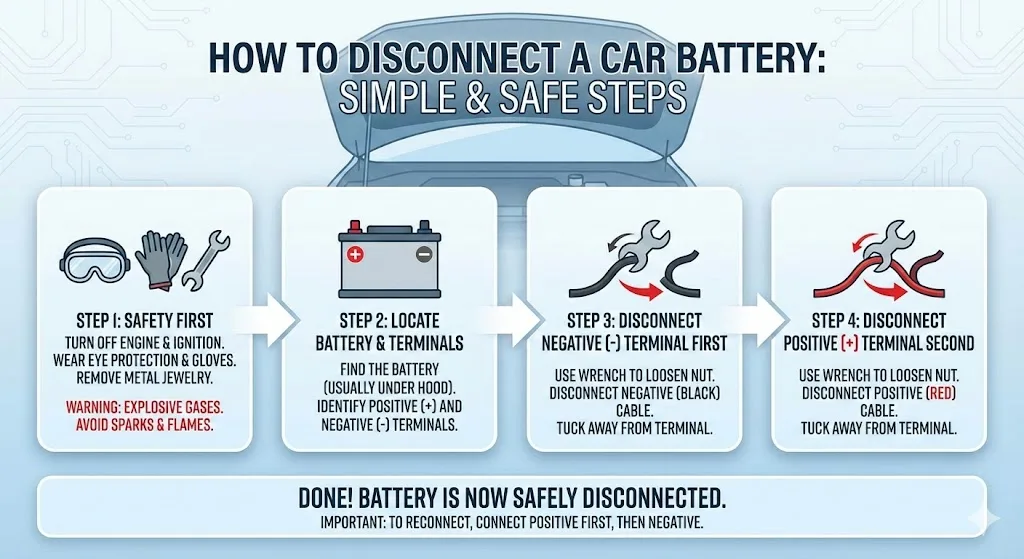
How to Remove a Car Battery Before Recycling
If the battery is in good condition and you know how to work on vehicles, you may remove it yourself. Always check the owner’s manual first.
Basic removal steps are:
-
Park on a flat surface and turn off the engine.
-
Set the parking brake and remove the key.
-
Put on gloves and eye protection.
-
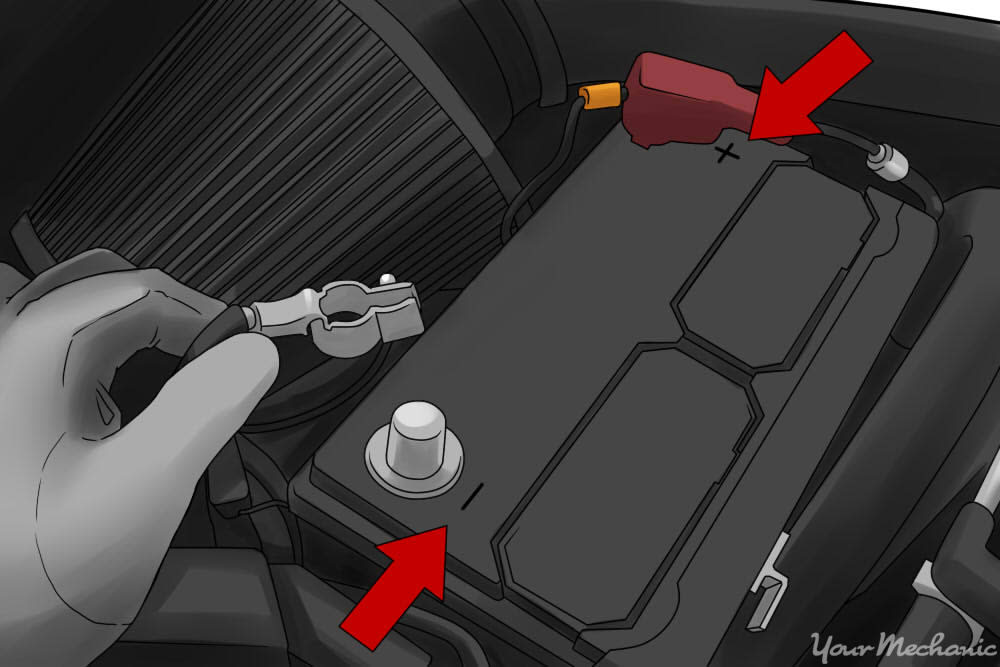
Identify the negative terminal, marked with a minus sign.
-
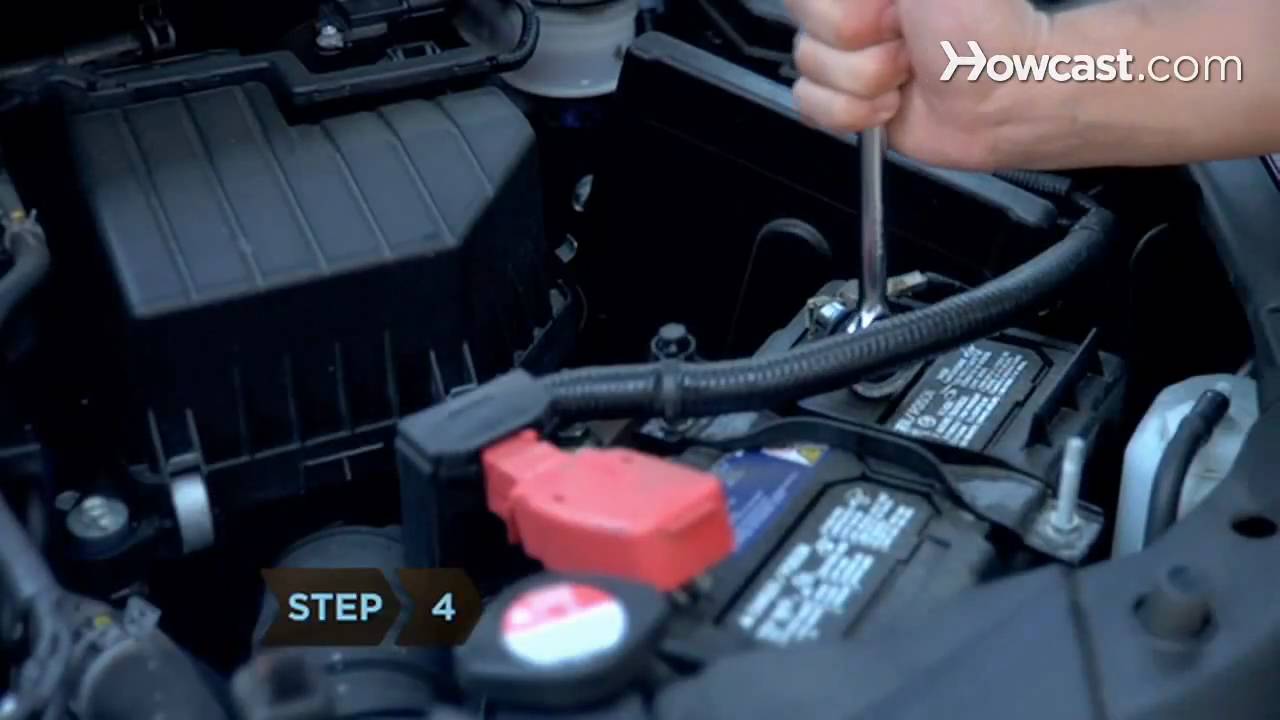
Disconnect the negative cable first.
-
Disconnect the positive cable second.
-
Remove the hold-down bracket.
-
Lift the battery with both hands and keep it upright.
Disconnecting the negative cable first helps reduce the chance of a short circuit. Do not let a metal tool touch the positive terminal and the vehicle body at the same time.
Car batteries can weigh 30 to 60 pounds or more. Ask for help if the battery is too heavy or difficult to reach. If you are not comfortable with the job, an auto shop can remove and recycle it for you.
Frequently Asked Questions About How to Get Rid of a Car Battery
Can I throw a car battery in the garbage?
No. Car batteries contain lead and sulfuric acid, so they should go to an approved retailer, auto shop, battery recycler, or hazardous waste center.
Does AutoZone or another auto parts store take old car batteries?
Many auto parts stores accept used lead-acid car batteries. Policies, fees, and refunds vary, so call the store before you go.
Can I recycle a car battery for money?
Sometimes. A store may refund a core charge, while a scrap yard may pay for the battery based on its recyclable lead and local market prices.
How should I transport an old car battery?
Keep it upright, secure it so it cannot move, and cover the terminals with electrical tape. Use a plastic tub or battery box and avoid carrying a leaking or damaged battery without professional instructions.
What should I do with a leaking car battery?
Do not touch it with bare hands, charge it, or place it in your car without advice. Keep people away and contact a hazardous waste facility or emergency service for safe handling instructions.
Can I put a car battery in curbside recycling?
Usually not. Most curbside programs do not accept lead-acid automotive batteries because they require special processing.
Are hybrid and electric car batteries recycled the same way?
No. High-voltage hybrid and EV batteries need specialized handling. Contact the vehicle dealer, manufacturer, or a licensed battery recycler.
Conclusion
The safest way to get rid of a car battery is to return it to an auto parts store, repair shop, dealership, battery recycler, or household hazardous waste center. Keep the battery upright, protect the terminals, and never place it in the trash or curbside recycling bin.
If the battery is cracked, swollen, hot, or leaking, do not transport it until a qualified facility gives you instructions. For hybrid and electric vehicles, use a trained professional because high-voltage batteries need special care.
Take a few minutes to call a local drop-off site today. Safe recycling protects your home, your community, and the environment.