Take your old car battery to an auto parts store, battery dealer, or approved recycling center for safe recycling.
Knowing what to do with an old car battery protects your home, the environment, and anyone who handles your household waste. Most automotive batteries contain lead and corrosive acid, but they also hold valuable materials that can be recovered and used again. This guide explains safe storage, transport, recycling, trade-in options, and common mistakes to avoid.
Why an Old Car Battery Should Not Go in the Trash
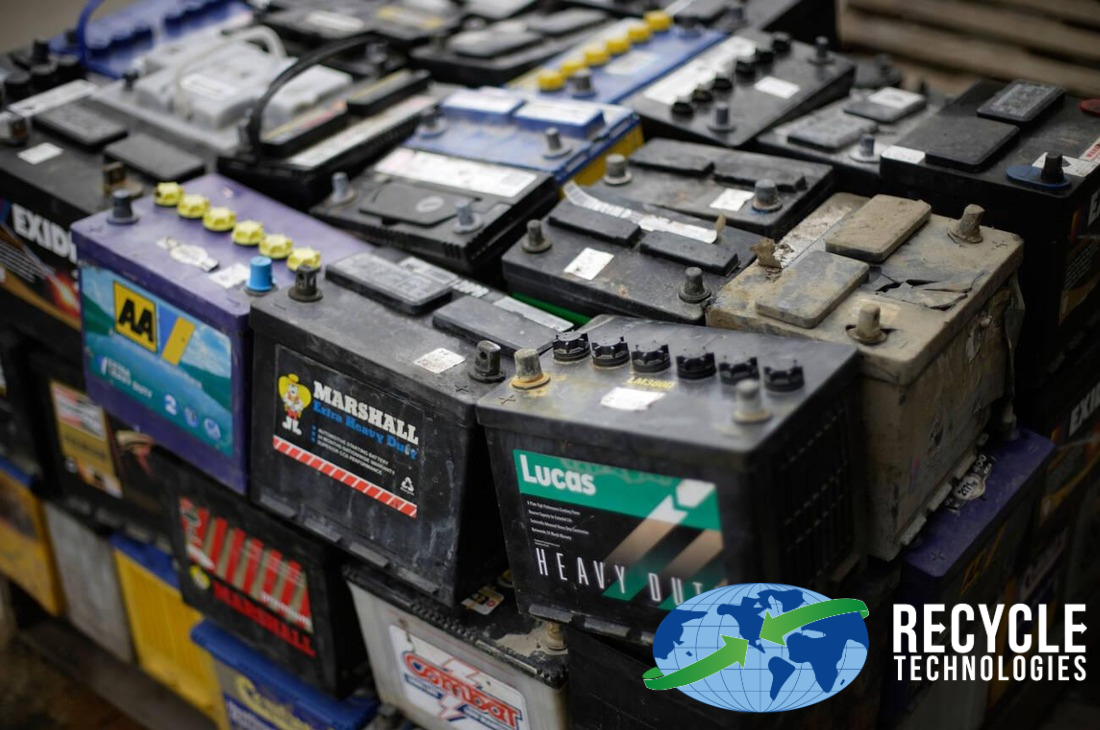
A typical car battery is a 12-volt lead-acid battery. It contains lead plates, plastic, and sulfuric acid. These parts can harm people, animals, soil, and water if the battery is crushed, burned, or dumped.
An old car battery may look harmless, but it can still leak acid or create sparks. A damaged battery can also release harmful substances during transport or disposal.
Recycling is the best choice because battery materials can be recovered. In the United States, most lead-acid batteries are recycled through stores, repair shops, and approved recycling programs.
An old car battery also has financial value. Many retailers charge a core fee when you buy a replacement battery. You can often get this fee back when you return the old battery.
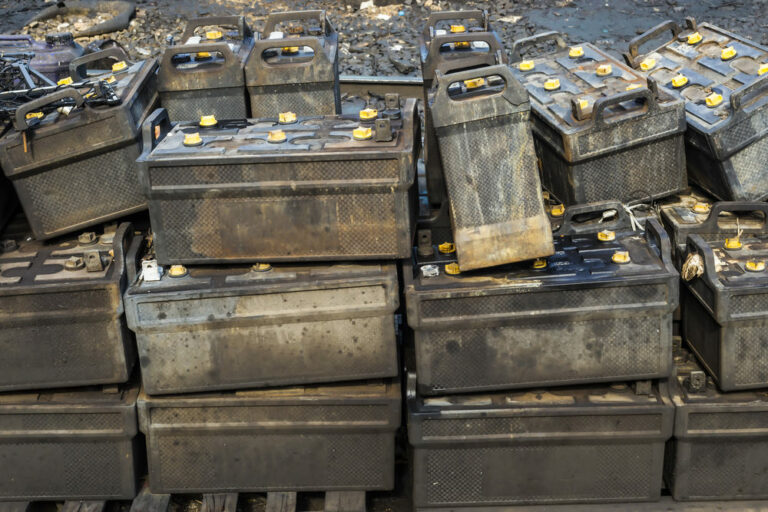
The Best Ways to Dispose of an Old Car Battery
You have several safe options for an old car battery. The best choice depends on the battery type, your location, and the condition of the battery.
Return It to an Auto Parts Store
Many auto parts stores accept old car batteries, even when you are not buying a new one. Some stores offer a refund, store credit, or core charge return.
Call before you visit. Store policies can vary, and some locations accept only lead-acid automotive batteries.
Take It to a Battery Retailer
Battery dealers often collect used batteries for recycling. This includes shops that sell car, truck, marine, and recreational vehicle batteries.
Ask whether the retailer accepts the exact battery type you have. A standard car battery is different from some lithium-ion batteries used in newer vehicles.
Contact a Local Recycling Center
Your city or county may operate a household hazardous waste program. These programs often accept an old car battery at no cost.
Use your local government website or waste department phone line to find the closest drop-off site. Do not assume that a regular recycling bin accepts automotive batteries.
Ask an Auto Repair Shop
Many repair shops collect old car batteries from customers. Some shops may accept one from the public, while others may take batteries only when they install a replacement.
An auto repair shop can also check whether the battery is truly dead. A weak battery may need charging, while a battery with a bad cell usually needs replacement.
Use a Battery Recycling Program
Some areas offer scheduled hazardous waste collection days. These events can accept batteries, motor oil, paint, and other household materials.
Place the battery in the correct collection area. Follow the staff’s directions rather than leaving it beside a curb or dumpster.
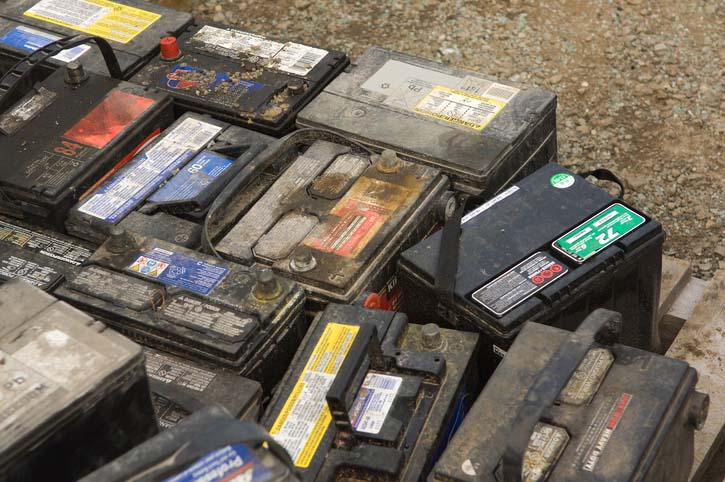
How to Prepare an Old Car Battery for Transport
Safe transport starts before you lift the battery. A car battery can weigh 30 to 60 pounds, and its acid may cause serious burns.
Use these simple steps:
- Turn off the vehicle and remove the key.
- Wear safety glasses and chemical-resistant gloves.
- Check the battery for cracks, leaks, swelling, or loose parts.
- Keep the battery upright at all times.
- Place it in a strong plastic tub, battery box, or leak-resistant container.
- Cover the terminals with electrical tape or terminal caps.
- Keep the battery away from tools, coins, keys, and other metal objects.
- Secure it so it cannot slide or tip during the trip.
- Take it directly to the store or recycling site.
Do not place an old car battery in a cardboard box if it is wet or leaking. Acid can soak through the cardboard and damage your vehicle.
If the battery is cracked, swollen, hot, or leaking, do not transport it in your passenger area. Call the recycling center, fire department nonemergency line, or a hazardous waste service for instructions.

What to Do With a Leaking or Damaged Battery
A leaking battery needs extra care. The fluid may contain sulfuric acid, which can burn skin and damage clothing, metal, concrete, and vehicle interiors.
Keep children and pets away from the area. Do not touch the fluid with bare hands, and do not try to repair, open, or drain the battery.
If acid touches your skin, rinse the area with clean running water for at least 15 minutes. Remove contaminated clothing and seek medical advice. If acid enters your eyes, rinse them immediately and get emergency medical help.
For a small spill on a hard surface, follow local hazardous waste guidance. Do not pour water into a battery or mix the spill with household cleaners. If the spill is large, call emergency services or a trained cleanup professional.
A swollen battery may contain internal gas pressure. Do not puncture it, crush it, or place it near heat. Store it away from buildings and contact an approved battery recycler.
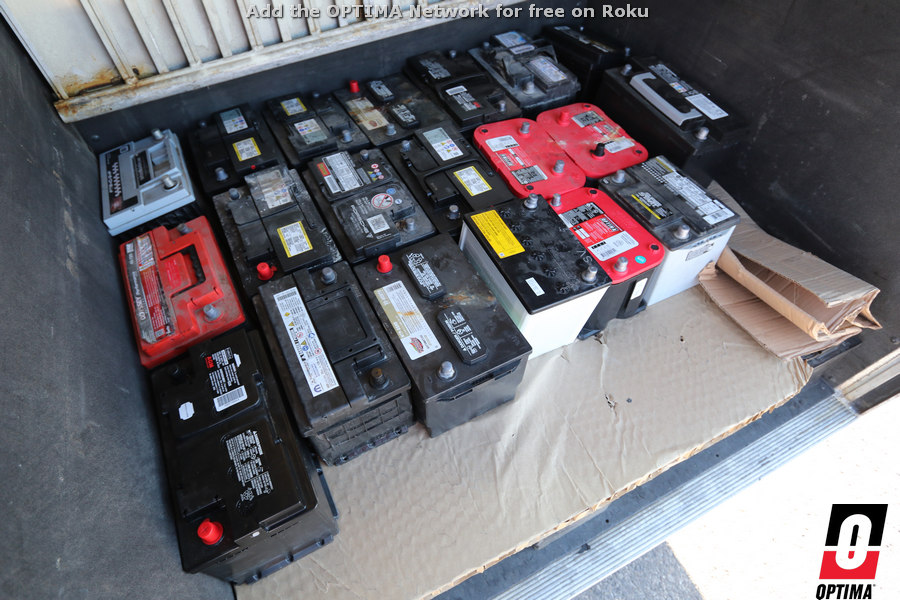
How to Store an Old Car Battery Safely
Sometimes you cannot recycle a battery right away. Safe short-term storage can reduce the risk of leaks, sparks, and injuries.
Store an old car battery in a cool, dry place with good airflow. Keep it on a level surface, such as a concrete floor, inside a sturdy plastic tray.
Avoid these locations:
• Near a furnace, water heater, fireplace, or other heat source
• In direct sunlight
• In a damp basement or area that can flood
• Near gasoline, paint, paper, or other flammable items
• Where children or pets can reach it
• On its side or upside down
Cover the terminals before storage. Do not place a metal object on top of the battery. Even a discharged battery can produce a spark if its terminals touch metal.
Try to recycle the battery within a few days. Long storage is not useful and increases the chance of damage.
Can You Reuse an Old Car Battery?
You may be able to reuse an old car battery if it still passes a proper load test. A battery that only needs charging can sometimes power a vehicle again. However, a battery with damaged plates, a shorted cell, or severe corrosion usually needs recycling.
A voltage reading alone does not prove that a battery is healthy. A fully charged battery may show about 12.6 volts at rest, but it can still fail under load. A repair shop can test its starting power with the right equipment.
Possible short-term uses include:
• A backup battery for certain 12-volt devices
• Power for a small winch or trailer system
• A test battery for basic automotive work
These uses require the correct charger, fuse, cables, and ventilation. Never use a damaged battery for a home power project.
Do not use an old car battery as a permanent home energy system. Lead-acid batteries can produce hydrogen gas while charging, and poor wiring can cause fire or electric shock.
In my own garage work, I once kept a weak battery as a “spare” for too long. It slowly leaked around the case and damaged a metal shelf. The lesson was simple: if a battery fails a load test, recycle it instead of searching for one more use.
How to Get Money or Credit for an Old Car Battery
The most common financial benefit is a core charge refund. When you buy a replacement battery, the seller may add a fee to encourage the return of the old unit.
Return the old battery to the same store, if possible. Bring your receipt if you have it. Some retailers will still accept the battery without a receipt, but the refund rules differ.
You may also find:
• Store credit
• A small recycling payment
• A lower price on a replacement battery
• Free disposal with battery installation
Do not sell an old car battery to an unknown buyer without checking local rules. Battery recycling involves hazardous materials, and an unlicensed buyer may handle the battery improperly.
Never remove the lead plates or acid yourself to increase its value. The small amount of money is not worth the risk of burns, toxic exposure, or contamination.
Car Battery Recycling and Environmental Benefits
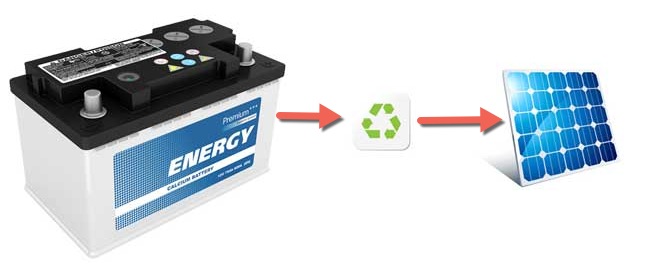
Recycling an old car battery keeps lead, plastic, and acid out of regular waste streams. Recovered lead can be refined and used in new batteries. The plastic case can also be processed into new products.
This creates a useful loop. A battery that powers your car today may become part of another battery later.
Recycling also reduces the need to mine new lead. It helps limit pollution from improper dumping and lowers the chance that battery acid will enter soil or stormwater.
Environmental rules differ by state and city. Some areas have strict requirements for battery transport and disposal. The safest approach is to use a retailer, repair shop, or government-approved recycling center.
Never burn an old car battery, bury it, break it apart, or place it in a curbside recycling bin unless your local program specifically allows it.
Mistakes to Avoid With an Old Car Battery
Small mistakes can create real danger. Keep these points in mind when handling an old car battery.
• Do not put it in the trash.
• Do not place it in a curbside recycling bin.
• Do not carry it by loose cables or broken handles.
• Do not transport it on its side.
• Do not store it near heat or flames.
• Do not test it with a metal tool across the terminals.
• Do not open, drain, crush, or puncture it.
• Do not mix battery acid with bleach or other cleaners.
• Do not assume a dead battery has no electrical energy.
• Do not leave it beside a store door or dumpster.
One common mistake is carrying an old car battery without covering the terminals. A wrench inside the same vehicle can touch both terminals and create a short circuit. Tape over the terminals before moving the battery, even for a short trip.
Choosing the Right Recycling Option
The best option is usually the one that accepts the battery safely and soon. Use this simple guide:
| Your situation | Best option |
|---|---|
| The battery is intact and from a regular car | Auto parts store or battery retailer |
| You want a core refund | The store that sold the replacement |
| The battery is leaking or swollen | Hazardous waste service or approved recycler |
| You are unsure of the battery type | Auto repair shop or recycling center |
| You cannot transport it safely | Ask a retailer or local waste department about pickup |
| The battery is from an electric vehicle | Manufacturer, dealer, or specialized EV recycler |
Electric vehicles and hybrid vehicles may contain high-voltage lithium-ion battery packs. Do not treat those packs like a standard 12-volt car battery. Contact the vehicle dealer or manufacturer for approved service.
When in doubt, take a photo of the label and call the recycling location before you go. This small step can prevent a wasted trip and an unsafe drop-off.
Frequently Asked Questions About What to Do With an Old Car Battery
Can I throw an old car battery in the trash?
No. An old car battery contains lead and corrosive acid, so it should go to an approved retailer, repair shop, hazardous waste program, or battery recycling center.
Will an auto parts store take my old car battery?
Many auto parts stores accept old lead-acid car batteries. Some offer a core refund or store credit, but policies vary by location, so call first.
Can I get money for an old car battery?
You may receive a core charge refund, store credit, or a small recycling payment. The amount depends on the retailer, battery type, condition, and local rules.
How should I transport an old car battery?
Keep the battery upright in a sturdy, leak-resistant container and secure it so it cannot move. Cover the terminals with electrical tape, and do not transport a leaking or swollen battery in your passenger area.
Can I use an old car battery for another project?
Only use it if it passes a professional load test and has no damage, leaks, or swelling. A weak or damaged battery should be recycled instead of used for a DIY project.
What should I do with a leaking car battery?
Keep people and pets away, avoid touching the fluid, and do not try to repair or drain the battery. Contact a hazardous waste service or approved recycler for handling instructions.
Are car batteries recyclable?
Yes. Standard lead-acid car batteries are widely recyclable. Their lead, plastic, and other materials can be recovered through proper recycling programs.
Conclusion
The safest answer to what to do with an old car battery is to recycle it through an auto parts store, battery retailer, repair shop, or approved household hazardous waste program. Keep it upright, cover the terminals, and never place it in the trash.
A damaged, swollen, or leaking battery needs special handling. If you are unsure, call the recycling center before moving it. Take a few minutes today to find a local drop-off site, return the battery, and help keep hazardous materials out of your home and community.