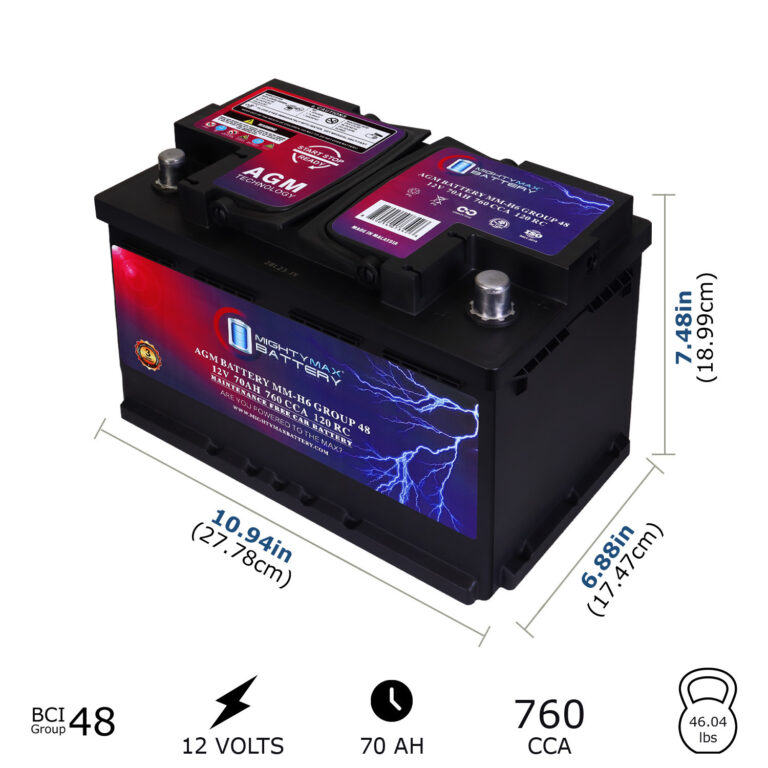
Keep your car battery charged by driving regularly, limiting electrical drain, and using a smart charger when parked.
Knowing how to keep a car battery charged can save you from a stressful no-start morning. A healthy charging system, good driving habits, and the right battery charger work together to protect your battery, especially during cold weather or long periods of storage.
Why a Car Battery Loses Its Charge
A car battery stores electrical energy for starting the engine and powering accessories when the engine is off. The alternator then replaces much of that energy while you drive. If the battery loses more power than the alternator can restore, its charge slowly drops.
Short trips are a common cause. Starting the engine uses a strong burst of power. A five-minute drive may not give the alternator enough time to replace it. This is one reason learning how to keep your car battery charged matters for people who mostly drive around town.
Other causes include:
• Interior lights left on
• A trunk, glove box, or door that does not close fully
• Phone chargers and dash cameras drawing power while parked
• An aging or damaged battery
• Loose or dirty battery terminals
• A weak alternator
• Extreme heat or freezing temperatures
Modern vehicles can also use a small amount of power when parked. Security systems, computers, remote-start systems, and keyless-entry features may remain active. This drain is usually normal, but it can flatten a weak battery after several days or weeks.

Drive Long Enough to Recharge the Battery
Regular driving is one of the simplest ways to keep a car battery charged. However, the length and type of drive matter. A long, steady drive is more useful than several very short trips.
Try to drive for at least 20 to 30 minutes when possible. A longer drive gives the alternator more time to restore energy used during startup. Highway driving can help, but normal city driving may also work if the engine reaches full operating temperature.
Avoid starting the car just to let it idle for a few minutes. Idling may recharge the battery slowly, but it is less effective than driving. The alternator may produce less power at idle, especially when the heater, headlights, windshield defroster, and entertainment system are running.
A practical weekly routine looks like this:
-
Combine short errands into one trip.
-
Drive for 20 to 30 minutes at least once a week.
-
Limit heavy electrical use during very short trips.
-
Turn off accessories before shutting down the engine.
-
Take a longer drive after using a jump starter.
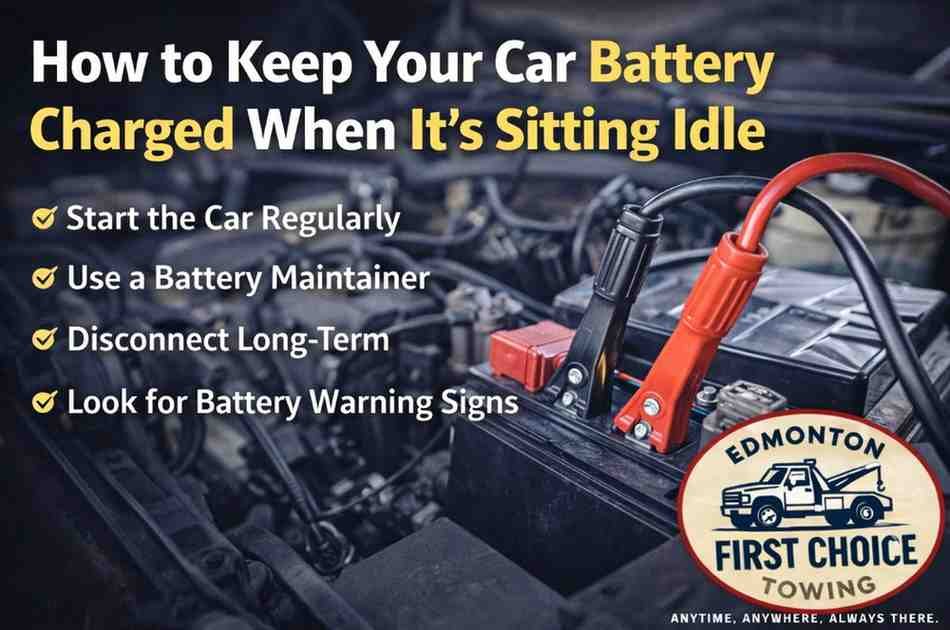
If you drive only a few miles each day, the battery may need extra help from a battery maintainer. This is especially true for a second vehicle, classic car, motorcycle, or seasonal vehicle.

Use a Smart Battery Charger or Maintainer
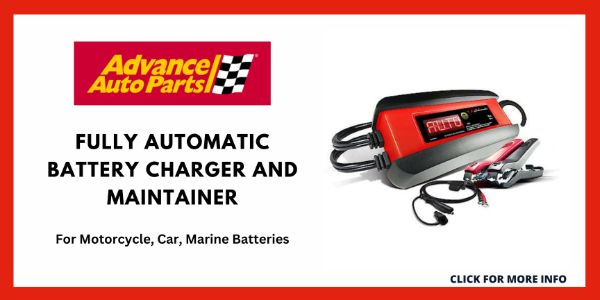
A smart charger is one of the best tools for how to keep a car battery charged while the vehicle is parked. It monitors battery voltage and adjusts the charging process. When the battery is full, many smart chargers switch to a maintenance mode instead of continuing to force a high charge.
A battery maintainer is designed for long-term storage. It provides small amounts of power as needed. This helps offset normal electrical drain without overcharging a healthy battery.
Choose a charger that matches your battery type. Common types include:
• Flooded lead-acid batteries
• Absorbent glass mat, or AGM, batteries
• Gel batteries
• Enhanced flooded batteries
• Lithium batteries in certain specialty vehicles
Read the battery label and charger instructions before connecting anything. Some vehicles also require a specific charging point or procedure, especially those with battery monitoring systems.
To use a smart charger safely:
-
Park in a dry, well-ventilated area.
-
Turn off the vehicle and remove the key.
-
Check the battery for cracks, leaks, or swelling.
-
Connect the positive clamp to the positive terminal.
-
Connect the negative clamp to the recommended ground point or negative terminal.
-
Plug in the charger and select the correct mode.
-
Disconnect power before removing the clamps.
Never charge a battery that is cracked, leaking, frozen, or badly swollen. Ask a qualified technician to inspect it. Charging a damaged battery can create a fire or explosion risk.
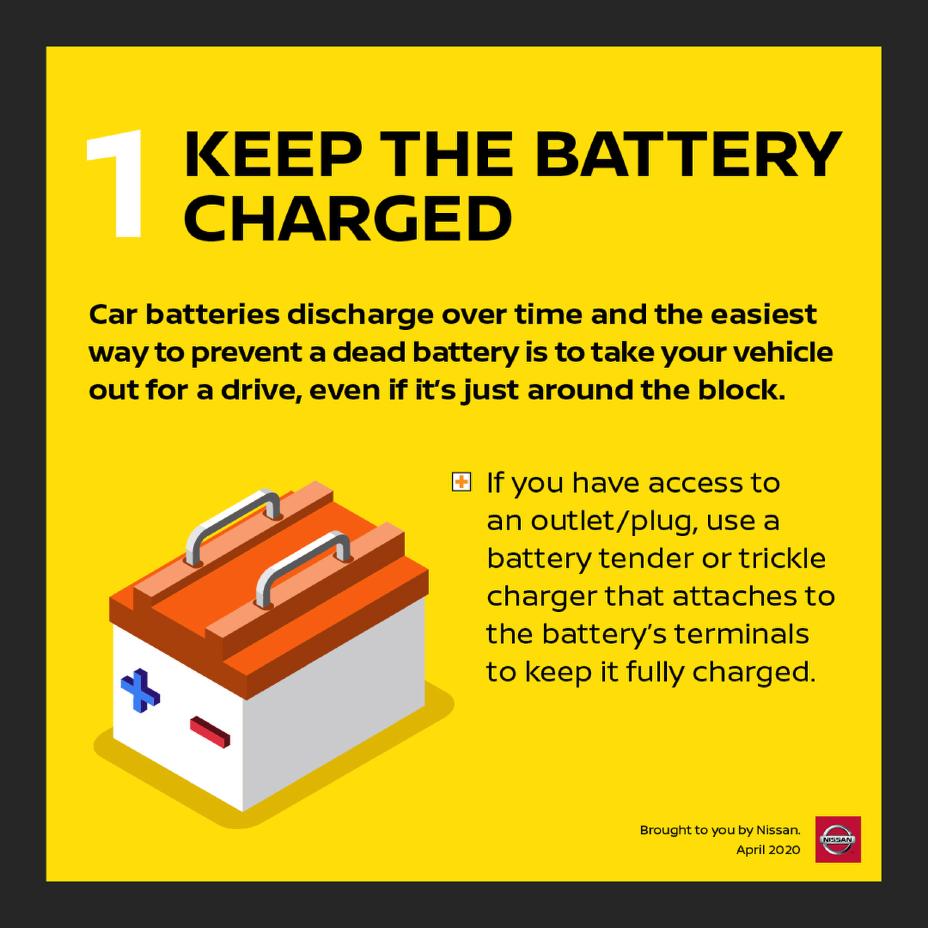
Check the Alternator and Charging System
The alternator is the part that recharges the battery while the engine runs. If it is weak, the battery may keep losing power even when you drive often. This can make it seem like the battery is the problem when the real issue is the charging system.
Warning signs of an alternator problem include:
• A battery warning light on the dashboard
• Headlights that become dim or unusually bright
• Slow power windows
• A whining or grinding sound
• Repeated dead batteries
• Electrical accessories that work poorly
A repair shop can test the battery and alternator together. Many auto parts stores also offer basic battery and charging tests. A fully charged battery often measures about 12.6 volts when the engine is off, although readings vary by battery condition and temperature.
With the engine running, many traditional charging systems show a higher voltage than the resting battery. The exact number depends on the vehicle, battery type, temperature, and charging strategy. Modern vehicles may deliberately vary alternator output, so one voltage reading does not tell the whole story.
Do not replace the battery before testing the charging system. A new battery can also go flat if the alternator, wiring, or belt is faulty.

Keep the Battery Terminals Clean and Tight
Dirty or loose terminals can block the flow of electricity. The battery may be charged, but the vehicle may still crank slowly or fail to start. Corrosion often appears as a white, blue, or green powder around the terminals.
Inspect the battery during routine maintenance. Make sure the cables are secure and do not move when gently touched. Do not force a terminal that is stuck, and avoid touching both terminals with a metal tool.
For light corrosion, follow the vehicle and battery maker’s cleaning instructions. Wear eye protection and gloves. Keep sparks, cigarettes, and open flames away from the battery because lead-acid batteries can release flammable gas.
Also check the battery hold-down bracket. A loose battery can vibrate while you drive, which may damage the case or internal plates. A secure battery is safer and often lasts longer.
Cleaning terminals will not repair an old battery or a failed alternator. It simply helps the existing system work as intended.
Reduce Electrical Drain When the Engine Is Off
One of the easiest ways to keep a car battery charged is to prevent unnecessary drain. Turn off headlights, cabin lights, heated seats, audio systems, and other accessories before leaving the vehicle.
Check that every door, hatch, and trunk closes fully. A small light can stay on for hours without being obvious. If your vehicle has a dash camera, GPS tracker, or aftermarket alarm, check whether it has a low-voltage cutoff feature.
Use these habits:
• Unplug phone chargers when you park.
• Turn off portable refrigerators and inverters.
• Remove accessories from the 12-volt outlet.
• Disable remote-start features if the vehicle will sit for a long time.
• Keep the key fob away from the vehicle if the manufacturer recommends it.
• Check for lights after closing the doors at night.
A parasitic drain is an abnormal electrical draw that continues after the vehicle is turned off. If the battery dies after one or two nights, ask a technician to test for parasitic drain. Replacing the battery without finding the drain may only hide the problem for a short time.
Protect the Battery During Extreme Weather
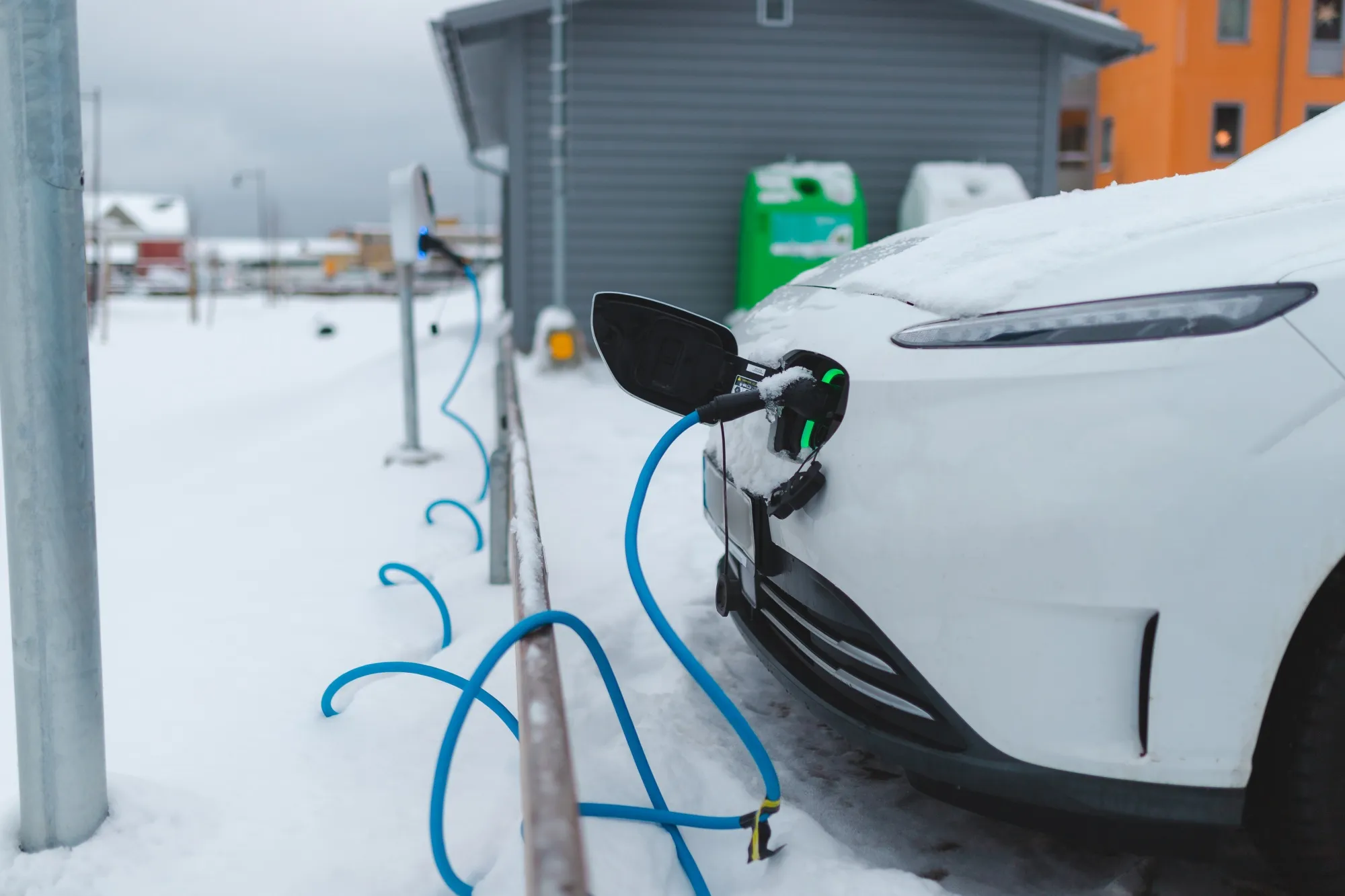
Temperature has a major effect on battery performance. Cold weather reduces the battery’s ability to deliver starting power. At the same time, engine oil becomes thicker, so the starter must work harder.
Hot weather can also shorten battery life. High temperatures speed up chemical reactions inside a lead-acid battery and can cause water loss or internal damage. This is why a battery that seems fine in summer may fail during the first cold snap.
To protect the battery:
• Park in a garage or shaded area when possible.
• Keep the battery terminals clean.
• Use the correct battery size and type for the vehicle.
• Inspect the battery before winter.
• Use a smart maintainer during long storage.
• Avoid charging a frozen battery.
A battery blanket may help in very cold regions, but it must be designed for automotive use and installed as directed. Never wrap a battery in an unsafe heating device or place an open flame near it.
Know When the Battery Needs Replacement
No charging method can restore a battery that has reached the end of its useful life. Many automotive batteries last about three to five years, but climate, driving habits, maintenance, and battery quality can change that range.
Common signs of a failing battery include:
• Slow engine cranking
• Repeated jump-starts
• A swollen battery case
• Corrosion that keeps returning
• Dim lights before the engine starts
• A battery warning or replacement message
• The need to recharge after normal driving
A battery test can measure more than resting voltage. It may also check starting power and internal resistance. Ask for a proper load or conductance test when the battery seems weak.
In my experience, one of the most common mistakes is blaming every starting problem on the battery. A worn starter, poor ground cable, bad alternator, or hidden electrical drain can create similar symptoms. Testing first usually saves money and prevents replacing good parts.
Charge a Car Battery Safely
Car batteries contain corrosive acid and can release explosive hydrogen gas while charging. Safe handling is essential, even with a small charger.
Follow these basic rules:
• Wear safety glasses and protective gloves.
• Charge in a well-ventilated location.
• Keep sparks and flames away.
• Use a charger made for your battery type.
• Do not place metal objects on the battery.
• Stop if the battery becomes hot, swollen, or gives off a strong odor.
• Keep children and pets away from the work area.
• Follow the vehicle and charger instructions.
If you need to jump-start a vehicle, connect the cables in the correct order and use an unpainted metal ground point when the vehicle maker recommends it. Incorrect connections can damage sensitive electronics. Hybrid and electric vehicles also have special procedures, so use the owner’s manual rather than guessing.
A Simple Weekly Battery Care Plan
A small routine can prevent most avoidable battery problems. Set aside a few minutes each week to notice changes before they become a breakdown.
Use this checklist:
-
Look for corrosion, swelling, or loose cables.
-
Confirm that interior and exterior lights turn off.
-
Drive long enough to recharge the battery.
-
Listen for slow cranking or unusual electrical sounds.
-
Test the battery before extreme winter or summer weather.
-
Connect a smart maintainer if the vehicle will sit for more than a week or two.
-
Schedule a charging-system test if the battery repeatedly loses power.
My biggest practical lesson is simple: do not wait for the first dead battery to build a maintenance habit. A quick inspection and a planned drive are much easier than arranging a tow before work.
Benefits and Limits of Keeping a Battery Charged
Keeping the battery charged supports reliable starting and reduces strain on the starter motor. It can also help prevent deep discharges, which may shorten the life of a lead-acid battery.
The main benefits include:
• More reliable engine starts
• Less need for jump-starts
• Better performance in cold weather
• Lower risk of being stranded
• Longer battery service life in some conditions
Still, charging is not a cure for every problem. A maintainer cannot fix a damaged battery, bad alternator, corroded cable, or electrical drain. It also cannot guarantee that an old battery will start the vehicle during severe weather.
The right approach combines charging with inspection and testing. Think of the battery as a water tank: driving and the alternator refill it, while lights and electronics drain it. If the tank has a leak, adding more water will not solve the real issue.
Frequently Asked Questions About How to Keep a Car Battery Charged
How often should I drive to keep my car battery charged?
Try to drive for 20 to 30 minutes at least once a week if possible. Short trips may not replace the energy used during startup, so combine errands or use a smart maintainer when the vehicle sits often.
Does idling recharge a car battery?
Idling can recharge a battery, but it is usually slower and less effective than driving. A longer drive is generally better because the alternator may produce more useful output above idle speed.
Can I leave a smart charger connected overnight?
Many smart chargers are designed for overnight use and long-term maintenance. Confirm that the charger matches the battery type, and follow its safety instructions before leaving it connected.
How long does a car battery take to charge?
The time depends on the battery size, its remaining charge, and the charger’s output. A deeply discharged battery may need several hours or more, while a maintainer may take much longer because it uses a low current.
Why does my car battery keep dying after I charge it?
A repeated dead battery may point to an aging battery, weak alternator, loose connection, or parasitic electrical drain. Have the battery and charging system tested instead of repeatedly charging it without finding the cause.
Is it safe to charge a frozen car battery?
No. A frozen battery can be damaged or become unsafe during charging. Let it thaw in a safe place and have it inspected before attempting to charge it.
Should I disconnect the battery during long-term storage?
Disconnecting the battery may reduce drain, but it can reset vehicle settings and affect alarms or electronic systems. A compatible smart maintainer is often a better choice, but always follow the vehicle manufacturer’s storage guidance.
Conclusion
The best way to keep a car battery charged is to combine regular driving, low electrical drain, clean connections, and a smart charger for long-term parking. You should also test the alternator and battery when starting problems return, because charging alone cannot repair a failed component.
Start with one simple habit today: check that your lights and accessories turn off, then plan a longer drive or connect a suitable maintainer. Share your battery care tips in the comments, and explore more vehicle maintenance guides to keep your car dependable year-round.