To replace a car battery, switch off the engine, remove the old battery, and fit the new one safely.
Learning how to replace a car battery can save time and money when your vehicle will not start. The job often takes less than 30 minutes, but the right battery, safe cable order, and careful handling matter. This guide explains each step in plain language, including modern car concerns such as battery memory, computer resets, and start-stop systems.
What You Need Before Replacing a Car Battery
Before you begin, park on a flat surface. Turn off the engine, lights, radio, and other electrical devices. Set the parking brake and remove the key from the ignition.
Check your owner’s manual first. It can show the battery location, the correct battery group size, and any special reset steps. Some vehicles place the battery in the trunk, under a seat, or inside the wheel area rather than under the hood.
Gather these tools and supplies:
• Replacement battery that matches the required group size, voltage, terminal layout, and battery type
• Safety glasses and chemical-resistant gloves
• A socket or wrench set, often 8 mm, 10 mm, or 13 mm
• Battery terminal cleaner or a small wire brush
• A battery hold-down tool or the correct socket
• Anti-corrosion felt washers or terminal protectant
• A memory saver, if your vehicle requires power to remain connected
• A flashlight and clean cloth
Most passenger vehicles use a 12-volt battery. However, the battery may be a standard flooded lead-acid unit, an absorbed glass mat battery, or an enhanced flooded battery. Do not replace an AGM battery with a cheaper standard battery unless the vehicle maker approves it.

How to Choose the Correct Car Battery
The best way to choose a battery is to compare the old battery with the vehicle manual. Look for the group number, cold cranking amps, reserve capacity, terminal position, and battery technology.
Important battery specifications include:
• Group size: This describes the battery’s physical size, terminal location, and case shape.
• Cold cranking amps, or CCA: This measures starting power in cold conditions. A battery with too few CCA may struggle in winter.
• Reserve capacity: This shows how long the battery can support basic electrical loads if the charging system fails.
• Battery type: Common types include flooded lead-acid, AGM, and enhanced flooded batteries.
• Voltage: Most regular cars use a 12-volt starting battery.
A higher CCA rating is not always a problem if the battery fits and meets the vehicle maker’s requirements. A battery that is too large, too small, or has reversed terminals can create serious problems.
Some cars need battery registration after installation. This tells the charging system that a new battery is present. Without this step, the vehicle may charge the battery incorrectly and shorten its life. Ask a parts store or technician whether your model needs registration.
I once saw a driver buy a battery based only on its physical size. It fit the tray, but the terminals faced the wrong way. The cables could not reach safely, and forcing them would have caused damage. Always match the terminal layout, not just the case size.
Safety Rules Before You Start
A car battery stores a large amount of electrical energy. It also contains sulfuric acid, which can burn skin and eyes. The battery can release flammable hydrogen gas, especially while charging or when damaged.
Follow these safety rules:
• Wear eye protection and gloves.
• Keep cigarettes, flames, sparks, and hot tools away from the battery.
• Never place metal tools across both battery terminals.
• Remove jewelry such as rings, watches, and bracelets.
• Do not lean over a cracked, leaking, swollen, or frozen battery.
• Keep children and pets away from the work area.
• Lift the battery with both hands and keep it level.
If the battery is swollen, leaking, cracked, or badly corroded, stop the job. Arrange professional service or follow local rules for hazardous battery disposal. Do not put an old car battery in household trash. Most retailers and recycling centers accept used lead-acid batteries.
A key rule when learning how to replace a car battery is simple: negative comes off first, and negative goes on last. This reduces the chance of accidentally creating a short circuit with your wrench.

How to Replace a Car Battery Step by Step
The following steps explain how to replace a car battery on many conventional gasoline vehicles. Your vehicle may have special instructions, so use the owner’s manual as the final guide.
1. Confirm the battery location
Open the hood and find the battery. If it is not there, check the trunk, rear seat area, or a covered compartment. Remove any plastic cover carefully.
Take a photo before disconnecting anything. The photo can help you remember cable positions, brackets, and protective covers.
2. Identify the positive and negative terminals
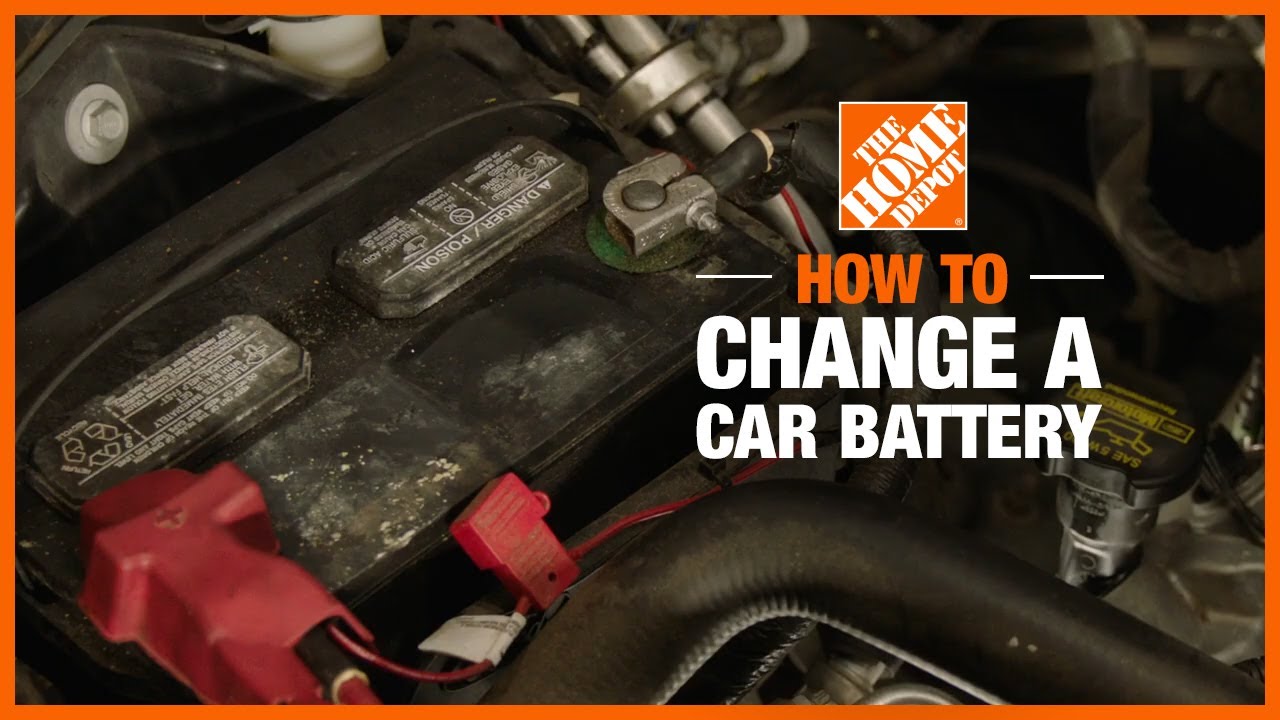
The positive terminal usually has a plus sign and a red cover. The negative terminal has a minus sign and often connects to the vehicle body through a black cable.
Do not rely on cable color alone. Look for the plus and minus symbols molded into the battery case.
3. Disconnect the negative cable
Use the correct wrench to loosen the negative terminal clamp. Remove the clamp from the battery post and move it away from the terminal.
Do not let the cable spring back onto the post. If needed, cover the cable end with a clean cloth. Never disconnect the positive cable first unless the vehicle maker gives a specific instruction.
4. Disconnect the positive cable
Loosen the positive terminal clamp and remove it from the battery post. Keep the metal tool away from the body and other metal parts.
Some positive terminals include a fuse block or sensor. Do not pull or twist these parts. If a sensor sits on the negative cable, handle it gently because it helps monitor battery current.
5. Remove the battery hold-down
Find the bracket, strap, or clamp that holds the battery in place. Remove it with the correct socket or wrench.
Keep the hold-down hardware in a safe spot. A loose battery can move while you drive, damage its case, or pull on the cables.
6. Lift out the old battery
Lift the battery straight up. It may weigh 30 to 50 pounds, so use both hands and keep your back straight.
Place it on a stable surface away from children and open flames. Avoid tilting it, especially if it is an older flooded battery.
7. Clean the battery tray and cable ends
Inspect the tray for rust, cracks, or acid residue. Clean loose dirt with a cloth. Use a battery terminal brush to remove corrosion from the cable clamps.
If acid damage has eaten through the tray or cable, replacing the battery alone may not solve the problem. A technician should inspect the affected parts.
8. Install the new battery
Place the new battery in the tray with the terminals in the same direction as the old one. Check the plus and minus markings again.
Reinstall the hold-down bracket. It should be firm, but do not overtighten it. The battery should not move when you gently try to rock it.
9. Connect the positive cable first
Place the positive clamp on the positive post. Tighten it until it is secure. It should not twist or lift by hand.
If your vehicle uses a terminal cover or fuse block, return it to its original position.
10. Connect the negative cable last
Place the negative clamp on the negative post and tighten it. Confirm that both clamps are secure and that no cable touches a moving part.
You may see a tiny spark when the final cable connects. A large spark, smoke, heat, or a strong smell means something is wrong. Disconnect the negative cable and check the connections.
11. Test the vehicle
Start the engine. It should crank with more strength than before. Check the battery warning light and look for unusual messages.
Turn on the headlights, heater fan, and other basic accessories. If the lights dim badly or the battery warning light remains on, the charging system may have a problem.
12. Reset vehicle settings
You may need to reset the clock, radio presets, power windows, or seat memory. Some vehicles also need an idle relearn or steering angle reset.
If warning lights remain on, consult the manual or use a scan tool. Do not ignore a warning simply because the engine starts.

What to Do After Installing the Battery
Replacing the battery does not always fix a no-start problem. The alternator must charge the battery while the engine runs. A weak alternator, damaged cable, or parasitic drain can cause the new battery to fail.
A healthy, fully charged 12-volt battery often measures close to 12.6 volts with the engine off. When the engine runs, many vehicles show roughly 13.5 to 14.8 volts, but the exact value depends on the charging system and operating conditions.
These readings are only general guides. Smart charging systems may change voltage during driving. A professional battery and charging-system test gives a better answer than one quick voltage check.
Watch for these signs of another problem:
• The engine cranks slowly after installing the new battery.
• The battery warning light stays on.
• The new battery loses power overnight.
• The headlights flicker while driving.
• The battery case becomes hot or swells.
• Corrosion returns soon after cleaning.
A short drive may help the vehicle relearn settings, but it does not fully charge a deeply discharged battery in every case. If the battery was completely dead, use a proper charger or have the charging system tested.
Common Mistakes to Avoid
Many problems happen because the job feels simple. A battery replacement is basic maintenance, but small mistakes can damage electronics or cause injury.
Avoid these common errors:
• Installing the wrong battery group size
• Connecting the positive and negative cables backward
• Removing the positive cable before the negative cable
• Leaving the battery hold-down loose
• Using excessive force on terminal clamps
• Touching a wrench from the positive terminal to the vehicle body
• Forgetting to replace a terminal cover
• Ignoring a battery sensor on the negative cable
• Failing to register the battery when the vehicle requires it
• Assuming a new battery will fix an alternator problem
One mistake I have seen more than once is tightening a terminal until the clamp splits. The clamp may feel secure at first, but it can loosen later and create intermittent starting problems. Tighten it enough to hold firmly, then stop.
Another common mistake is losing the radio security code. Some older vehicles need a code after power is removed. Check the manual before disconnecting the battery, and use a memory saver only if it is approved for your vehicle.
Special Considerations for Modern Vehicles
Modern vehicles use computers, sensors, and electronic control modules. Removing battery power can erase learned settings or trigger warning lights. This does not always mean something is seriously wrong, but it can require extra steps.
Vehicles with start-stop systems often use AGM or enhanced flooded batteries. These batteries handle frequent engine restarts better than standard batteries. Installing the wrong type may reduce battery life and affect the start-stop feature.
Some vehicles need battery registration through a scan tool. This process records the battery’s size and age in the vehicle’s energy management system. A dealer, repair shop, or parts store may be able to perform it.
Hybrid and electric vehicles need extra caution. They contain high-voltage battery systems that are different from the small 12-volt battery. Do not attempt to remove or service the high-voltage pack unless you have the proper training. This guide applies mainly to the regular 12-volt starting battery.
If your vehicle has a remote battery terminal, follow the manufacturer’s instructions. Some cars place the actual battery in a hard-to-reach location but provide safe connection points under the hood.
How Long Does a Car Battery Last?
A typical car battery lasts about three to five years, but climate, driving habits, and vehicle use affect its life. Very hot weather can speed up internal battery wear. Cold weather can expose a weak battery because the engine needs more power to start.
Short trips can also reduce battery life. The alternator may not have enough time to replace the energy used during starting. Vehicles with alarms, remote-start systems, dash cameras, or aftermarket electronics may experience extra battery drain.
You can extend battery life by:
• Keeping the terminals clean and tight
• Driving the vehicle long enough to recharge the battery
• Testing the battery before winter
• Checking that the hold-down bracket is secure
• Turning off lights and accessories when parked
• Using a maintainer if the vehicle sits for long periods
If the battery is older than three years and the car starts slowly, test it before winter. Preventive testing is easier than being stranded in a parking lot.
How Much Does It Cost to Replace a Car Battery?
The cost depends on the vehicle, battery type, warranty, and labor rate. A standard battery is usually less expensive than an AGM battery. Batteries for luxury cars, diesel vehicles, and vehicles with start-stop systems may cost more.
Replacing the battery yourself can save labor charges. However, professional installation may include testing, battery registration, recycling, and warranty support.
Before buying, compare:
• Battery purchase price
• Installation fee
• Battery warranty
• Core charge or recycling deposit
• Battery registration cost
• Mobile service or emergency service fees
A low purchase price may not be the best value if the battery has a short warranty or does not match the vehicle’s requirements. Choose the correct battery first, then compare prices.
Frequently Asked Questions About How to Replace a Car Battery
Can I replace a car battery myself?
Yes, many people can replace a conventional 12-volt car battery with basic tools and careful cable handling. Follow the owner’s manual, wear eye protection, and disconnect the negative cable first.
Which battery cable do I remove first?
Remove the negative cable first, then the positive cable. When installing the new battery, connect the positive cable first and the negative cable last.
How do I know which car battery to buy?
Check the owner’s manual or the label on the old battery for group size, CCA, terminal layout, and battery type. The replacement must fit the tray and meet the vehicle maker’s electrical requirements.
Do I need to register a new car battery?
Some modern vehicles require battery registration after installation. The process helps the charging system manage the new battery correctly, so check the manual or ask a qualified technician.
Can a new battery fix a car that will not start?
A new battery can fix a no-start problem caused by a weak or dead battery. If the alternator, starter, cables, fuse, or fuel system has a fault, replacing the battery may not solve the issue.
How long should I wait before starting the car after replacing the battery?
You can usually start the vehicle as soon as both terminals are secure and the battery hold-down is tight. Check for loose tools, incorrect connections, warning lights, or unusual sounds before driving.
Conclusion
Knowing how to replace a car battery makes a common repair less stressful. Choose the correct battery, wear protective gear, disconnect the negative cable first, secure the new battery, and connect the positive cable before the negative one.
After installation, test the vehicle and watch for charging problems. If your car has a start-stop system, battery sensor, or hybrid technology, follow the manufacturer’s special instructions. Use this guide the next time you need how to replace a car battery, and share your experience or questions in the comments.