A car battery is usually a 12-volt rechargeable lead-acid battery that starts the engine and powers electrical systems.
If you have ever wondered what type of battery is a car battery, the answer is more useful than it first seems. Battery type affects starting power, maintenance, charging, lifespan, and replacement cost. Most gas-powered cars use lead-acid batteries, but modern vehicles may need advanced types such as AGM batteries. This guide explains the main options in clear, practical terms.
What type of battery is a car battery?
The most common answer to what type of battery is a car battery is a 12-volt rechargeable lead-acid battery. It stores energy through a chemical reaction between lead plates and sulfuric acid. When you turn the key or press the start button, the battery sends a strong burst of power to the starter motor.
A car battery is also called a starting, lighting, and ignition battery. This name describes its main jobs:
• Starting the engine
• Powering lights and accessories when the engine is off
• Supporting the vehicle’s electrical system
• Helping stabilize voltage while the alternator runs
Most car batteries are not designed to run a vehicle for long periods without the engine running. They provide high power for a short time, then recharge through the alternator.
The main type: flooded lead-acid battery
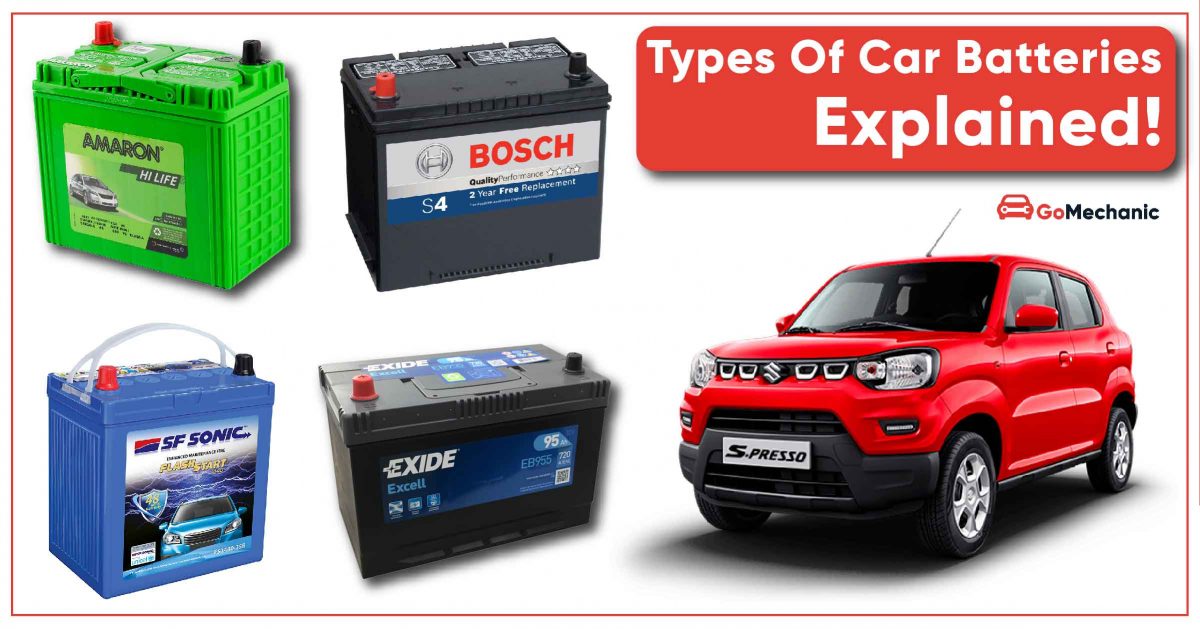
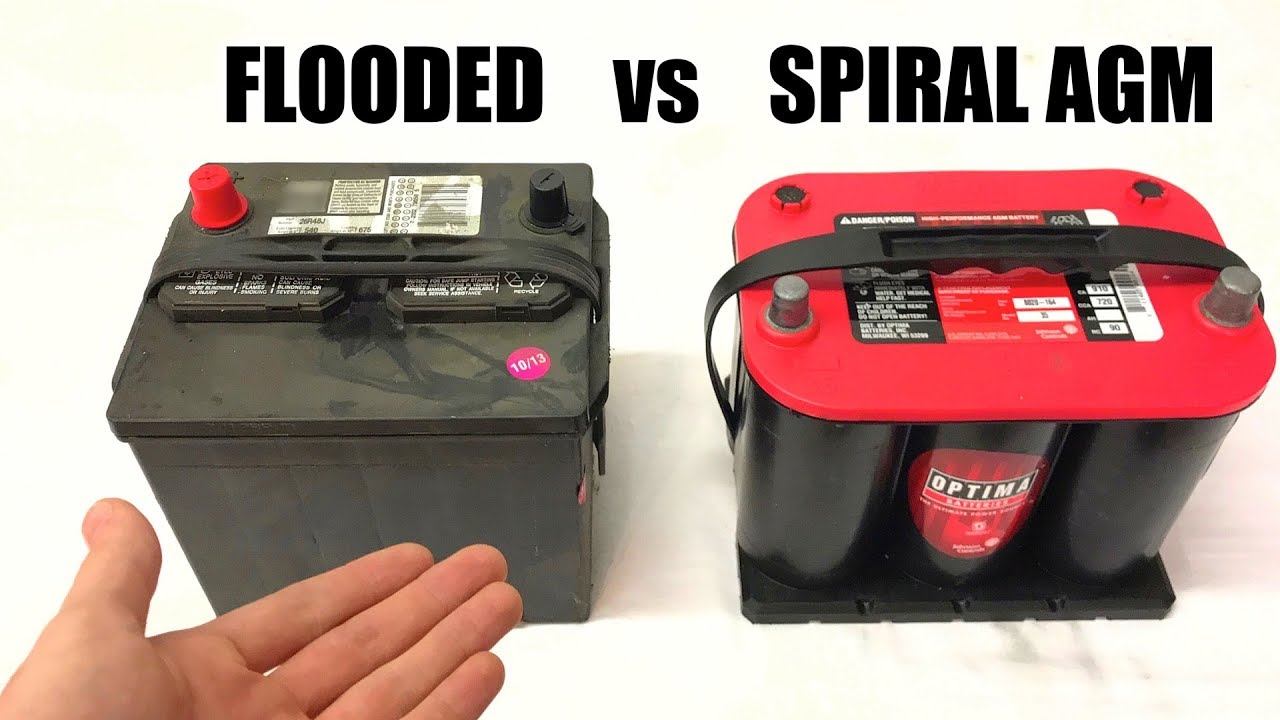
A flooded lead-acid battery is the traditional car battery found in many cars, trucks, and SUVs. It contains lead plates submerged in a liquid electrolyte. The electrolyte is a mixture of water and sulfuric acid.
This design is affordable and reliable. It can deliver the high cold-cranking amps needed to start an engine in cold weather. Many flooded batteries are now sealed or maintenance-free, so drivers do not need to add water during normal use.
Still, flooded lead-acid batteries have limits. They can lose water over time, especially in very hot climates or when the charging system is faulty. They also do not handle deep discharge as well as some newer battery designs.
A typical flooded battery may last about three to five years. Heat, short trips, vibration, poor charging, and long periods of inactivity can shorten that life.
What is an AGM car battery?
An AGM battery is an absorbed glass mat battery. It is still a lead-acid battery, but its electrolyte is held in thin glass fiber mats between the lead plates. This makes the battery resistant to spills and better suited to modern electrical demands.
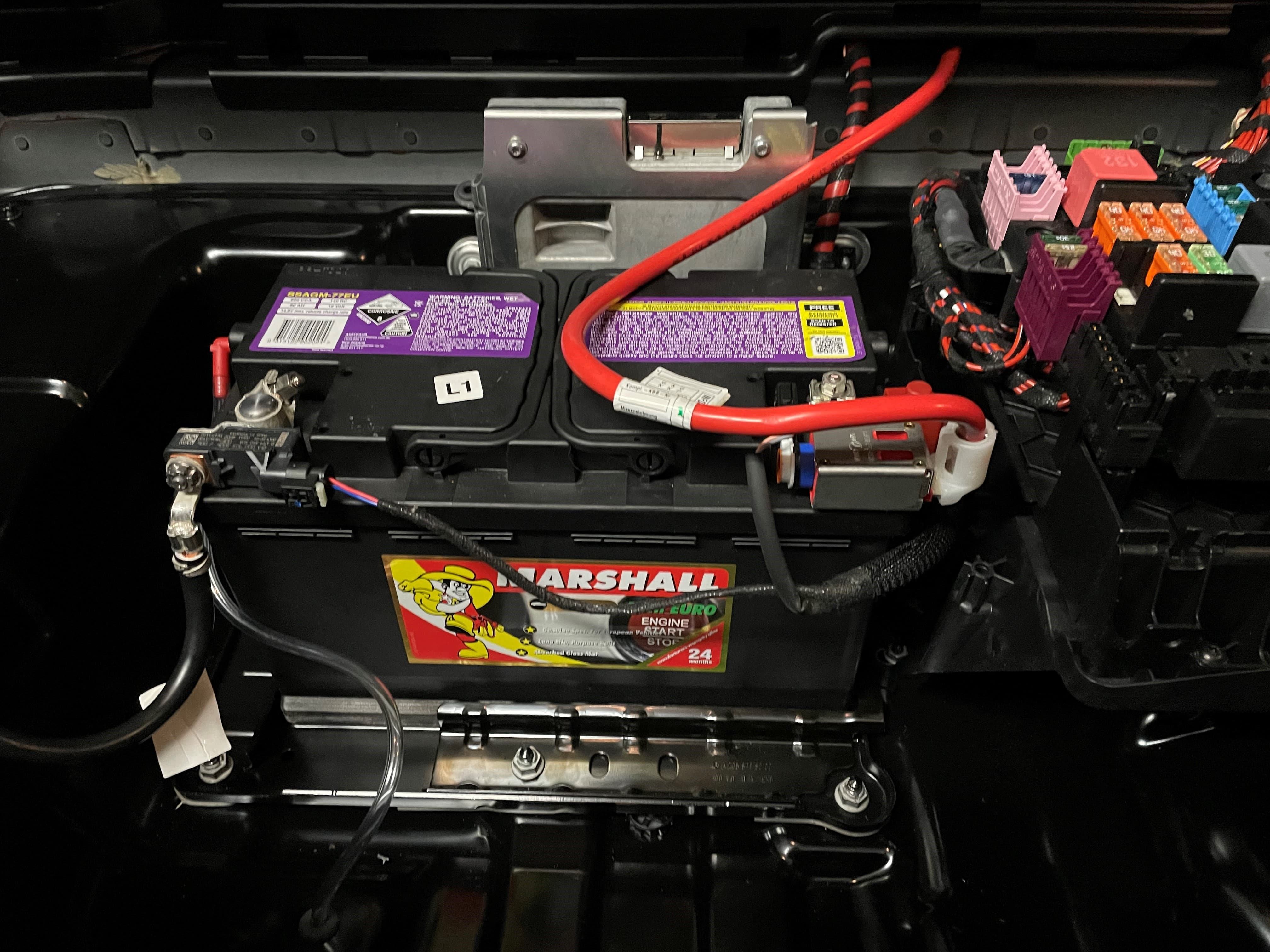
When people ask what type of battery is a car battery in a vehicle with start-stop technology, the answer is often AGM. These vehicles shut the engine off at traffic lights and restart it many times during a trip. That places more stress on the battery than a standard vehicle experiences.
AGM batteries offer several benefits:
• Strong starting performance
• Better resistance to vibration
• Faster recharge than many flooded batteries
• Improved performance during repeated engine starts
• Good support for high electrical loads
• A lower risk of acid leakage
AGM batteries often cost more than flooded batteries. They also need the correct charging voltage. Installing the wrong battery can cause poor performance or early failure, especially in vehicles with battery monitoring systems.

What is an EFB battery?
An EFB, or enhanced flooded battery, is an improved version of the standard flooded battery. It uses stronger internal plates and a design that supports more charge and discharge cycles.
EFB batteries are common in vehicles with basic start-stop systems. They offer better cycling ability than standard flooded batteries, but they usually cost less than AGM batteries.
An EFB battery may be a good fit when:
• The vehicle came with an EFB battery
• The car uses basic start-stop technology
• The electrical load is moderate
• The owner wants a balance between cost and performance
You should not automatically replace an EFB battery with a standard flooded battery. The standard battery may not handle repeated starts well. Always check the vehicle manufacturer’s battery specification before buying a replacement.
How a car battery works
A car battery has six cells. Each cell produces about 2.1 volts when fully charged. Together, the cells provide about 12.6 volts at rest.
Inside each cell are positive plates, negative plates, separators, and electrolyte. When the battery supplies power, a chemical reaction creates an electrical flow. When the alternator sends power back, the reaction reverses and recharges the battery.
Think of the battery as a short-distance sprinter. It gives a powerful burst to crank the engine, but it is not meant to provide energy for hours. The alternator acts more like a support system. It powers the car while the engine runs and restores energy used during starting.
A healthy, fully charged battery often measures close to 12.6 volts with the engine off. With the engine running, voltage commonly rises to about 13.7 to 14.7 volts, though the correct range depends on the vehicle.
Starting battery versus deep-cycle battery
The answer to what type of battery is a car battery depends partly on its purpose. A normal car uses a starting battery, not a deep-cycle battery.
Starting batteries have many thin plates. These plates create a large surface area, which allows the battery to deliver high current for a few seconds. This is ideal for starting an engine.
Deep-cycle batteries have thicker plates. They are built to provide steady power for a longer time. They are common in boats, RVs, golf carts, solar systems, and some electric vehicles.
A deep-cycle battery may survive repeated discharge better than a starting battery. However, it may not deliver the same short burst of current needed by a traditional gasoline engine. Using the wrong battery can lead to poor starting and early damage.
Some vehicles use dual-purpose batteries. These combine starting ability with limited deep-cycle performance, but they still must match the vehicle’s design.

Lithium car batteries and electric vehicles
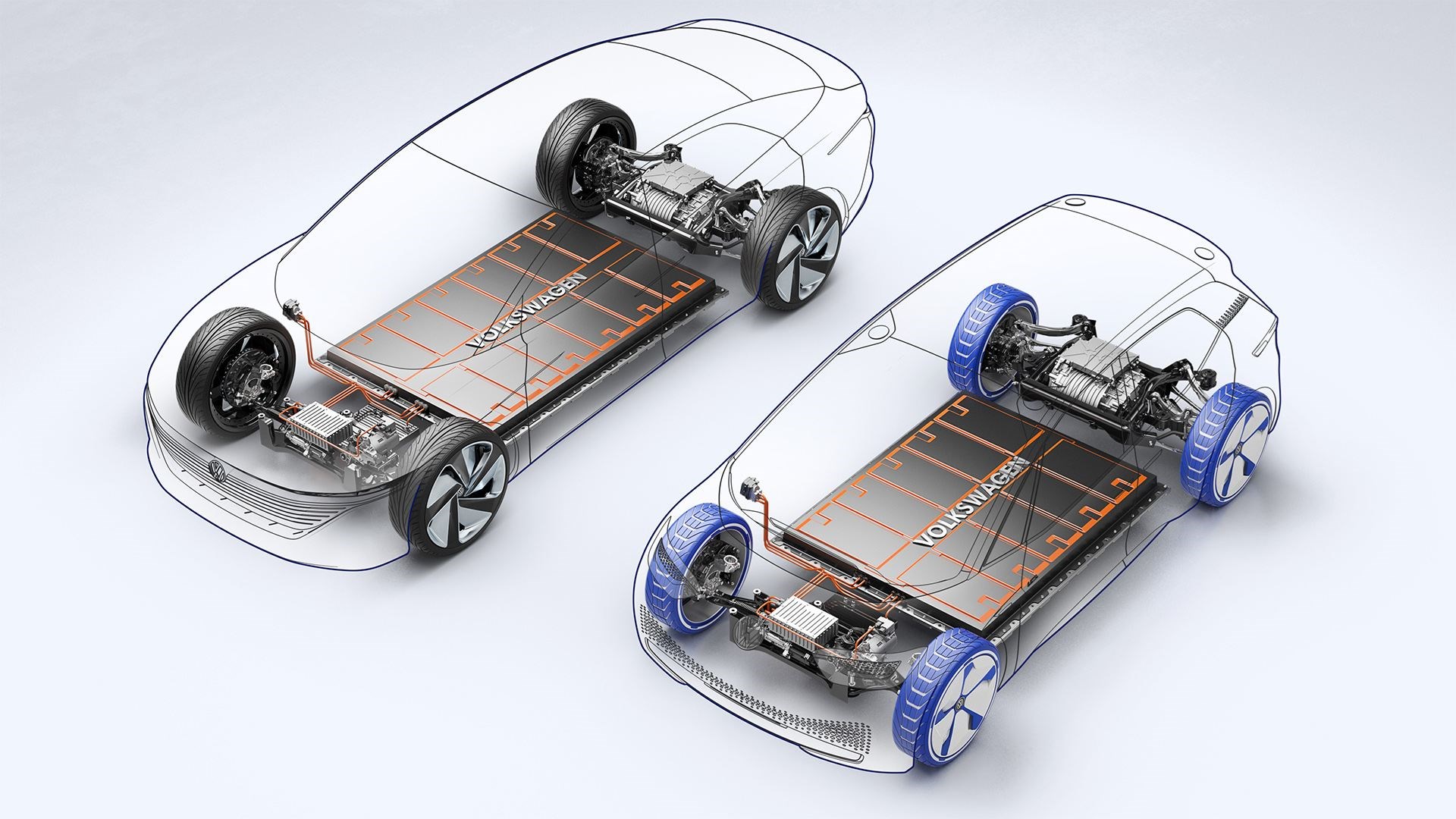
Not every car battery is a lead-acid battery. Many electric vehicles use lithium-ion battery packs to power the traction motor. These large packs often operate at several hundred volts and are very different from the small 12-volt battery in a gas-powered car.
Electric vehicles may still have a separate 12-volt battery. This smaller battery powers computers, lights, locks, screens, and safety systems. In some newer electric vehicles, a lithium-based low-voltage battery replaces the traditional lead-acid unit.
Lithium batteries have several strengths:
• Lower weight
• High energy density
• Strong performance in some applications
• Long cycle life when managed correctly
They also have limitations. They need special battery management systems, careful temperature control, and compatible charging equipment. A lithium battery should never be installed as a casual replacement for a lead-acid battery unless the vehicle maker approves it.
How to choose the right car battery
Knowing what type of battery is a car battery helps, but the battery must also match the vehicle. A battery can fit physically and still be electrically wrong.
Check these details before buying:
-
Battery group size: This identifies the battery’s dimensions, terminal position, and case design.
-
Cold-cranking amps: CCA shows how much starting power the battery can provide in cold conditions.
-
Reserve capacity: RC indicates how long the battery can support electrical loads if the charging system stops working.
-
Battery technology: The vehicle may require flooded, EFB, AGM, or another approved type.
-
Terminal layout: Positive and negative terminals must be in the correct positions.
-
Manufacturer requirements: Some vehicles need battery registration or computer programming after replacement.
Your owner’s manual is the best starting point. The label on the old battery can also help, but it may not show every requirement. A parts catalog or trusted battery professional can confirm the correct choice.
In my experience, one of the most common battery mistakes is choosing by size alone. A battery may slide into the tray but still have the wrong CCA, terminal layout, or charging needs.
Signs that a car battery is failing
A weak battery often gives warning signs before it stops working. Watch for changes in starting speed and electrical performance.
Common signs include:
• Slow engine cranking
• A clicking sound when starting
• Dim headlights
• Flickering dashboard lights
• Electrical accessories that reset
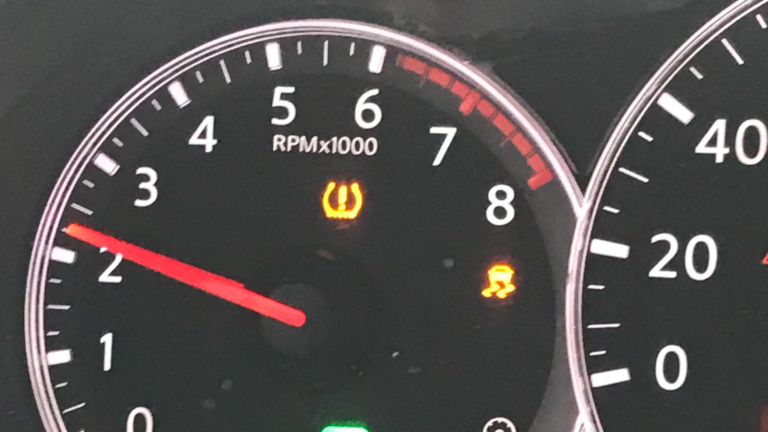
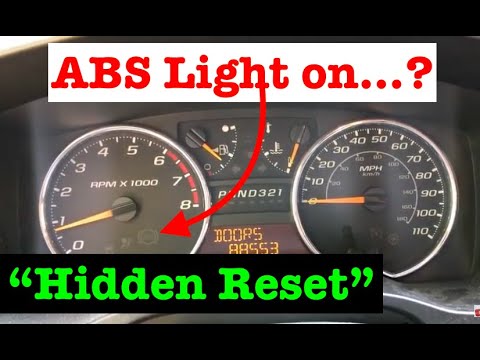
• A battery warning light
• Corrosion around the terminals
• A swollen or cracked battery case
• The need for frequent jump-starts
A battery can also fail without much warning. Internal damage, extreme heat, or a broken plate may cause a sudden loss of power. This is why battery testing is useful before long trips or severe winter weather.
A voltage test alone does not always show the full picture. A battery may show normal voltage but fail under load. A proper load test or conductance test gives a better view of its starting ability.
What affects car battery life?
Most car batteries last several years, but no exact lifespan applies to every vehicle. Climate is one of the biggest factors.
High heat speeds up chemical activity and can cause water loss inside a flooded battery. Cold weather does not usually cause the original damage, but it makes a weak battery harder to use. Oil also becomes thicker in cold weather, so the starter needs more power.
Other factors include:
• Frequent short trips
• Leaving lights or accessories on
• Loose or dirty battery terminals
• A weak alternator
• Parasitic electrical drain
• Heavy vibration
• Long periods without driving
• Incorrect battery charging
Short trips are especially hard on a battery. Starting the engine uses a lot of energy, but a short drive may not give the alternator enough time to replace it.
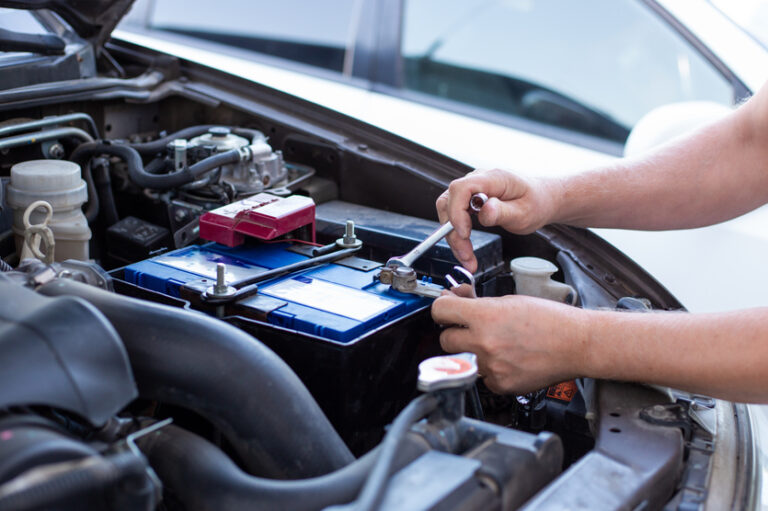
A useful habit is to inspect the battery during routine service. Look for swelling, leaks, loose connections, and heavy corrosion. Do not touch damaged batteries without proper protection.
Car battery safety and maintenance
Lead-acid batteries contain corrosive acid and can release flammable hydrogen gas while charging. Treat them with care.
Follow these safety tips:
• Turn off the engine before removing battery cables.
• Wear eye protection and gloves.
• Keep sparks, cigarettes, and open flames away.
• Remove the negative cable first when disconnecting a standard battery.
• Connect the positive cable first when installing it.
• Keep the battery firmly secured.
• Do not charge a frozen, cracked, or leaking battery.
• Recycle the old battery through a retailer or approved recycling center.
Battery corrosion can often be cleaned with a suitable terminal brush and a safe cleaning method. Always follow the battery and vehicle instructions. Do not pour random chemicals onto the battery, and never ignore a cracked case.
Most modern batteries are maintenance-free, but that does not mean they need no care. The terminals should remain tight, the case should stay clean, and the charging system should work correctly.
Frequently Asked Questions About What Type of Battery Is a Car Battery
Is a car battery AC or DC?
A car battery supplies direct current, or DC electricity. The battery sends DC power to the starter, lights, computers, and other vehicle systems.
Is a car battery rechargeable?
Yes. A standard car battery is rechargeable. The alternator restores much of the energy used during engine starting while the vehicle is running.
Is every car battery 12 volts?
Most cars, trucks, and SUVs use a nominal 12-volt battery. A fully charged battery often measures about 12.6 volts when the engine is off, while some electric vehicles use much larger high-voltage battery packs for propulsion.
What type of battery is a car battery in a start-stop vehicle?
Many start-stop vehicles use an AGM or EFB battery. The correct type depends on the vehicle design, so check the owner’s manual before replacing it.
How long does a car battery usually last?
A car battery often lasts about three to five years, but climate, driving habits, vibration, and charging system health can change that range. Regular testing can help find a weak battery before it fails.
Can I replace an AGM battery with a regular battery?
Usually, this is not recommended. A vehicle designed for AGM may need its cycling ability, charging profile, and battery monitoring system to work together.
What type of battery is a car battery for an electric vehicle?
An electric vehicle usually has a large lithium-ion battery pack for motor power. It may also have a smaller 12-volt battery for accessories and control systems.
Conclusion
The answer to what type of battery is a car battery is usually a 12-volt rechargeable lead-acid starting battery. Common versions include flooded, EFB, and AGM batteries, while electric vehicles use large lithium-ion packs for propulsion. Each type has different strengths, limits, charging needs, and replacement costs.
Before buying a replacement, check the group size, CCA rating, battery technology, terminal layout, and vehicle requirements. Test the battery and charging system if starting problems appear. With the right information, you can choose a safe, reliable battery and avoid an inconvenient breakdown. Share this guide with another driver or explore your owner’s manual before your next battery purchase.