The best car vacuum wet dry combines strong suction, easy handling, and safe cleanup for dust, spills, and messes.
A clean car feels better, but crumbs hide under seats, sand sticks to carpets, and drink spills can turn into a sticky mess. A regular hand vacuum may handle dry dirt, yet it cannot safely pick up small wet spills. I tested the key features that matter most, including tank size, hose reach, tool choice, filter care, noise, and storage. This guide compares eight useful wet dry vacuums so you can choose the best car vacuum wet dry for your car, truck, garage, or home.
CRAFTSMAN 2.5-Gallon Wet Dry Vacuum

The CRAFTSMAN CMXEVBE17250 is a compact wet dry shop vacuum with a 2.5-gallon tank and 2.5 peak horsepower motor. Its small body fits well in a garage corner, trunk, or workshop shelf. I like this size for car care because it offers more power than many handheld cleaners without feeling like a full-size shop machine. The tank is large enough for routine car cleaning and small home jobs.
This vacuum works well for dry crumbs, pet hair, leaves, and small liquid spills. Its flexible hose makes it easier to reach footwells and the space beneath front seats. The unit is corded, so you need access to an outlet, but the steady power is useful during longer cleaning sessions. For many drivers, it gives a strong balance of price, power, and storage size.
Pros:
- Compact 2.5-gallon tank fits small storage spaces
- Strong suction for carpets, mats, and seat gaps
- Handles both dry dirt and small wet spills
- Useful size for cars, trucks, and home projects
- Simple design is easy to carry and set up
- Steady corded power does not depend on battery charge
Cons:
- Requires a nearby electrical outlet
- Not as easy to store in a small car trunk as a handheld vacuum
- May need extra passes over deeply packed pet hair
My Recommendation
I recommend this model for drivers who want a practical all-purpose cleaner without buying a large shop vacuum. It is especially useful for family cars, weekend detail work, and garage cleanup. The compact tank gives it an advantage over bulky units, while the wet dry design adds peace of mind when a drink tips over. In my view, it is a strong candidate for the best car vacuum wet dry when value and storage matter.
| Best for | Why |
|---|---|
| Small garages | Compact body and useful tank size |
| Routine car cleaning | Strong suction for mats, seats, and footwells |
| Mixed dry and wet messes | Supports regular debris and small spills |
Vacmaster Beast Series 5-Gallon Wet Dry Vac

The Vacmaster Professional Beast Series VFB511H is built for users who want serious suction. It has a 5-gallon tank and a powerful 5.5 peak horsepower motor. This is more vacuum than most people need for a quick crumb cleanup, but it becomes useful for trucks, SUVs, work vans, and frequent detailing. Its larger capacity also means fewer stops to empty the tank.
I see this model as a garage-first vacuum that can still serve your vehicle well. It is suited to heavy sand, sawdust, wet floor mats, and large piles of debris. The bigger body takes more room, and its weight is higher than compact car vacuums. Still, the strong motor and generous tank make it a smart pick for demanding cleaning jobs.
Pros:
- High suction power for deep car carpet and floor mats
- Large 5-gallon tank reduces emptying during big jobs
- Useful for trucks, SUVs, vans, and garages
- Handles heavy dry debris and wet cleanup
- Good choice for frequent professional-style detailing
- Stable design works well on garage floors
Cons:
- Larger and heavier than a typical car vacuum
- Takes more storage space
- May be excessive for quick daily cleaning
My Recommendation
This Vacmaster is best for detailers, contractors, large families, and anyone who cleans several vehicles each week. Its power helps remove stubborn dirt that small cordless units often leave behind. I would choose it for a garage where capacity and suction matter more than portability. If you want the best car vacuum wet dry for heavy use, this model deserves a close look.
| Best for | Why |
|---|---|
| Professional detailing | Strong motor supports repeated deep cleaning |
| Large vehicles | Longer cleaning sessions need a bigger tank |
| Garage projects | Handles dust, debris, and liquid messes |
Armor All AA255W 2.5-Gallon Wet Dry Vac
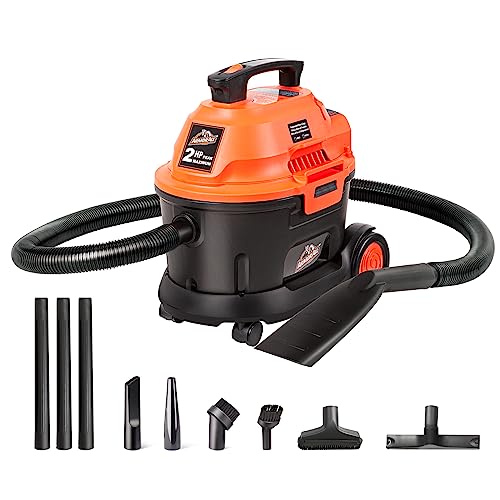
The Armor All AA255W is a popular compact wet dry vacuum for car owners. Its 2.5-gallon tank gives it enough room for normal interior cleaning, while the small footprint keeps storage simple. The orange and black body is easy to spot in a busy garage. It is designed for more than crumbs, since it can also help with liquid spills and general workshop debris.
This vacuum is a good fit for drivers who want one machine for car care and small home tasks. I find the size useful when moving from a garage to a driveway or basement. It may not match a larger professional unit for deep, packed dirt, but it offers practical power for everyday messes. The wet dry function is especially useful after muddy shoes, rainy days, or spilled drinks.
Pros:
- Compact body is easy to carry around a vehicle
- 2.5-gallon tank suits regular car cleaning
- Wet dry operation adds useful flexibility
- Good choice for garages, trunks, and workshops
- Simple controls make it easy for new users
- Useful for dry dirt, sand, and small liquid spills
Cons:
- Corded design limits use away from outlets
- Tank size may feel small for several large vehicles
- Can be louder than a small cordless hand vacuum
My Recommendation
I recommend the Armor All AA255W for most casual car owners who want a reliable, affordable wet dry cleaner. It is a nice middle ground between a handheld vacuum and a large shop unit. Use it for weekly crumbs, pet hair, floor mats, and occasional spills. For many households, it can be the best car vacuum wet dry because it is simple, flexible, and easy to store.
| Best for | Why |
|---|---|
| Everyday car care | Good balance of size, power, and capacity |
| First-time buyers | Simple design is easy to use |
| Small workshops | Handles light garage and home cleanup |
Koblenz WD-2L Compact Wet Dry Vacuum
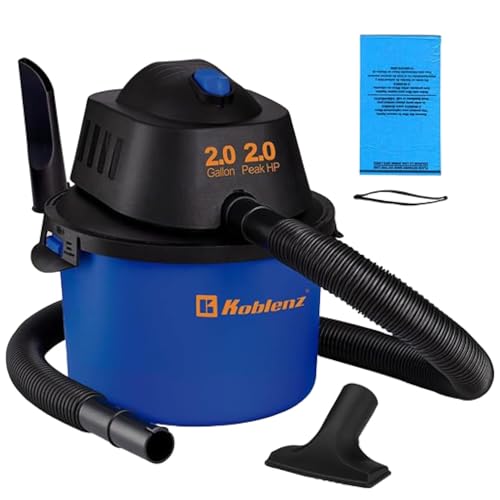
The Koblenz WD-2L is a small wet dry vacuum made for tight spaces. Its compact design is helpful when a large shop vacuum would be hard to lift or store. The 2.0 peak horsepower motor gives it useful cleaning force for seats, mats, and footwells. It can also serve in a home, garage, or workshop.
I would consider this vacuum when portability matters more than maximum capacity. It is easy to bring close to the vehicle instead of pulling a large machine across the driveway. The smaller tank means you may empty it more often during a major cleaning job. For quick care and light spills, however, its size can feel like a real advantage.
Pros:
- Very compact for easy storage
- Light design is convenient for car interiors
- Handles dry debris and small wet messes
- Useful for tight garages and apartments
- Good fit for quick spot cleaning
- Can serve both vehicle and household needs
Cons:
- Smaller tank needs more frequent emptying
- Less suited to several large vehicles at once
- May need slow passes on thick carpet
My Recommendation
The Koblenz WD-2L suits apartment owners, small-car drivers, and people with limited storage. I like it for quick cleanups because it does not feel like a chore to bring out. It is not the strongest choice for heavy construction dust or deep pet hair, but it covers normal car messes well. If compact size is your main goal, this may be the best car vacuum wet dry for your space.
| Best for | Why |
|---|---|
| Small apartments | Compact body needs little storage room |
| Quick spot cleaning | Easy to carry and set up |
| Small cars | Enough capacity for routine interior work |
Stanley 6-Gallon Wet Dry Vacuum

The Stanley SL18116P offers a large 6-gallon tank and a 4-horsepower motor. That combination gives it a useful edge when you need to clean more than one car or handle a messy garage. The large canister holds plenty of dirt and liquid before it needs attention. Its black body also has a sturdy shop-vac look that fits demanding work.
This model makes sense for homeowners who want one vacuum for cars, basements, workshops, and repairs. It has enough capacity for wet floor mats and larger piles of dry debris. The tradeoff is size, since it takes more room than a compact car vacuum. I would keep it in a garage and use an extension hose or suitable accessories when reaching around a larger vehicle.
Pros:
- Large 6-gallon tank supports long cleaning sessions
- Strong motor handles heavy dry debris
- Useful for cars, garages, basements, and workshops
- Good capacity for wet mats and small liquid floods
- Stable design is suited to shop use
- Reduces the need to stop and empty the tank
Cons:
- Bulky for small homes or apartments
- Not ideal for carrying inside a vehicle
- May require extra attachments for full interior reach
My Recommendation
I recommend the Stanley for homeowners who want a strong, high-capacity machine rather than a dedicated handheld car cleaner. It is especially useful if your vehicle shares cleaning duty with a garage or workshop. The large tank saves time during serious jobs, while the wet dry function handles more than everyday dust. For heavy-duty users, it is a solid best car vacuum wet dry contender.
| Best for | Why |
|---|---|
| Large garages | High capacity supports bigger cleanup tasks |
| Multiple vehicles | Less frequent emptying saves time |
| Workshop owners | Handles dust, chips, dirt, and wet debris |
CRAFTSMAN 16-Gallon Heavy-Duty Wet Dry Vac

The CRAFTSMAN CMXEVBE17595 is the largest machine in this comparison. It has a 16-gallon tank and a 6.5 peak horsepower motor, so it is made for serious cleanup rather than a few crumbs. This vacuum can support garage work, renovation debris, water pickup, and large vehicle jobs. Its capacity is far beyond what most drivers need for weekly interior care.
Still, large families, detail shops, and tradespeople may appreciate the extra room. You can clean several vehicles or deal with a major spill without stopping to empty the tank. The large body needs a permanent storage spot and may be awkward around tight car doors. I would choose it only when heavy use justifies its size and cost.
Pros:
- Very large tank handles extended cleanup sessions
- High motor rating suits demanding garage work
- Useful for large vehicles and commercial tasks
- Can manage large amounts of wet and dry debris
- Good choice for renovation and workshop cleanup
- Reduces interruptions during major jobs
Cons:
- Too large for many casual car owners
- Needs substantial storage space
- Less convenient inside a small vehicle
My Recommendation
This CRAFTSMAN is best for contractors, repair shops, large households, and serious detailers. It offers outstanding capacity, but I would not buy it only for light car cleaning. Choose it when you also need a powerful garage vacuum for water, sawdust, and renovation waste. For heavy-duty needs, it can be the best car vacuum wet dry, but its large size demands a clear storage plan.
| Best for | Why |
|---|---|
| Contractors | Large tank supports work-site cleanup |
| Detail shops | Handles repeated vehicle cleaning |
| Major wet messes | High capacity reduces emptying stops |
Vacmaster 5-Gallon Stainless Steel Wet Dry Vac

The Vacmaster VOC508S combines a 5-gallon capacity with a stainless steel tank. Its 4 peak horsepower motor gives it enough force for vehicle interiors, garages, and general shop work. The steel canister is easy to wipe clean after wet pickup, which is useful when a mess is more than simple dust. The red finish also gives the unit a clear, professional look.
This vacuum is a good choice for users who want a durable machine with more room than a compact model. It works well for muddy mats, sand, leaves, and workshop debris. The larger tank adds weight, so it is better stored near the cleaning area than carried long distances. I like it for people who value a tough container and broad household use.
Pros:
- Stainless steel tank is easy to clean
- 5-gallon capacity supports longer jobs
- Strong suction works on car mats and garage floors
- Useful for wet pickup and dry debris
- Durable design suits regular workshop use
- Good crossover choice for car and home cleaning
Cons:
- Heavier than plastic compact models
- Needs more storage room than a small car vacuum
- Not the easiest unit to carry around a vehicle
My Recommendation
I recommend the Vacmaster stainless steel model for garage owners who want durability and capacity in one machine. It is especially helpful if you often clean muddy gear, wet mats, or workshop dirt. The steel tank gives it a sturdy feel and makes wet cleanup less worrying. It is a good best car vacuum wet dry option for users who want one dependable machine for many jobs.
| Best for | Why |
|---|---|
| Durable garage use | Stainless tank handles regular work |
| Muddy vehicles | Wet pickup helps with dirty floor mats |
| Home and car use | Capacity supports more than interior cleaning |
Armor All AA155 1.5-Gallon Portable Wet Dry Vac

The Armor All AA155 is the most portable option in this group. Its 1.5-gallon tank keeps the body small and easy to move around a car. The 2 peak horsepower motor is suited to crumbs, dust, sand, and light wet pickup. This size works well for drivers who do not have room for a full shop vacuum.
I see it as a convenient maintenance tool rather than a heavy-duty cleaner. It is quick to bring out for a child’s snack crumbs or dirt on a floor mat. The small tank may fill faster, especially when cleaning a large SUV or a vehicle with heavy pet hair. Even so, its portability can save time because the vacuum is easy to carry and place close to the mess.
Pros:
- Small 1.5-gallon body is easy to carry
- Fits better in tight storage areas
- Useful for quick car interior cleanups
- Handles dry debris and small wet spills
- Good for compact cars and occasional use
- Simple design encourages regular cleaning
Cons:
- Small tank fills faster during large jobs
- Less suitable for heavy workshop debris
- May require several emptying stops for an SUV
My Recommendation
The Armor All AA155 is best for compact-car owners, apartment residents, and anyone who wants easy handling. It is a smart choice for frequent light cleaning rather than major garage projects. I would pick it when storage and portability matter more than tank capacity. For simple daily upkeep, it may be the best car vacuum wet dry for small spaces.
| Best for | Why |
|---|---|
| Compact cars | Small tank matches light interior messes |
| Apartments | Easy storage in limited space |
| Quick cleanups | Light body is fast to move and use |
How to Choose the Best Car Vacuum Wet Dry
Buying a wet dry vacuum for your vehicle is not only about the highest horsepower number. A good choice should match your car, storage space, cleaning habits, and access to power. I look at several details before recommending a model. These details help separate a useful car vacuum from a machine that stays in the corner.
Choose the Right Tank Size
A 1.5- to 2.5-gallon tank works well for normal car cleaning. It keeps the vacuum smaller and easier to move. A 5- or 6-gallon tank makes more sense for SUVs, trucks, multiple vehicles, or garage work. A 16-gallon model is best for very large jobs, not simple weekly crumbs.
Remember that a large tank does not always mean better interior cleaning. It adds weight and takes more storage space. I prefer a compact tank for a driver who cleans one car at a time. Capacity matters most when you often pick up wet dirt or large amounts of debris.
Understand Peak Horsepower
Peak horsepower can help compare shop vacuums, but it is not the only measure of real cleaning power. Hose design, airflow, sealed suction, filter condition, and nozzle shape also affect results. A smaller vacuum with a good tool can clean a car better than a large unit with a poor attachment.
For crumbs, sand, and light pet hair, a compact model can work well. For packed floor mats, sawdust, or repeated heavy use, a stronger shop vacuum offers more reserve power. I suggest choosing balanced performance instead of chasing the biggest number on the box.
Check Wet Pickup Rules
Always read the manual before picking up liquid. Many wet dry vacuums require the paper filter to be removed for wet pickup. Some models use a foam filter or a float system to protect the motor. Never assume that every filter setup works for both dry and wet debris.
Empty the tank after wet use and let the parts dry. Standing water can create odor and may damage parts over time. Do not use a shop vacuum to pick up fuel, hot ash, or other dangerous liquids unless the manual clearly permits it. Safety guidance from consumer and workplace authorities consistently stresses using the right tool for the material.
Look at Hose Reach and Attachments
A car has many awkward spaces. You need to reach under seats, between cushions, around pedals, and into narrow door pockets. A flexible hose and a crevice tool often matter more than a large tank. A wide floor nozzle helps with mats, while a small brush can loosen dust from vents and fabric.
Before buying, check what tools come in the box. Replacement hoses and specialty tools can add cost later. I also like a vacuum with onboard storage because loose attachments disappear quickly in a busy garage.
Consider Cord Length and Power Access
Most shop-style wet dry vacuums use a wall outlet. This gives steady suction, but you need a safe extension cord or a nearby outlet. A short cord can make a vehicle feel much larger because you must keep moving the vacuum. Check the cord length and use an extension cord rated for the machine.
Do not connect a powerful shop vacuum to an unsafe or damaged cord. Keep the cord away from water, tires, and moving tools. If you need to clean far from a building, a battery model may be easier, but many battery vacuums do not offer the same long-session power or wet pickup capacity.
Think About Filters and Maintenance
A dirty filter can reduce airflow and make a strong vacuum feel weak. Clean or replace filters as the manual instructs. Fine dust may need a suitable cartridge filter, while wet pickup may need a foam filter. The right filter protects the motor and helps keep expelled air cleaner.
After each job, empty the tank and check the hose for clogs. Hair and thread can wrap around tools. A few minutes of care helps the vacuum work better and last longer. This simple habit is one reason a modest machine can outperform a neglected expensive one.
Noise and User Comfort
Wet dry shop vacuums are often louder than household canister vacuums. Ear protection is wise during long cleaning sessions, especially in a small garage. Keep children and pets away while the motor runs. A lighter unit may be more comfortable if you clean often or have trouble lifting heavy equipment.
Wheels, a carrying handle, and a stable base also matter. A vacuum that tips over can spill collected water and create a new mess. I prefer a model that rolls smoothly and stays upright when the hose pulls against it.
How I Use a Wet Dry Vacuum on a Car
I start by removing floor mats and loose items. Then I open the doors and work from the top down. I use a brush tool on vents and seams before vacuuming the floor. This keeps loosened dust from falling onto an area I already cleaned.
Next, I use the crevice tool around seat rails, door pockets, and the gap beside the center console. I move the seats forward and back to expose hidden dirt. For fabric seats, I use slow passes and avoid pressing too hard. Slow movement gives the suction more time to lift sand and crumbs.
For floor mats, I shake out loose dirt first. I vacuum both sides and pay attention to the edges. If a mat is wet, I use wet pickup only when the vacuum is set up for that task. I never mix a full dry filter setup with liquid pickup without checking the instructions.
After cleaning, I empty the tank outdoors or in a suitable drain area. I rinse washable parts when allowed, then let them dry fully. I store the hose loosely so it does not develop a sharp bend. These steps keep the best car vacuum wet dry ready for the next trip.
Common Mistakes to Avoid
One common mistake is buying the largest vacuum for a small cleaning job. A huge unit can work well, but it may become a burden to move. Another mistake is judging performance by peak horsepower alone. Real results depend on airflow, tools, filters, and how well you use the nozzle.
Some users also leave liquid inside the tank. This can cause bad smells and dirty residue. Others forget to clean the filter, which slowly blocks airflow. I also advise against using a household vacuum for water unless it is clearly rated for wet pickup.
Do not vacuum hot ash, gasoline, solvents, or unknown chemicals. A wet dry label does not mean a vacuum is safe for every liquid. Read the safety section before using the machine in a new way. A few seconds of care can protect both you and the vacuum.
FAQs Of best car vacuum wet dry
Can I use a wet dry vacuum inside my car?
Yes. A wet dry vacuum can clean car carpets, seats, mats, and storage areas. Use the correct filter and setup for either dry debris or liquid.
What size wet dry vacuum is best for a car?
A 1.5- to 2.5-gallon model suits most cars. Choose 5 gallons or more if you clean trucks, SUVs, several vehicles, or a garage.
Is higher horsepower always better?
No. Horsepower helps, but airflow, hose design, filters, and tools also affect suction. A balanced compact vacuum can work very well for car interiors.
Can a wet dry vacuum pick up spilled drinks?
Usually, yes, if the vacuum is rated for wet pickup and set up correctly. Check the manual, remove or change the dry filter when required, and empty the tank after use.
How often should I clean the vacuum filter?
Check the filter after each large job and clean it when airflow drops. Replace damaged or worn filters as directed by the manufacturer.
Final Verdict: Which Should You Buy?
For most drivers, the CRAFTSMAN 2.5-gallon model offers the best balance of power, size, and value. Choose the Vacmaster Beast for heavy work, or the Armor All AA155 for tight storage. The best car vacuum wet dry is the one that fits your cleaning needs.
Use the right filter, empty the tank, and store the vacuum dry. With simple care, any pick here can keep your car cleaner, fresher, and ready for the next drive.