The best Bluetooth OBD2 scanners make car checks faster, clearer, and less costly for everyday drivers.
A check engine light can turn a normal drive into a stressful guessing game. You may not know if the issue is a loose gas cap, a bad sensor, or a serious engine fault. The best Bluetooth OBD2 scanners connect to your phone and show useful trouble-code data in minutes. I reviewed popular models for ease of use, phone support, code access, live data, extra systems, and value. This guide helps you choose a scanner that fits your car, skill level, and budget.
Veepeak OBDCheck BLE Bluetooth OBD2 Scanner

Veepeak OBDCheck BLE is a small Bluetooth OBD2 adapter for drivers who want simple code checks through a phone. It supports iOS and Android devices through compatible scan apps. The low-profile design usually stays out of the way below the dash. I like this format because you can keep the adapter in a glove box and use it only when needed.
This scanner is a strong fit for basic engine diagnostics, live data, and emissions checks, depending on the app you choose. It does not turn a phone into a full factory scan tool, and most phone apps provide different features. Still, its simple setup and broad app support make it one of the best Bluetooth OBD2 scanners for home users. It can help you understand a warning light before you visit a repair shop.
Pros:
- Works with many iOS and Android scan apps
- Compact design fits most OBD2 ports neatly
- Useful for reading and clearing engine codes
- Supports live vehicle data through a compatible app
- Simple choice for first-time scanner users
- Easy to store in a glove box or tool bag
Cons:
- App features vary by developer
- Usually focuses on standard OBD2 engine data
- May not access ABS, airbag, or body systems
My Recommendation
I recommend the Veepeak OBDCheck BLE to a driver who wants an affordable phone-based scanner without a large tool case. It suits routine checks, used-car inspections, and basic maintenance tracking. It is also a good match for people who already use a trusted diagnostic app. Among the best Bluetooth OBD2 scanners, this model offers a useful balance of size, price, and everyday function.
BlueDriver Bluetooth OBD2 Scanner
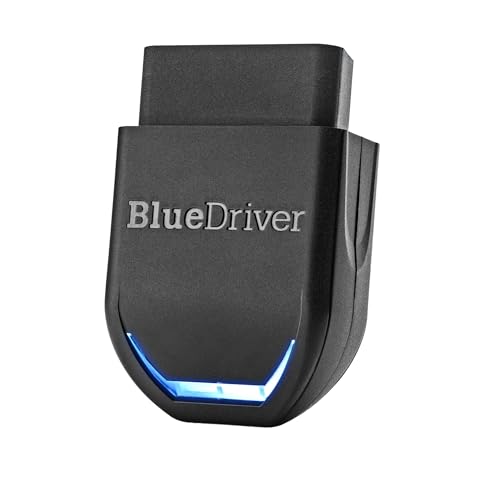
BlueDriver is designed for people who want more than a basic check engine code reader. It pairs with a mobile device and works with the BlueDriver app. The app presents trouble codes, repair reports, and vehicle data in a way that feels less technical than many generic scanner apps. This can make a major difference when you are standing in a driveway with a warning light on.
A key advantage is its ability to report selected enhanced data on supported vehicles, including systems such as ABS, SRS, and TPMS. Coverage depends on the vehicle make, model, year, and system, so I would check compatibility before buying. BlueDriver does not require a recurring subscription for its core app experience. For many owners, that makes it one of the best Bluetooth OBD2 scanners for guided diagnostics and broader system access.
Pros:
- Clear app reports for easier code understanding
- May scan enhanced systems on supported vehicles
- Can provide repair suggestions and common fixes
- No regular subscription needed for core use
- Helpful for drivers who dislike raw code lists
- Good choice for home troubleshooting
Cons:
- Enhanced coverage varies by vehicle
- Costs more than simple generic adapters
- Requires a compatible phone and app connection
My Recommendation
BlueDriver is best for owners who want guided information rather than a bare code number. I would choose it for a family vehicle with occasional ABS, airbag, or engine warnings, provided the vehicle is supported. It is also useful for a careful DIY owner who wants to research a problem before paying for diagnosis. If clear reports matter most, this is one of the best Bluetooth OBD2 scanners to consider.
BlueDriver Bluetooth OBD2 Code Reader

This BlueDriver scanner gives phone users a wireless way to inspect vehicle trouble codes. Its main strength is the companion app, which turns technical diagnostic information into a more readable report. You can use it for engine checks and, on supported vehicles, selected manufacturer-specific systems. The small adapter is convenient for occasional checks and road trips.
I especially like the no-subscription approach for owners who do not want another monthly bill. The scanner can help you decide whether a problem needs immediate attention or a scheduled repair. It cannot replace a mechanic, and its coverage is not identical across every car. Even so, it remains a practical member of the best Bluetooth OBD2 scanners group for users who value app guidance.
Pros:
- Wireless connection keeps the cabin uncluttered
- App makes diagnostic results easier to read
- May support ABS, SRS, and TPMS data on certain cars
- No ongoing subscription for normal core use
- Useful for checking a car before a long trip
- Good support for basic DIY diagnosis
Cons:
- Vehicle coverage must be checked in advance
- Not a full professional bidirectional scan tool
- Phone battery and wireless settings affect use
My Recommendation
I suggest this BlueDriver model for drivers who want a polished phone app and more useful context than a generic P-code list. It is a smart pick for a household with several vehicles, since the app can help organize different diagnostic events. Buyers should confirm support for their exact car before ordering. For clear mobile reports and broad consumer appeal, it ranks well among the best Bluetooth OBD2 scanners.
OBDLink MX+ Bluetooth OBD2 Scanner

The OBDLink MX+ is built for users who want a faster and more capable wireless diagnostic connection. It supports iPhone, Android, and Windows devices, which gives it more flexibility than many phone-only adapters. It also works with a range of compatible third-party apps. The sturdy housing and compact shape make it suitable for regular garage use.
OBDLink products are known for stable communication and broad protocol support, but app and vehicle functions still vary. Depending on the vehicle and software, users may view live data, read codes, monitor sensors, and access selected enhanced networks. This scanner is not the simplest option for someone who only wants one quick code check. For advanced enthusiasts, however, it is one of the best Bluetooth OBD2 scanners for speed and platform choice.
Pros:
- Supports iOS, Android, and Windows devices
- Fast wireless data transfer for live monitoring
- Works with many compatible diagnostic apps
- Useful for advanced data logging and vehicle research
- Compact case fits well in tight OBD2 locations
- Strong choice for frequent DIY use
Cons:
- Some features require separate third-party apps
- Advanced functions may feel complex to beginners
- Enhanced system access depends on the vehicle
My Recommendation
I recommend the OBDLink MX+ to technically minded owners, tuners, and DIY mechanics who want control over their app and data. It is a better fit for frequent use than for a driver who wants a simple guided report. Windows compatibility is a useful bonus for laptop-based work. If speed, stability, and broad device support are priorities, this is among the best Bluetooth OBD2 scanners available to home users.
Veepeak OBDCheck BLE+ Bluetooth Scanner

The Veepeak OBDCheck BLE+ offers a compact wireless design for iOS and Android drivers. It connects with compatible applications for engine code reading, live data, and basic vehicle checks. The adapter draws power from the OBD2 port, so there is no separate battery to charge. Its small body also reduces the chance of bumping it with a knee.
This model makes sense for someone who wants a low-cost tool but still prefers wireless phone access. As with any generic Bluetooth OBD2 adapter, the app controls much of the experience. Some apps focus on dashboards, while others focus on codes or fuel data. I consider it one of the best Bluetooth OBD2 scanners for simple personal use, especially when small size matters.
Pros:
- Small, low-profile design for everyday convenience
- Works with many compatible mobile apps
- Supports iOS and Android devices
- Useful for basic engine code checks
- Can display live sensor information through supported apps
- No internal battery charging is required
Cons:
- App quality differs from one app to another
- Usually does not replace a full-system shop scanner
- Some vehicles may limit available data
My Recommendation
I would choose the Veepeak BLE+ for a budget-focused driver who wants wireless access without extra hardware. It is useful for checking a warning light, watching basic engine data, or learning more about vehicle maintenance. It also makes a practical gift for a new driver who uses a smartphone often. In the value category, it is one of the best Bluetooth OBD2 scanners for basic home checks.
Bluetooth 5.4 OBD2 Scanner for iOS and Android
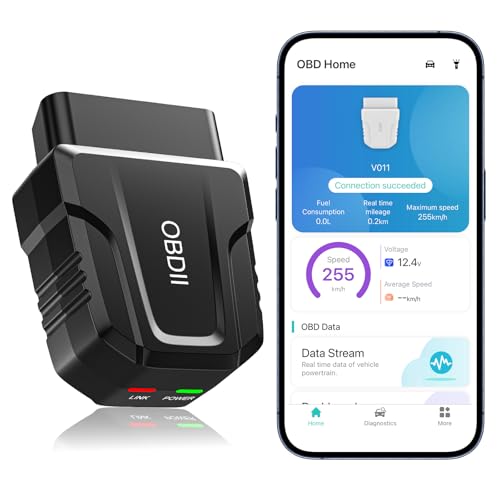
This compact scanner uses Bluetooth 5.4 and targets drivers who want a current wireless connection. It is made for iOS and Android devices and works through compatible diagnostic apps. A modern Bluetooth version can support quick pairing and efficient communication, although real-world performance also depends on the phone, app, and vehicle. The design suits occasional checks without taking much room.
It is best viewed as a basic OBD2 reader rather than a complete dealership tool. You may use it to inspect engine codes, clear certain codes after repairs, and watch standard live data when the selected app supports those tasks. Always repair the cause before clearing a warning light. For shoppers seeking a modern low-cost option, this is one of the best Bluetooth OBD2 scanners to compare.
Pros:
- Uses a current Bluetooth 5.4 connection
- Compatible with iOS and Android devices
- Small size makes storage and installation easy
- Helpful for standard engine diagnostics
- Can work with different apps and dashboard tools
- Good option for first-time smartphone users
Cons:
- App compatibility needs careful checking
- Advanced vehicle systems may not be available
- Bluetooth speed alone does not guarantee better diagnosis
My Recommendation
This scanner is best for a budget buyer who wants a newer Bluetooth standard and basic phone diagnostics. I would use it for routine code checks, simple live data, and learning how a vehicle communicates. It is not my first choice for professional repair work or deep module access. Still, it belongs on a best Bluetooth OBD2 scanners shortlist for affordable everyday use.
ANCEL AD310 Wired OBD2 Code Reader

The ANCEL AD310 is different from the other products here because it is a wired handheld scanner, not a Bluetooth adapter. It has a built-in display and does not need a phone, app, or wireless pairing. That direct approach can be refreshing when you need a quick code check beside the road. It supports standard OBD2 vehicles, including many cars from 1996 and newer in the United States.
The tool can read and clear engine fault codes, show basic information, and help with emissions readiness checks on supported vehicles. Its simple buttons are easy to understand, even for a first-time user. It does not provide the wireless convenience or broad app features of the best Bluetooth OBD2 scanners. However, it is a dependable alternative for anyone who prefers a dedicated screen.
Pros:
- No phone, app, battery, or Bluetooth setup is needed
- Built-in screen provides direct code access
- Simple controls suit beginners
- Useful for standard engine fault codes
- Works from vehicle power through the OBD2 port
- Helpful backup tool for roadside checks
Cons:
- It is not a Bluetooth scanner
- Usually focuses on standard engine diagnostics
- Does not offer smartphone dashboards or wireless logging
My Recommendation
I recommend the ANCEL AD310 to drivers who want the least complicated way to read a code. It is especially useful for older vehicles, family tool kits, and people who do not want to depend on a phone. If wireless access is essential, choose another model in this guide. If direct operation matters more, this tool can complement the best Bluetooth OBD2 scanners as a simple backup.
TOPDON TopScan Lite OBD2 Scanner

The TOPDON TopScan Lite is aimed at users who want more advanced functions than basic code reading. It connects with a phone and supports diagnostic work through its companion software. The product listing highlights bidirectional functions, eight reset services, and AI-assisted features. Exact functions can vary by vehicle and software plan, so I strongly suggest checking coverage before purchase.
Bidirectional control can let a scanner send commands to selected vehicle components, but it does not mean every system is supported on every car. Reset functions may include service tasks such as oil, battery, steering angle, or other supported maintenance procedures. This is a more serious tool than a simple generic adapter. For a skilled DIY owner, it may be one of the best Bluetooth OBD2 scanners for expanding beyond basic engine codes.
Pros:
- Offers more advanced functions than a basic code reader
- Includes bidirectional capability on supported vehicles
- Provides multiple service reset functions
- Phone-based design is portable and easy to store
- AI features may help explain diagnostic results
- Useful for experienced DIY repair work
Cons:
- Vehicle coverage varies by make, model, and year
- Advanced features may require software access or payment
- More complex than a simple plug-and-read scanner
My Recommendation
I recommend TopScan Lite for an experienced DIY mechanic who wants service functions and possible bidirectional tests in a small package. It is not the best pick for a beginner who only needs to read a check engine code. Before buying, confirm that the resets and active tests you need support your vehicle. For advanced home work, it deserves attention among the best Bluetooth OBD2 scanners.
How to Choose the Best Bluetooth OBD2 Scanner
Choosing a scanner is easier when you start with the problem you want to solve. A basic check engine light needs less hardware than an ABS fault or battery registration task. I would not pay for advanced features that your vehicle cannot use. The right tool should match your car, phone, knowledge, and repair goals.
Check OBD2 Compatibility First
Most gasoline vehicles sold in the United States from the 1996 model year onward use the OBD2 standard for emissions-related diagnostics. Newer vehicles may also use additional networks and manufacturer-specific systems. A scanner may read standard powertrain codes but fail to access airbag, body, transmission, or ABS modules. Always check the product maker’s coverage list for your exact year, make, model, and engine.
iPhone and Android Support
Bluetooth does not always mean universal phone support. Some older adapters use Bluetooth Classic and work well with Android but not with iPhones. Bluetooth Low Energy, often called BLE, is commonly used for iOS compatibility. The app also matters, since an adapter may pair correctly but lack support in your chosen app. Before ordering, confirm both the phone operating system and the recommended software.
Basic Codes Versus Enhanced Codes
Basic OBD2 scanners focus on emissions and engine-related data. They can often read generic powertrain codes, display live sensor values, and clear a warning after a repair. Enhanced scanners may access systems such as ABS, SRS, TPMS, transmission, or body control modules. That extra access costs more and depends heavily on vehicle coverage.
A code is a clue, not a final diagnosis. For example, an oxygen sensor code does not always mean the sensor itself has failed. A vacuum leak, wiring fault, exhaust leak, or fuel issue may create similar data. Use the scanner as a map, then inspect the car and test the related parts.
Live Data and Graphs
Live data helps you see what the engine is doing while it runs. Useful values may include coolant temperature, engine speed, fuel trims, oxygen sensor readings, throttle position, and calculated load. A graph can show whether a value changes smoothly or jumps in a strange way. Still, live data takes practice, so beginners should choose an app that explains each value in plain language.
Clear Codes Carefully
Most scanners can clear standard trouble codes, but clearing a code does not fix the cause. It may also reset emissions monitors. If you need a smog or emissions test soon, the vehicle may not be ready after a reset. I suggest recording the code and freeze-frame data first. Then repair the fault and confirm that the warning does not return.
Connection Quality Matters
A good wireless adapter should connect without constant drops. Poor connection can interrupt a scan or produce incomplete data. Keep your phone close to the adapter and close other apps if the connection seems unstable. A secure fit in the diagnostic port also matters, especially in a vehicle with a tight lower dash.
Subscription and App Costs
Some scanners include a useful app at no extra cost. Others work with free apps but offer optional paid features. Advanced tools may charge for updates, special resets, or expanded vehicle coverage. Read the current product terms before buying. A low purchase price may not be a bargain if the functions you need require a yearly plan.
Safety and Privacy Tips
Do not use a phone while driving unless a passenger operates it. Pull over before starting a scan or reading data. Remove a generic adapter if the vehicle stays parked for a long time and the adapter remains active, especially if you notice battery drain. Choose reputable apps and review permissions before granting access to location, files, or other phone data.
Best For Comparison
| Best for | Why |
|---|---|
| Simple phone diagnostics | Veepeak models offer compact wireless access for basic codes and live data. |
| Guided reports and enhanced systems | BlueDriver can provide clearer reports and selected ABS, SRS, or TPMS coverage. |
| Advanced DIY testing | OBDLink MX+ and TOPDON TopScan Lite provide broader app or service options. |
How I Evaluated These Scanners
I compared these products by looking at connection type, phone support, ease of setup, diagnostic coverage, app dependence, and likely home use. I also separated true Bluetooth adapters from the wired ANCEL reader. That distinction matters because wireless freedom and direct operation solve different problems. A scanner can be excellent without being the right choice for every driver.
I also considered what happens after the first scan. A useful tool should help you understand a result, save money on simple checks, or give a mechanic better information. It should not encourage unsafe repairs or promise that one code identifies every failed part. The best Bluetooth OBD2 scanners are helpful guides, not magic wands.
FAQs Of best bluetooth obd2 scanners
Will a Bluetooth OBD2 scanner work with every car?
No. Most US vehicles from 1996 and newer support standard OBD2 emissions data, but enhanced features vary. Check the scanner’s compatibility list for your exact vehicle before buying.
Can I use an OBD2 scanner with an iPhone?
Yes, but the adapter must support iOS, usually through Bluetooth Low Energy or Wi-Fi. You also need a compatible app. An Android-only Bluetooth adapter may not work with an iPhone.
Can these scanners read ABS and airbag codes?
Some can, but basic adapters usually cannot. BlueDriver and advanced tools may access ABS, SRS, or other modules on selected vehicles. Coverage depends on the make, model, year, and software.
Does clearing a code repair the problem?
No. Clearing a code only removes the stored warning until the fault returns or the system completes its checks. Find and repair the cause before clearing the code.
Should I leave a Bluetooth scanner plugged in?
It depends on the adapter and vehicle. Some cars may slowly drain the battery if an active adapter remains connected while parked. Remove it during long periods of storage unless the manufacturer confirms that leaving it connected is safe.
Final Verdict: Which Should You Buy?
For clear reports and selected enhanced systems, BlueDriver is my top pick. Veepeak offers strong value for basic phone checks, while OBDLink MX+ suits advanced users. Choose TOPDON for supported service work, or ANCEL if you prefer a simple wired screen.
The best Bluetooth OBD2 scanners can reduce guesswork and help you make smarter repair choices. Check vehicle coverage, app support, and subscription terms before ordering.