A car can overheat with full coolant because the cooling system is not circulating or releasing heat properly.
I’ve fixed many cars that overheat even when the coolant tank reads full. As an experienced mechanic and car owner, I’ll walk you through clear causes, simple tests, likely repairs, and the exact steps I use to diagnose why your car overheating but coolant is full. Read on to learn what to check first, what tools you need, and how to avoid costly mistakes.
How the cooling system works and what "full coolant" really means
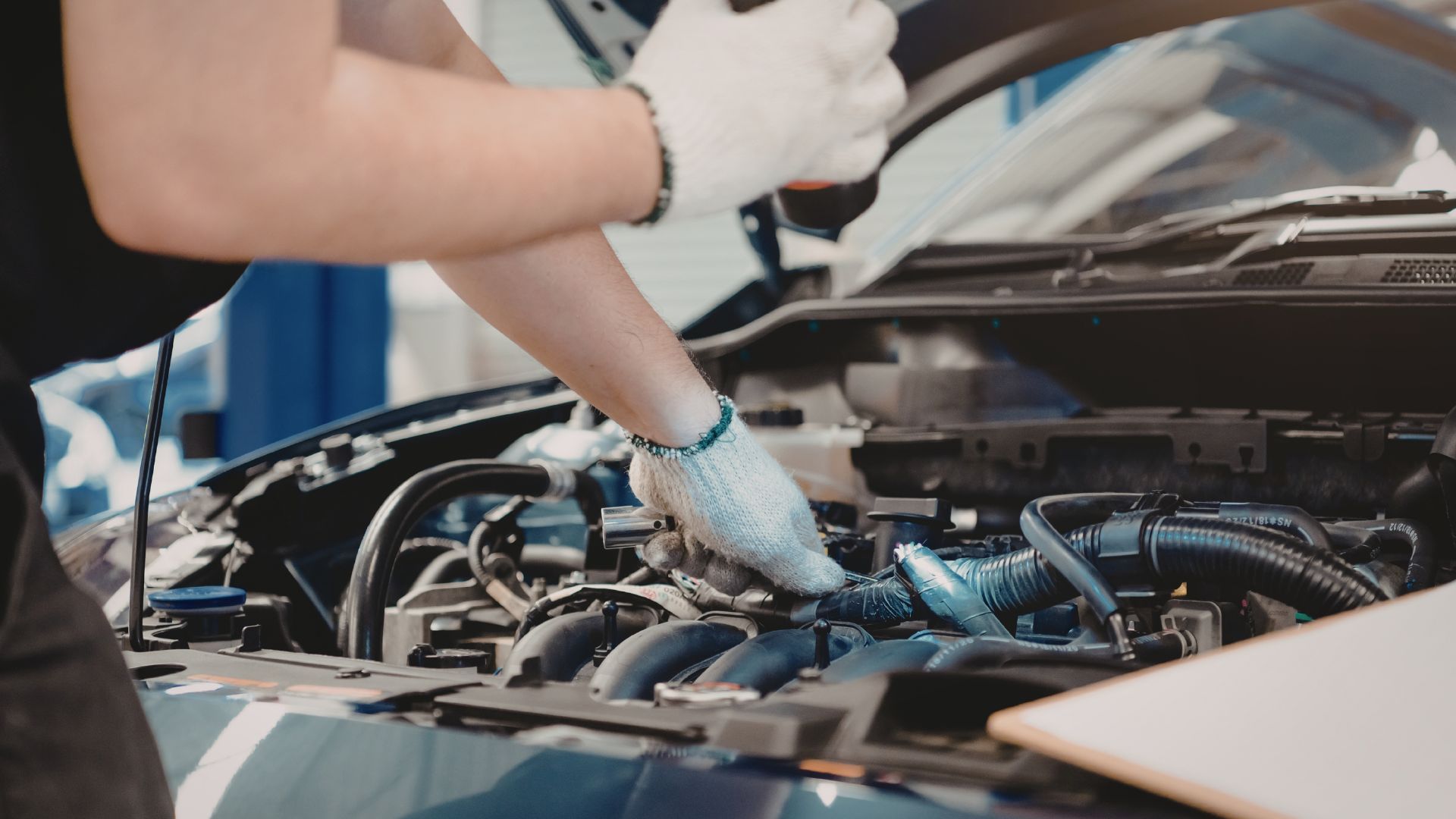
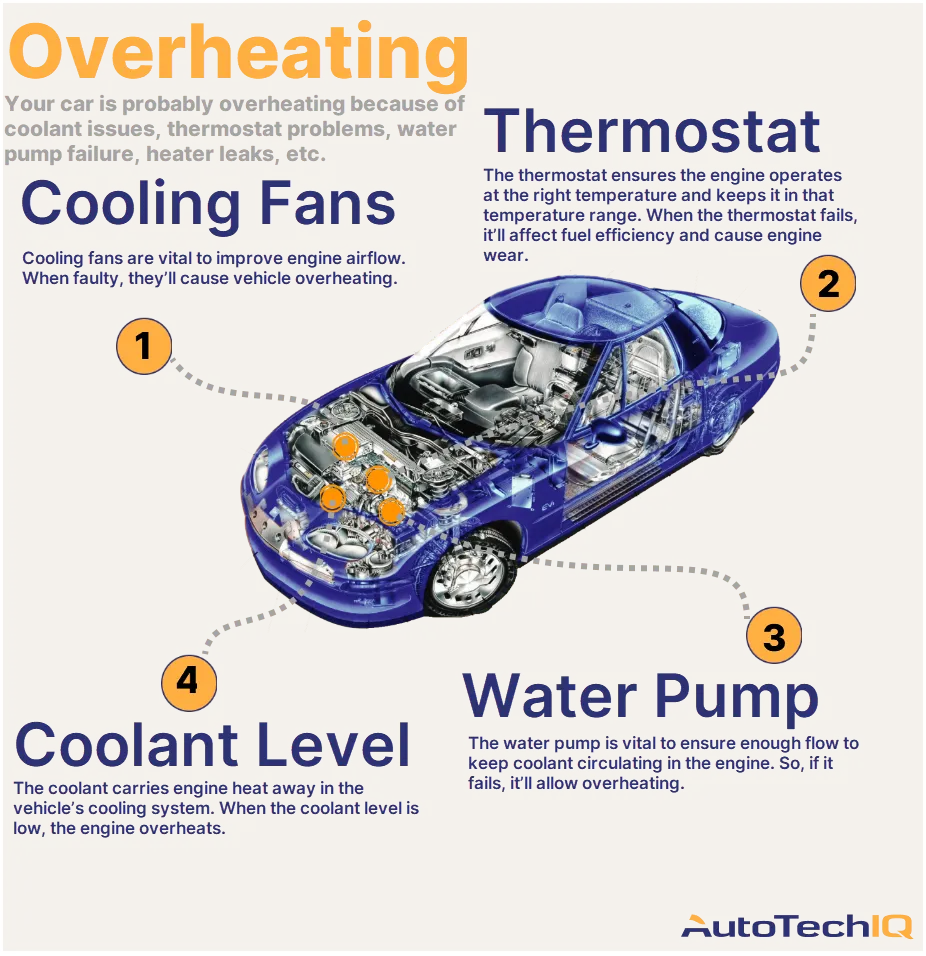
The cooling system moves coolant through the engine and radiator to carry heat away. The thermostat, water pump, hoses, radiator, and cooling fans all must work together. A full overflow bottle or radiator cap reading does not guarantee flow or proper pressure. Air pockets, clogged passages, or failed components can stop heat removal while liquid level looks normal.
Key components and what they do
- Thermostat: Opens and closes to let coolant flow through the radiator.
- Water pump: Pushes coolant through the engine and radiator.
- Radiator: Releases heat into the air.
- Cooling fans: Pull airflow when the car moves slowly or idles.
- Pressure cap and overflow bottle: Maintain system pressure and top-up fluid.

Why car overheating but coolant is full — common causes
Several faults can cause car overheating but coolant is full. Many are about flow, pressure, or heat transfer rather than low fluid.
Main causes
- Faulty thermostat stops coolant flow and traps heat in the engine.
- Failed water pump does not circulate coolant even though the tank is full.
- Air trapped in the system causes hot spots and false full readings.
- Clogged radiator or heater core limits heat transfer.
- Broken cooling fans do not draw air at low speeds.
- Blown head gasket allows combustion gases into the coolant and reduces cooling.
- Damaged belts or pulleys stop the water pump or fan from working.
- Radiator cap failing to hold pressure lowers boiling point and reduces cooling efficiency.
Signs that point to each cause
- Thermostat: Rapid temp rise then stays high; heater may be cold.
- Water pump: Coolant leaks near the pump, wobble in pulley, or no flow at heater hose.
- Air in system: Spiking temp after refilling, gurgling sounds, heater not warming.
- Clogged radiator: Cool top and hot bottom, reduced heater performance.
- Head gasket: White smoke, milky oil, or bubbles in coolant.
Quick Q: Can a bad thermostat cause overheating even when coolant is full?
Yes. A stuck thermostat blocks coolant flow and traps heat in the engine, so the coolant level can read full while the engine overheats.
Quick Q: Could a head gasket leak make a car overheat while coolant is full?
Yes. Burning gases in the cooling system can form air pockets and raise engine temps even with a normal coolant level.

Step-by-step diagnosis: check these items in order
Start with safe, low-cost checks. Use simple tools and basic safety.
Safety first
- Never open the radiator cap when the engine is hot. Wait until cooled.
- Work on a flat surface and use gloves and eye protection.
Diagnosis steps
- Check for external leaks. Look under the car and at hoses for wet spots.
- Inspect radiator cap and overflow bottle. Replace a worn cap and top to the mark.
- Observe heater hoses. With the engine warm, feel both hoses. A big temp difference can indicate a stuck thermostat.
- Check coolant flow. With the cap off and engine warm (careful), watch for steady flow. If none, suspect water pump or thermostat.
- Test cooling fan operation. Run the engine until warm and watch fans turn on. If not, check fuses, relays, and fan motor.
- Look for air in the system. Gurgling or inconsistent temps point to air. Bleed the system per the manual.
- Compression or block test. If combustion gases enter coolant, do a leak-down or chemical test for exhaust gases in coolant.
- Inspect radiator for clogs. Low airflow or debris or coolant discoloration can indicate blockage.
- Check belts and pulleys. A slipping belt or seized pulley can stop the water pump.
Tools that help
- Infrared thermometer to read radiator and hose temps.
- Basic socket set and screwdrivers.
- Coolant pressure tester to find leaks.
- Combustion leak tester for head gasket issues.

Common repairs, parts, and cost expectations
Repair costs vary by car and region. These are broad ranges and cover parts plus labor.
Typical fixes and rough cost ranges
- Thermostat replacement: Low cost. Parts and labor are usually modest.
- Water pump replacement: Moderate cost. Often replaced with timing belt on some cars.
- Radiator cleaning or replacement: Moderate to high. Cleaning is cheaper; replacement is pricier.
- Cooling fan motor or relay: Low to moderate cost.
- Radiator cap and hoses: Low cost; good first move.
- Head gasket repair: High cost. Labor and parts can be expensive because it’s labor intensive.
Budget tips
- Start with cheap fixes like cap, thermostat, or bleeding air.
- If head gasket is likely, get a full diagnosis to avoid replacing parts that won’t help.
Preventive maintenance to avoid "car overheating but coolant is full"
Small, regular checks stop big problems later. I follow these tips with my cars and customer vehicles.
Maintenance checklist
- Inspect coolant level and quality every month. Replace coolant per schedule.
- Replace radiator cap and hoses every few years or when brittle.
- Flush the cooling system as recommended by the maker.
- Replace thermostat on a schedule or when symptoms appear.
- Keep fan electrical components and relays clean and corrosion-free.
- Check belts and tensioners regularly.
- Clean grills and radiator fins to ensure good airflow.
Personal experience: what I learned fixing overheating cars
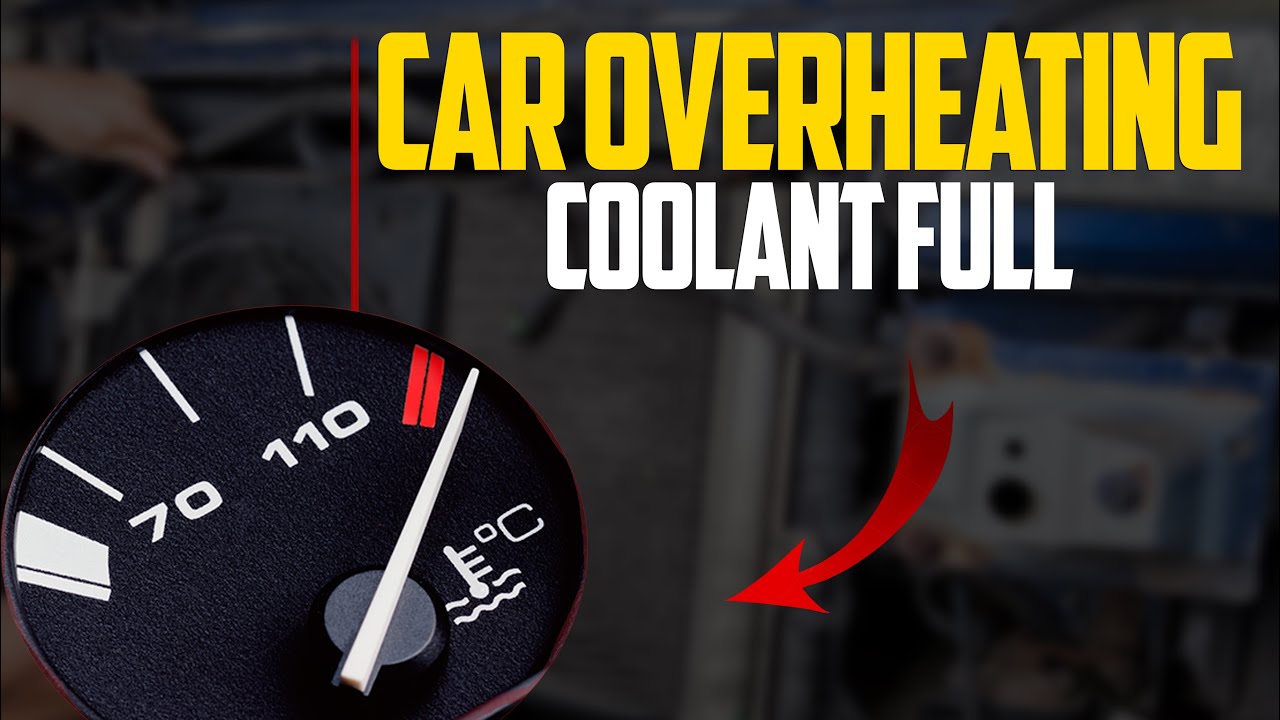
I once had a client whose car would overheat on short trips, yet the coolant bottle was full. I checked hoses, caps, and saw no leaks. An infrared gun showed the thermostat stuck closed. Replacing the thermostat fixed it. Lesson learned: don’t assume full coolant equals working cooling system.
Common mistakes I see
- Replacing the radiator before testing the thermostat or pump.
- Running the engine with the cap off and risking burns.
- Ignoring small signs like intermittent overheating or a weak heater.
Practical tip from the shop
- Keep a small infrared thermometer and a spare cap in your trunk. They save time and money when you diagnose overheating.
Frequently Asked Questions of car overheating but coolant is full
Why does my car overheat but the coolant reservoir is full?
A full reservoir only shows fluid presence, not circulation. Blocked flow, stuck thermostat, or air pockets can cause overheating even with coolant showing full.
Can air in the cooling system cause overheating even when coolant is full?
Yes. Air pockets stop coolant flow and create hot spots. Bleeding the system often fixes this problem.
Is a bad radiator cap a likely cause of overheating with full coolant?
Yes. A faulty cap lowers system pressure and reduces the boiling point, which can lead to overheating despite a full look.
How can I test if the water pump is failing?
Look for leaks at the pump, noise, or no coolant flow at the heater hose when the engine is warm. A failed pump prevents circulation and causes overheating.
Could an electrical fan failure cause overheating at idle with full coolant?
Yes. Fans are essential at low speed or stop-and-go traffic. If they do not run, the engine can overheat even though coolant is full.
Conclusion
If your car overheating but coolant is full, the issue usually lies in circulation, pressure, or heat transfer — not just fluid level. Start with safe checks: cap, hoses, thermostat, fans, and bleeding air. Use simple tools and avoid guessing with expensive parts. When in doubt, get a proper pressure and combustion test to rule out head gasket problems. Take action now: inspect basic items, document symptoms, and either fix small problems yourself or share clear notes with your mechanic. If this helped, try the checks and leave a comment or subscribe for more car care tips.