Most car shaking when accelerating comes from engine, drivetrain, tires, or mounts.
I’ve spent years fixing cars and explaining problems to worried owners. This article breaks down why your car shaking when accelerating happens, how to find the cause, and what to do next. You’ll get clear diagnostics, practical fixes, cost ranges, and friendly tips you can use today. Read on if you want to stop the vibration, stay safe, and save money.
Why your car shakes when accelerating
Shaking while you press the gas feels scary. It can be a light tremble or a strong vibration that grows with speed. The sensation can come through the steering wheel, the seat, or the whole car.
Common ways the shaking shows up
- Vibration only when accelerating from a stop.
- Shudder at steady highway acceleration.
- Shakes that change with engine RPM.
- Shakes that worsen when you shift gears.
Knowing where the vibration comes from helps narrow the cause fast. Check whether the shaking is felt in the wheel, floor, or seat. That clue often points to tires, drivetrain, or engine issues.
Common causes of car shaking when accelerating
Engine misfire
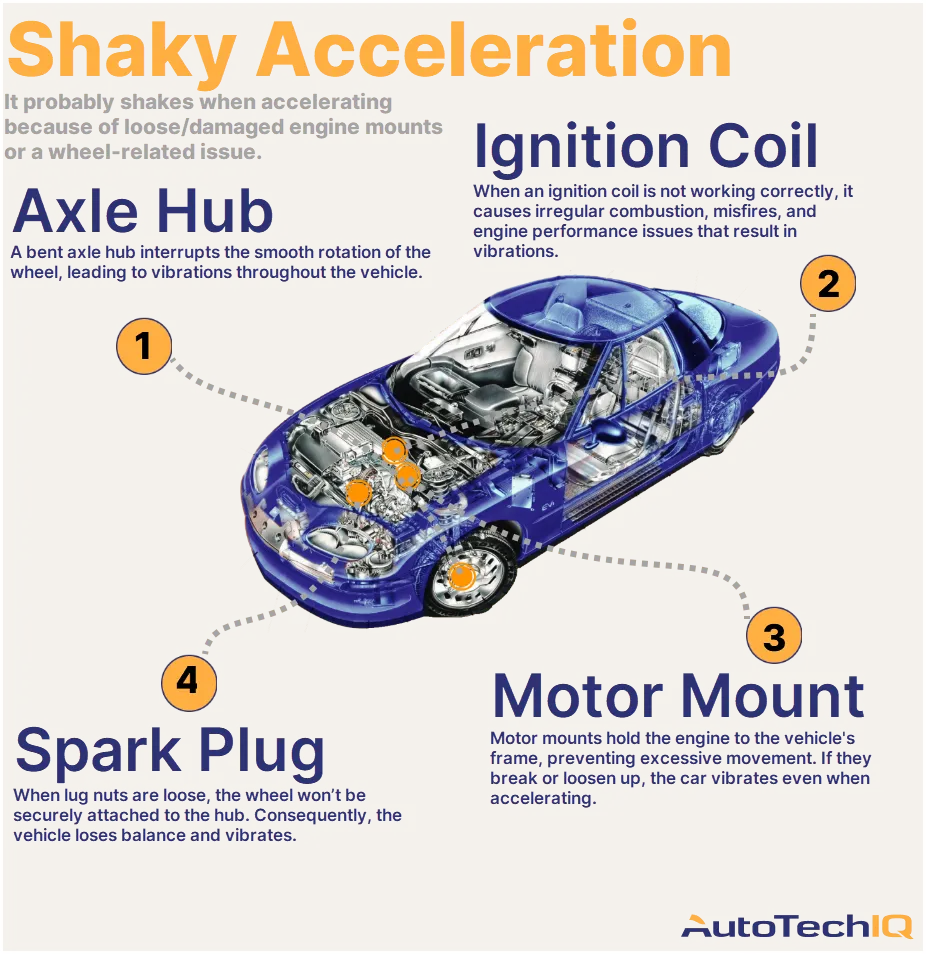
- Bad spark plugs, faulty ignition coils, or poor fuel delivery can cause misfire.
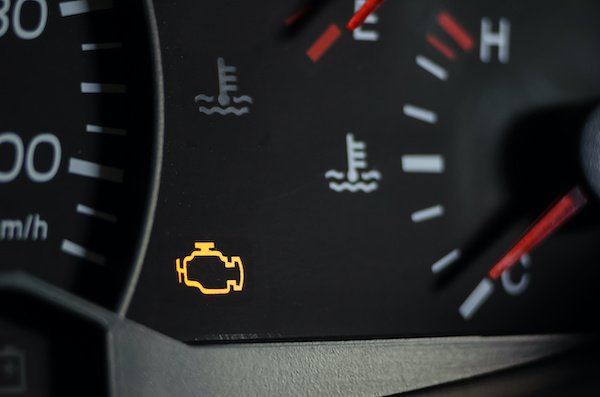
- Misfires often come with rough idle, loss of power, and check engine light.
Worn or damaged motor mounts
- Mounts hold the engine in place. Worn mounts let the engine move and transmit vibration.
- You may feel clunks or heavy vibration when accelerating or shifting.
CV joints and axles
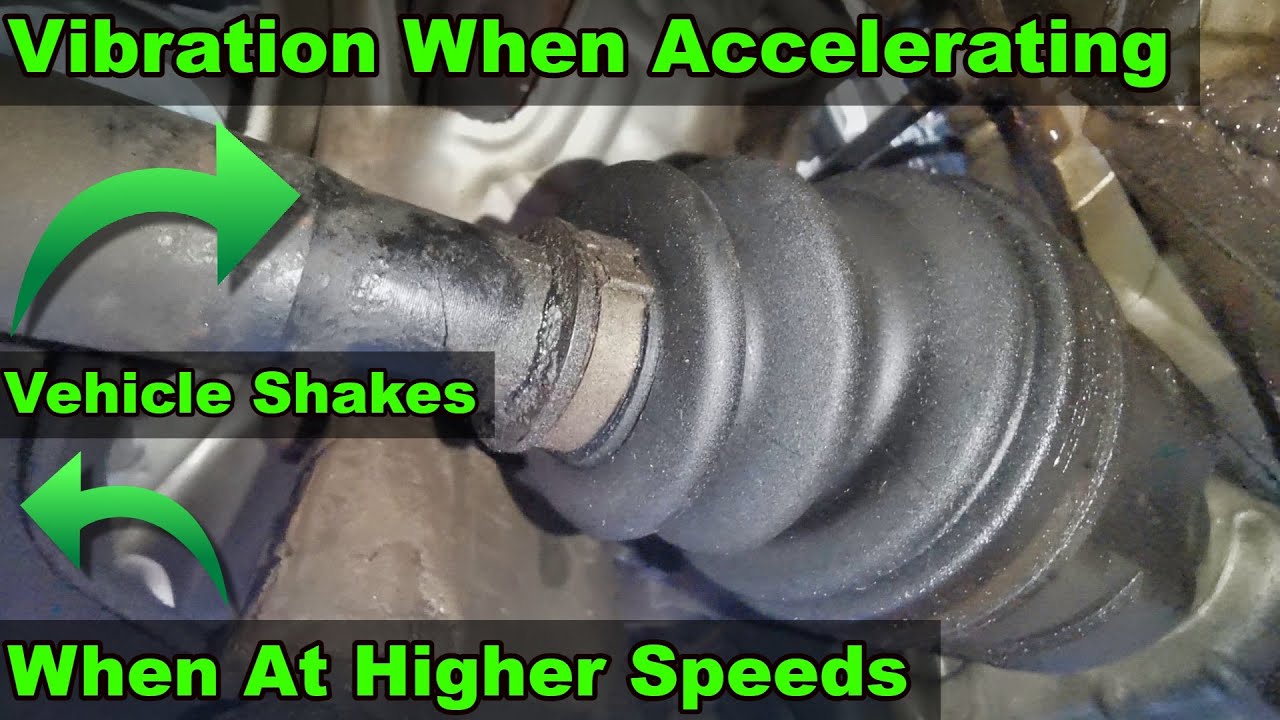
- Torn CV joint boots or worn joints create vibration under load.
- Clicking noises when turning can accompany CV problems.
Drive shaft or U-joint issues
- Bent drive shafts or bad U-joints cause vibration that increases with speed.
- Rear-drive or AWD cars commonly show these symptoms.
Wheel imbalance, bent rim, or bad tires
- Unbalanced wheels or damaged tires vibrate more as speed rises.
- Vibrations usually feel in the steering wheel and grow with speed.
Transmission or torque converter problems
- Slipping or torque converter issues can cause shudder during acceleration.
- Symptoms include rough engagement or delayed power delivery.
Fuel system and injectors
- Dirty fuel injectors or weak fuel pump can starve the engine under load.
- This leads to sputtering, loss of power, and shaking under acceleration.
Exhaust system issues
- Loose heat shields, broken hangers, or exhaust leaks can cause resonance.
- You may also hear unusual noises or smell fumes.
Brake problems
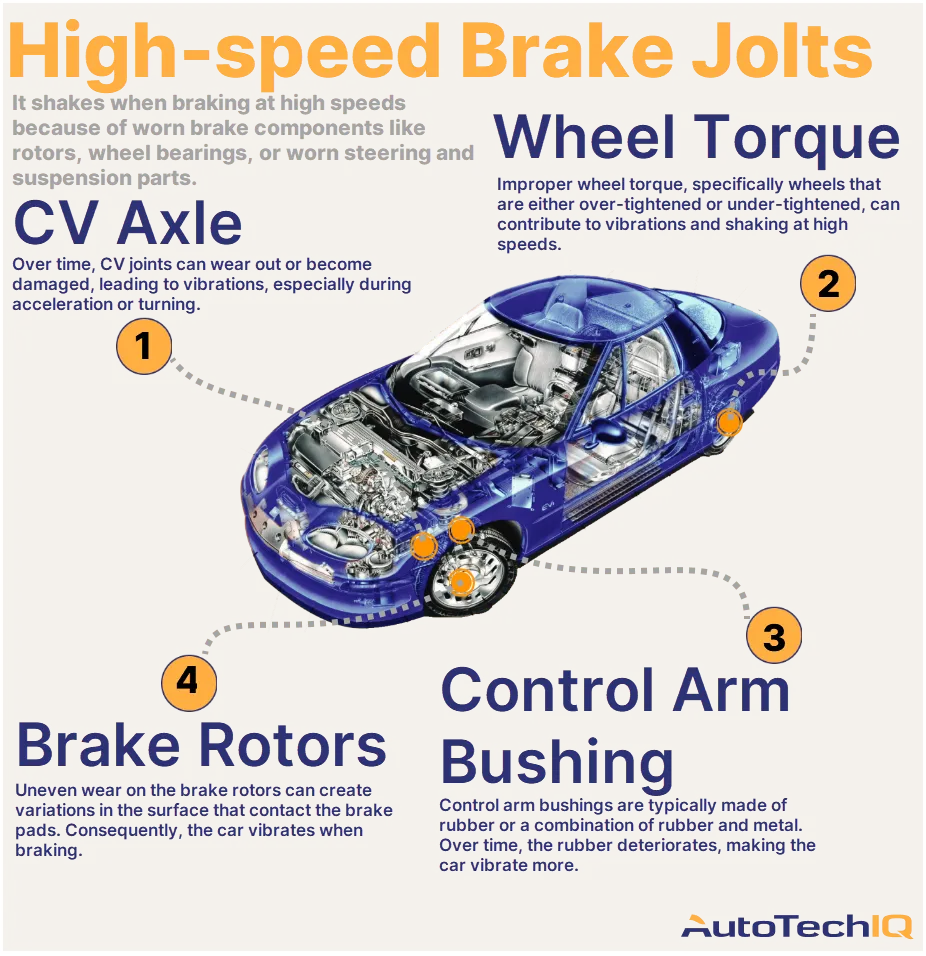
- Stuck calipers or warped rotors can cause vibration that worsens under acceleration when the wheel is loaded.
- Usually, this is more noticeable when braking, but it can appear during acceleration.
Wheel bearings and suspension wear
- Worn bearings or bushings can let parts move and vibrate during power application.
- You may feel looseness or hear humming or grinding.
Engine or transmission mounts, driveline alignment, and various sensors can all play a role. The key is matching symptoms to likely causes.
How to diagnose car shaking when accelerating
Always start with simple checks. These take little time and often reveal the problem.
Quick inspection steps
- Check tire pressure and tread for uneven wear.
- Look for torn CV boots or leaking fluid around axles.
- Scan for check engine codes with an OBD-II reader.
- Visually inspect engine mounts for cracks or movement.
- Test drive and note speed and RPM ranges when shaking occurs.
Step-by-step diagnosis
1. Drive at low speed and note if vibration is in wheel, seat, or whole car.
2. Increase speed slowly to see when shaking grows or fades.
3. Try accelerating in neutral (with foot off brake) to see if engine alone vibrates.
4. If safe, swap front and rear tire position (or have a shop balance wheels).
5. Use a code reader to capture misfire or transmission codes.
When to call a pro
- If you see smoke, smell burning, or have power loss, stop driving.
- If diagnosis needs transmission or driveline repair, get professional help.
- For complex electronic or internal engine faults, a shop will have the tools and experience.
PAA-style quick questions
- Can a bad spark plug cause shaking? Yes. A failing spark plug can misfire and cause rough acceleration and shaking.
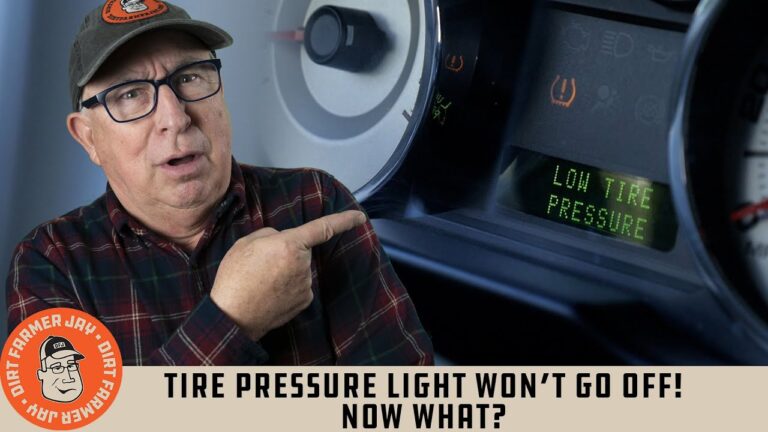
- Will low tire pressure cause vibration? Low or uneven tire pressure can lead to shaking, especially at higher speeds.
- Is a check engine light always present with misfires? Not always. Some misfires create subtle vibration before lighting the engine light.
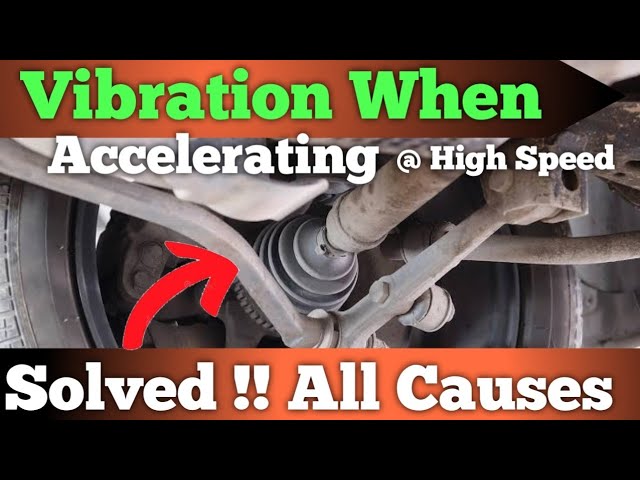
Source: youtube.com
Fixes and repairs for car shaking when accelerating
Match the fix to the cause. Some fixes are easy and low-cost. Others need a shop.
Common fixes and rough cost ranges
- Replace spark plugs and ignition coils: low cost and often a quick fix for misfires.
- Balance and align wheels, repair or replace tires: moderate cost, sometimes same-day.
- Replace motor mounts: moderate cost, essential for safety.
- Replace CV joints or axles: moderate to high cost depending on parts.
- Repair or replace drive shaft or U-joints: moderate to high cost.
- Transmission or torque converter repair: high cost and specialist work.
- Clean or replace fuel injectors and fuel filter: moderate cost, can improve performance.
- Tighten or repair exhaust hangers: low cost.
DIY vs professional
- DIY: spark plugs, tire rotation, checking pressure, minor exhaust hanger work.
- Pro: transmission repairs, drive shaft balancing, complex engine diagnostics, and any weld or driveline alignment.
Tips for repair decisions
- Get at least two estimates for big jobs.
- Ask shops to show failed parts to validate the diagnosis.
- Use OEM or high-quality parts for mounts and driveline components.
Safety first: a badly vibrating car can lead to control loss or further damage. If in doubt, stop driving and consult a trusted mechanic.

Costs and when to see a professional
Costs vary by cause, car model, and region. Here are average ranges to guide you.
Estimated repair cost ranges
- Tire balance or rotation: $15–$50 per wheel.
- New tire: $75–$300 depending on size and brand.
- Spark plugs and basic tune-up: $100–$300.
- Motor mount replacement: $150–$700 per mount.
- CV axle replacement: $200–$800 per axle.
- Drive shaft or U-joint repair: $200–$1,000.
- Transmission service or torque converter work: $500–$3,500+.
When to see a pro immediately
- Sudden strong shaking with power loss.
- Burning smell or smoke.
- Visible fluid leaks under the car.
- Clicking or grinding noises with vibration.
Choosing the right shop
- Pick a shop with experience on your car make.
- Ask for warranties on parts and labor.
- Read reviews and request detailed estimates.
A professional can save time and prevent wasting money on wrong parts. If the problem touches the transmission or driveline, professional diagnosis is worth it.

Prevention and maintenance to avoid shaking
Regular care reduces the chance of car shaking when accelerating. Small steps avoid big repairs.
Maintenance checklist
- Rotate and balance tires every 5,000–7,500 miles.
- Replace spark plugs at manufacturer intervals.
- Inspect motor mounts and suspension parts yearly.
- Keep fuel and air filters clean.
- Use quality fuel and periodic injector cleaner if recommended.
- Address check engine lights promptly.
Practical habits
- Don’t drive on underinflated tires.
- Avoid hitting curbs or potholes at speed.
- Store a basic OBD-II reader for quick checks.
- Keep a trusted mechanic for regular inspections.
Prevention saves money and keeps you safe on the road.

Personal experience and lessons learned
I once fixed a car that shook badly under load. The owner thought it was the tires. After a test drive and a quick code scan, we found a failing ignition coil. Replacing the coil cured the shake and saved the owner from needless tire work.
Lessons I learned
- Always start with a code scan; it often points to the true problem.
- Visual checks of tires and boots are quick and useful.
- Don’t ignore small vibrations. They usually get worse and cost more to fix later.
- Get parts shown to you after repair. It helps you learn and verify work.
A friendly tip: keep a maintenance log. It helps spot repeating issues and keeps repair history clear for future owners.

Frequently Asked Questions
What does it mean if my car shakes only when accelerating?
If shaking happens only under load, it often points to drivetrain, engine misfire, or CV/axle issues. Tires and wheel balance usually cause shaking at steady speed too.
Is it safe to drive when my car shakes during acceleration?
Mild vibration might be safe for short trips, but any strong shaking, power loss, or odd smells needs immediate attention. When in doubt, stop driving and have the car checked.
Can bad tires cause car shaking when accelerating?
Yes. Unbalanced, unevenly worn, or damaged tires commonly cause vibration that worsens with speed and acceleration. Inspect tires first for a fast diagnosis.
Will a check engine light always appear with engine misfire?
Not always. Some misfires cause a light right away, but others can start as subtle vibration before triggering codes. Use an OBD-II scanner for early detection.
How long will it take to fix vibration issues?
Simple fixes like balancing wheels or replacing spark plugs take under a day. Complex drivetrain or transmission repairs can take several days depending on parts and shop schedules.
Can a bad motor mount cause shaking only when accelerating?
Yes. A worn motor mount can let the engine shift during acceleration, creating noticeable vibration and sometimes clunks during gear changes.
Should I replace all tires if one is causing vibration?
Not always. If one tire is damaged or out of balance, rebalancing or replacing that tire may solve the issue. If tread wear is uneven across tires, consider replacing pairs or all four for safety.
Conclusion
You now have a clear roadmap to diagnose and fix car shaking when accelerating. Start with simple checks like tires and codes, then work toward mounts, axles, or fuel and ignition systems. Small maintenance steps prevent many causes and save money over time.
Take action today: check your tires, scan for codes, and book a shop visit if the vibration is strong. Share your experience in the comments or subscribe for more practical car care tips.