A cranking engine that won't start usually points to fuel, spark, timing, or sensor problems.
I’ve spent years troubleshooting cars and small engines, and when an engine cranks but won't start it can be frustrating and deceptively simple. This guide walks you through clear causes, step-by-step diagnostics, quick tests you can do at home, and when to call a pro — all based on hands-on experience and repair best practices to help you diagnose and fix the problem faster.

Why an engine cranks but won't start
When an engine cranks but won't start, the starter and battery are doing their job, but the engine lacks one or more essentials: air, fuel, spark, or correct timing. Modern vehicles also rely on sensors and computer inputs, so an electrical fault or immobilizer can stop startup even when everything else seems fine.
Understanding these systems helps you narrow the problem quickly and avoid unnecessary parts-swapping.

Common causes broken down
Here are the most frequent reasons an engine cranks but won't start. Each short explanation helps you know what to check first.
- Fuel delivery problems. Empty tank, clogged fuel filter, faulty fuel pump, or bad fuel pump relay can starve the engine.
- Ignition or spark issues. Bad spark plugs, failed ignition coils, or a weak crankshaft position sensor will kill spark.
- Air and intake problems. A blocked air filter or stuck throttle body can upset the air-fuel mix.
- Engine timing and mechanical issues. Broken timing belt or chain, low compression, or internal damage prevent combustion.
- Sensors, immobilizer, and ECU faults. A bad cam/crank sensor or a security system lockout can stop fuel or spark.
- Flooded engine or bad fuel quality. Overly rich mixtures or contaminated fuel can prevent combustion.
I use this checklist in the field to rule things out fast: fuel, spark, air, compression, and electrical diagnostics. This order saves time and money.
Quick diagnostic checklist you can follow now
Follow these simple checks in order to find the most common issues when the engine cranks but won't start.
- Check fuel level first. It sounds basic, but low or empty tanks are common.
- Listen for the fuel pump prime. Key-on (not start) should make a brief buzzing from the tank on many cars.
- Smell for fuel at the tailpipe or intake. A strong fuel smell can mean a flooded engine or rich condition.
- Inspect spark visually. Remove a spark plug, ground it to the engine, and crank to see if there’s spark.
- Scan for trouble codes. An OBD-II scanner gives sensor or injector fault codes quickly.
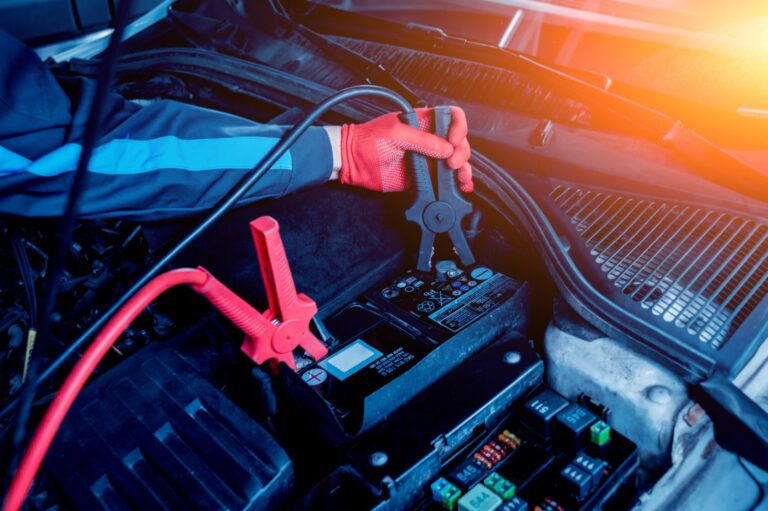
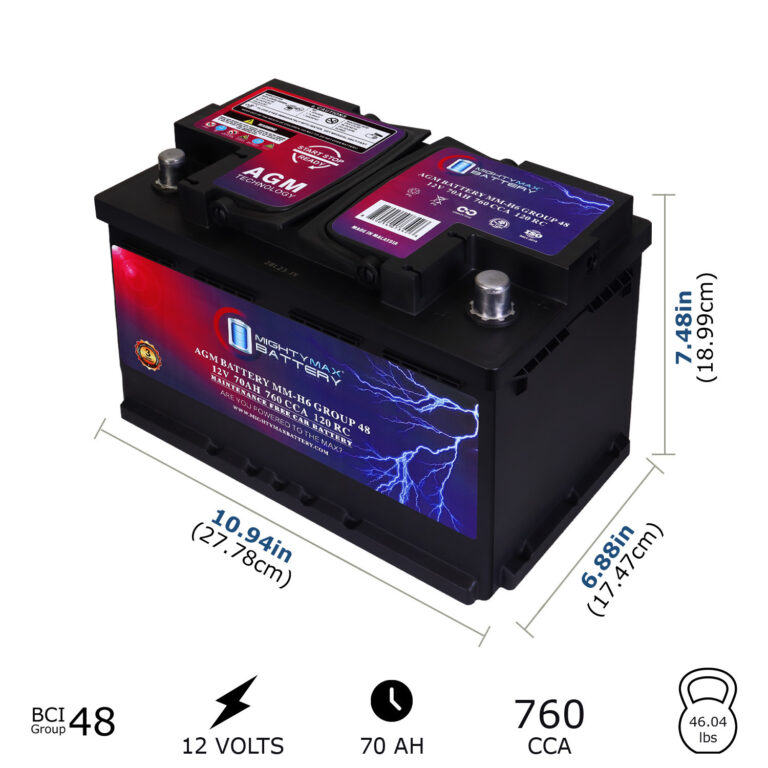
- Check battery voltage under crank. Low voltage can spin the starter yet prevent proper ECU operation.
These steps address the most frequent causes and reduce wasted troubleshooting time. They also keep you safe and prevent accidental damage.

Fuel system-specific checks
Fuel problems are the top cause when an engine cranks but won't start. Here’s how to pin them down.
- Fuel pump operation. Listen for the pump prime and test fuel pressure with a gauge if available.
- Fuel filter and lines. A clogged filter or collapsed line reduces flow and causes no-start conditions.
- Fuel injectors. Dirty or dead injectors won’t deliver fuel; listen with a stethoscope or use a noid light.
- Contaminated or old fuel. Water or varnish in old gas can prevent ignition.
A quick rule: if there’s no fuel smell and no pump noise, focus on the pump, relay, or fuse. If there’s fuel but no start, switch attention to ignition and timing.
Ignition and spark system checks
Spark problems are the other main reason an engine cranks but won't start. Here’s what to test.
- Spark plugs. Inspect for fouling, gaps, and wear; replace if old or damaged.
- Ignition coils and wires. Swap coils or test resistance if you suspect a weak spark.
- Crankshaft and camshaft sensors. These sensors tell the ECU when to fire; faults often create a crank-but-no-start.
- Ignition control module and ECU signals. Use a scan tool to check for missing timing signals.
A reliable spark test often rules out the ignition system quickly. I always keep a basic spark tester in my toolbox to confirm spark within minutes.

Mechanical and timing issues
If fuel and spark look good, mechanical issues can still stop an engine that cranks but won't start.
- Timing belt or chain failure. If timing is off, valves and pistons won’t sync and compression will be wrong.
- Low compression. Worn rings, valves, or head gasket problems reduce compression below what’s needed for ignition.
- Valve or piston damage. Severe failures prevent combustion even though the crank turns.
A compression test is your next best step when fuel and spark are present but the engine still balks. It separates electronic faults from mechanical failure.
Electrical, sensors, and security systems
Modern engines need many sensors to agree before they will start. These electronic checks can cause a cranking engine to not start.
- Crankshaft position sensor failure. No crank signal usually stops fuel injection or spark timing.
- Camshaft sensor and synchronization. Missing cam signal can confuse timing and prevent startup.
- Immobilizer or anti-theft. A locked ECU can cut fuel or spark; check for security lights on the dash.
- Relay, fuse, and ECU power issues. A bad relay or blown fuse can disconnect fuel pump or ignition circuits.
Use an OBD-II scan to read sensor faults and live data. Checking for security lights and error codes saves you guessing.

Step-by-step troubleshooting flow (practical sequence)
Work through this practical sequence to identify why your engine cranks but won't start.
- Confirm battery and cranking speed.
- Verify fuel level and fuel pump prime.
- Check for spark at a plug while cranking.
- Scan for error codes and live sensor data.
- Perform a fuel pressure test if pump seems weak.
- Do a compression test if fuel and spark look healthy.
- Inspect timing belt/chain and look for broken or loose parts.
Take notes during each step. A methodical approach prevents repeating tests and reduces repair bills.
My real-world experience and tips
I once fixed a late-model car that cranked but wouldn't start after a customer jumped a drained battery. The issue was a damaged crankshaft sensor wiring harness, not the battery. Scanning the ECU for crank signal absence revealed the real culprit in minutes.
Lessons I learned:
- Always scan for codes early. It often points to the exact failed sensor.
- Don’t replace parts randomly. Confirm a fault with tests.
- Keep basic tools: multimeter, spark tester, fuel pressure gauge, and an OBD-II scanner.
These practical tips save time and prevent unnecessary parts expenses.
Prevention and maintenance to avoid no-starts
Routine care reduces the chance your engine cranks but won't start. Small habits prevent big headaches.
- Replace fuel filter per schedule to avoid flow restriction.
- Change spark plugs and coils as recommended for consistent ignition.
- Keep fuel fresh and avoid sitting with a near-empty tank.
- Service timing belts/chains at manufacturer intervals to prevent catastrophic failure.
- Inspect wiring and sensors during major services to catch wear early.
Routine inspections are cheap compared to a tow and a diagnostic bill.
Typical repair time and costs
Costs vary by cause, vehicle, and labor region, but expect these rough ranges when an engine cranks but won't start.
- Fuel pump replacement: moderate to high cost; 1–4 hours depending on access.
- Ignition coil or spark plug service: low to moderate; 0.5–2 hours.
- Crankshaft/cam sensor replacement: low to moderate; 0.5–2 hours.
- Timing belt/chain repair: high; 4–8+ hours and potentially engine teardown.
- Diagnostics-only visit: often 1 hour shop minimum plus a diagnostic fee.
These estimates help set expectations but always get a written quote from your mechanic.
When to call a professional
If you’ve run the basic checks and the engine still cranks but won't start, it’s time to call a pro. Complex electrical issues, internal engine damage, or timing repairs require shop tools, manufacturer data, and experience.
- Call a pro if you find no crank signal, broken timing components, or low compression.
- If a fault code points to the ECU or immobilizer, professional diagnosis is usually faster and safer.
Getting expert help early can avoid further damage and higher repair costs.
Frequently Asked Questions of engine cranks but won't start
Why does my engine crank but not start after filling the gas tank?
Often this is due to contaminated fuel or air trapped in the system after refueling. Check for poor fuel quality, and verify the fuel pump is priming and the fuel filter is clear.
Can a weak battery cause cranking but no start?
Yes. A battery can turn the starter but be too weak for the fuel pump or ECU. Measure voltage during cranking; readings below about 9.5 volts can cause no-start issues.
How do I know if it’s a spark or fuel problem?
Check for spark first using a spark tester and check for fuel by smelling the intake or testing fuel pressure. If you have spark but no fuel, focus on the pump, relay, or injectors.
Will a bad crankshaft sensor make the engine crank but not start?
Yes. If the crankshaft sensor fails, the ECU may not time spark or fuel pulses properly and the engine will crank without starting. Scanning for a crank signal or live data helps confirm this.
Is a no-start after flooding the engine fixable at home?
Sometimes. Letting the engine clear fuel, replacing fouled plugs, and changing spark plugs can help. If the engine is hydrolocked, professional intervention is necessary.
Conclusion
Diagnosing why an engine cranks but won't start is about following a clear, logical process: check fuel, spark, air, compression, and electronics in that order. Use simple tests, scan for codes early, and avoid replacing parts without proof. With the right approach you can find the cause quickly and save time and money. Try the steps here, keep a record of what you test, and if the problem persists, seek professional help. Share your experience or questions below, subscribe for more car troubleshooting guides, or leave a comment about your specific no-start case.