Most car speaker issues come from blown speakers, wiring faults, or head unit settings.
I’ve fixed dozens of car audio problems over the years, so I know how frustrating it is when your car speakers not working. This guide walks you through clear causes, simple tests, fixes you can try, and when to see a pro. Read on and you will understand why car speakers not working, how to test each part, and how to get sound back fast.
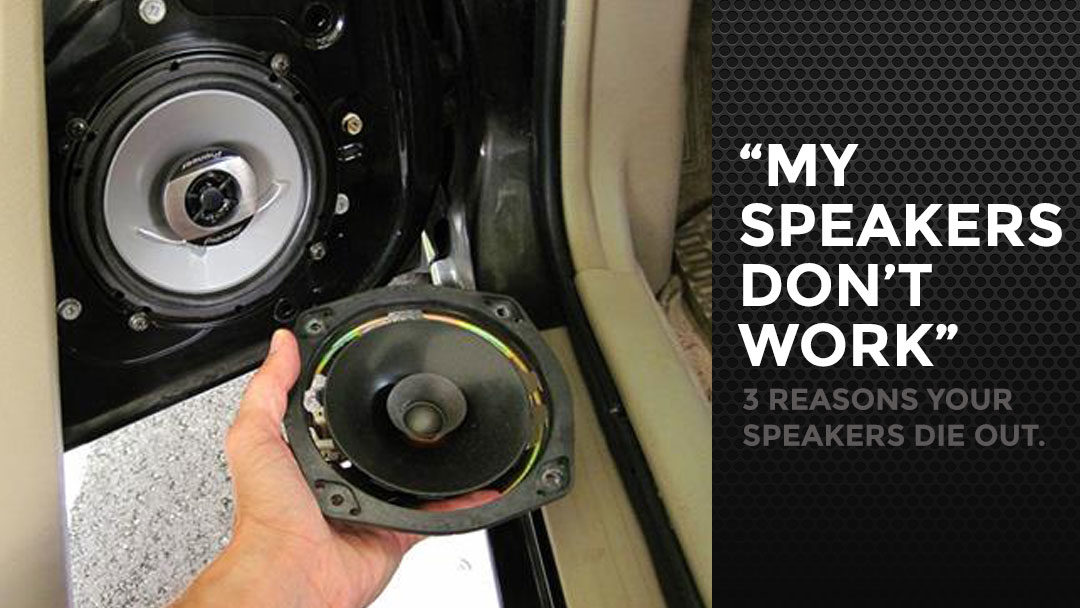
Why car speakers not working: common causes and what they mean
Car speakers not working can come from many small issues. You might have a mute or balance set wrong. You might have a blown speaker from too much volume. Wiring can break or corrode. The head unit, amplifier, or a fuse could also be the problem.
Common reasons include:
- Blown speaker cones from high volume or age
- Loose, broken, or corroded wiring
- Head unit settings like balance, fader, or mute
- Blown fuses or bad amplifier remote turn-on
- Bluetooth or source connection issues
Each cause is simple to check. Follow the troubleshooting steps to narrow down the issue. Understanding these causes makes fixing car speakers not working faster and cheaper.
Step-by-step troubleshooting checklist
Start with the basics. Short tests often find the issue fast.
- Check volume and mute
- Turn volume up on the head unit and on the phone or source.
- Verify the head unit is not muted.
- Confirm source apps or streaming services are playing audio.
- Check balance and fader
- Set balance and fader to center.
- Move balance to left then right to test each speaker.
- Move fader front to back to test front and rear speakers.
- Try a different source
- Play radio, a CD, a USB track, and Bluetooth.
- If one source works but another does not, the problem is the source.
- Inspect fuses
- Locate the fuse block and check head unit and amp fuses.
- Replace blown fuses with the same rating.
- If a fuse blows again, stop and get professional help.
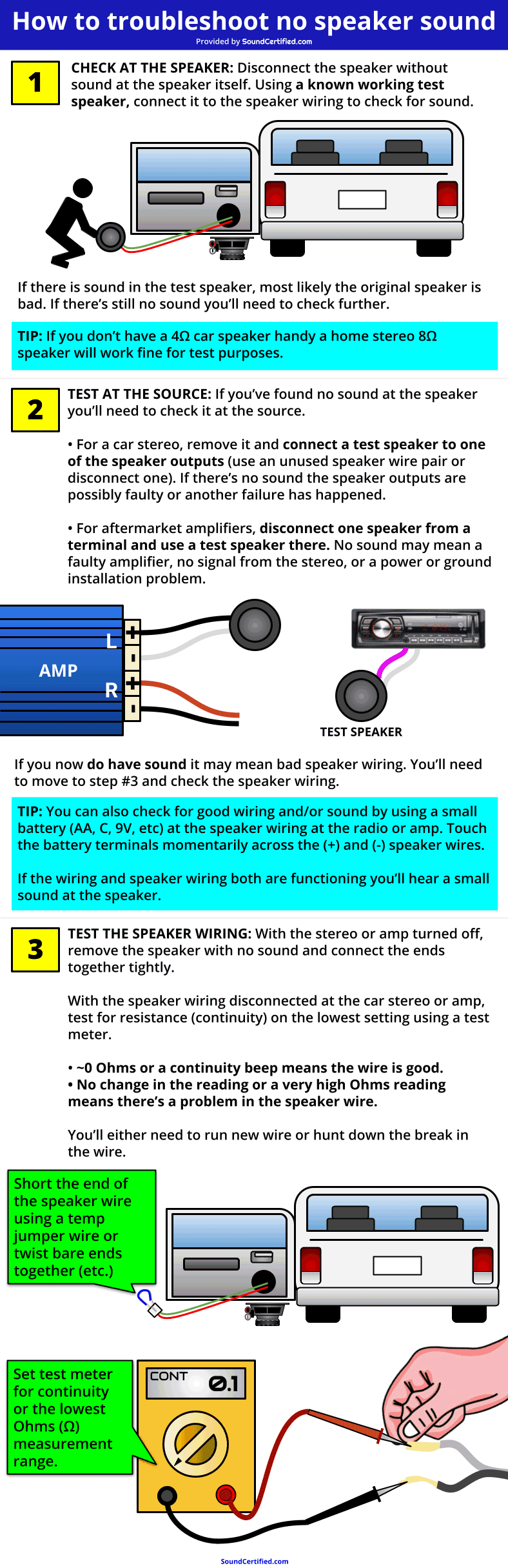
- Test speaker output
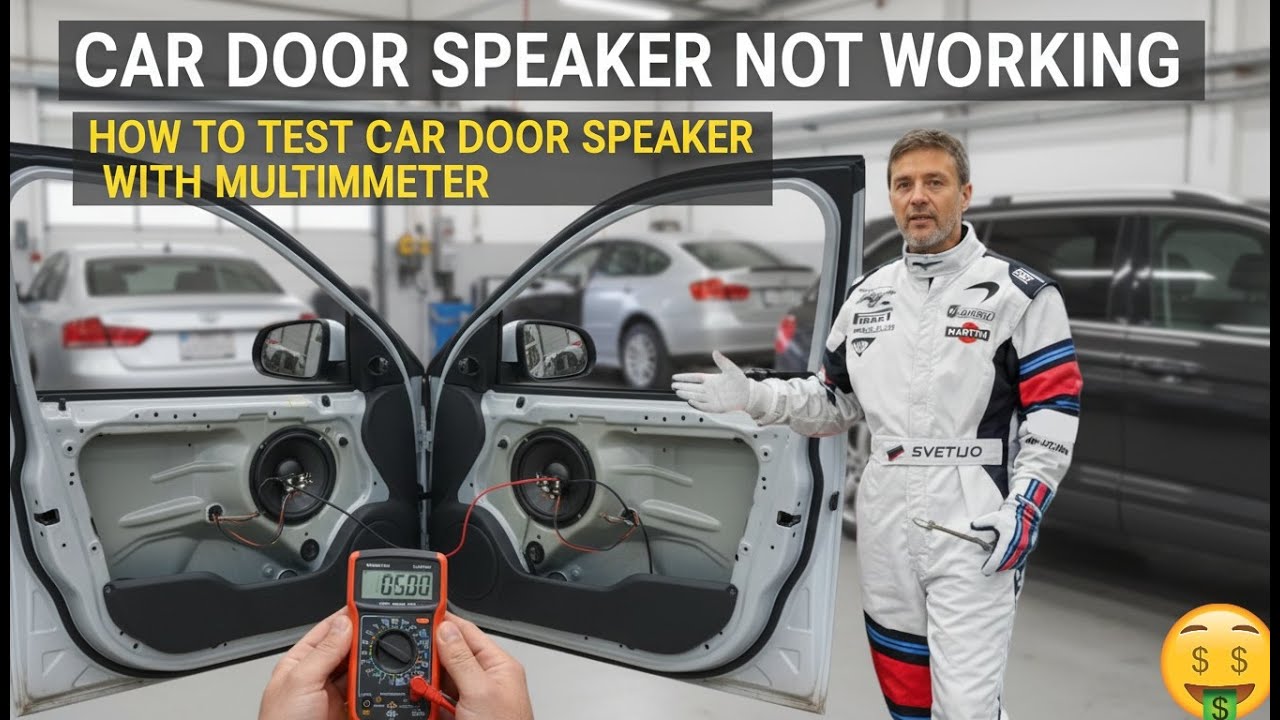
- Remove a speaker and test with a small test speaker or multimeter.
- Measure continuity and resistance. Most car speakers read 2–8 ohms.
- Swap a working speaker into the suspect location to confirm wiring vs speaker failure.
- Check amplifier and remote turn-on
- If you have an amp, ensure the remote-turn wire gets 12V when the unit is on.
- Turn amp gain down before testing to avoid damage.
These steps will help you find why car speakers not working. If you are not comfortable with wiring or electronics, consult a shop.

Wiring and connector problems to inspect
Bad wiring is a major reason car speakers not working. Wires move a lot in cars. They can break at pinch points or corrode in wet areas.
What to check:
- Speaker wire continuity with a multimeter
- Corroded or loose connectors at speakers and head unit
- Ground connections for the head unit and amp
- Proper polarity; reversed wires can reduce volume or sound odd
- Damaged insulation that causes shorting
Fixes are often simple. Cut out bad wire and solder or use quality crimp connectors. Protect repairs with heat-shrink tubing. Clean any corrosion with contact cleaner and a stiff brush. Proper wiring makes your audio reliable and stops car speakers not working from coming back.
Head unit settings, firmware, and source issues
Many times car speakers not working is a settings problem. Modern head units have many menus.
Things to try:
- Reset audio settings to factory
- Update firmware if available
- Check output mode (speaker-out vs line-out)
- Verify Bluetooth pairing and app volume
- Make sure any steering-wheel controls are working correctly
A factory reset often fixes strange audio routing issues. Firmware updates can fix bugs that cut audio. Always back up presets before a reset if you can.
Amplifiers, fuses, and electronic protection
If you use an external amp, it adds more places that can fail. Amplifiers have protection circuits that mute output when they sense a fault.
What to inspect:
- Amp protection light or fault codes
- Remote-turn wire for 12V when on
- Input signal from head unit to amp
- Internal amp fuses and inline fuses
- Heat and ventilation; overheated amps go into protect mode
If the amp is in protect mode, don’t crank it. Check wiring, speaker impedance, and short circuits first. A miswired speaker or short can cause the amp to protect and make car speakers not working even though the head unit plays fine.
Replacing speakers and selecting upgrades
Sometimes speakers are dead and need replacement. Choose parts that match your car and setup.
Key points:
- Match speaker impedance (ohms) to the amp/head unit
- Match RMS power handling to your amplifier output
- Decide between coaxial and component speakers
- Pay attention to mounting depth and baffle fit
- Use good grille and seal to avoid air leaks
Proper install is crucial. Poor mounting causes rattles and weak bass. If you upgrade, keep wiring and amp limits in mind. New speakers fix long-term issues with car speakers not working when old cones are damaged.
Preventive maintenance to avoid future failures
A little care stops many audio problems. Preventive steps keep car speakers not working from being an issue again.
Simple habits:
- Avoid constant max volume; it strains speakers
- Keep doors and speaker areas dry
- Clean contacts and fuses once a year
- Inspect wiring after long trips or off-road use
- Use speakers with proper power ratings for your system
Routine checks save time and money. Treat your audio like other car systems and you will hear the benefit.

Personal experience: what I learned fixing car audio
I once fixed a car where the rear speakers were dead. The owner thought the speakers were blown. I tested the head unit and found the fader was pushed fully forward. It took two minutes to fix. That lesson stuck with me: always test settings first.
Another time a new amp kept blowing fuses. The installer had missed a chafed wire touching the chassis. After finding it, I soldered and insulated the wire and the system ran fine. The big lesson: small wiring issues cause big headaches.
My advice is to take simple steps first. Save the heavy work for shops when you are unsure. This approach avoids long costs and gets sound back fast.

Quick helpful questions and short answers
Q: Will a blown speaker sound different?
A: Yes. A blown speaker often sounds distorted, buzzing, or has no sound at all.
Q: Can a bad head unit kill all speakers?
A: Yes. If the head unit’s speaker outputs fail, none of the speakers will work.
Q: Is it safe to test with a cheap multimeter?
A: Yes. A basic multimeter helps check continuity and resistance safely. Avoid high voltage tests.
These short checks can speed up finding why car speakers not working.
Frequently Asked Questions of car speakers not working
Why do only some car speakers work while others are silent?
This usually means a balance or fader setting is off, or wiring to those speakers is damaged. Test by centering balance and swapping a working speaker to the silent location.
What does a blown speaker sound like?
A blown speaker often produces crackling, distortion, or no sound at all. It may also rattle when playing bass.
How do I test a speaker with a multimeter?
Set the meter to ohms and measure across speaker terminals. A healthy speaker reads around its rated impedance, usually 2 to 8 ohms.
Can a bad amplifier make all speakers stop working?
Yes. If an amp fails or goes into protect mode, it can mute outputs and cause all connected speakers to be silent. Check amp lights and remote-turn voltage.
Should I replace the head unit or speakers first?
Start by diagnosing. If only one speaker is bad, replace that speaker first. If no sound from any source, inspect the head unit and fuses before replacing parts.
Conclusion
Car speakers not working is often a fixable mix of small issues. Check settings, fuses, wiring, and speakers in that order. Use simple tests and swap parts to narrow the problem. If DIY steps feel risky, a pro can save time and protect your gear. Try the checks here, apply the tips, and get your sound back. If this guide helped, leave a comment, share your story, or subscribe for more car audio tips.