Follow simple steps: attach hose, select PSI, run pump, check gauge, disconnect, store cleanly.
I’ve used DeWalt inflators on jobs and at home for years. I will walk you through how to use DeWalt tire inflator with clear steps, safety tips, and real-world advice. You’ll learn setup, correct pressure use, troubleshooting, and maintenance so you can inflate tires fast and with confidence. Read on for practical tips drawn from hands-on experience and manufacturer guidance.
Why choose a DeWalt tire inflator
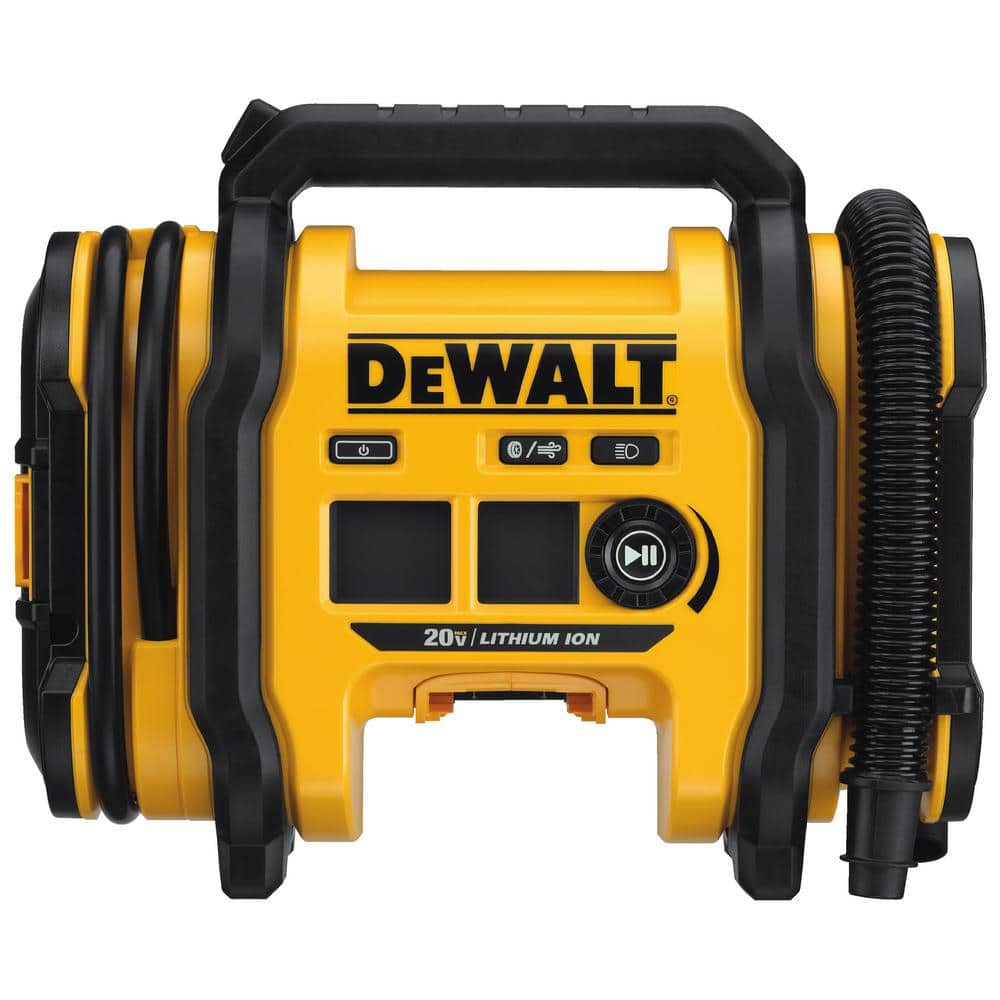
DeWalt inflators are built for speed and durability. They combine a sturdy pump, clear gauge, and easy hose connection. Many models run on 12V, 20V battery, or AC power. That makes them useful in the garage, on the job, or roadside.
Benefits of using a DeWalt tire inflator
- Reliable pump that holds up to frequent use.
- Accurate digital or analog pressure readings.
- Fast fill rates for car, truck, and bike tires.
- Portable designs for easy storage and transport.
When to pick a DeWalt model
- You want a tool that lasts through many uses.
- You need both portability and power.
- You value clear gauges and preset PSI functions.

What’s in the box and key parts to know
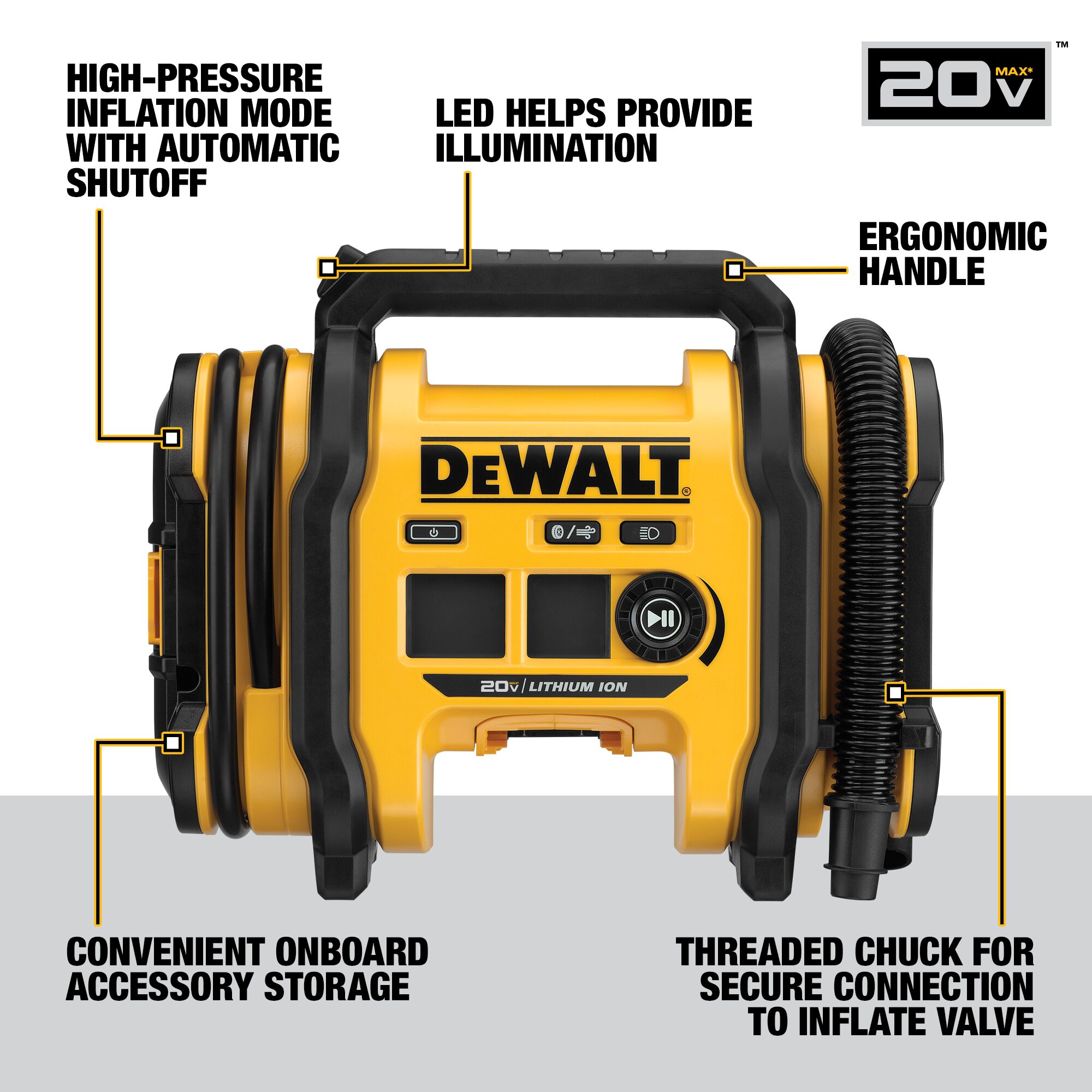
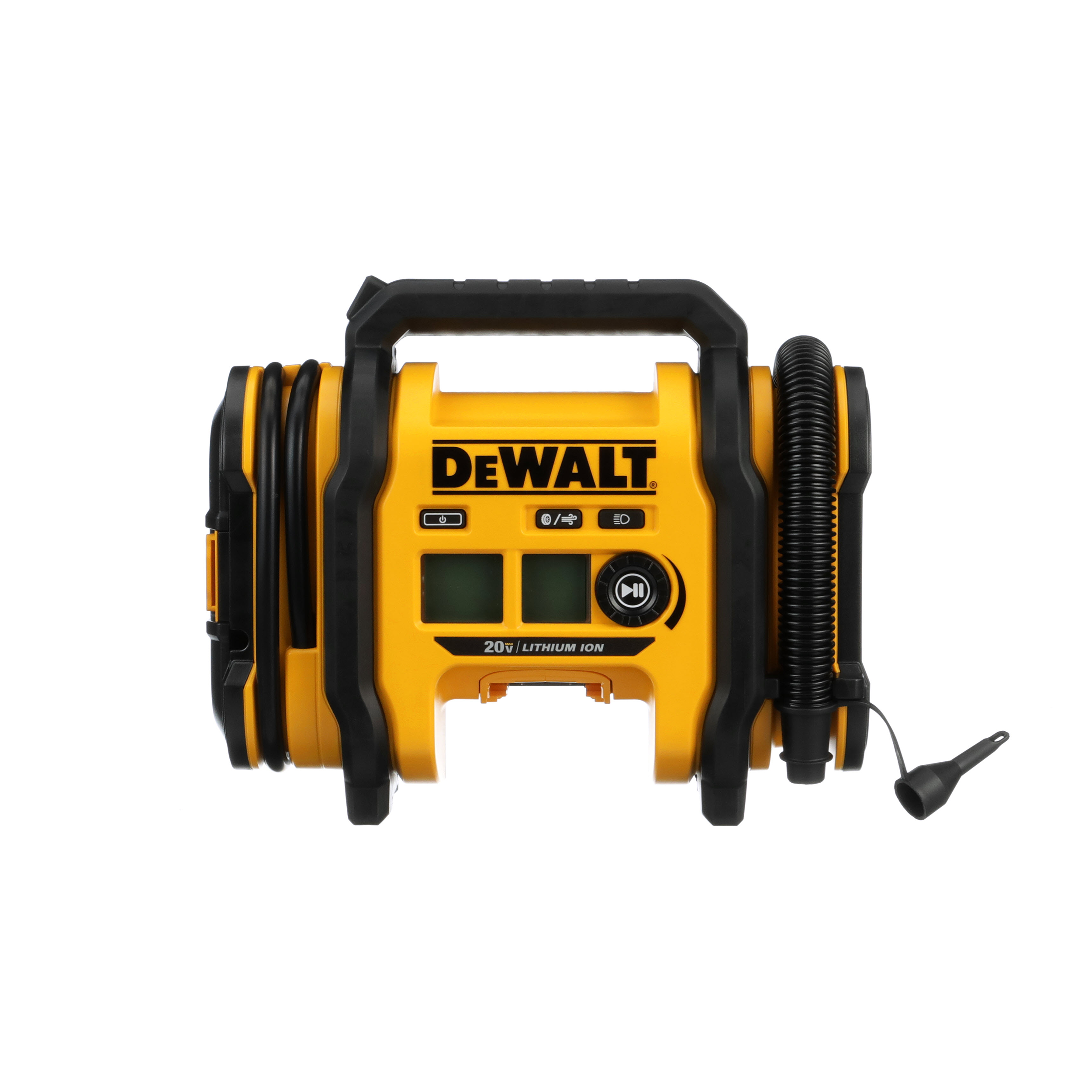
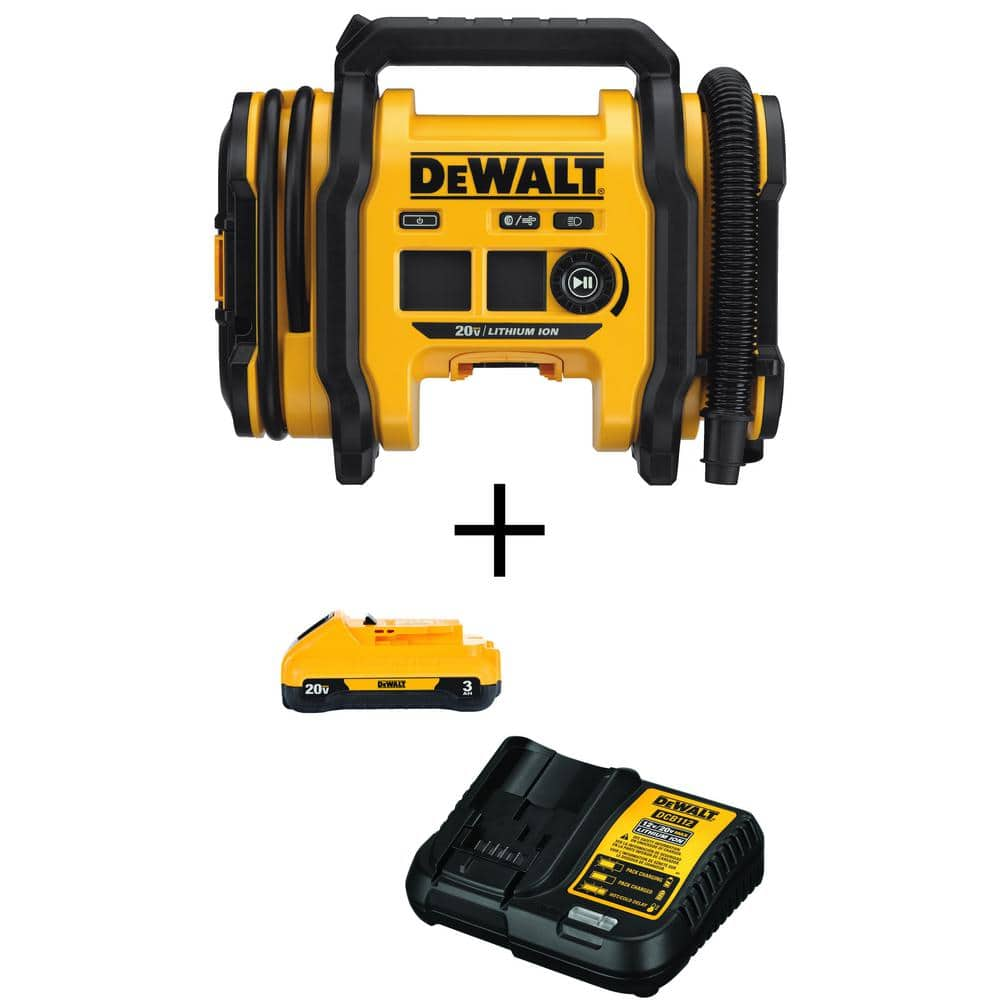
Before you start, check the package. Most DeWalt inflators include the unit, air hose, power cable, nozzle adapters, and a manual.
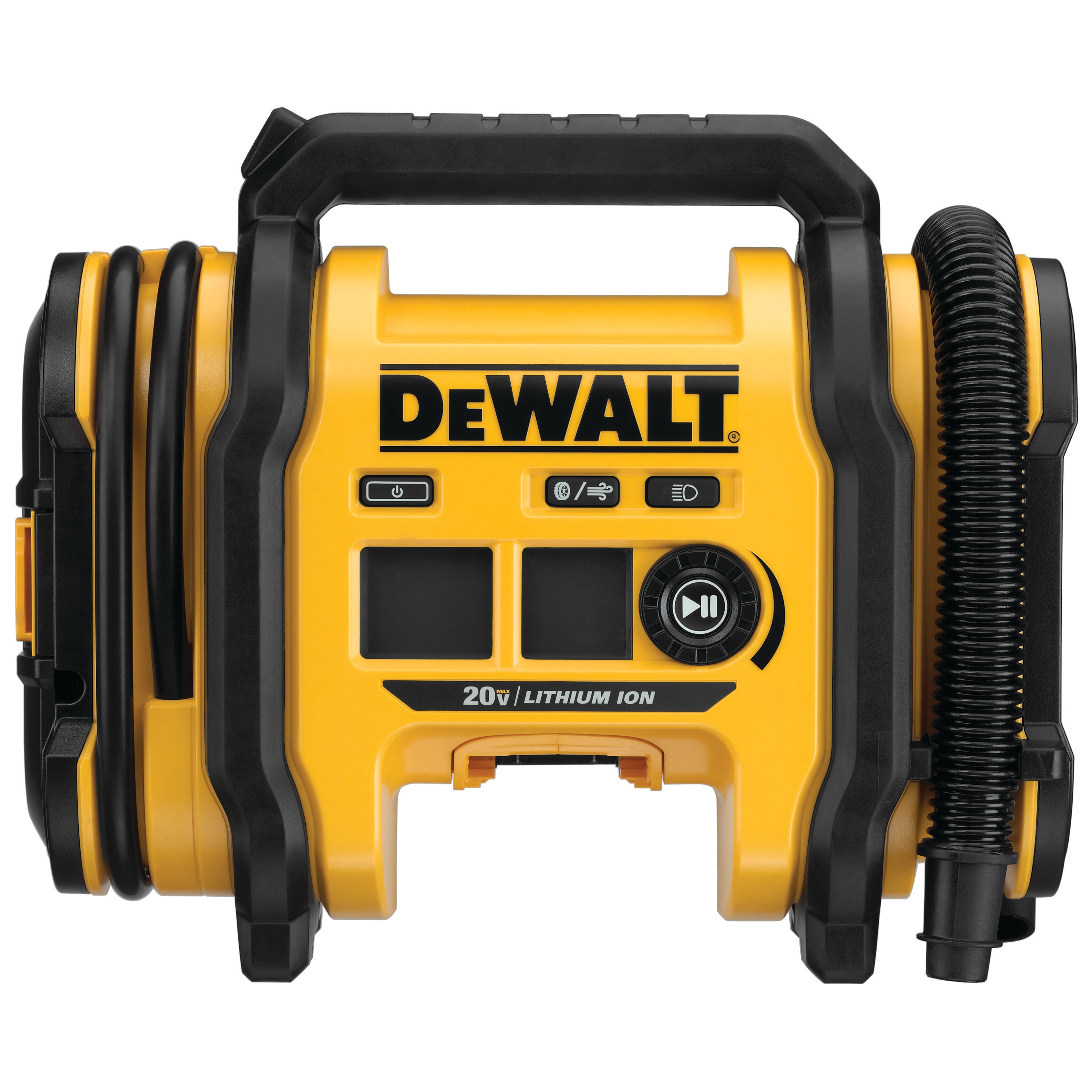
Key parts and what they do
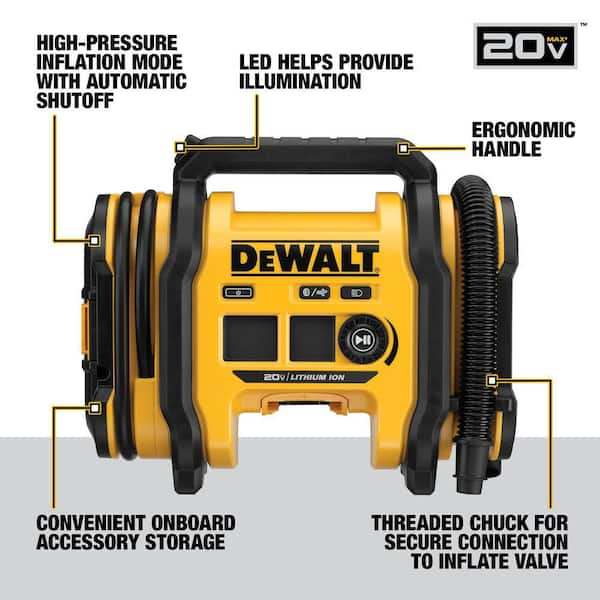
- Air hose with chuck: Connects to the tire valve.
- Pressure gauge or digital display: Shows current PSI.
- Power input: 12V plug, battery slot, or AC cord.
- On/off switch and trigger: Starts and stops inflation.
- Accessories: Needle for sports balls, adapters for inflatables.
Quick safety check
- Inspect hose for cracks.
- Make sure the chuck seals well.
- Use the right power source for your model.
Step-by-step: how to use dewalt tire inflator
Follow these steps for safe, accurate inflation. I use the same routine every time. It saves time and reduces errors.
-
Prepare the vehicle and inflator
-
Park on level ground and set the parking brake.
-
Turn off the engine.
-
Remove the valve cap from the tire.
-
Choose the correct power source (battery, 12V, or AC) and connect it.
-
Set the desired pressure
-
Check your vehicle’s recommended tire pressure. Use the sticker on the driver door or the owner’s manual.
-
If your DeWalt has a preset function, set the target PSI.
-
Attach the chuck correctly
-
Place the inflator chuck firmly over the valve stem.
-
Lock it if your model has a locking lever.
-
A good seal prevents air leaks and gives an accurate read.
-
Inflate and monitor
-
Turn the inflator on and watch the pressure gauge or display.
-
Pause intermittently to avoid overheat on extended use.
-
Stop when you reach the target PSI.
-
Detach and finish
-
Turn off the inflator.
-
Carefully remove the chuck from the valve stem.
-
Replace the valve cap.
-
Store the hose and accessories neatly.
Real tip from experience
- If you inflate multiple tires, let the inflator cool after two or three tires. This prevents motor strain.

Tips for accurate inflation and pressure reading
Small changes in PSI affect handling and tire life. Be precise.
Best practices
– Measure pressure when tires are cold for accuracy.
- Use the inflator’s gauge, but verify with a handheld gauge if needed.
- Add small amounts of air and recheck. It’s easier than letting air out.
- Remember load and temperature affect pressure needs.
Practical example
- For a car rated 35 PSI, inflate to 35 PSI when cold. If you check after driving, expect higher readings.
Common problems and troubleshooting
You may run into simple issues. Here’s how to fix them quickly.
Problem: Inflator won’t start
- Check battery charge or fuse in the 12V plug.
- Confirm the on/off switch is engaged.
Problem: Gauge reads zero or low
- Ensure the chuck seals on the valve.
- Inspect for hose leaks or damaged fittings.
Problem: Inflator stops mid-fill
- Let the unit cool. Many have thermal cutoffs.
- Reduce duty cycle; avoid continuous long runs.
Problem: Air leaks at the chuck
- Re-seat and lock the chuck.
- Replace worn rubber seals on the hose or chuck.

Maintenance and storage
Keep your DeWalt tire inflator ready for the next use.
Routine care
- Clean dust from vents and store in a dry place.
- Coil the hose loosely to avoid kinks.
- Check seals and replace worn parts as needed.
Long-term checks
- Test the gauge accuracy every few months.
- Replace batteries or check the AC adapter integrity.
- Follow the manufacturer’s service intervals if listed.
Safety and best practices
Safety matters every time you use a tire inflator.
Safety checklist
- Wear eye protection when inflating tires.
- Do not exceed the tire’s maximum pressure rating.
- Keep fingers and loose clothing away from moving parts.
- Use the correct power source to avoid electrical issues.
When to seek help
- If a tire has visible damage, do not inflate to working pressure. Get professional repair.
- If the inflator emits burning smells or smoke, stop and inspect.
Personal experience: lessons and mistakes to avoid
I once overfilled a tire because I trusted the inflator gauge without double-checking. The tire felt stiff on the road and led to uneven wear. Now I always confirm with a second gauge.
What I learned
- Double-check critical readings.
- Let the tool cool between long jobs.
- Keep extra valve caps and a spare hose in the vehicle.
Real-world tip
- On long trips, check tire pressure every few hours. Temperatures and loads change pressure fast.
Frequently Asked Questions of how to use dewalt tire inflator
How long does it take to inflate a car tire with a DeWalt inflator?
A typical DeWalt inflator fills a standard car tire in 2 to 7 minutes depending on starting pressure and model. Higher power models are faster.
Can I use a DeWalt inflator on truck or SUV tires?
Yes, many DeWalt models handle light truck and SUV tires. For very large or heavy-duty tires, choose a high-capacity model and follow duty cycle limits.
Do I need a special adapter for Presta bicycle valves?
Yes. Use a Presta-to-Schrader adapter or the included bicycle adapter. Ensure a tight seal before inflating.
Is it safe to leave the inflator running unattended?
No. Always monitor inflation to prevent overinflation and motor overheating. Stay near the unit while it runs.
How often should I service my DeWalt inflator?
Inspect it before each use and perform basic maintenance every few months. Replace worn seals and check gauge accuracy annually for heavy users.
Conclusion
You now have a clear, step-by-step guide on how to use DeWalt tire inflator. Follow the setup, watch the gauge, and practice safe routines. Small habits like checking cold pressure and verifying readings make a big difference. Try these tips the next time you inflate a tire, and share your experience or questions below. Join the conversation, subscribe for more how-to guides, or leave a comment about your DeWalt inflator experience.