What Is a Tire Pressure Monitoring Sensor? Complete Guide to TPMS Sensors
A tire pressure monitoring sensor is an electronic device that measures the air pressure inside a vehicle’s tires and sends pressure information to the TPMS system to alert the driver when a tire becomes significantly underinflated.
In the United States, tire pressure monitoring sensors have become a standard safety feature on most passenger vehicles sold since 2007 because properly inflated tires help maintain handling, braking performance, fuel efficiency, and overall driving safety. A TPMS sensor continuously monitors tire conditions and warns drivers when pressure drops below a recommended level.
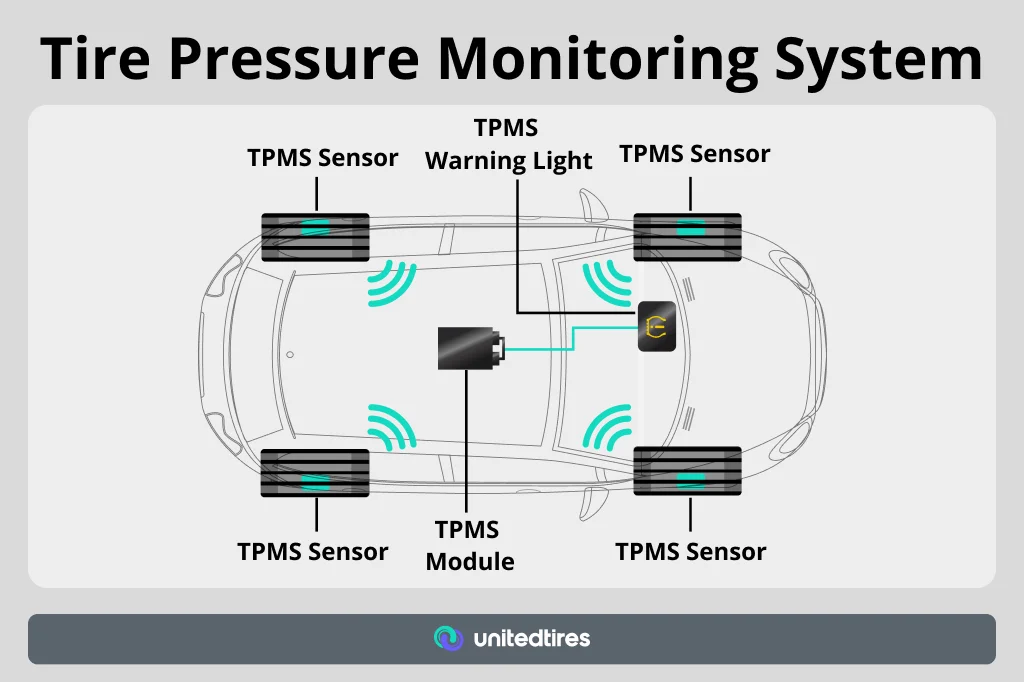
A tire pressure monitoring sensor is part of the Tire Pressure Monitoring System, commonly called TPMS. The sensor may be installed inside each wheel or the system may estimate pressure changes by using existing wheel speed sensors. Understanding how these sensors work can help vehicle owners identify warnings, maintain tires correctly, and know when repairs are needed.
Source: Bing
What Is a Tire Pressure Monitoring Sensor?
A tire pressure monitoring sensor is a small electronic component designed to measure the air pressure inside a tire and transmit that information to a vehicle’s onboard computer. The system then alerts the driver if tire pressure falls below the manufacturer’s recommended level.
The sensor is an important part of modern vehicle safety technology because driving with underinflated tires can affect steering control, increase tire wear, reduce fuel economy, and contribute to tire damage.
Source: Bing
Main function
The sensor measures tire pressure and communicates changes to the vehicle’s TPMS control module.
Safety purpose
The system helps drivers detect potentially unsafe tire pressure loss before it creates serious problems.
Common location
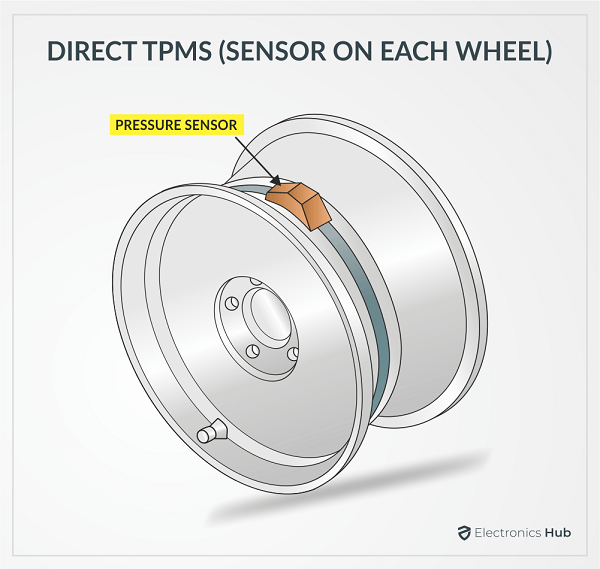
Direct TPMS sensors are usually mounted inside the wheel assembly near the valve stem.
How a TPMS Sensor Works
A direct tire pressure monitoring sensor contains a pressure sensor, temperature sensor, battery, and wireless transmitter. It measures conditions inside the tire and sends data to the vehicle’s TPMS receiver.
When the measured pressure falls below a programmed threshold, the vehicle displays a warning message or illuminates the TPMS warning light on the dashboard.
Pressure measurement
The sensor detects the amount of air pressure inside the tire.
Wireless communication
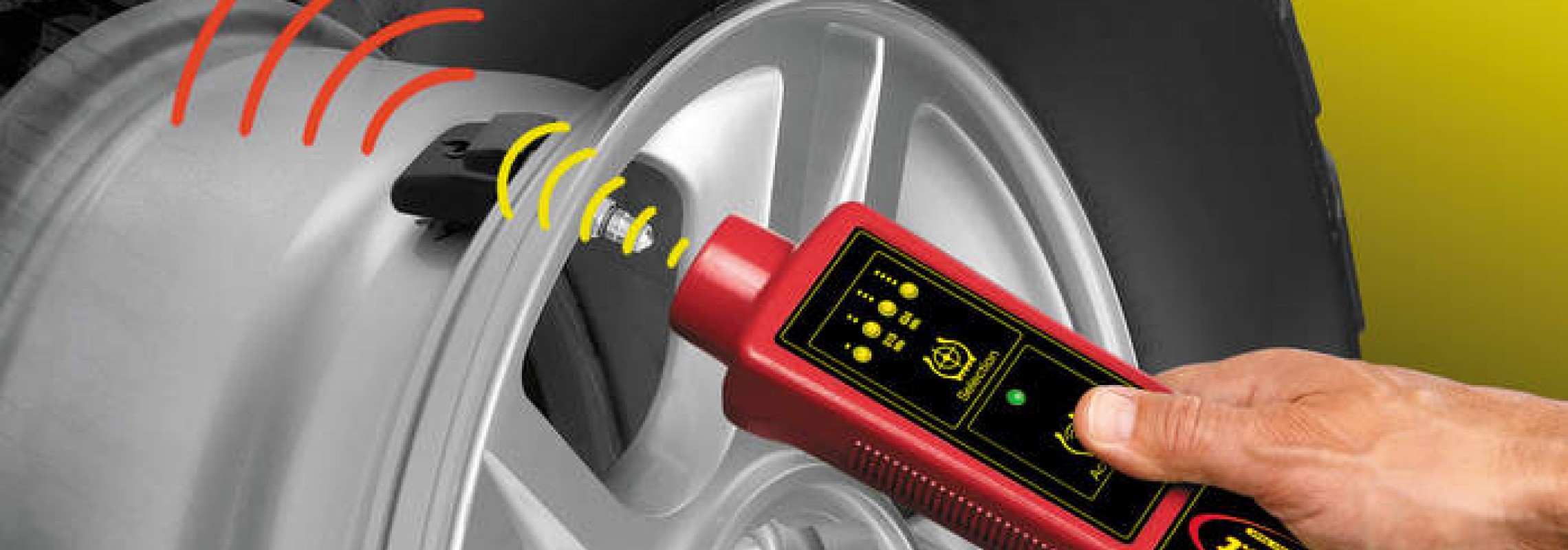
The sensor sends tire information using a radio frequency signal.
Types of Tire Pressure Monitoring Sensors
Vehicles generally use either direct TPMS or indirect TPMS technology. The main difference is how the system detects tire pressure changes.
Direct systems measure tire pressure physically, while indirect systems calculate possible pressure loss by analyzing wheel rotation differences.
Source: Bing
Direct TPMS sensor
A sensor inside each wheel measures actual tire pressure and sends real-time data to the vehicle.
Indirect TPMS system
The system uses anti-lock braking system wheel speed sensors to identify changes caused by differences in tire size from pressure loss.
Direct TPMS Advantages and Limitations
Direct TPMS provides actual pressure readings from individual tires, making it more precise for identifying which tire needs attention. However, the sensors contain batteries that eventually wear out and may require replacement.
Advantage
Provides direct tire pressure information from each monitored wheel.
Limitation
Sensor batteries are not usually designed for easy replacement and the entire sensor may need to be changed.
Where Is a Tire Pressure Monitoring Sensor Located?
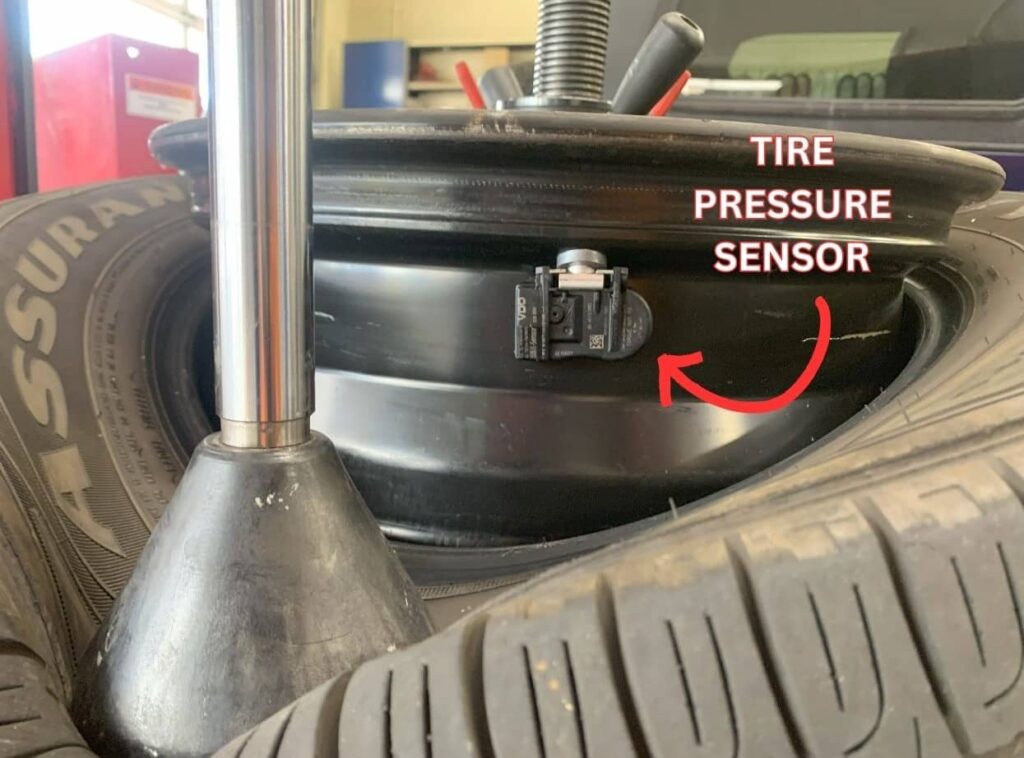
A direct TPMS sensor is usually attached to the inside of the wheel near the valve stem. It sits inside the tire and measures the pressure of the air surrounding it.
Because the sensor is exposed to vibration, temperature changes, moisture, and road conditions, it is designed to withstand harsh environments but can eventually fail over time.
Source: Bing
Inside the wheel
Most factory-installed direct sensors are mounted inside the tire assembly.
Valve stem integration
Many modern sensors are combined with the valve stem where drivers add air.
Why Sensor Location Matters
Because the sensor is inside the wheel, tire removal equipment must be used carefully during tire replacement or repair. Incorrect handling can damage the sensor.
Tire service consideration
Technicians should follow proper procedures to avoid breaking the sensor during tire work.
Signs of a Bad or Failing TPMS Sensor
A failing tire pressure monitoring sensor may cause inaccurate readings, repeated warning lights, or a TPMS malfunction message. A low tire warning does not always mean the sensor itself is damaged because normal air loss can also trigger the alert.
Drivers should check actual tire pressure with a reliable tire pressure gauge before replacing a sensor.
Source: Bing
TPMS warning light stays on
A persistent warning after correcting tire pressure may indicate a sensor or system issue.
Incorrect pressure reading
A sensor may provide inaccurate information if it is damaged or failing.
No signal from one wheel
A missing reading from a specific tire can indicate a sensor battery or communication problem.
Common Causes of TPMS Sensor Failure
Most TPMS sensor failures occur because of battery depletion, physical damage, corrosion, or incorrect programming after replacement.
Battery life
Built-in sensor batteries eventually lose power after years of operation.
Wheel service damage
Improper tire installation can damage the sensor housing or valve stem.
How to Maintain Tire Pressure Monitoring Sensors
TPMS sensors require little routine maintenance, but proper tire care helps ensure the system works correctly. Drivers should regularly inspect tire pressure and address warning lights promptly.
When replacing tires, technicians can inspect TPMS components and replace damaged valve stems or sensors when necessary.
Source: Bing
Check tire pressure manually
Use a tire pressure gauge regularly because TPMS does not replace routine pressure checks.
Reset the system when needed
Some vehicles require TPMS relearning after sensor replacement or tire rotation.
Use compatible sensors
Replacement sensors must match vehicle requirements, frequency, and programming specifications.
When Should a TPMS Sensor Be Replaced?
A TPMS sensor generally needs replacement when its internal battery is depleted, the sensor is damaged, or it cannot communicate with the vehicle system. Replacement timing depends on vehicle use, sensor design, and environmental conditions.
During tire replacement
Some owners replace older sensors while installing new tires to avoid future service costs.
Frequently Asked Questions
Q
What does a tire pressure monitoring sensor do?
A tire pressure monitoring sensor measures tire air pressure and sends information to the vehicle’s TPMS system. If pressure drops too low, the system warns the driver.
Q
Can I drive with a bad TPMS sensor?
A vehicle can usually still move with a failed TPMS sensor, but the driver may lose the ability to receive accurate tire pressure warnings. Tire pressure should be checked manually until the problem is repaired.
Q
How long do TPMS sensors last?
Many TPMS sensors last several years, but lifespan depends on battery design, driving conditions, and environmental exposure. A sensor normally needs replacement when its internal battery is depleted or the unit fails.
Q
Do all vehicles have tire pressure monitoring sensors?
Many vehicles sold in the United States include TPMS as standard equipment, especially passenger vehicles manufactured after federal TPMS requirements took effect.
Q
Does TPMS tell me the exact tire pressure?
Many direct TPMS systems can display individual tire pressure readings, but some systems only provide a warning when pressure falls below a set level.
✦ Wrapping Up
Conclusion
A tire pressure monitoring sensor is a critical vehicle safety component that helps drivers monitor tire inflation and respond to pressure problems before they become dangerous. Direct TPMS sensors measure pressure inside the tire, while indirect systems estimate pressure changes using wheel speed information.
Understanding how TPMS sensors work, recognizing failure signs, and maintaining proper tire pressure can help vehicle owners protect their tires and improve driving safety.
💡 Key Takeaway
Check your tire pressure regularly with a gauge, pay attention to TPMS warnings, and have damaged or failed sensors inspected before relying on the system again.
Tyron Torres is an automotive diagnostics writer and hands-on vehicle maintenance enthusiast with years of experience troubleshooting brake systems, suspension issues, and everyday car performance problems. He specializes in breaking down complex mechanical issues into simple, practical guides that drivers can use to quickly identify and fix common vehicle faults.
Learn how to attach a car phone holder securely in minutes. Follow our step-by-step guide for a stable, distraction-free setup in your vehicle for 2026.
Tired of your mount falling off? Learn how to make your car phone holder stick permanently with these simple, effective cleaning and adhesive hacks for 2026.
Learn what a tire pressure monitoring system malfunction means, why it happens, common causes, warning signs, and practical steps to diagnose and fix TPMS problems safely.
Learn what causes a tire pressure monitor problem, how TPMS works, warning signs, troubleshooting steps, reset methods, and when professional repair is needed.