A transmission whining noise at low speed usually signals worn gears, bearings, or low fluid.
I have worked on cars and studied drivetrains for years. This article breaks down why a transmission whining noise at low speed happens, how to find the cause, and what to do next. You will get clear tests, real fixes, cost ranges, and tips I learned in the shop. Read on and you will know how to stop that worry and keep your car safe.

What causes transmission whining noise at low speed?
Many things can cause a transmission whining noise at low speed. I will list the most common causes and explain how each one sounds and feels.
-
Worn bearings or gears
Bearings and gears wear over time. This wear makes a high-pitched whine that changes with speed. It is common in older transmissions and high-mileage cars. -
Low or old transmission fluid
Low fluid or dirty fluid can cause whining. The pump can cavitate or strain. That makes a whining or whining-like hum at low speed. -
Torque converter problems
A bad torque converter can make a steady whine. It may get worse when you shift into drive or change load. -
Faulty pump or pump drive
The transmission pump can wear or lose prime. When it does, you can hear a whining noise at idle and low speeds. -
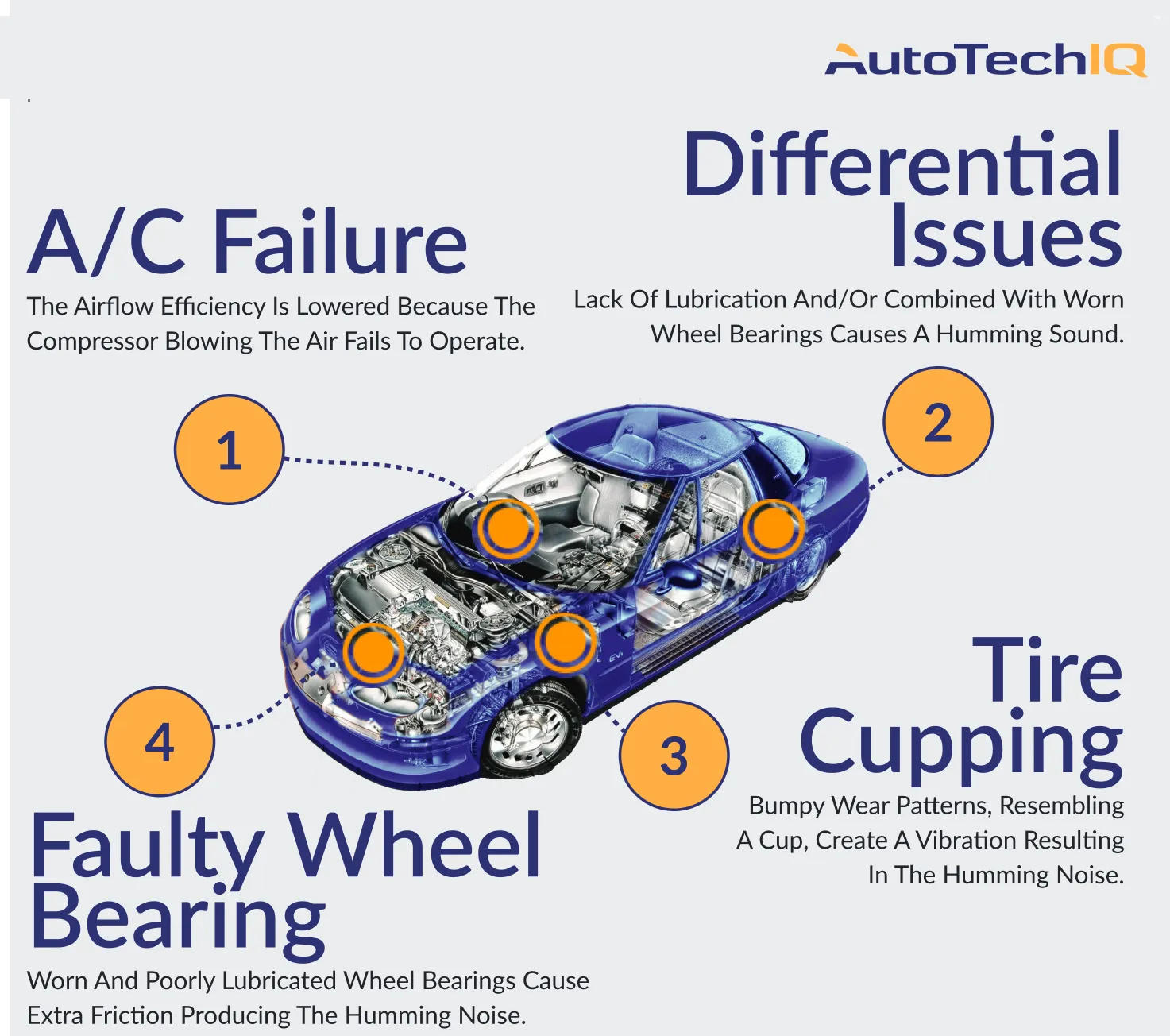
Differential or transfer case issues
On some cars, the whine comes from the final drive, not the transmission. The differential can whine under low speed load. -
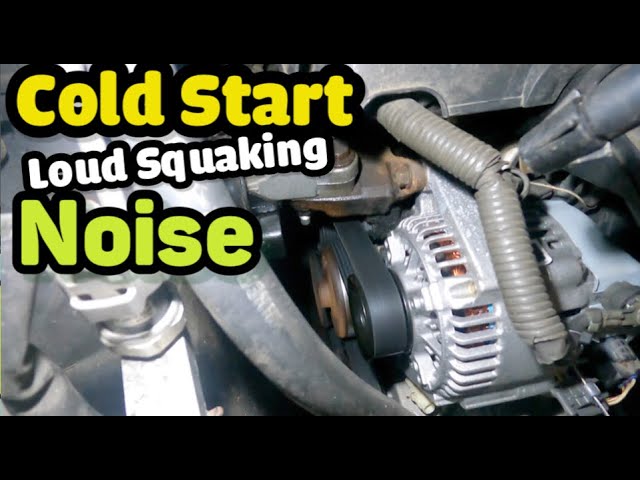
External accessory noise that sounds like the transmission
Power steering or alternator noise can mimic transmission whining. It helps to rule out these parts. -
Mounts and driveline issues
Worn mounts or a misaligned driveline can change how noise travels. A small whine can sound louder inside the car.

How to diagnose a transmission whining noise at low speed
Diagnosing is about simple checks and safe tests. Work step by step. Use your ears and a few tools.
-
Listen carefully inside and outside the car
Roll down windows. Use a helper to drive. Note when the whine starts. Does it match speed or shift? -
Check transmission fluid level and color
Park on level ground. Check the fluid while warm if the car has a dipstick. Clean fluid looks red or clear. Dark or burnt fluid needs service. -
Road test at low speeds
Drive slowly in a quiet area. Note if the whine changes with speed, load, or gear. Try coasting in neutral and then with drive engaged. -
Isolate engine vs drivetrain noise
Rev the engine in park. If noise appears only when moving, it is likely drivetrain or transmission related. -
Lift and inspect under the car
Look for leaks, damaged mounts, or fluid on the pan. Smell the fluid for burnt odor. -
Use a mechanic’s stethoscope or a long screwdriver
Place it on the transmission case to find the source of the whine. Move around to hear which part vibrates. -
Scan for transmission fault codes
Modern cars store codes for clutch or solenoid faults. A simple scan tool can reveal issues.
Personal note: I once traced a low-speed whine to a loose pump drive bolt. It sounded like heavy gear wear but a quick inspection fixed it. Small things can cause big noise.

Common fixes and approximate costs
Fix depends on the root cause. Below are common repairs and a rough cost range. Costs vary by car and region.
-
Fluid change and filter replacement
What it fixes: low/old fluid, minor pump issues.
Cost estimate: $100 to $300.
Note: This often fixes mild whining and prevents worse wear. -
Torque converter repair or replacement
What it fixes: converter lock-up and inner bearings.
Cost estimate: $600 to $1,500.
Note: Rebuilding may be cheaper on some models. -
Transmission rebuild or overhaul
What it fixes: worn gears, bearings, and major internal failure.
Cost estimate: $1,500 to $4,500 or more.
Note: Rebuild is needed if internal wear is severe. -
Differential or transfer case service
What it fixes: final drive whine at low speed.
Cost estimate: $200 to $1,200.
Note: Simple bearing replacement is cheaper than full overhaul. -
Pump replacement or repair
What it fixes: worn or failing pump leading to cavitation.
Cost estimate: $400 to $1,200.
Note: Pump failure often comes with fluid contamination. -
Mount or driveline repair
What it fixes: noise transmission through the body.
Cost estimate: $50 to $400.
Note: Often a low-cost fix that greatly reduces cabin noise.
DIY tips
- Start with fluid check and change. It is the cheapest step.
- Use the vehicle manual for the correct fluid type.
- If you are not sure, get a second opinion from a trusted shop.
Prevention and maintenance to avoid transmission whining noise at low speed
Good care keeps a transmission quiet. Do these things often.
-
Check fluid regularly
Follow the owner’s manual. Check level and color every few months. -
Use the right transmission fluid
Use the fluid grade the maker specifies. Wrong fluid can cause noise and wear. -
Service at recommended intervals
Change fluid and filter as the manual says. Do this before problems start. -
Avoid hard driving when cold
Let the car warm up. Cold fluid is thicker and wears parts faster. -
Fix leaks fast
Leaks lower fluid and let air enter. Both can lead to whining. -
Inspect mounts and driveline parts
Replace worn mounts to stop noise transfer. Check U-joints and CV joints. -
Listen to new noises early
Catch a faint whine early. Early action is cheaper and easier.
My tip: I keep a small notebook in the glove box. I log noises, service dates, and fluid checks. That helped me catch a bearing issue before it failed.

When to see a mechanic
Some signs mean you must stop DIY and get help.
-
Increasing noise or sudden change in tone
If the whine grows louder, get it checked now. It can signal fast wear. -
Burning smell or smoke
Stop driving and tow the car. Burnt fluid is a sign of damage. -
Gear slipping or hard shifts
These symptoms with whining mean internal failure may be happening. -
Fluid leaks or very low fluid level
If you find leaks you cannot fix, see a pro. -
Codes related to transmission operation
If a scan tool shows errors, get a diagnosis.
Safety note: Driving with a bad transmission can leave you stranded. It can also cause more damage. When in doubt, see a trusted mechanic.

Frequently Asked Questions of transmission whining noise at low speed
What does a transmission whining noise at low speed usually mean?
It often means worn bearings, gears, or low/dirty fluid. It can also point to torque converter or pump issues. A quick fluid check can reveal simple causes.
Can low transmission fluid cause a whining sound?
Yes. Low fluid can make the pump strain and cavitate. That creates a whining sound at idle and low speed.
Is a whining transmission dangerous to drive?
A faint whine can be safe short-term, but it can get worse. If the noise increases or you smell burning, stop driving and seek help.
Can I fix transmission whining at low speed myself?
You can start with fluid checks and fluid change. Many deeper issues need a mechanic. Avoid major internal work unless you have experience.
How much does it cost to fix transmission whining noise at low speed?
Simple fixes like fluid and filter change cost about $100 to $300. Major repairs like a rebuild can be $1,500 to $4,500 or more. Exact cost depends on the cause and the car.
Could the differential sound like a transmission whining noise at low speed?
Yes. The differential or transfer case can make a similar whine. A test drive and inspection will help isolate which unit is to blame.
When should I tow instead of driving with the whine?
Tow if the whine is loud, accompanied by burning smell, slipping gears, or sudden change in tone. These are signs of fast failure.
Conclusion
A transmission whining noise at low speed is a sign you should not ignore. Start with simple checks like fluid level and a road test. If the whine stays or gets worse, seek a pro to avoid bigger repairs. Use the tips above to diagnose, prevent, and fix the issue. Try the quick checks today, log what you find, and book a shop visit if the noise persists. Leave a comment with your car make and noise notes, or subscribe for more repair tips.