Polishing Compound for Cars: How It Works, How to Use It, and How to Choose the Right One
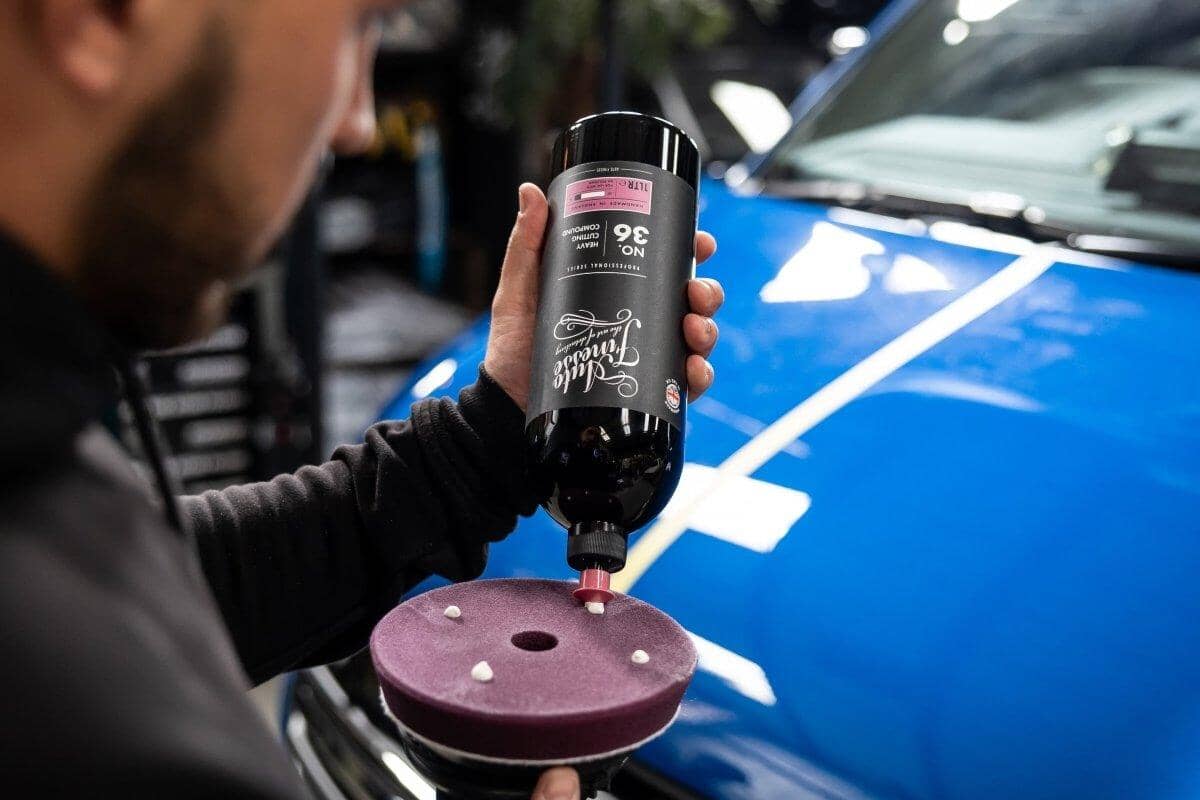
Polishing compound for cars is an abrasive detailing product that removes a thin layer of damaged clear coat to reduce scratches, swirl marks, oxidation, and paint imperfections while improving gloss.
Across the United States, many vehicle owners use polishing compound for cars to refresh paint that has become dull from road debris, automatic car washes, weather exposure, and everyday driving. A properly selected compound can help restore the appearance of a vehicle without repainting, but it must be used carefully because it works by removing a small amount of the clear coat.
A car polishing compound is not the same as wax or a paint sealant. Compound is designed for correction, while waxes and protectants are designed mainly to add protection after the paint surface has been improved. Understanding the difference helps drivers choose the correct product and avoid unnecessary paint damage.
Source: Bing
What Is Polishing Compound for Cars?
Polishing compound for cars is a paint correction material containing fine abrasive particles suspended in a liquid, cream, or paste formula. These abrasives level minor imperfections by removing microscopic amounts of the vehicle’s clear coat or paint surface.
Modern automotive finishes usually have a color coat protected by a clear coat. Most light scratches, swirl marks, and oxidation damage affect this upper clear coat layer. A compound can smooth the damaged area so light reflects more evenly, creating a cleaner appearance.
Source: Bing
Primary purpose
Compounds are used to correct defects such as oxidation, paint haze, swirl marks, and some surface scratches.
How it differs from polish
Compound generally provides stronger cutting ability, while finishing polish uses finer abrasives to refine clarity and gloss.
How it differs from wax
Wax adds a protective layer but does not remove defects from the paint surface.
Types of Car Polishing Compounds
Car compounds are commonly classified by cutting strength. Heavy-cut compounds remove more material and are intended for deeper defects, while fine-cut compounds are designed for lighter correction and finishing work.
Heavy-cut compound
Used for stronger correction needs such as deeper scratches, severe oxidation, or sanding marks when appropriate.
Medium-cut compound
Balances defect removal and finish quality for many common paint correction jobs.
Fine-cut compound
Designed for light imperfections and improving surface smoothness before protection.
How Does Car Polishing Compound Work?
Car polishing compound works through abrasion. The abrasive particles gradually level high spots around paint defects, reducing the visual depth of scratches and making the surface more uniform.
The amount of correction depends on several factors, including the compound’s aggressiveness, the vehicle’s paint hardness, the pad used, application method, and the condition of the paint.
Source: Bing
Surface preparation
The vehicle should be washed and free from dirt or contaminants before compounding to prevent additional scratches.
Controlled abrasion
The compound removes a small amount of material instead of filling defects temporarily.
Final refinement
Many vehicles benefit from a finishing polish or protective product after compounding.
What Defects Can Compound Remove?
A polishing compound can improve many clear coat imperfections, but it cannot repair every type of damage. Deep scratches that reach the color coat or metal may require professional repair.
Usually correctable
Light scratches, oxidation, swirl marks, water spot staining, and paint dullness may improve with proper compounding.
Usually not correctable
Peeling clear coat, deep gouges, rust, and damage through multiple paint layers generally need other repair methods.
How to Use Polishing Compound on a Car Safely
Using polishing compound correctly requires preparation, patience, and careful control. The goal is to remove only the damaged surface layer needed to improve appearance while preserving as much clear coat as possible.
Before starting, work in a shaded area with moderate temperatures. Direct sunlight and hot panels can cause compound to dry too quickly and make application more difficult.
Source: Bing
Step 1: Wash and inspect the paint
Remove dirt and examine scratches to determine whether compounding is appropriate.
Step 2: Choose the correct compound and pad
Start with the least aggressive combination that can achieve the desired correction.
Step 3: Apply a small amount
Use controlled amounts of compound and work in small sections.
Step 4: Check the results
Remove residue and inspect the finish before continuing.
Step 5: Protect the paint
Apply a suitable protective product after correction.
Hand Application vs Machine Application
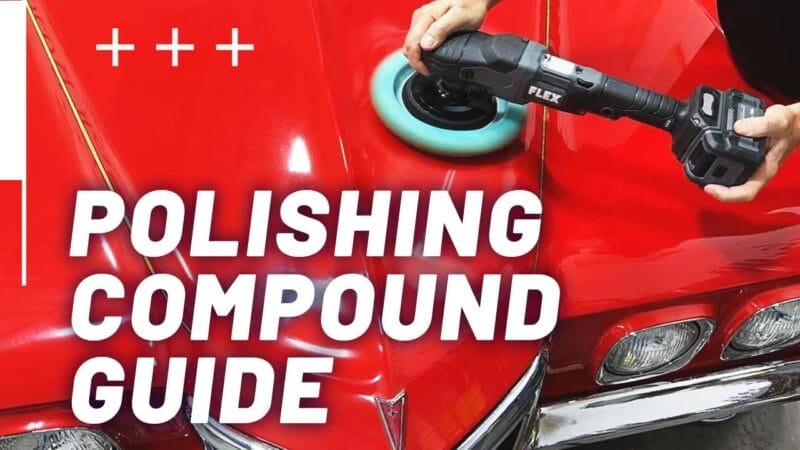
Hand application offers more control and is suitable for small areas or minor defects. Machine polishers can correct paint faster and more consistently but require proper technique to avoid overheating or excessive material removal.
Hand polishing
Better for beginners and small correction areas but requires more effort.
Machine polishing
More efficient for larger areas but requires training and careful pressure control.
How to Choose the Right Polishing Compound for Your Car
The best polishing compound depends on the paint problem being corrected. Choosing the strongest compound available is not always the best approach because unnecessary abrasion can shorten the remaining clear coat life.
Source: Bing
For light swirl marks
A fine or medium compound may provide enough correction without excessive cutting.
For oxidation and neglected paint
A stronger compound may be needed, followed by refinement and protection.
For delicate paint finishes
Use a gentle approach and test a small area first.
Compound Selection Guide
The following table provides a general guide. Actual results vary depending on paint type, condition, tools, and technique.
Minor defects
Choose a lighter cutting compound for small imperfections and improved clarity.
Moderate defects
Choose a medium correction product when more cutting ability is needed.
Severe defects
Consider professional evaluation before aggressive correction.
Common Mistakes When Using Car Polishing Compound
Many paint correction problems happen because users apply too much pressure, skip preparation, or select a compound that is more aggressive than necessary.
Source: Bing
Skipping the wash step
Dirt left on the surface can create additional scratches during polishing.
Using too much product
Excess compound can reduce control and make residue harder to remove.
Expecting compound to fix deep damage
Some defects require repainting or professional repair rather than polishing.
Ignoring paint thickness
Repeated aggressive correction can reduce protective clear coat thickness.
Safety and Paint Protection Limits
Compounding should be viewed as a controlled correction process, not a routine cleaning step. Repeated removal of clear coat can eventually reduce the paint system’s protection against environmental damage.
Test first
Always test an inconspicuous area before treating the entire vehicle.
Know when to stop
If defects remain after reasonable correction, further abrasion may cause more harm than improvement.
Frequently Asked Questions
Q
Can polishing compound remove deep scratches from a car?
Polishing compound can reduce the appearance of many surface scratches, but it cannot usually remove scratches that penetrate through the clear coat into the paint layer or metal.
Q
Is car polishing compound the same as rubbing compound?
The terms are sometimes used interchangeably, but rubbing compounds often refer to more aggressive cutting products. Modern polishing compounds include a wide range of cutting strengths.
Q
Can I use polishing compound by hand?
Yes. Hand application can work for minor defects and gives beginners more control, although machine polishing is generally faster for larger correction jobs.
Q
How often should I use polishing compound on my car?
Compounding should not be performed unnecessarily because it removes a small amount of clear coat. The frequency depends on paint condition and correction needs.
Q
Should I wax after using polishing compound?
After compounding, applying a protective product such as wax, sealant, or another paint protectant can help preserve the improved finish.
✦ Wrapping Up
Conclusion
Polishing compound for cars is a useful paint correction tool when used with the right product, technique, and expectations. It can improve many common defects by carefully leveling damaged paint surfaces, but it cannot replace professional repairs for severe damage.
For the best results, inspect the paint condition first, choose the least aggressive effective compound, work carefully, and protect the finish after correction.
💡 Key Takeaway
Before using any car polishing compound, identify the type of paint defect, test a small area, and focus on correcting only as much as necessary.
Tyron Torres is an automotive diagnostics writer and hands-on vehicle maintenance enthusiast with years of experience troubleshooting brake systems, suspension issues, and everyday car performance problems. He specializes in breaking down complex mechanical issues into simple, practical guides that drivers can use to quickly identify and fix common vehicle faults.
Learn how to use a magnetic car phone holder safely and effectively. Follow our step-by-step guide to secure your device perfectly for any 2026 commute.
Compare wired vs wireless CarPlay to understand speed, reliability, sound quality, compatibility, and convenience. Learn which Apple CarPlay setup is best for your driving needs.
Learn how to use a car phone holder safely and effectively. Follow our simple steps to mount your device for a hands-free, distraction-free driving experience.
Keep drinks and liquids safe on the road. Learn easy, effective ways on how to secure large bottles in a car to prevent spills, damage, and distraction.