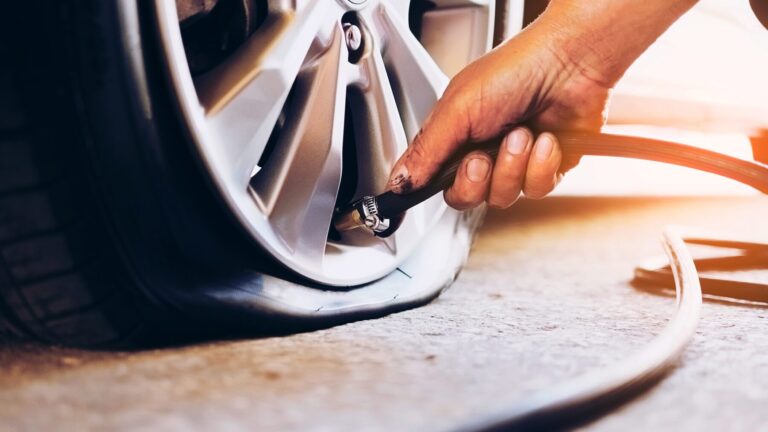
Use an air compressor, a pressure gauge, and the correct PSI to fill tires safely and efficiently.
I’ve spent years working with cars and compressors. I’ll show you clear steps, safety tips, and real tricks to help you learn how to inflate tires with an air compressor. This guide covers tools, prep, step-by-step actions, troubleshooting, and when to stop. Read on for easy, confident results.

Tools and prep: what you need to inflate tires with an air compressor
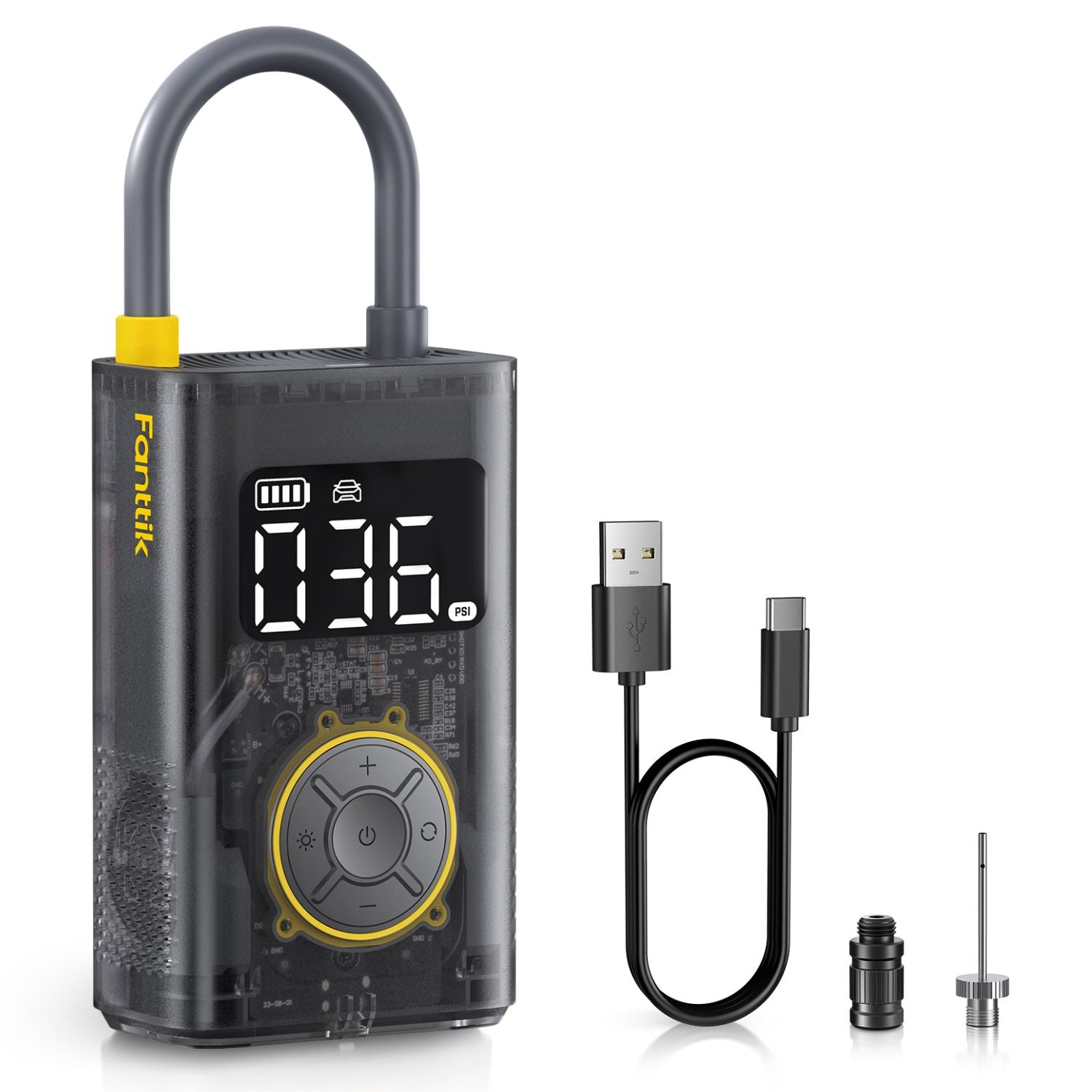
Before you learn how to inflate tires with an air compressor, gather the right tools. You need an air compressor with a hose, a tire pressure gauge, and a valve-cap remover. Also have the vehicle’s recommended PSI from the owner’s placard or manual. Check the compressor oil and air filter if you use a wet-type compressor. Vehicle makers and tire pros recommend checking cold pressure for best accuracy.

Step-by-step: how to inflate tires with an air compressor
Follow these simple steps to learn how to inflate tires with an air compressor safely.
- Park and cool
- Park on level ground and set the parking brake.
- Wait if the car has been driven hard; cold pressure is more accurate.
- Find the correct PSI
- Read the tire placard in the driver door or the manual.
- Do not use the number printed on the tire sidewall.
- Remove valve cap and check pressure
- Remove the cap and press a tire gauge on the valve stem.
- Note the current PSI and the amount you need.
- Connect the compressor
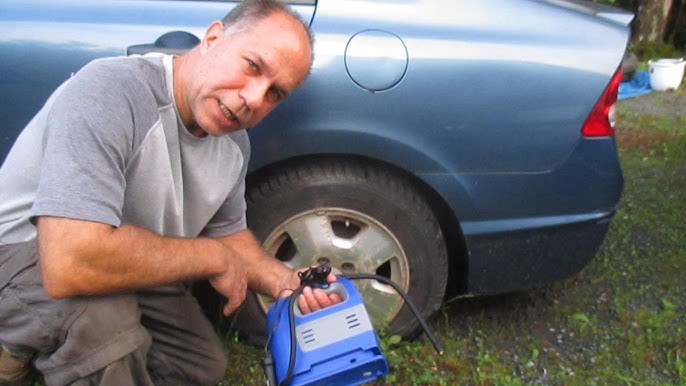
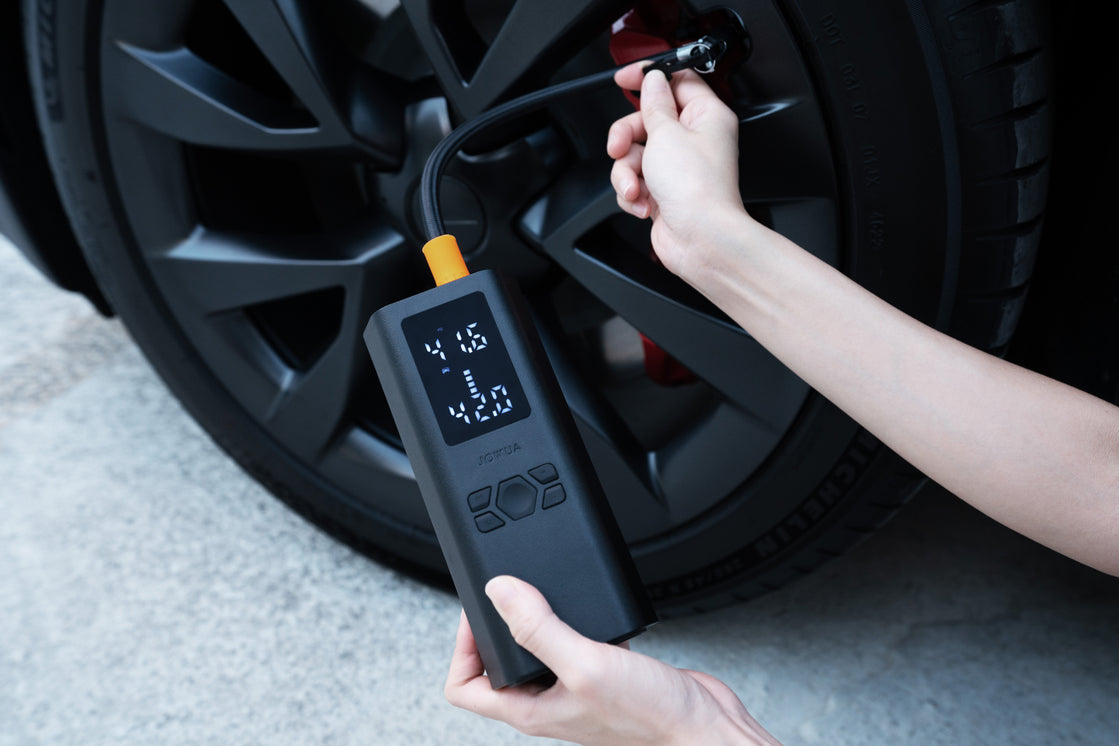
- Attach the compressor hose to the valve. Use a quick-release chuck for a tight seal.
- Turn the compressor on briefly in short bursts.
- Add air slowly and re-check
- Inflate for 2–3 seconds, then stop and measure with your gauge.
- Repeat until you reach the recommended PSI.
- Final checks
- Re-tighten the valve cap.
- Inspect the tire for damage and repeat for other tires.
I learned to add air in short bursts. It helps avoid over-inflation and gives time to measure. Practice makes the process smooth.
Tire pressure tips and best practices when inflating with an air compressor
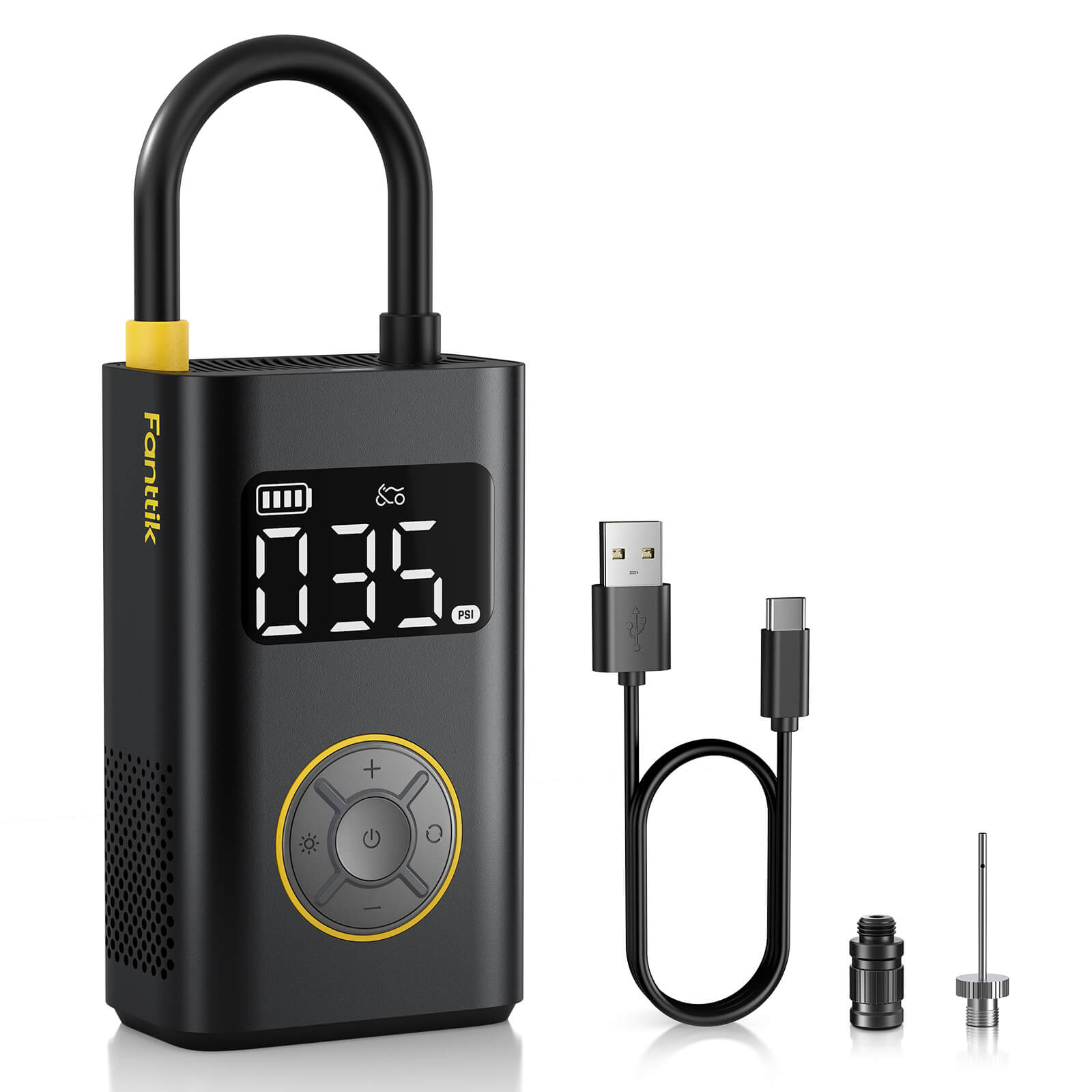
Good pressure helps ride comfort, tire life, and fuel use. Inflate to the vehicle’s recommended PSI, not the tire’s max PSI. Check tires monthly and before long trips. If you lower your load or tow, follow the vehicle’s towing pressure guidelines. Use a quality gauge instead of relying only on the compressor’s built-in gauge for accuracy.
Safety and common mistakes to avoid while inflating tires with an air compressor
Safety matters when you learn how to inflate tires with an air compressor. Never exceed the recommended PSI. Avoid leaving the compressor running unattended. Watch the hose and fittings for leaks or wear. Replace damaged valve stems or tires and do not patch a sidewall.
Troubleshooting: problems you might see and how to fix them
If the compressor won’t build pressure, check the power source and the compressor oil. If air leaks at the valve, press the chuck down fully or use a different adapter. Rapid pressure loss after filling usually means a puncture or failing valve core. Use a soap-and-water test to spot small leaks. If unsure, visit a tire shop.

Maintenance and storage for your compressor and tire tools
Keep your compressor clean and dry. Drain the moisture from the tank after each use for air compressors that collect water. Replace worn hoses and check the pressure gauge calibration. Store your gauge and chuck in a small toolbox to protect them from dirt and damage.
People also ask: quick answers about inflating tires with an air compressor
How often should I check tire pressure?
Check monthly and before long trips. Check when tires are cold for best accuracy.
Can I overinflate my tires with an air compressor?
Yes. Overinflation can harm handling and increase wear. Stop at the vehicle-recommended PSI.
Is the compressor gauge accurate?
Built-in compressor gauges can vary. Use a handheld gauge to confirm pressure.

Frequently Asked Questions of how to inflate tires with an air compressor
How long does it take to inflate a tire with an air compressor?
It usually takes 1 to 5 minutes per tire depending on the compressor size and how flat the tire is. Small compressors work slower, so expect longer fill times.
Can I use a compressor at a gas station to inflate tires?
Yes, you can use a station compressor. Bring your own gauge to verify pressure because station gauges can be off.
Should I inflate tires when they are hot?
No. Measure and set pressure when tires are cold. Hot tires read higher and can lead to underinflation once cooled.
What PSI should I use when inflating with an air compressor?
Use the vehicle manufacturer’s recommended PSI found on the driver door placard or owner’s manual. Do not use the tire sidewall number.
How do I know if I overinflated a tire?
The car will feel harsh and the center tread will wear faster. If overinflated, let air out until the correct PSI is reached.
Conclusion
You now have a clear, practical plan for how to inflate tires with an air compressor. Gather the right tools, follow the step-by-step process, and use short bursts of air while checking pressure often. Practice these steps and you will gain speed and confidence. Try inflating one tire today, and leave a comment about your experience or subscribe for more simple, practical car care tips.