Use a gauge and compressor to inflate the Audi spare to the recommended PSI quickly and safely.
I have worked on many Audi models and taught drivers how to inflate audi spare tire safely. I will walk you through clear steps, tools, and safety checks. This guide covers compact spares, full-size spares, Audi compressor kits, TPMS notes, and common mistakes. Read on for precise, practical help you can use right now.

Why correct pressure matters for your Audi spare tire
Proper pressure keeps the spare safe to drive on. A soft spare can fail, and an overinflated spare rides harsh. Many Audi spares are temporary. They need higher pressure than regular tires. Learning how to inflate audi spare tire protects you and others on the road.
Types of Audi spare tires and where to find the correct PSI
Most Audis use one of three spare types:
- Full-size spare. It matches normal tires and uses normal PSI.
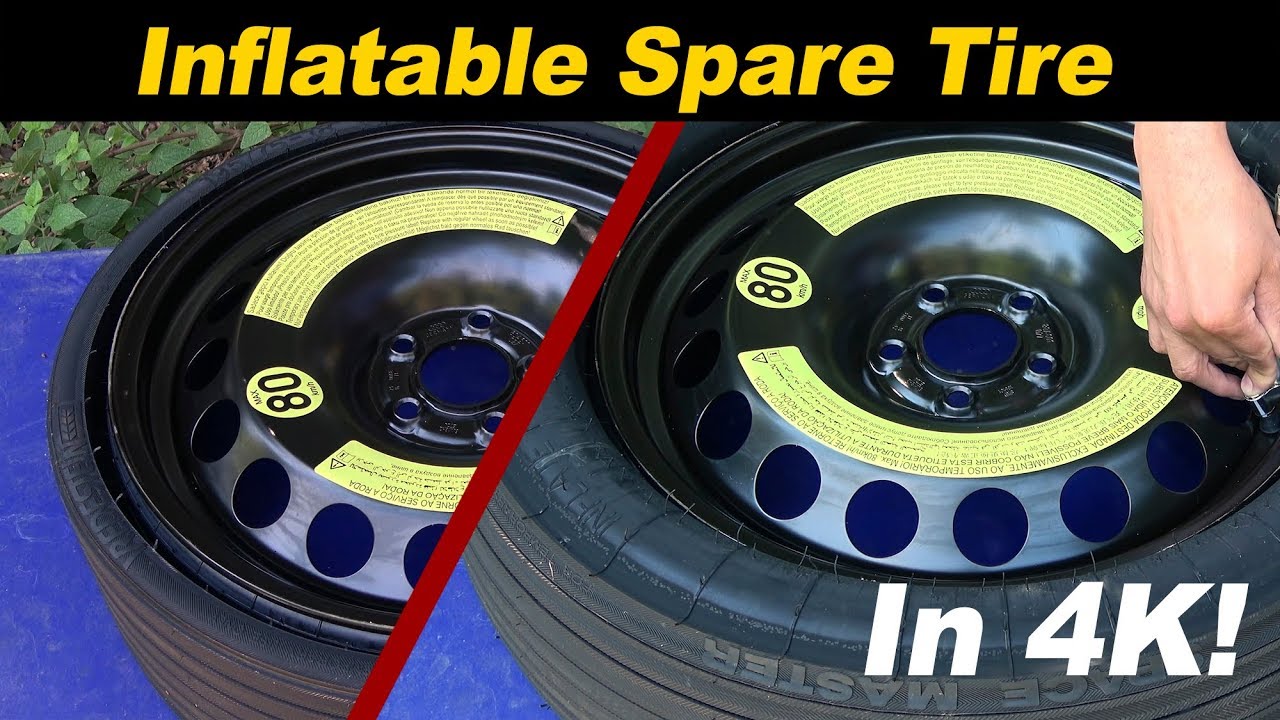
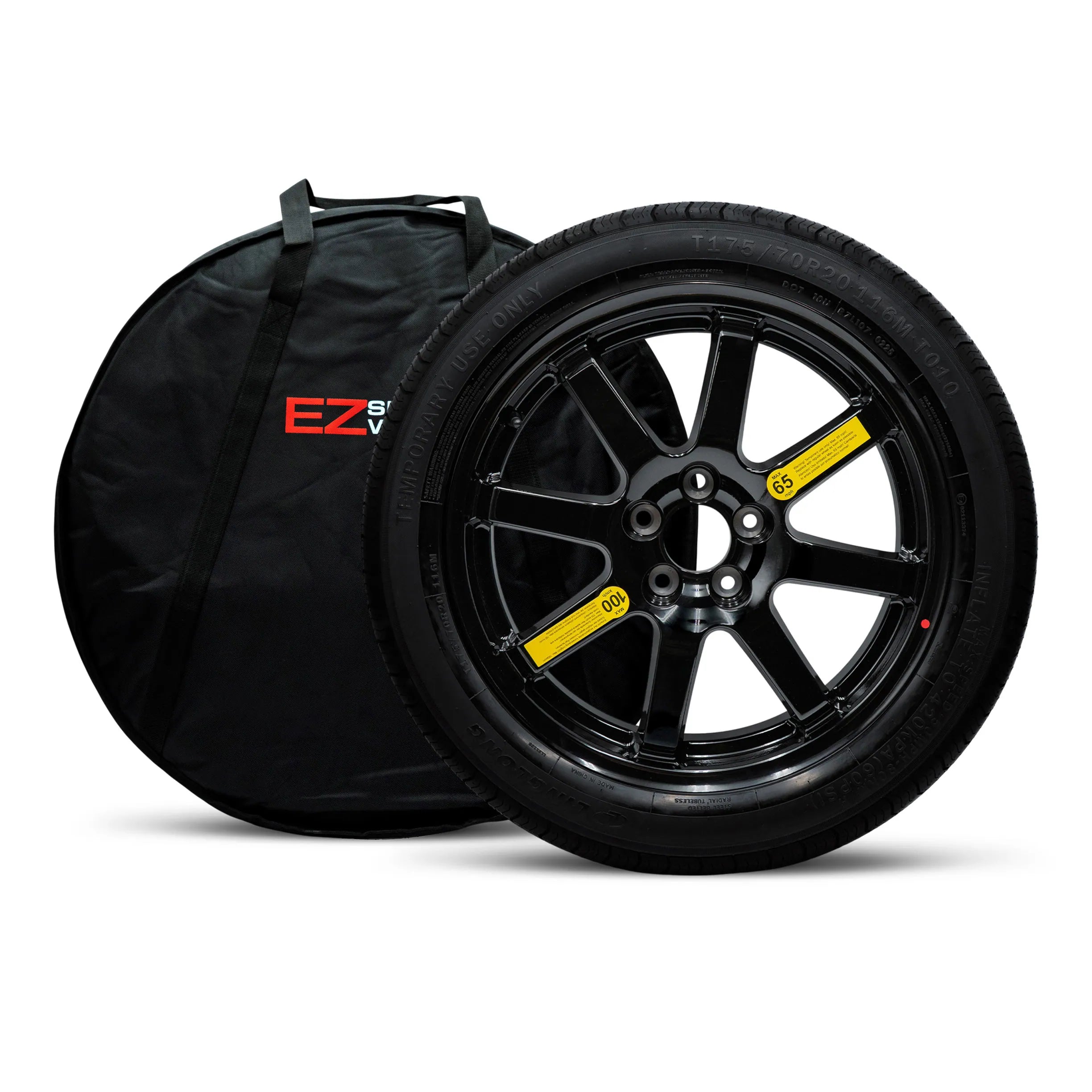
- Compact or donut spare. It is smaller and often needs high PSI, commonly around 60 PSI.
- Run-flat spare or repair kit. It may replace a physical spare and use a compressor.
Find the correct pressure:
- Check the vehicle owner’s manual.
- Look at the spare tire sidewall for a pressure marking.
- Check the label on the trunk, inside the fuel door, or on the driver door jamb.
Knowing the type helps you decide how to inflate audi spare tire correctly.

Tools you need to inflate Audi spare tire
Gather tools before you start:
- Tire pressure gauge. Use a digital or reliable stick gauge.
- Portable air compressor or a 12V Audi inflator kit.
- Valve cap remover if needed.
- Tire chock and gloves for safety.
- Flashlight if you work at night.
A good gauge and a stable compressor make the task fast and accurate. If your Audi has a factory kit, use those items first.

Step-by-step: how to inflate audi spare tire
Follow these steps in order. Work on a flat, safe surface. Use short bursts with the compressor.
- Park safely and set the parking brake. Place wheel chocks.
- Access the spare. Open the trunk and remove the cover. Unbolt or release the spare.
- Inspect the spare. Look for cuts, cracks, or objects stuck in the tire.
- Remove the valve cap. Keep it on a cloth so you do not lose it.
- Check the current PSI with your gauge. Record the number.
- Confirm the correct PSI from the manual or tire sidewall. Use the higher value if you have a donut.
- Attach the compressor hose to the valve stem. Press firmly until it seals.
- Turn on the compressor. Add air in 5–10 second bursts.
- Pause and recheck the PSI with your gauge. Repeat until at target pressure.
- Replace the valve cap and stow the invoice, tools, and spare properly.
If the spare does not hold pressure, it may be damaged. Do not drive on a leaking spare.

Using an Audi inflator kit or portable compressor
Many Audis include an inflator and sealant kit. Follow these tips:
- Read the instructions on the kit before use.
- Plug the compressor into the 12V outlet and start the car if required.
- Use the built-in gauge on the kit for an initial reading, then verify with your gauge.
- If the kit uses sealant, know that it is temporary and can affect TPMS sensors.
If you prefer a portable compressor, choose one rated for your target PSI. Most compact spares need higher pressure, so check the max output of the pump.

Tire pressure monitoring system (TPMS) and reset notes
Audi vehicles use TPMS to monitor tire pressure. When you use a spare, the TPMS may display a fault. Steps to manage TPMS:
- Inflate the spare to the correct PSI. Wait a few minutes for sensors to update.
- Check the dash for TPMS alerts. Some Audis auto-calibrate after a short drive.
- If the alert persists, consult the owner’s manual for reset steps or visit a dealer.
Remember that sealant can interfere with sensors. Service may be needed after sealant use.

Troubleshooting and common mistakes when you inflate audi spare tire
Avoid these common errors:
- Not checking the correct PSI. Always verify the recommended pressure.
- Overinflating to the max PSI on the sidewall. Use the vehicle recommended pressure.
- Using an underpowered pump. It takes too long and fills unevenly.
- Ignoring visible damage. Never inflate a tire with sidewall cuts or big gashes.
- Forgetting to recheck after a short drive. Temperature changes affect pressure.
If the spare leaks after inflation, remove the tire and inspect the valve core or stem. Replace the valve core if damaged.

Quick PAA-style questions about how to inflate audi spare tire
What PSI should my Audi spare have?
- Check the spare sidewall, the trunk sticker, or the owner’s manual for the exact PSI.
Can I use household compressors to inflate the spare?
- Yes, if the compressor reaches the spare’s target PSI. Use a quality gauge to confirm.
How long should I run the compressor?
- Add air in short bursts and check pressure often. Stop when you reach the recommended PSI.
Personal experience and pro tips from working on Audis
I once changed a compact spare on an A4 at night. I used a small LED lamp. The trunk sticker listed 60 PSI. I had a reliable digital gauge. The pump I borrowed could not hit 60 PSI. I learned to always carry a high-pressure pump in my trunk.
Tips I use and recommend:
- Keep a spare digital gauge in the glove box.
- Top off the spare pressure every three months.
- Practice accessing the spare so you can do it fast in an emergency.
- Replace old spare tires after six to ten years, even if unused.
These small habits make roadside inflation less stressful.
Safety checklist before you drive on a spare
Do a quick safety check:
- Confirm the spare is at the correct PSI.
- Inspect the tire for damage or excessive wear.
- Tighten the wheel nuts to the specified torque.
- Drive slowly and avoid long distances on temporary spares.
Temporary spares are for short-term use only. Use them to get to a repair shop.
Frequently Asked Questions of how to inflate audi spare tire
How do I find the right PSI for my Audi spare tire?
Check the spare sidewall, the vehicle sticker, or the owner’s manual. Use that value as your target.
Can I use any air compressor to inflate the Audi spare?
You can if the compressor reaches the needed PSI. Many compact spares need high pressure, so check the pump rating.
Is it safe to drive long distances on an Audi donut spare?
No. Donut spares are temporary. Drive short distances at low speed to reach a service center.
What if the spare keeps losing pressure after inflation?
Inspect the valve core and stem for leaks. If the tire has sidewall damage, replace it.
Will using sealant from a kit harm my Audi’s TPMS?
Sealant can affect TPMS sensors. You may need a TPMS service or replacement after using sealant.
How often should I check the spare tire pressure?
Check the spare every three months and before long trips. Pressure can drop slowly over time.
Final thoughts
You can inflate the spare on your Audi with basic tools and safety checks. Know the spare type and the correct PSI before you start. Carry a good gauge and a compressor that reaches the needed pressure. Practice these steps so you are confident during an emergency. Try the procedure once at home to learn the controls and feel. Share your experience, subscribe, or leave a comment about your Audi spare tips.