Optimal pressure depends on tire width, rider weight, and terrain—typically 40–80 psi for most bikes.
I’ve tuned tires for road rides, gravel adventures, and city commutes for years. This guide explains exactly how inflated should bike tires be, why the number matters, and how to find the right pressure for your bike and riding style. I combine hands-on experience, simple testing steps, and clear rules you can use today.
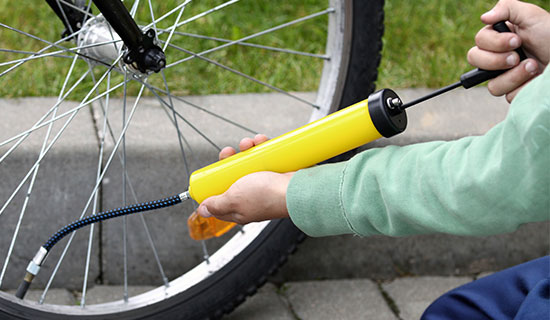
Why tire pressure matters and a simple definition
Tire pressure is the air pressure inside your tube or tubeless tire. It affects comfort, rolling speed, grip, and puncture resistance. Knowing how inflated should bike tires be helps you ride safer and faster.
Good pressure balances:
- Traction on corners.
- Comfort over bumps.
- Rolling resistance on flats.
- Protection from pinch flats and rim damage.
I’ve learned that small pressure changes make big differences. A firm tire can feel fast but harsh. A softer tire can feel slow but grippy. Finding the sweet spot is the goal.
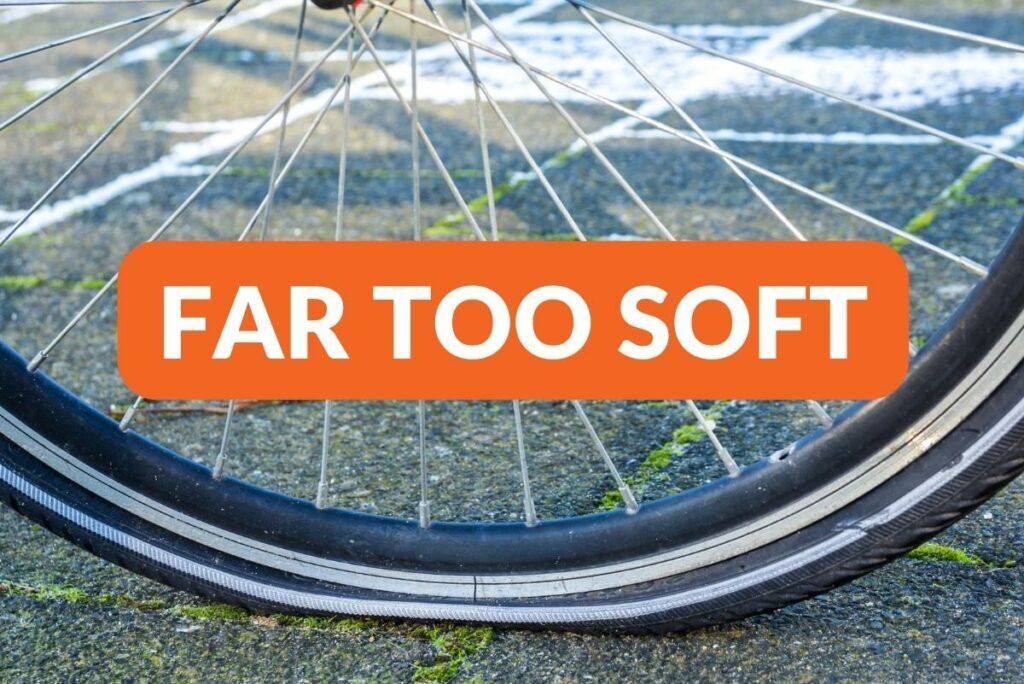
How to read tire sidewalls and pressure limits
Tire makers print recommended ranges on sidewalls. That range is the safe zone for that tire’s construction. Always start there when deciding how inflated should bike tires be.
Key points:
- You’ll see two numbers: minimum and maximum pressure. Respect both.
- Width affects pressure. Narrow tires need higher psi than wide tires.
- Tubeless tires often run lower than clinchers with tubes.
If sidewall numbers conflict with rim limits or tube ratings, use the lowest safe number.
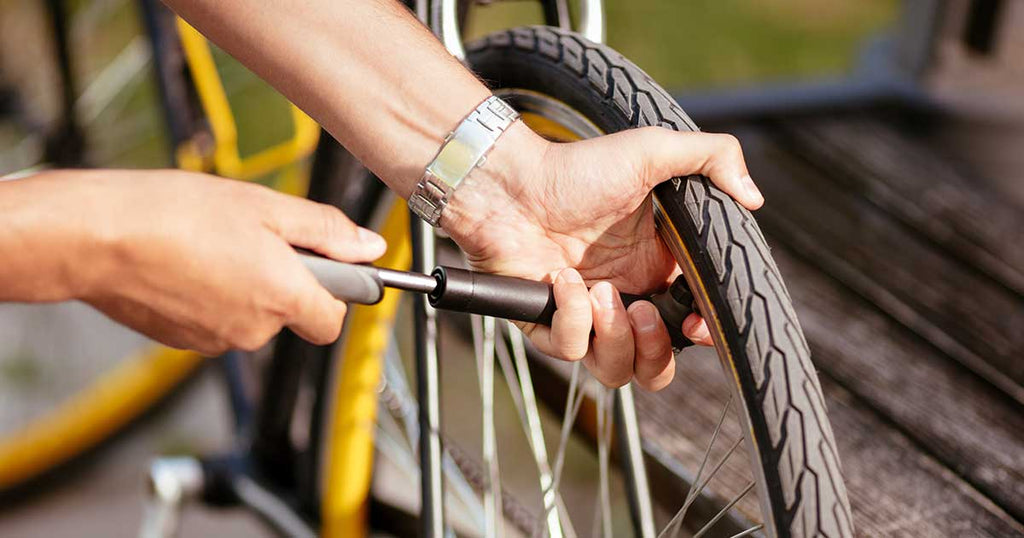
Recommended pressure ranges by bike type and tire width
Below are practical ranges. These are starting points. Tweak based on weight and terrain to answer how inflated should bike tires be for you.
Road bikes (23–32 mm)
- 80–120 psi for very narrow race tires.
- 70–90 psi for wider 25–32 mm where comfort matters.
Gravel and cyclocross (35–45 mm)
- 30–50 psi for mixed dirt and hardpack.
- 20–35 psi for loose or rocky trails.
Mountain bikes (29–27.5 with wider tires)
- 18–35 psi depending on tubeless setup and terrain.
- Lower pressures improve traction but increase rim damage risk on rocks.
Hybrid, commuter, and e-bikes (28–40 mm)
- 40–70 psi works well for mixed city surfaces.
Remember that the phrase how inflated should bike tires be depends on your tire width and use. These ranges are guideposts. I often set road tires near the lower half for comfort and sprint sections near the upper half for stability.
Factors that change how inflated should bike tires be
Several variables shift the ideal pressure. Consider these when you adjust tires.
Rider weight
- Heavier riders need higher pressure to avoid squirm and rim strikes.
- Lighter riders can run lower pressure for comfort and grip.
Terrain and conditions
- Smooth roads favor higher pressure.
- Rough roads, dirt, and wet conditions favor lower pressure for grip.
Rim width
- Wide rims support wider tires and allow lower pressure safely.
- Narrow rims need higher pressure to avoid sidewall collapse.
Tire construction
- Lightweight race tires may need more pressure.
- Reinforced tires can run lower without flats.
Tubeless vs tube
- Tubeless allows lower pressure with less pinch-flat risk.
- Tubed tires need more pressure to avoid pinch flats.
Personal riding style
- Aggressive cornering benefits from slightly higher pressure.
- Touring and comfort riders often prefer lower pressure.
How inflated should bike tires be will change with these factors. I always evaluate all of them before a ride.

How to measure and set tire pressure: step-by-step
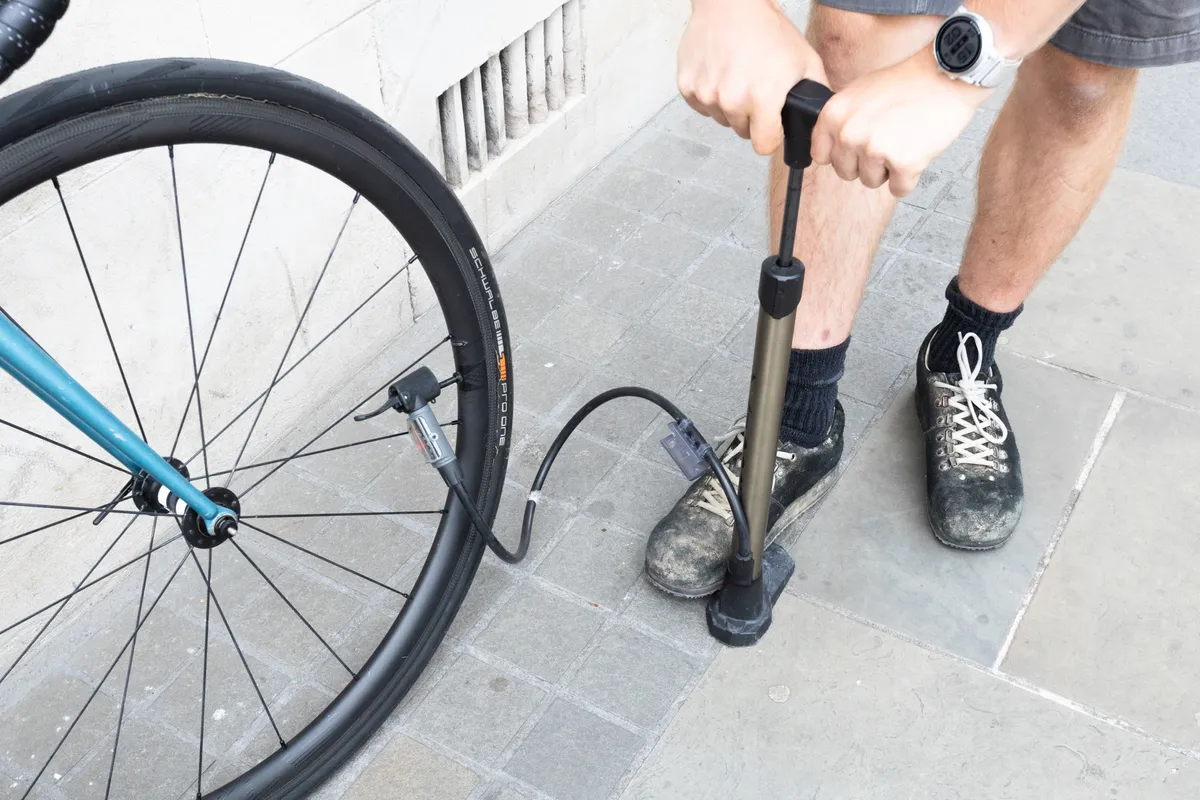
Use a good pump with a gauge or a separate hand gauge. Cheap pumps often lie. Here’s my simple routine to get pressure right.
- Check the sidewall for recommended range.
- Weigh yourself with gear if you want precision.
- Start at the midpoint of the recommended range.
- Inflate and do a short test ride of 10–15 minutes.
- Adjust pressure in 5–10 psi steps until it feels right.
Tips:
- Check pressure cold before a ride. Heat raises measured pressure.
- Use a digital gauge for repeatable accuracy.
- Keep a small pump or gauge on long rides.
This process answers how inflated should bike tires be for your weight and terrain through quick testing.
Benefits and trade-offs: high pressure vs low pressure
When deciding how inflated should bike tires be, you are choosing trade-offs.
High pressure benefits
- Lower rolling resistance on smooth surfaces.
- Less chance of pinch flats.
- Better efficiency for long road rides.
High pressure trade-offs
- Harsher ride and more vibration.
- Less traction on rough or wet surfaces.
Low pressure benefits
- Better comfort and traction.
- Improved grip on loose surfaces.
- Smoother ride over ruts and roots.
Low pressure trade-offs
- Higher rolling resistance on smooth tarmac.
- Increased risk of rim strikes if too low.
Balance these pros and cons based on your ride. For me, a slight drop in pressure often beats the theoretical speed gain because comfort and control matter more on mixed roads.
Common problems and solutions
Knowing common issues helps you fine-tune how inflated should bike tires be.
Pinch flats
- Cause: Too low pressure with tube. Hitting a sharp edge compresses the tube.
- Fix: Increase pressure by 5–10 psi or switch to tubeless.
Frequent punctures
- Cause: Running too low or old tires with cuts.
- Fix: Inspect tires and raise pressure within safe range.
Poor cornering grip
- Cause: Pressure too high or wrong tire pressure balance front vs rear.
- Fix: Lower front pressure slightly for more bite.
Harsh ride
- Cause: Pressure too high.
- Fix: Reduce pressure in small steps.
Use these fixes to answer how inflated should bike tires be when you see issues.
Personal experience: lessons learned and real-world testing
I’ve tuned tires across 10,000+ miles on mixed bikes. Here are five lessons I learned about how inflated should bike tires be.
- Start at the sidewall midpoint. It’s a safe baseline.
- When carrying gear, add 5–10 psi to the initial setting.
- In cold weather, expect slightly lower comfort; pressure reads lower when cold.
- For long rough rides, I drop pressure by 5–8 psi from normal to save my knees.
- Tubeless setups let me run lower pressures with fewer pinch flats.
One race taught me a clear lesson. I ran 10 psi higher to avoid bounce on rough descents. I lost corner grip and crashed. After that, I value traction over marginal speed gains.
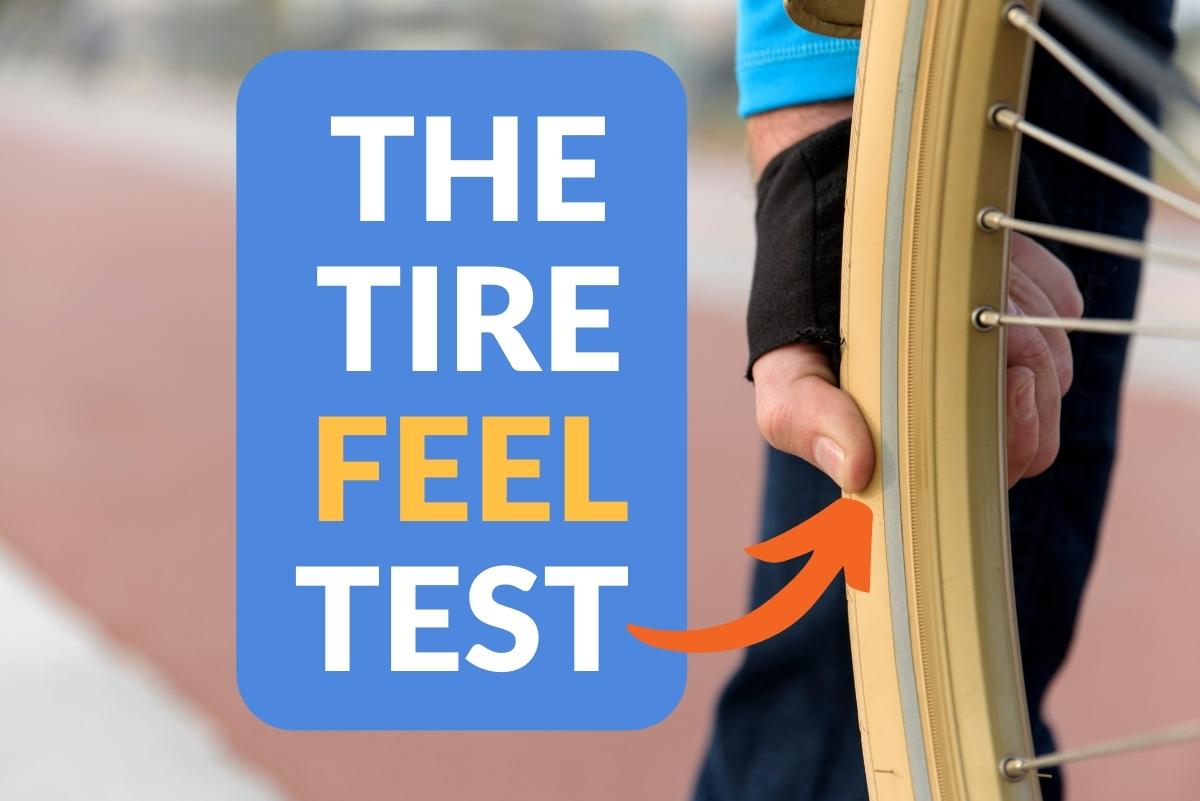
Quick tests to find your sweet spot
Use these easy tests to dial in how inflated should bike tires be for you.
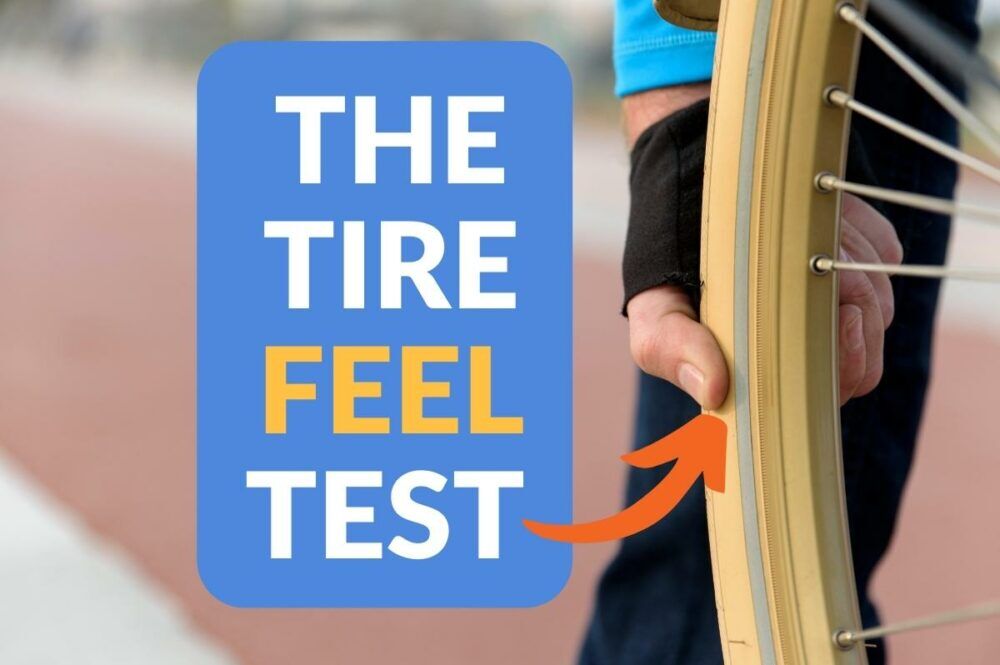
Thumb test
- Squeeze the tire. A firm tire barely compresses under a thumb.
- A soft tire compresses easily. Adjust until it feels right.
Ride test
- Ride 5 miles and note comfort and speed.
- Lower pressure if you feel too bumped. Raise it if you feel squirm.
Cornering test
- Take a few low-speed corners. If the tire slips, lower pressure slightly.
These simple checks helped me find consistent pressures across bikes.
Maintenance and long-term care
Keeping tires in good shape keeps pressure stable and performance reliable.
Routine care
- Check pressure weekly for regular riders.
- Inspect sidewalls and tread for cuts and wear.
- Replace old tires—age weakens rubber and increases punctures.
Storage tips
- Store bikes away from extreme heat and sunlight.
- Keep tires slightly inflated if storing long term to avoid flat spots.
Valve care
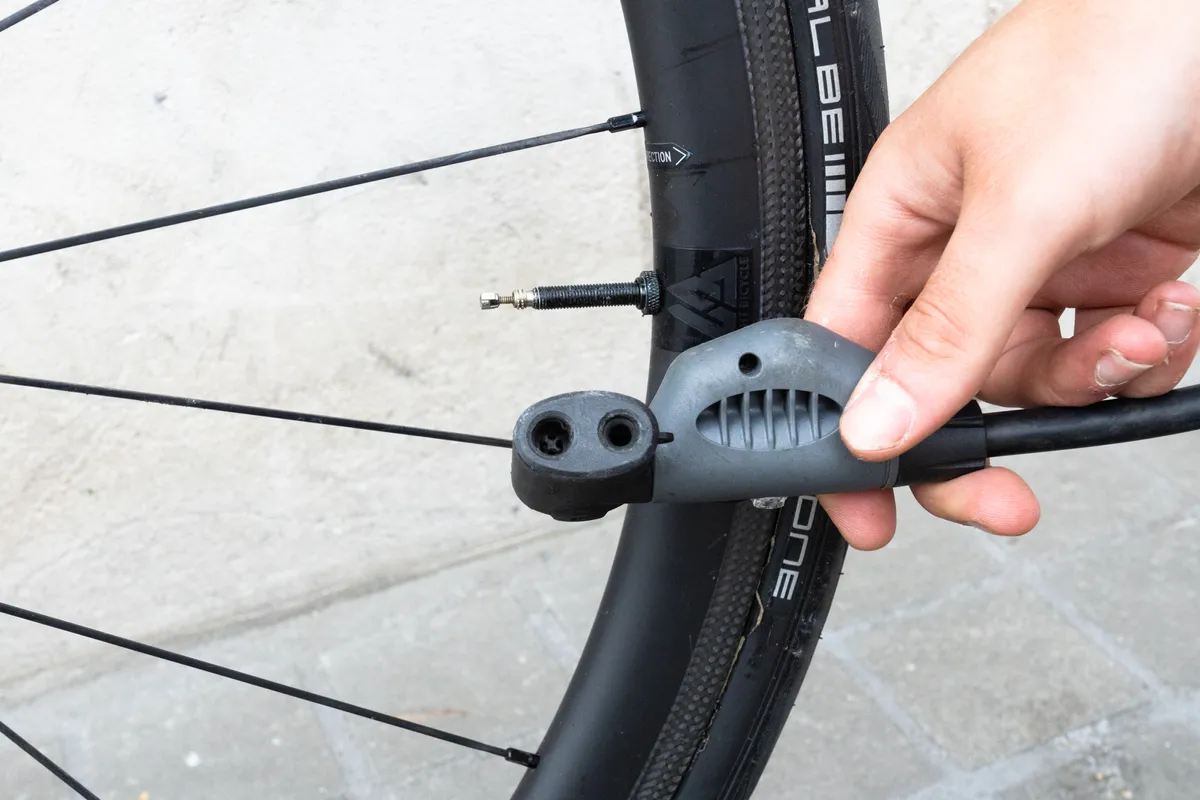
- Keep valve cores tight and clean.
- For tubeless, check sealant levels every few months.
Good maintenance reduces surprises and makes knowing how inflated should bike tires be easier.
Advanced topics: pressure math and calculators
If you want precision, some cyclists use formulas and calculators to fine-tune pressure. These tools factor in rider weight, tire width, and terrain. They answer how inflated should bike tires be with data.
Simple rule of thumb
- Add 1–2 psi for every extra 10 pounds of rider weight above 150 lb.
Use calculators for exact numbers. Then use ride testing to confirm. Numbers are guides, not gospel.
Frequently Asked Questions of how inflated should bike tires be
How often should I check my tire pressure?
Check pressure at least once a week if you ride regularly. For long rides, check before every ride to avoid surprises.
Can I run tires at the maximum sidewall pressure?
You can, but it’s not always best. Maximum pressure reduces comfort and can lower traction on rough roads.
Will lower pressure make me slower?
On smooth roads, lower pressure can increase rolling resistance slightly. On rough roads, lower pressure can make you faster by improving traction and reducing bounce.
How much pressure should a 28 mm road tire have?
Start around 70–90 psi for most riders. Adjust based on weight and comfort within the sidewall range.
Is tubeless always better for lower pressure?
Tubeless systems allow lower pressures with less pinch-flat risk and added traction. They do require sealant and occasional maintenance.
How does temperature affect tire pressure?
Heat raises pressure, and cold lowers it. Check pressure cold for consistent readings and expect small changes during long rides.
Conclusion
Choosing the right pressure means balancing speed, comfort, and safety. Use sidewall ranges, factor in rider weight and terrain, and test with short rides to find how inflated should bike tires be for you. Start at the midpoint, make small changes, and remember that traction and control often beat a small theoretical speed gain.
Take action: check your tire sidewalls, pump to the suggested midpoint today, and ride a short loop to fine-tune. Share your results or questions below and subscribe for more practical bike tips.