Your car may overheat only when idle due to poor airflow or cooling system faults.
I have spent years diagnosing cooling issues in many cars and trucks. If your car overheats only when idle, this guide explains why it happens and what to do. I will walk you through likely causes, step-by-step diagnosis, do-it-yourself fixes, when to call a pro, and simple maintenance to stop it from coming back. Read on for clear, actionable advice based on hands-on experience and industry best practice.

Why a car overheats only when idle
When a car overheats only when idle, the engine lacks enough airflow at low speed. Moving down the road forces air through the radiator. At a stop, the car must rely on fans and coolant flow. If fans fail or coolant flow is blocked, heat rises fast at idle.
Common reasons this happens:
- Radiator fan not running. Electrical faults, a bad fan motor, or a failed relay can stop the fan.
- Thermostat stuck partially closed. This limits coolant flow at low engine load.
- Air pockets in the cooling system. Trapped air prevents proper coolant circulation.
- Clogged or corroded radiator. Reduced cooling surface lowers heat transfer.
- Weak water pump. It may move coolant at speed but struggle at idle.
- Faulty coolant temperature sensor. This can keep fans from turning on when needed.
- Heavy accessory load at idle. Running A/C or power steering adds heat at stops.
- Blown head gasket or exhaust leak into cooling system. This raises idle temperatures fast.
I have seen many cars with this issue. In one case, a simple broken fan relay caused frequent overheating only at red lights. Fixing the relay stopped the problem within an hour. These faults are common and fixable when found early.

How to diagnose a car overheats only when idle
Diagnosing is mostly a process of observation and simple tests. Start safe and keep the engine cool before working.
Step-by-step checks:
- Check coolant level in the reservoir and radiator when cold. Low coolant is a common cause.
- Start the car and watch the temperature gauge while idle. Note when it rises.
- Turn the A/C on and off to see if fan behavior changes. Fans should kick on with A/C.
- Listen for the radiator fan. If it never runs at high idle, test fan fuse and relay.
- Watch fan operation while someone gently revs the engine. Fans should switch on at set temps.
- Inspect belts, hoses, and visible coolant leaks. Soft hoses or leaks point to poor flow.
- Feel radiator pipes (careful — hot). One side cold and one hot can mean thermostat stuck.
- Use a basic scan tool to read coolant temp sensor data and fan commands. Codes can point to failed sensors.
- Pressure test the cooling system to find leaks or a weak head gasket. Bubbles in the coolant or persistent pressure loss are red flags.
- Bleed the cooling system to remove air pockets. Air often causes overheating at idle.
Keep notes as you test. If fans run and coolant looks healthy, the pump or head gasket are likely suspects. If you are unsure, a shop can run a full pressure and combustion leak test.

How to fix when a car overheats only when idle
Fixing depends on the root cause. Start with the easiest and cheapest fixes first.
DIY fixes you can try:
- Top up coolant and bleed the system properly to remove air. This often helps right away.
- Replace a blown fan fuse or faulty relay. These are low cost and simple swaps.
- Swap a failing radiator fan motor. Use the correct OEM or high-quality replacement.
- Replace a stuck thermostat. This is common and usually affordable.
- Clean the radiator and condenser of debris. Good airflow helps at idle.
- Flush old coolant and replace with correct mixture and fresh coolant.
When to seek professional help:
- Replace the water pump if it leaks or shows poor flow under pressure. This often requires shop tools.
- Repair a blown head gasket or warped head. These are major repairs needing a machine shop.
- Replace a corroded or heavily clogged radiator. A pro can test and replace it cleanly.
- Diagnose intermittent electrical faults with advanced scan tools and wiring tests.
Costs vary based on vehicle and labor. Thermostat jobs are usually low cost. Fan motors and radiators cost more. Head gasket repairs are the most expensive and time consuming.
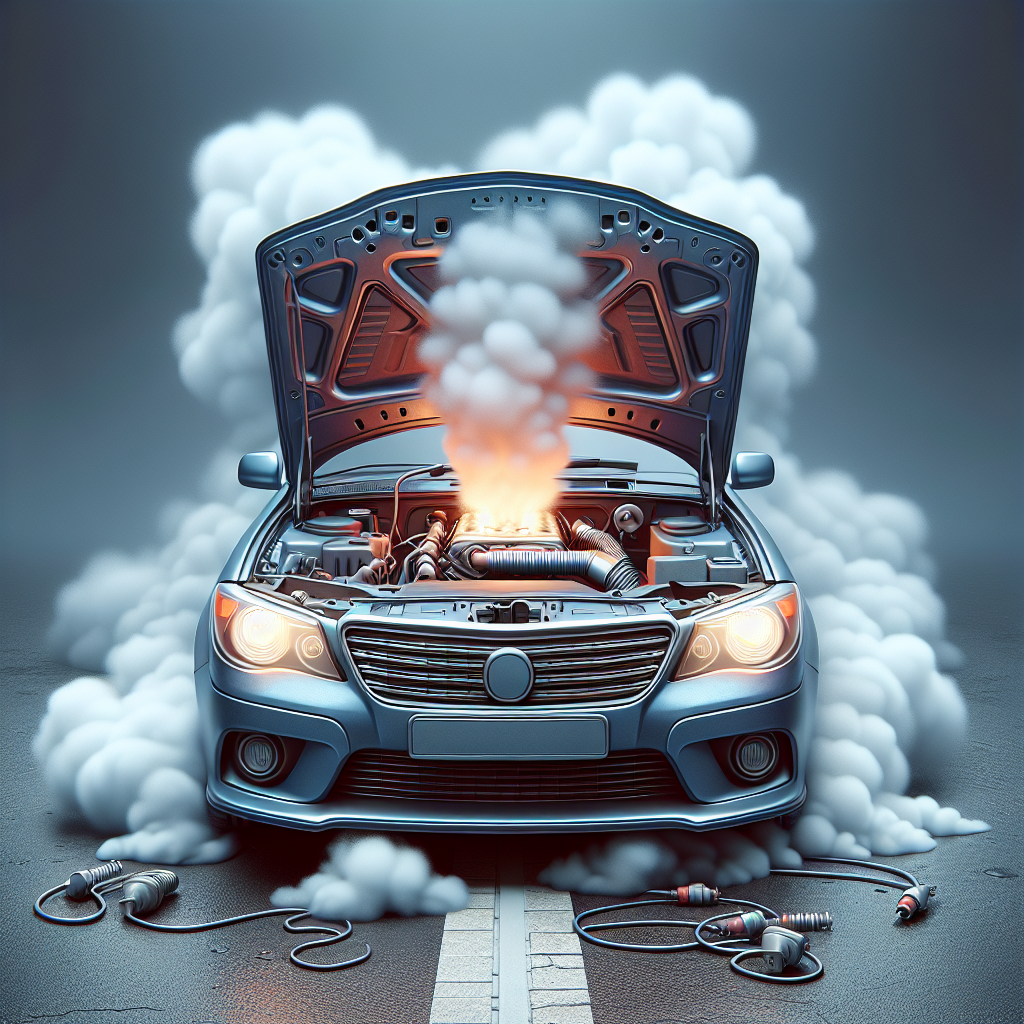
Preventive maintenance to stop overheating at idle
Simple checks can prevent most idle-only overheating issues. Do these tasks on a schedule.
Routine items to keep your car cool:
- Check coolant level monthly and before long trips.
- Replace coolant at the intervals the maker recommends.
- Inspect belts and hoses twice a year for cracks or swelling.
- Clean the grille, radiator, and condenser of bugs and debris.
- Test the radiator fan operation during cold starts and while running.
- Replace the thermostat and water pump at recommended service miles.
- Use the correct coolant type and mix ratio for your engine.
- Service the cooling system pressure cap if it fails to hold pressure.
I once drove a car that overheated only while idling because leaves blocked the lower grille. A quick clean fixed it. A small habit like cleaning the grille can save you a big repair bill.

Cost estimates and when to seek help
Here are ballpark costs to give you a sense of scale. Prices vary by region and vehicle.
Typical repair ranges:
- Thermostat replacement: low to moderate cost, usually a few hours of labor.
- Radiator fan motor or relay: moderate cost for parts and labor.
- Radiator replacement: moderate to high, depending on whether cooling lines or A/C disassembly is needed.
- Water pump replacement: moderate to high; often done with timing parts on some engines.
- Cooling system flush and coolant change: low cost.
- Head gasket repair: high cost and may require engine removal.
Seek help immediately if:
- You see white smoke from the exhaust with overheating.
- Coolant is milky or foamy, suggesting oil in the coolant.
- The car overheats rapidly and stays hot after driving.
- You get a persistent loss of coolant with no visible leak.
If in doubt, stop driving. Continuing to run a hot engine can lead to severe damage and much higher repair bills.

Frequently Asked Questions of car overheats only when idle
Why does my car overheat only at stoplights?
At stoplights you lose ram air from driving. The radiator fan must do all the cooling. If the fan, thermostat, or coolant flow is weak, the engine will heat fast at idle.
Can I drive if my car overheats only when idle?
You can drive short distances at low speed if the gauge stays below red. If the temperature climbs into the danger zone, stop and let the engine cool to avoid damage.
How do I test the radiator fan when my car overheats only when idle?
Run the engine until warm and listen for the fan. Turn the A/C on; the fan should run. Check fan fuse and relay if it does not. Use a scan tool for fan command checks.
Could low coolant cause overheating only at idle?
Yes. Low coolant lowers the system’s ability to move heat. At speed, airflow may hide the issue. At idle the lack of coolant becomes obvious.
Is a blown head gasket likely when the car overheats only when idle?
A blown head gasket can cause overheating at idle, but it often shows other signs. Look for white smoke, milky oil, or persistent pressure loss to confirm.
How quickly should I act if my car overheats only when idle?
Act the same day if possible. Small fixes are simple. Delaying can let small issues cause big damage.
Conclusion
When your car overheats only when idle, the problem is usually airflow, fan failure, or poor coolant circulation. Start with simple checks: coolant level, fan operation, and a system bleed. Fix the easy items first, then move to parts like the thermostat, fan motor, or pump if needed. Regular maintenance cuts risk and cost. Take action early to avoid costly engine damage and to keep your drives calm and safe. If this article helped, try the steps, leave a comment with your car model and symptoms, or subscribe for more practical auto care tips.