A clicking from your car AC compressor often signals a failing clutch or low refrigerant.
I’ve spent years fixing car HVAC systems and diagnosing noises. This article explains why the car AC compressor clicking noise occurs, how to find the root cause, and what to do next. Read on for clear steps, real-world tips, and cost-smart fixes so you can stop guessing and start repairing.
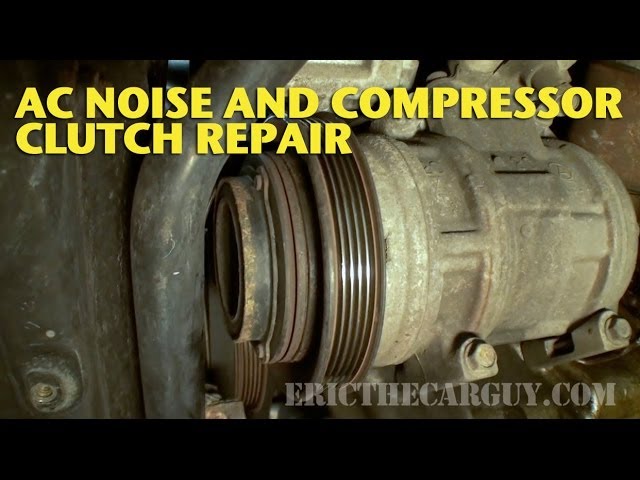
What causes a car AC compressor clicking noise?
A car AC compressor clicking noise can come from many parts.
It often means the compressor clutch is engaging and disengaging rapidly.
Low refrigerant can make the system cycle fast and click.
Electrical faults like a bad relay or loose wire can cause clicks.
Internal compressor wear, damaged bearings, and debris also make clicking sounds.
Common causes:
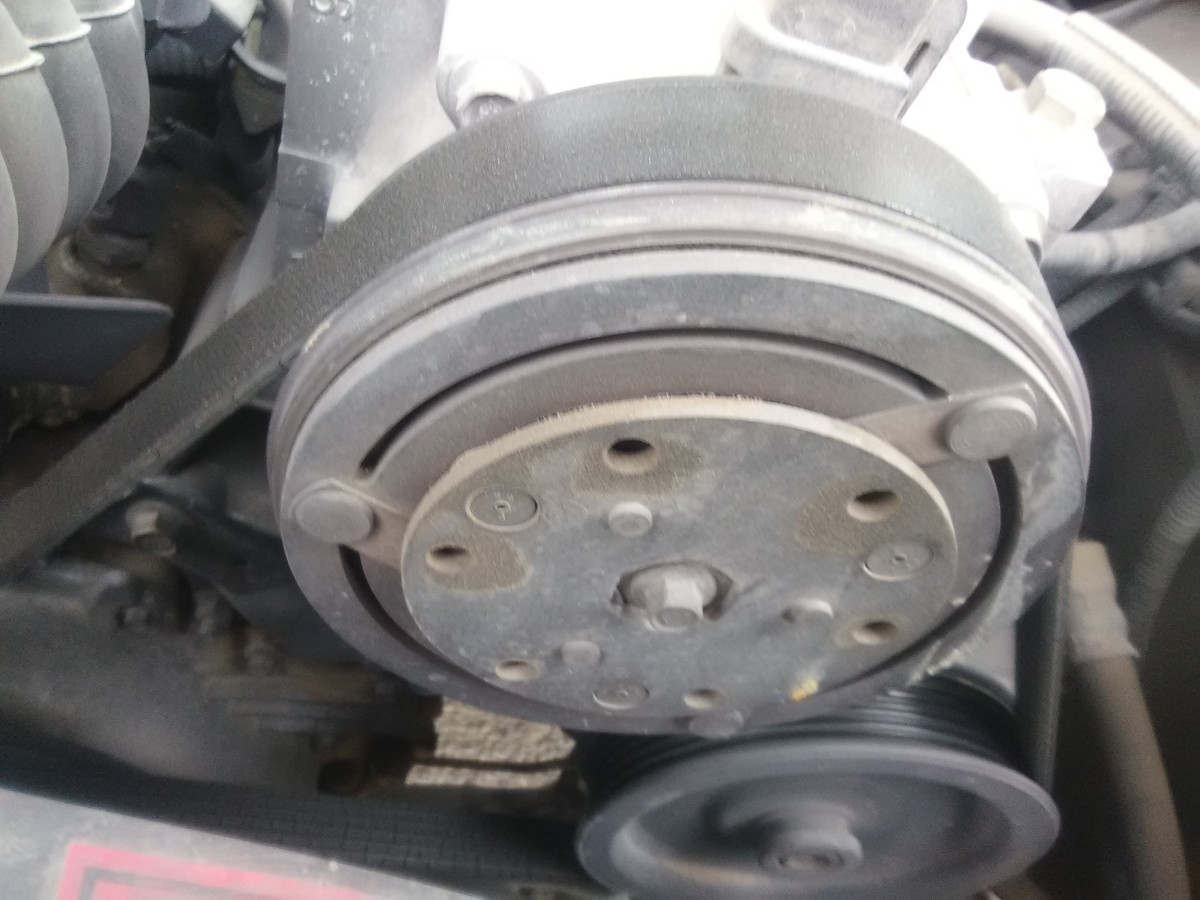
- Compressor clutch wear or misalignment — the clutch plates or hub can wear and click when they slip.
- Low refrigerant or a leak — causes frequent cycling and clicking as the system protects itself.
- Faulty relay or control module — an electrical click when the relay switches the compressor on and off.
- Worn internal parts — valves or pistons inside a failing compressor click or knock.
- Loose mounting bolts or brackets — vibration and movement create intermittent clicks.
- Expansion valve or orifice tube issues — sudden pressure changes can cause audible clicks.
I’ve seen simple relay failures mimic a failing compressor. Don’t replace the compressor on a hunch. Test first.

How to diagnose a car AC compressor clicking noise
Diagnosing the car AC compressor clicking noise starts with simple checks.
Listen closely to when the clicking happens. Note if it starts at idle, driving speed, or only on start.
Check the compressor clutch visually when the engine is running and AC is on. Look for rapid engage/disengage.
Use a screwdriver or mechanic’s stethoscope to localize the sound. Place it near the compressor housing and listen.
Inspect wiring, fuses, and the AC relay for loose connections or burn marks. Replace a suspect relay and test again.
Measure system pressures with gauges if you can. Low or uneven pressures point to leaks or a failing compressor.
Scan the car for HVAC codes if your car supports it. Codes may point to cycling, pressure faults, or electrical errors.
Quick steps to follow:
- Turn off engine and visually inspect belts and AC pulley for play.
- Start engine, switch AC on, and watch the clutch plate. Note clicks or stutters.
- Swap the AC relay with a similar known-good relay and re-test.
- Use pressure gauges to check high and low side readings. Abnormal readings suggest leak or seal failure.
- If safe, briefly add a small amount of refrigerant to see if clicking stops — this can indicate low charge.
Safety tip: always wear gloves and eye protection when handling refrigerant. Don’t vent refrigerant to the air; follow local regulations.

Common fixes and repairs for a car AC compressor clicking noise
Fixing the car AC compressor clicking noise depends on the cause.
Some fixes are low-cost and quick. Others need parts and shop time.
Start with the easiest repairs and move to bigger jobs only if needed.
Common fixes:
- Replace the AC relay or fuse — cheap and often effective.
- Tighten or replace mounting bolts and inspect brackets.
- Replace the compressor clutch assembly — mid-cost fix if clutch is worn but compressor body is okay.
- Recharge refrigerant after repairing leaks — do leak repair before a recharge.
- Replace accumulator/drier or receiver — moisture and debris can cause clicking and damage.
- Flush the system and change oil when replacing compressor — prevents damage to new parts.
- Replace the entire compressor — needed if internal damage or bearing failure exists.
Estimated cost ranges (varies by car and region):
- Relay or fuse: $10–$50 parts, little time.
- Clutch assembly replacement: $100–$300 parts plus labor.
- Compressor replacement and system service: $400–$1,200 or more depending on vehicle.
- Leak repair and recharge: $100–$400 depending on location and complexity.
Note: These are ballpark figures. Get a written quote for exact costs. Replacing only the compressor without flushing the system can lead to failure of the new unit.

When to DIY and when to see a pro
You can DIY simple checks and fixes for a car AC compressor clicking noise.
Swap a relay, tighten bolts, or visually inspect the clutch yourself.
Do not DIY refrigerant recharge or compressor internals unless certified and equipped.
See a pro when you need pressure gauges, leak detection tools, or compressor replacement.
A pro can also properly evacuate, flush, and recharge the system to factory specs.
Rules of thumb:
- DIY these tasks yourself: visual checks, relay swap, belt tension checks.
- Hire a pro for: refrigerant work, compressor replacement, system flush, and complex electrical diagnostics.
Preventing car AC compressor clicking noise
Prevention saves money and keeps your AC quiet.
Schedule AC checks yearly or before hot seasons.
Run the AC for a few minutes monthly, even in winter. This keeps seals lubricated.
Replace cabin air filter and keep the condenser clean to reduce stress on the system.
Fix small leaks quickly; they rarely get better on their own.
Use the correct refrigerant and oil specified by the manufacturer.
Simple maintenance checklist:
- Run the AC monthly for 5–10 minutes.
- Inspect belts and pulleys every oil change.
- Replace drier/receiver when major repairs are made.
- Clean debris from the condenser and radiator area.
Tools and parts you may need
If you plan to inspect or do minor fixes, gather basic tools.
Common tools:
- Multimeter for electrical checks.
- Basic socket set and wrenches for bolts and mounting.
- Mechanic’s stethoscope or screwdriver for sound tracing.
- AC manifold gauge set and vacuum pump for refrigerant work (pros only).
- Replacement relays, fuses, and possibly a clutch kit.
Parts to consider:
- Relay and fuses.
- Compressor clutch assembly or full compressor.
- Receiver/drier or accumulator.
- New orings and seals for any fittings you open.
Safety reminder: Refrigerant handling can be hazardous. If you lack training, let a certified tech handle system evacuation and recharge.
Personal experiences and lessons learned
Years ago I chased a clicking noise that turned out to be a tiny bracket bolt. I almost replaced the compressor. That taught me to test simple items first. On another car, a bad relay made the compressor click every few seconds. Swapping the relay fixed it in minutes. When I did a full compressor swap once, the shop flushed the system thoroughly. We avoided a second failure. Lesson: flushing and cleaning matters.
Practical tips from my work:
- Always listen before you replace parts.
- Try the cheap fixes first — they can save big money.
- Document pressures and symptoms before and after any fix.

Frequently Asked Questions of car AC compressor clicking noise
What does a clicking AC compressor mean?
A clicking AC compressor usually means the compressor clutch or an electrical relay is cycling. It can also indicate low refrigerant or internal compressor wear. Check the clutch, relay, and pressures to narrow the cause.
Can low refrigerant cause clicking?
Yes. Low refrigerant can trigger rapid cycling as the system protects itself, which sounds like clicking. Adding refrigerant may stop the clicks temporarily but fix leaks first.
Is a clicking compressor dangerous?
A clicking compressor is not immediately dangerous, but it can signal failure. Running a failing compressor can damage the AC system and lead to higher repair costs.
Will adding refrigerant stop the clicking?
Adding refrigerant can stop clicking if low charge was the cause. If a leak or faulty component exists, the clicking will likely return. Always find and fix leaks first.
How much does it cost to replace a compressor?
Compressor replacement often costs $400–$1,200, depending on the vehicle and labor rates. Prices vary widely, so get multiple quotes and ensure the shop flushes the system.
Can a bad relay mimic compressor failure?
Yes. A faulty relay can cause the compressor to switch on and off rapidly, making a click. Swap the relay or test it before replacing major parts.
Conclusion
A car AC compressor clicking noise has many causes, from a loose bolt to a failing compressor. Start with simple checks: listen, inspect, swap the relay, and note when the clicking happens. If pressures are wrong or the noise persists, get a pro to test and service the system. Take action early to avoid bigger bills and keep your ride cool. If this guide helped, try the basic checks, share your results, or ask a question below — and consider subscribing for more car AC tips.