Brake vibration at highway speed usually means warped rotors, wheel imbalance, or brake hardware issues.
I’ve fixed dozens of cars with brake vibration at highway speed, and I can help you find the real cause and a safe fix. This guide explains why vibration happens, how to diagnose it, what repairs work best, and how to prevent it. I write from hands-on experience as a technician and car enthusiast, and I’ll walk you through clear steps and practical tips so you can spot issues, avoid costly mistakes, and drive safer.
What causes brake vibration at highway speed?
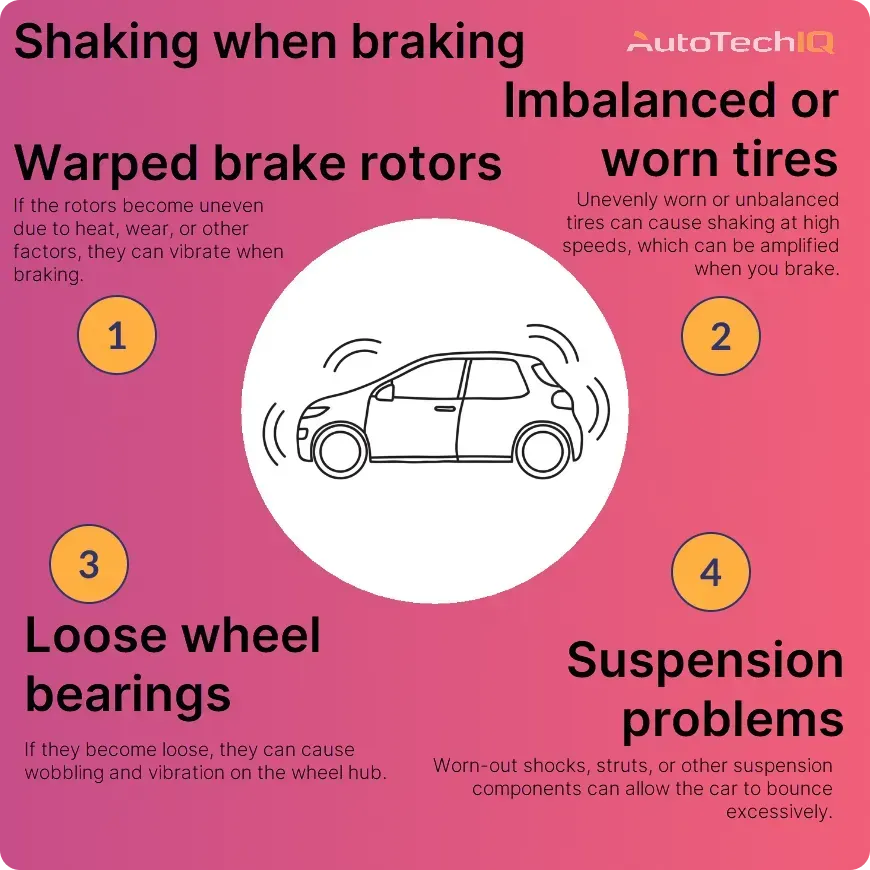
Brake vibration at highway speed can come from many sources. Below are the most common causes I see in shops and on the road.
- Warped rotors. Rotors that have heat spots or uneven thickness cause rhythmic pulses when braking.
- Uneven brake pad wear. Pads that wear unevenly make uneven contact and lead to vibration.
- Loose or improperly torqued lug nuts. Wheels not torqued in the right pattern create runout and vibration.
- Wheel imbalance. Tires or wheels out of balance can feel like brake vibration at speed.
- Tire issues. Bulges, flat spots, or uneven wear on tires can mimic brake vibration.
- Sticking caliper or slide pins. A caliper that drags can heat the rotor and warp it.
- Worn wheel bearings or hubs. Play in bearings makes brake contact inconsistent and causes wobble.
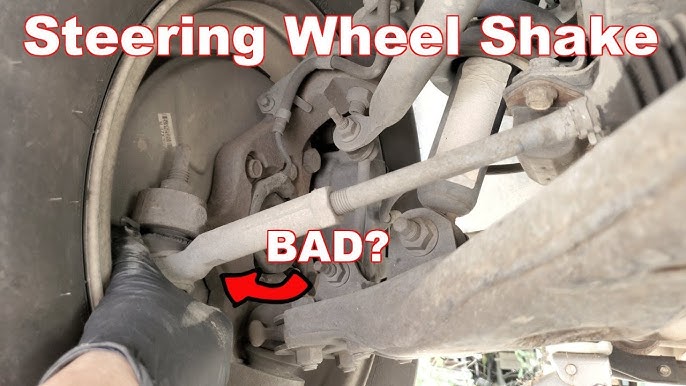
- Suspension or steering play. Worn tie rods, ball joints, or bushings can amplify brake feel.
- ABS or electronic faults. ABS modulation problems sometimes feel like pulsation under braking.
Each cause behaves a bit differently. Note when the vibration occurs and whether it is in the wheel, steering wheel, or pedal. That helps narrow the cause.

How to diagnose brake vibration at highway speed
A clear diagnosis avoids unnecessary parts and expense. Use a logical approach. Here’s a step-by-step checklist I use.
- Recreate the symptom
- Test drive at safe highway speed on a quiet road.
- Note whether vibration happens only under braking or also when coasting.
- Identify where you feel it
- Steering wheel vibration usually points to front rotors, wheels, or tires.
- Pedal vibration often means front or rear rotor runout.
- Check wheel balance and tires
- Inspect tires for bulges or cupping.
- Ask for a road-force balance test at a shop if vibration is speed-related.
- Inspect brakes visually
- Look for rotor scoring, rust, or uneven pad deposits.
- Check pad thickness on all corners.
- Measure rotor runout
- Use a dial indicator to check rotor lateral runout at the hat or lip.
- Runout above factory spec often requires rotor replacement or resurfacing.
- Check wheel hub and bearings
- Lift the car and wiggle the wheel to detect play.
- Replace worn bearings or hub units as needed.
- Verify lug nut torque
- Use a torque wrench and follow the correct star pattern and spec.
From experience, many drivers jump to rotor replacement. That helps often, but sometimes the real fix is wheel balance or hub replacement. Diagnose thoroughly before ordering parts.
Common repairs and fixes for brake vibration at highway speed
Once you know the cause, choose the right fix. Here are common repair options and practical tips.
- Rotor resurfacing or replacement
- Resurfacing is fine if rotors are within thickness spec and not cracked.
- Replace if runout or thickness variation exceeds safe limits.
- Brake pad replacement
- Use quality pads and match pad type to your driving.
- Replace pads in axle pairs to keep balance.
- Wheel balancing and tire service
- Rebalance wheels and replace damaged tires.
- Road-force balancing helps diagnose tire force variation.
- Caliper service or replacement
- Clean and lubricate slide pins or replace seized calipers.
- Sticking calipers cause heat and rotor warp.
- Hub or bearing replacement
- Replace worn hubs; do not ignore play in bearings.
- New hub often restores true rotor runout.
- Proper lug nut tightening
- Torque to manufacturer spec, using the correct pattern.
- Retorque after 50–100 miles if hub-centric rings or new rotors were installed.
- Suspension repair
- Replace worn tie rods, ball joints, or bushings that cause vibration.
Timelines and tips
- Rotor replacement or resurfacing usually takes 1–3 hours per axle at a shop.
- Wheel balancing and tire work is often quick but can reveal tire issues that require replacement.
- Always follow bedding-in procedures for new pads and rotors to avoid glazing.

Preventive maintenance to avoid brake vibration at highway speed
Prevention saves time and money. These habits reduce the chance of vibration.
- Inspect brakes regularly
- Check pads, rotors, and calipers at every oil change or tire rotation.
- Maintain tire health
- Rotate tires every 5,000–7,500 miles and keep correct pressures.
- Torque wheels properly
- Use a torque wrench and follow the pattern after wheel removal.
- Use quality parts
- Cheap rotors and pads can warp faster. Invest in reputable brands.
- Avoid overheating brakes
- Use proper braking technique on long descents. Let brakes cool between heavy stops.
- Address noise or pull early
- Don’t wait for vibration—fix small symptoms before they worsen.
These steps cut the chance you’ll face brake vibration at highway speed.

When to see a professional and safety tips
Some vibration issues you can handle at home. Others need a shop. Know the warning signs.
- See a pro immediately if you notice:
- Grinding sounds, smoking brakes, or sudden loss of braking feel.
- Severe pulsing that affects control or ABS warnings.
- Drive safely until fixed
- Reduce speed and avoid hard braking if vibration is severe.
- Use extra following distance and plan stops early.
- Get a full inspection
- A competent shop will test drive and measure runout, balance wheels, and inspect hubs.
- Ask for documented measurements
- Request rotor runout and balancing reports so you can understand the problem.
If you are unsure, err on the side of safety. Professional diagnostics can prevent accidents and unnecessary parts replacement.

Estimated costs and parts to expect
Costs vary by vehicle and region. Here are typical ranges to plan for when addressing brake vibration at highway speed.
- Rotor resurfacing
- Low cost but not always possible; check shop policies.
- Rotor replacement
- Parts typically range from economy to premium prices per rotor.
- Brake pads
- Expect different price tiers for organic, semi-metallic, or ceramic pads.
- Wheel balancing and tire work
- Balancing is inexpensive; tire replacement costs more.
- Hub/bearing replacement
- Can be a moderate to high-cost job, depending on vehicle.
- Labor
- Labor depends on complexity; hub or ABS jobs take longer.
I recommend getting at least two quotes and asking for parts details. A clear diagnosis first lowers the chance of repeat work.

Frequently Asked Questions of brake vibration at highway speed
What does it mean if my steering wheel vibrates when I brake at highway speed?
Steering wheel vibration when braking usually points to front rotor runout, warped rotors, or wheel imbalance. A test drive and rotor runout measurement will help confirm the cause.
Can I drive with brake vibration at highway speed?
Short trips at reduced speed are usually okay, but you should avoid high speeds and hard braking. If the vibration is severe or brakes feel weak, stop driving and get a professional inspection.
Will resurfacing rotors fix brake vibration at highway speed?
Resurfacing can fix minor runout or surface imperfections if the rotor thickness remains within spec. If rotors are too thin, cracked, or badly warped, replacement is the safer choice.
How do I know if tires or brakes cause the vibration?
Check if vibration happens only when braking or also when coasting at speed. Vibration only under braking often means brakes; vibration at speed without braking often points to tires or balance.
Does new brake pads fix vibration at highway speed?
New pads help if old pads caused uneven contact or contamination. If rotors are warped or the hub is out of spec, new pads alone may not stop the vibration.
Conclusion
Brake vibration at highway speed is common but solvable. The most frequent causes are warped rotors, wheel imbalance, and caliper or hub problems. Start with careful diagnosis, use the right tools, and choose repairs that match the root cause. From my experience, a methodical approach saves money and keeps you safe. Take action: inspect your brakes, note when vibration occurs, and get a professional measurement if you’re unsure. Share your story or ask a question below, and consider subscribing for more practical car care tips.