The best OBD2 scanner for mechanics is the BLCKTEC 460T for its broad system coverage and useful reset tools.
A weak code reader can slow down a repair. It may show only a fault number, while the real issue sits in the ABS, airbag, transmission, or battery system. I tested these scanners by looking at coverage, live data, ease of use, repair value, and long-term usefulness in a busy garage. This guide compares simple code readers with more advanced scan tools, so you can choose the best OBD2 scanner for mechanics based on the work you do most.
See the differences between my top picks at a glance.
| Scanner | Main Coverage | Live Data | Special Tools | Best For | Buy |
|---|---|---|---|---|---|
| BLCKTEC 460T | Engine, ABS, SRS, transmission | Yes | 12 reset services | Fuller shop work | View on Amazon |
| FOXWELL NT604 | Engine, ABS, SRS, transmission | Yes | System diagnostics | Hands-on diagnostics | View on Amazon |
| BlueDriver Bluetooth | Engine plus selected systems | App based | Repair reports | Phone users | View on Amazon |
| FOXWELL NT301 | Engine and OBD2 systems | Yes | Code reset and tests | Basic shop diagnosis | View on Amazon |
| ANCEL AD410 | Engine and OBD2 systems | Limited | Emissions checks | Low-cost code work | View on Amazon |
| MOTOPOWER MP69033 | Engine and OBD2 systems | No advanced graphing | Basic code clearing | Simple fault checks | View on Amazon |
| UMEIJA OBD2 Scanner | Engine and OBD2 systems | Basic data | Battery test | Home and light shop use | View on Amazon |
| BlueDriver New Listing | Engine plus selected systems | App based | Repair reports | Mobile diagnosis | View on Amazon |
BLCKTEC 460T OBD2 Scanner

The BLCKTEC 460T is the most complete wired scan tool in this group. It covers engine faults, ABS, SRS, and transmission systems. That wider coverage matters when a vehicle has more than a check-engine light. The tool also supports live data, which helps me watch sensor values while the engine runs.
Its listed 12 reset services give it more repair value than a basic code reader. These include oil, TPMS, EPB, BMS, SAS, DPF, and throttle-related functions, along with ABS bleeding and battery testing. Auto VIN can save time during intake. Still, service support can vary by vehicle, so I always check the car list before starting a job.
Pros:
- Reads engine, ABS, SRS, and transmission faults
- Offers live data for running tests
- Includes many useful reset services
- Supports battery testing and auto VIN
- Good fit for busy repair work
Cons:
- Some functions depend on vehicle make and model
- More complex than a basic code reader
- Users should confirm update terms and coverage
What Amazon Buyers Are Saying
Buyer feedback commonly values the broad system coverage and the number of service functions. Users also tend to like having a dedicated screen instead of using a phone. As with many advanced scanners, some complaints focus on vehicle support, menu learning, or functions that do not work on every model. Those points show why a buyer should confirm compatibility before purchase.
My Recommendation
I recommend the 460T for mechanics who need more than engine codes but do not want a high-end factory tool. It offers the strongest feature mix here. It is my top choice for the best OBD2 scanner for mechanics who service many common vehicle systems.
FOXWELL NT604 Elite OBD2 Scanner

The FOXWELL NT604 is a practical step up from a single-system reader. It is built to scan the engine, ABS, SRS, and transmission. That makes it useful for brake, airbag, and shifting complaints. Its live data feature can help me compare sensor readings while I inspect a fault.
This scanner suits mechanics who prefer a handheld tool with a direct connection. It avoids phone pairing and keeps the workflow simple inside a service bay. The screen and menus still require a short learning period. It does not replace a full dealer-level scan platform, but it can handle many common diagnostic tasks.
Pros:
- Reads four key vehicle systems
- Includes live data viewing
- Useful for engine and safety system faults
- Works without a separate mobile device
- Good middle ground for independent garages
Cons:
- Coverage varies by vehicle year and model
- May not perform every advanced reset
- Handheld menus can feel slower than app tools
What Amazon Buyers Are Saying
Common buyer comments praise the ability to reach ABS and airbag systems at a lower cost than professional shop platforms. Many users also like the clear purpose of the wired design. Some buyers report that they needed to learn the menu structure or verify coverage for a specific car. These are normal concerns for a multi-system tool.
My Recommendation
The NT604 is a strong choice for a small shop that wants system coverage without paying for a large tablet scanner. I would choose it over a basic reader when ABS and SRS work matters. It earns a high rating for practical coverage and direct operation.
BlueDriver Bluetooth OBD2 Scanner

BlueDriver takes a different approach. It uses a small Bluetooth adapter and a phone or tablet app. The app can read codes, show data, and create repair reports. For a mechanic who already works from a mobile device, this setup feels quick and familiar.
The product is listed with no subscription, which helps control long-term cost. It also lists ABS, SRS, and TPMS support, but exact functions can vary by vehicle. I like the report format because it can help explain a fault to a customer. The main trade-off is that the tool depends on a compatible phone, app, and wireless connection.
Pros:
- Compact adapter is easy to carry
- Works with iPhone and Android devices
- Provides app-based repair reports
- No listed subscription requirement
- Useful for mobile diagnosis and customer explanations
Cons:
- Requires a phone or tablet
- Wireless setup may not suit every shop
- Vehicle-specific system support can differ
What Amazon Buyers Are Saying
Amazon buyers often like the small size, simple app flow, and readable reports. Many appreciate that they can keep the adapter in a tool bag. Common concerns include phone permissions, Bluetooth connection issues, and limits on certain vehicle systems. Buyers also stress the need to check the supported vehicle list before expecting ABS or SRS access.
My Recommendation
BlueDriver is a good pick for a mechanic who likes app-based work. It is not my first choice for a shop that needs a rugged, standalone screen all day. For mobile service calls and fast engine diagnosis, it provides excellent value and earns 4.3 out of 5.
FOXWELL NT301 Live Data Scanner

The FOXWELL NT301 focuses on core engine diagnosis. It reads and clears check-engine codes and displays live data. That makes it useful for checking fuel trim, coolant temperature, oxygen sensor activity, and other engine values when supported by the vehicle. A wired design keeps the tool ready whenever I plug it in.
This scanner is not aimed at full ABS, SRS, or transmission work. Its strength is fast engine fault checking. The built-in screen is easy to use for code lookup and basic tests. For a mechanic who needs several units at different work areas, the NT301 can also be a sensible low-cost backup.
Pros:
- Shows engine live data
- Simple wired connection
- Useful for check-engine light work
- Easy to keep as a backup scanner
- Clear focus for basic diagnosis
Cons:
- Limited system coverage
- Not designed for advanced reset functions
- Less useful for ABS and airbag repairs
What Amazon Buyers Are Saying
Buyers commonly like the simple controls and live-data display. Many use it for code checks, emissions preparation, and routine maintenance. The most common limitation is its engine-only focus. Some users expect a low-cost reader to reach every vehicle system, so it is important to understand the product scope before ordering.
My Recommendation
I recommend the NT301 for engine-focused work, quick inspections, and a dependable backup. It is not the best OBD2 scanner for mechanics who need ABS or transmission diagnosis. Still, it offers strong value when check-engine work is the main task.
ANCEL AD410 OBD2 Code Reader

The ANCEL AD410 is a compact reader for standard OBD2 engine faults. It is listed for OBD2 vehicles from 1996 and newer, though exact compatibility still depends on the vehicle and market. The tool can read and clear codes and help check emissions readiness. Its controls are simple enough for quick intake checks.
I see the AD410 as a practical first-line tool. It can tell me what system set a generic powertrain code before I move to deeper testing. It does not offer the broad module access of the BLCKTEC or NT604. That limit is fair for its basic design and lower purchase cost.
Pros:
- Compact and easy to store
- Useful for standard OBD2 fault codes
- Supports emissions readiness checks
- Simple controls for quick scans
- Good choice for basic service work
Cons:
- Limited to basic OBD2 functions
- Not intended for full ABS or SRS scans
- Live-data depth is lower than advanced tools
What Amazon Buyers Are Saying
Common buyer feedback praises the low price, small size, and easy code reading. Users often buy it for home use, inspection checks, or simple shop intake work. Complaints tend to involve limited features rather than basic operation. Some buyers also learn that clearing a code does not repair the cause, which applies to every code reader.
My Recommendation
The AD410 is worth buying when you need a simple engine code reader at a modest cost. I would keep it for basic scans, not as my main professional diagnostic platform. It earns 4.0 out of 5 for focused OBD2 work.
MOTOPOWER MP69033 OBD2 Scanner

The MOTOPOWER MP69033 is a basic code reader for OBD2 vehicles. It supports common OBD II protocols and focuses on engine fault scanning. The yellow body is easy to spot in a crowded tool cart. For simple code reads, it avoids the setup steps found on wireless scanners.
This model makes sense for a mechanic who wants a spare tool or a quick first check. It can help read and clear codes, but it does not offer the module coverage of a professional multi-system scanner. I would use it before deeper testing, not as the only tool in a full repair shop. Its value comes from simple operation and low complexity.
Pros:
- Simple plug-and-use operation
- Supports common OBD2 protocols
- Easy-to-see housing
- Useful for basic engine codes
- Good backup for a repair bay
Cons:
- Limited advanced data functions
- Does not replace a multi-system scanner
- Not suited to complex module faults
What Amazon Buyers Are Saying
Buyers often mention the straightforward controls and quick connection. Many use it for a check-engine light or a used-car inspection. The most common concern is the narrow feature set. That feedback is reasonable because this reader targets basic OBD2 work rather than full professional diagnostics.
My Recommendation
I recommend the MP69033 for simple scans, loaner use, or a backup kit. It is not my main pick for a shop that handles many module faults. It receives 3.9 out of 5 because it performs its basic job without extra complexity.
UMEIJA OBD2 Scanner with Battery Tester

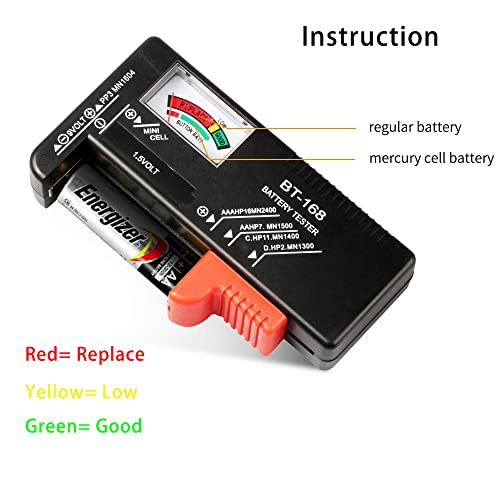
The UMEIJA scanner combines basic OBD2 diagnosis with a battery tester. It can read and clear engine error codes and check emissions readiness on listed OBD II vehicles. The battery function adds value during no-start checks. That can help me separate a low battery concern from an engine fault before I begin deeper work.
This tool fits light service, home garages, and small shops that need two basic tests in one device. It should not be confused with a full battery analyzer or a multi-brand professional platform. Coverage beyond standard engine OBD2 functions may be limited. I would treat it as a handy first-step scanner with a useful extra feature.
Pros:
- Combines code reading with battery testing
- Supports emissions readiness checks
- Useful for basic no-start checks
- Simple option for light shop work
- Can reduce the need for two basic tools
Cons:
- Limited module coverage
- Battery test depth may not match a dedicated tester
- Not made for advanced resets or coding
What Amazon Buyers Are Saying
Buyer feedback often focuses on the convenience of battery and code tests in one device. Users also like the simple purpose and compact design. Some buyers want deeper battery results or broader vehicle coverage. Those limits are important for mechanics who work on charging systems every day.
My Recommendation
The UMEIJA is a useful starter or backup tool. I recommend it for basic engine faults and quick battery checks, but not for advanced repair diagnosis. It earns 3.9 out of 5 for combining two useful entry-level functions.
BlueDriver Bluetooth Scanner New Listing
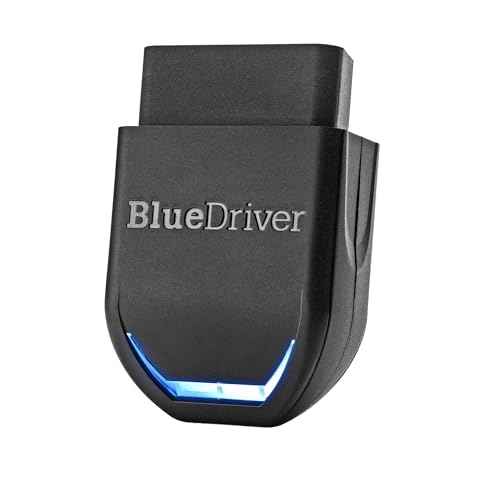
This BlueDriver listing offers the same core Bluetooth scanner concept as the other BlueDriver option in this guide. It connects to a phone or tablet and uses the app for code reading and repair information. The compact adapter takes little room in a mechanic’s bag. It can suit technicians who prefer digital reports over a built-in scanner screen.
The listed features include engine diagnosis and selected ABS, SRS, and TPMS functions. These functions depend on the vehicle, so I would verify support before relying on them for a paid repair. The app can make results easier to save and share. The trade-off remains the need for a charged mobile device and a stable wireless connection.
Pros:
- Small and highly portable
- Uses a familiar phone-based interface
- Can create useful repair reports
- Supports selected non-engine systems
- No large handheld unit to store
Cons:
- Needs a compatible phone or tablet
- Wireless links can add another failure point
- Coverage is not universal across all vehicles
What Amazon Buyers Are Saying
Customers commonly like the portable design and the app’s clear display. Many buyers use it for quick checks at home or on the road. The repeated cautions involve app setup, Bluetooth pairing, and differences in vehicle support. Those comments match the normal limits of a phone-based scanner.
My Recommendation
This listing is worth considering if you want BlueDriver’s mobile workflow and report style. I would choose it for mobile work, not for a shop that needs a wired unit with broad reset functions. Its overall rating is 4.3 out of 5.
How to Choose the Best OBD2 Scanner for Mechanics
The right scanner depends on the faults you repair. A home user may need only engine codes. A working mechanic may need ABS, SRS, transmission, live data, and service resets. I use the points below before buying any scan tool.
1. Match System Coverage to Your Jobs
Start with the modules you see most often. A basic OBD2 reader can handle many check-engine faults. It may not reach airbag, brake, transmission, or body control systems. If you work on mixed vehicle faults, choose a multi-system scanner such as the BLCKTEC 460T or FOXWELL NT604.
Do not assume that one tool covers every feature on every car. Vehicle makers protect some functions, and coverage can change by year. Check the maker’s vehicle list before purchase. This step can prevent a costly mismatch.
2. Look for Live Data That Helps Real Testing
A code points to a system. It does not prove that a part has failed. Live data lets you watch values while the engine runs. It can help you compare coolant temperature, fuel trim, oxygen sensor data, throttle position, and other supported readings.
Choose a scanner with a display that you can read in the bay. A phone app may offer clear graphs and reports. A wired tool may feel faster when you move from car to car. Pick the format that matches your work style.
3. Compare Reset Tools, Updates, and Total Value
Reset functions can save time after a repair. Oil, battery, steering angle, electronic parking brake, and TPMS tools may matter in a busy shop. Yet these functions are not universal. Confirm both vehicle coverage and update terms before you count them as a buying benefit.
Also check cable strength, screen quality, button feel, warranty help, and software support. A cheap scanner can cost more if it wastes labor time. The best OBD2 scanner for mechanics is the one that covers your common jobs, gives useful data, and stays easy to use.
Final Verdict: Which Should You Buy?
The BLCKTEC 460T is my top pick. It combines broad system coverage, live data, and many reset services. For engine-only work, the FOXWELL NT301 costs less and stays simple.
Choose the best OBD2 scanner for mechanics by matching its coverage to your repair bay. Always confirm vehicle support before ordering or quoting a job.
FAQs Of best obd2 scanner for mechanics
What is the best OBD2 scanner for mechanics?
The BLCKTEC 460T is the best overall pick here because it covers several major systems and includes useful reset services. The FOXWELL NT604 is another strong choice.
Can an OBD2 scanner read ABS and SRS codes?
Some can, but basic engine readers usually cannot. Choose a scanner that clearly lists ABS and SRS coverage, and confirm support for your exact vehicle.
Do mechanics need live data on an OBD2 scanner?
Live data helps mechanics watch sensor values while the vehicle runs. It can support testing, but it does not replace wiring checks, tools, or service information.
Are Bluetooth OBD2 scanners good for professional use?
They can work well for mobile diagnosis and reports. A wired scanner may suit a busy shop better because it avoids phone pairing and battery concerns.
Will every OBD2 scanner work on every car?
No. Standard OBD2 engine access is broad, but advanced systems and service functions vary by make, model, year, and region. Check the compatibility list first.
Does clearing a code fix the vehicle?
No. Clearing a code only removes the stored warning for a time. You must find and repair the cause before the vehicle can be considered fixed.