The best budget portable tire inflator is AstroAI AIRUN H for simple, reliable, and low-cost roadside air.
A low tire can turn a calm drive into a stressful stop. Maybe the warning light comes on before work, or a bike tire feels soft just before a weekend ride. A portable tire inflator gives you a quick fix without searching for a gas station. I looked at power options, pressure control, speed, display quality, cord length, and daily ease of use. These picks cover cordless pumps, 12V models, heavy-duty units, and small emergency inflators. They also fit different budgets, so you can choose the right tool instead of buying the biggest one.
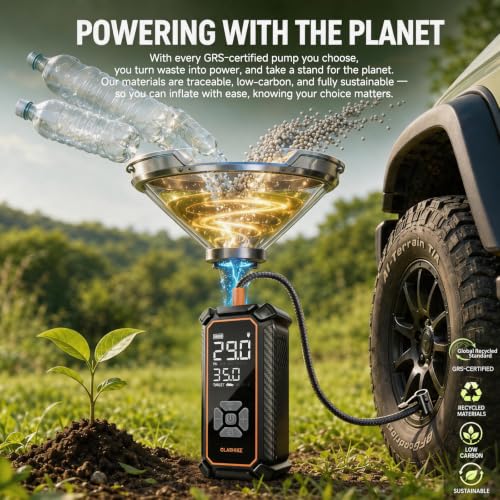
OlarHike Dual-Power Tire Inflator

The OlarHike dual-power tire inflator gives drivers two useful ways to add air. Its built-in battery helps when you are away from the car, while the 12V DC option provides a steady power source on longer jobs. The listed battery setup uses three 2,000mAh cells, which gives this model a practical balance between size and run time. That flexibility makes it a strong choice for emergency use.
I like dual-power inflators because they remove one common worry: a dead pump battery. You can charge the unit before a trip, then connect it to the vehicle if the battery runs low. The digital controls should also make it simple to set a target pressure and let the auto-stop feature handle the finish. It is a good match for sedans, small SUVs, motorcycles, bicycles, and sports balls.
Pros:
- Dual power supports cordless and 12V DC use
- Three-cell battery design offers useful portable power
- Digital pressure control helps reduce guesswork
- Auto-stop can help prevent overinflation
- Works for vehicles, bikes, and inflatables
- Good fit for drivers who want one pump for many tasks
Cons:
- Cordless run time depends on tire size and pressure
- It may need a full charge before emergency use
- Compact pumps can become warm during repeated fills
My Recommendation
I recommend the OlarHike to drivers who want flexibility more than the smallest possible size. It suits a family car, a road-trip kit, or a garage shelf where both battery and car power matter. The dual-power design gives it an advantage over a basic cordless pump. For shoppers comparing the best budget portable tire inflator options, this model offers strong value when you want backup power built in.
AstroAI L7 Cordless Tire Inflator

The AstroAI L7 is a cordless air compressor made for people who value quick access. Its 150 PSI rating gives it enough headroom for car tires, bike tires, and other small inflatables. A high maximum PSI does not mean it fills every tire at the same speed, but it does show that the pump can handle several common jobs. Its cordless format keeps the work area clear.
This model makes sense for a trunk, glove box, or bike bag. I would still check the pressure rating printed on your tire sidewall and use the vehicle maker’s recommended cold pressure. The L7 should be most useful for topping up a tire, not for replacing a full-size shop compressor. Its simple portable design can save time when a tire loses a few pounds of air.
Pros:
- Cordless design avoids a power cable during use
- 150 PSI maximum rating covers many common inflatables
- Portable size suits car and bike emergency kits
- Digital controls make pressure setting easier
- Useful for routine tire top-ups
- Convenient for users who move between several vehicles
Cons:
- Battery capacity limits repeated large-tire fills
- Cordless pumps need regular charging during storage
- Maximum PSI does not equal fast inflation on every tire
My Recommendation
The AstroAI L7 is best for drivers, cyclists, and commuters who want a clean cordless setup. It is especially handy when you do not want to park close to a power outlet or stretch a 12V cable across the cabin. I see it as a practical choice for normal pressure checks and small corrections. If your search for the best budget portable tire inflator centers on cordless freedom, the L7 deserves close attention.
AstroAI AIRUN H 12V Tire Inflator

The AstroAI AIRUN H uses a 12V DC connection and a long 9.8-foot cord. That cord length is a major benefit for larger vehicles, since you can reach the tire without moving the car or pulling the pump across the ground. The unit includes a digital pressure gauge, auto shut-off, and an LED light. Those features focus on the moments when you need calm, clear control.
This inflator is a strong fit for a trunk because it does not depend on an internal battery sitting unused for months. Plug it into the vehicle’s 12V outlet, choose the pressure, and monitor the display as the tire fills. The built-in light can help at night, although I still suggest using a separate flashlight for a full roadside repair. The pump also supports common car, motorcycle, bicycle, and ball valves with the right attachment.
Pros:
- Long 9.8-foot cord improves reach around the vehicle
- 12V power supports steady operation from the car
- Digital gauge gives a clear pressure reading
- Auto shut-off helps limit overinflation
- LED light adds visibility in low light
- Useful for cars, motorcycles, bikes, and balls
Cons:
- It must remain connected to a 12V power outlet
- Cord storage takes more space than a small cordless pump
- Long inflation sessions may create heat and noise
My Recommendation
I recommend the AIRUN H for most car owners who want dependable value. Its long cord solves a problem that many low-cost pumps create: poor reach. The 12V design also works well for emergency kits because you do not need to remember to recharge a built-in battery. In my view, this is a leading candidate for the best budget portable tire inflator when steady car power matters most.
Lamicall 150 PSI Portable Tire Inflator
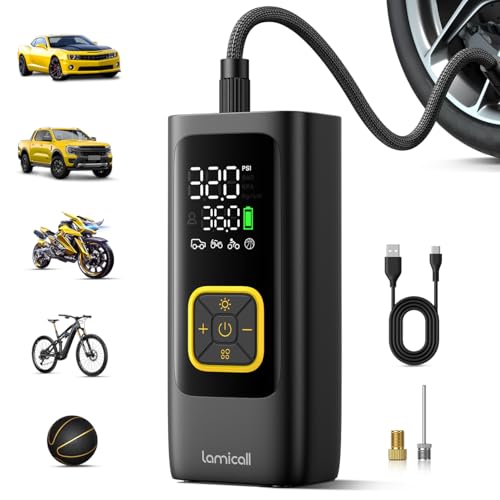
The Lamicall portable tire inflator focuses on speed and simple handling. Its advertised 150 PSI capacity makes it suitable for common car and bike tasks, while the compact body keeps storage easy. The claimed four-times-faster performance should be treated as a comparison claim, since actual speed changes with tire size, starting pressure, temperature, and battery level. Still, the design aims at quick top-ups.
I would choose this type of pump for a driver who checks tire pressure often. A fast, small inflator can make monthly pressure checks less of a chore. Proper tire pressure supports handling, tire life, and fuel use, but drivers should always follow the pressure listed in the vehicle doorjamb or manual rather than the number molded into the tire. This Lamicall model is also useful for bikes and recreational gear.
Pros:
- 150 PSI rating supports a wide range of small jobs
- Speed-focused design can shorten routine top-ups
- Compact body stores easily in a trunk or cabinet
- Suitable for car and bicycle tires
- Simple operation helps new users get started quickly
- Useful for drivers who check pressure on a regular schedule
Cons:
- Real fill speed varies by tire and battery level
- Repeated fills may require cooling breaks
- Small cordless units may not suit large truck tires
My Recommendation
The Lamicall is best for commuters and active families who want a compact pump for quick corrections. It makes sense when storage space is limited and speed matters more than heavy-duty endurance. I would pair it with a separate handheld pressure gauge if you want to verify readings often. As a best budget portable tire inflator, it offers a useful mix of speed, size, and everyday convenience.
ROCGORLD R8 12V Tire Inflator

The ROCGORLD R8 is a 12V DC air compressor with a large dual digital screen. A larger display can help when you check pressure in poor light or while standing near the tire. The product description also highlights a three-times-faster inflation claim, but the final result depends on the tire, temperature, and starting pressure. Its DC design provides consistent power from the vehicle.
This model suits drivers who want a clear display and a pump that can serve more than one purpose. The included connection system is intended for car tires, bike tires, balls, and motorcycles. I suggest checking the valve connection before starting and keeping the engine running if the vehicle maker permits it, since a 12V compressor can draw meaningful current. The R8 is a practical tool for regular maintenance and roadside backup.
Pros:
- Large dual digital screen improves readability
- 12V connection provides steady vehicle power
- Designed for cars, bikes, balls, and motorcycles
- Fast-inflation design saves time on routine top-ups
- Clear display helps users monitor pressure
- Good option for drivers who dislike tiny pump screens
Cons:
- It depends on access to a vehicle power socket
- The unit may be louder than a small personal pump
- Speed claims vary with real-world conditions
My Recommendation
I recommend the ROCGORLD R8 for users who put display clarity first. It is a smart pick for older drivers, night-time use, or anyone who finds small screens hard to read. The 12V power system also makes it a dependable trunk tool. If your definition of the best budget portable tire inflator includes a large screen and broad accessory use, the R8 is a strong option.
160 PSI Dual-Power Tire Inflator

This 160 PSI portable tire inflator combines a built-in battery with dual-power operation. That arrangement gives you cordless convenience for a quick tire top-up and a wired backup when you need longer use. The 160 PSI figure provides a broad pressure range for common tires and inflatables. As with every inflator, the maximum number is not a promise of fast filling on a large, flat tire.
I see this design as a middle ground between a tiny emergency pump and a larger car compressor. It can travel in a vehicle without taking much room, yet it does not leave you stuck if the battery is low. Users should charge it on a schedule and store the hose and adapters together. That small habit keeps the unit ready when a tire warning appears at the worst time.
Pros:
- 160 PSI rating covers many common inflation tasks
- Dual power adds a useful emergency backup
- Built-in battery supports work away from the car
- Portable format fits most vehicle emergency kits
- Useful for cars, bikes, balls, and other inflatables
- Good compromise between cordless freedom and wired endurance
Cons:
- Battery needs regular charging during long storage
- Large or fully flat tires may take more time
- Actual run time depends on pressure and temperature
My Recommendation
This inflator is best for people who want one compact device with two power choices. It works well for a family vehicle, a camper, or a driver who travels beyond reliable service areas. I would select it over a battery-only unit when backup power gives you peace of mind. For shoppers seeking the best budget portable tire inflator with flexible power, this model is worth considering.
Airmoto Portable Tire Inflator

The Airmoto is made for basic tire care across cars, bikes, and bicycles. Its small form makes it easy to keep close at hand, which matters because a pump only helps when you carry it. This is the kind of tool that can handle a slow leak long enough to reach a tire shop, but it should not replace a proper repair. A portable inflator can add air; it cannot safely fix a damaged tire.
I like the Airmoto concept for city drivers, cyclists, and people who want a simple backup. Small pumps often trade speed for size, so patience may be needed on a low car tire. Use the target pressure from the vehicle maker, and check the reading after the pump stops. For a bicycle, follow the pressure range printed on the tire and avoid adding air just because the tire feels firm by hand.
Pros:
- Small design supports easy storage and transport
- Works with cars, bikes, and bicycles
- Useful as a compact emergency backup
- Simple format suits first-time users
- Good choice for limited trunk or glove-box space
- Can help with routine pressure corrections
Cons:
- Small size may mean slower car-tire inflation
- It may not suit frequent heavy-duty use
- Battery care is important if stored for long periods
My Recommendation
The Airmoto is best for portability. Choose it if you ride a bike, drive a small car, or want a backup that does not take over your storage space. I would not make it my first choice for large SUVs or repeated fleet work. Still, it can be the best budget portable tire inflator for users who value a small footprint above maximum speed.
OlarHike 12,000mAh Heavy-Duty Inflator

The OlarHike 12,000mAh inflator is aimed at users who want more battery capacity in a portable package. A larger battery can support more work between charges, although tire size and pressure still control total run time. The heavy-duty label suggests a stronger focus on repeated use than a tiny pocket pump. It is a reasonable match for road trips, family vehicles, and outdoor gear.
This type of inflator can feel like a small safety net in the trunk. You may use it for a tire top-up, a motorcycle tire, a bicycle, or a sports item without finding a power outlet. I would store it where heat and moisture stay low, then check its charge before a long trip. Larger battery units can also weigh more, so consider whether portability or endurance matters most to you.
Pros:
- 12,000mAh battery offers strong portable capacity
- Heavy-duty design suits more frequent use
- Useful for cars, motorcycles, bikes, and inflatables
- Good choice for road trips and outdoor activities
- Reduces reliance on a nearby 12V outlet
- Large battery can provide useful peace of mind
Cons:
- Higher capacity may increase size and weight
- It still requires charging before extended travel
- Cooling breaks may be needed during repeated fills
My Recommendation
The OlarHike 12,000mAh model is best for drivers who want endurance from a cordless pump. It fits road-trip kits, recreational vehicles, and households with several bikes or cars. I would choose it when a small pump seems too limited but a full shop compressor feels excessive. Among the best budget portable tire inflator choices, it stands out for users who value battery capacity.
Best-For Comparison
| Best for | Why |
|---|---|
| Best overall value | AstroAI AIRUN H combines 12V power, a long cord, a digital gauge, auto-stop, and an LED light. |
| Best cordless flexibility | OlarHike Dual-Power and the 160 PSI model offer battery use with a wired backup. |
| Best for higher battery capacity | OlarHike 12,000mAh is the better fit for road trips, outdoor use, and repeated top-ups. |
How I Evaluate a Budget Portable Tire Inflator
A low price alone does not make a tire inflator a good buy. I first look at the power source because it affects how and where you can use the pump. Battery models offer freedom, while 12V models can run longer from the vehicle. Dual-power units sit between the two and often provide the most peace of mind.
I also study pressure control. A digital display, a clear target setting, and automatic shut-off help reduce mistakes. Drivers should never rely only on the maximum PSI printed in a product listing. That figure shows the upper capability of the pump, not the correct pressure for your tire.
Speed matters, but it needs context. A pump may fill a bicycle tire quickly yet take much longer with a large SUV tire. Starting pressure, tire volume, outside temperature, and battery charge all change the result. I treat “faster” claims as useful clues, not as a guarantee for every user.
Heat control is another key point. Portable compressors move air through a small motor, and that work creates heat. Follow the manual’s duty-cycle guidance and let the unit cool when needed. A short pause can protect the pump and keep performance steady.
Finally, I consider storage. A good emergency pump should stay easy to find, with its hose, charger, and valve adapters together. A forgotten pump with a dead battery is like an umbrella left at home during a storm. Check the charge every few months and inspect the power cable before a long drive.
What to Look for Before You Buy
Start with your main use. If you only need to correct a few pounds of pressure in a sedan, almost any model here may work. If you own an SUV, carry several bikes, or travel far from services, look for higher battery capacity or 12V backup power. Matching the pump to the job is more important than chasing the biggest PSI number.
Next, decide between cordless and wired power. A cordless inflator is fast to grab and easy to place beside a tire. A wired inflator does not depend on a small internal battery, but its cable must reach the tire. Dual-power models provide the broadest use, though they may cost more or weigh more.
Look for a readable gauge. You need to see the number without bending into an awkward position or using a phone light. Auto-stop is also helpful, especially when you inflate a tire at night. It does not replace supervision, but it can reduce the chance of adding too much air.
Check the included adapters. Most drivers need a standard Schrader connector for car tires. A needle adapter helps with balls, while a narrow bike adapter may help with Presta valves. Keep in mind that adapters can loosen or leak if you do not fit them correctly.
Think about sound and size. Small compressors often make a sharp motor sound, so do not use one in a closed garage without good ventilation. A larger unit may offer more endurance but take more trunk space. The right balance depends on your car, your storage area, and your patience.
Read the safety instructions before the first use. Stop if the tire has a cut, bulge, exposed cord, or other serious damage. Air may temporarily raise pressure in a damaged tire, but it cannot make that tire safe. If a warning light returns after inflation, have the tire checked by a qualified professional.
Why Correct Tire Pressure Matters
Correct pressure helps a tire meet the road as designed. Underinflation can increase heat and rolling resistance, while overinflation can change ride feel and traction. The best number comes from the vehicle maker’s label or manual, not from the tire’s maximum sidewall number. Check pressure when the tires are cold for the most useful reading.
Weather can change pressure too. Cold air often lowers the reading, and warm driving raises it. That does not mean you should release air from a hot tire based on a quick roadside check. I prefer to check all tires at the same time and under similar conditions.
Portable pumps make this habit easier. Instead of waiting for a station, you can correct a small loss at home. A routine check can also reveal a slow leak before it becomes a flat. If one tire keeps losing air, inflation is only a temporary step; the tire needs inspection.
Tips for Using a Portable Tire Inflator
Park safely before you connect the pump. Move away from traffic when possible, turn on hazard lights, and use a reflective vest at night. Set the parking brake and follow the vehicle manual for safe roadside steps. A tire inflator is useful, but personal safety comes first.
Remove the valve cap and keep it in a safe place. Attach the hose firmly, then compare the displayed reading with a trusted gauge when possible. Set the target pressure recommended for your vehicle. Start the pump and watch for leaks around the connector.
Do not hold the motor in your hand while it runs unless the instructions allow it. Keep the unit on a dry, stable surface. If the case becomes very hot or the motor sound changes, stop and allow it to cool. Never cover the vents.
When the pump stops, wait a moment and check the pressure again. Disconnect the hose quickly to limit air loss, then replace the valve cap. Store the pump with the battery charged according to the manual. Do not leave a lithium battery in extreme heat, such as a parked car during a hot summer day.
Common Mistakes to Avoid
The first mistake is choosing a pump by PSI alone. A 160 PSI rating may look impressive, but it tells you little about fill speed on your vehicle. Consider airflow, power source, duty cycle, and the tire sizes you own.
The second mistake is ignoring the power connection. A cordless pump may stop before finishing a large tire if the battery is low. A 12V model may not reach the tire if the cable is short. Measure your needs before you buy.
Another mistake is inflating a damaged tire and continuing to drive. A nail, sidewall bulge, or deep cut can create a dangerous failure. Add enough air to move to safety only when appropriate, then seek professional help.
Some users also trust the pump gauge without question. Digital displays are helpful, but readings can vary between devices. A separate quality gauge provides a useful check, especially for motorcycles, bikes, and vehicles that need precise pressure.
FAQs Of best budget portable tire inflator
What is the best budget portable tire inflator?
The AstroAI AIRUN H is my best overall budget pick for most drivers. Its 12V design, long 9.8-foot cord, digital gauge, auto shut-off, and LED light provide strong everyday value. Choose a cordless model instead if you need to inflate away from the vehicle.
Are cordless tire inflators better than 12V models?
Neither type is always better. Cordless models offer easy placement and quick access, while 12V models can provide steady power for longer jobs. A dual-power inflator gives you both options but may cost more and weigh more.
Can a portable inflator fill a completely flat tire?
Many can add air to a flat tire, but the process may take time. A damaged tire should not be driven just because a pump adds air. Inspect the tire and seek professional help if you see a cut, bulge, or repeated pressure loss.
How often should I check tire pressure?
Check it at least once a month and before long trips. Check when the tires are cold. Also inspect pressure after a major temperature change or when the vehicle shows a low-pressure warning.
Does a higher PSI rating mean a faster inflator?
No. Maximum PSI shows the highest stated pressure capability, not the actual fill speed. Airflow, motor power, tire volume, starting pressure, and battery level affect how fast the pump works.
Final Verdict: Which Should You Buy?
I recommend the AstroAI AIRUN H for most drivers because it combines steady 12V power, long reach, auto-stop, and a clear gauge. For cordless freedom, choose a dual-power OlarHike model. For higher battery capacity, the 12,000mAh OlarHike is the stronger choice.
The best budget portable tire inflator is the one that matches your tire size, power needs, and storage space. Keep it charged, check pressure often, and treat it as a safety aid—not a repair for tire damage.