Uneven tire wear inner edge only usually means excessive negative camber or suspension trouble.
I write about tires every day and have fixed this exact issue many times. I will walk you through why uneven tire wear inner edge only appears, how to spot it, and what to do next. You will learn simple checks, real fixes, and prevention steps. My goal is to help you save money and drive safer.

What causes uneven tire wear inner edge only?
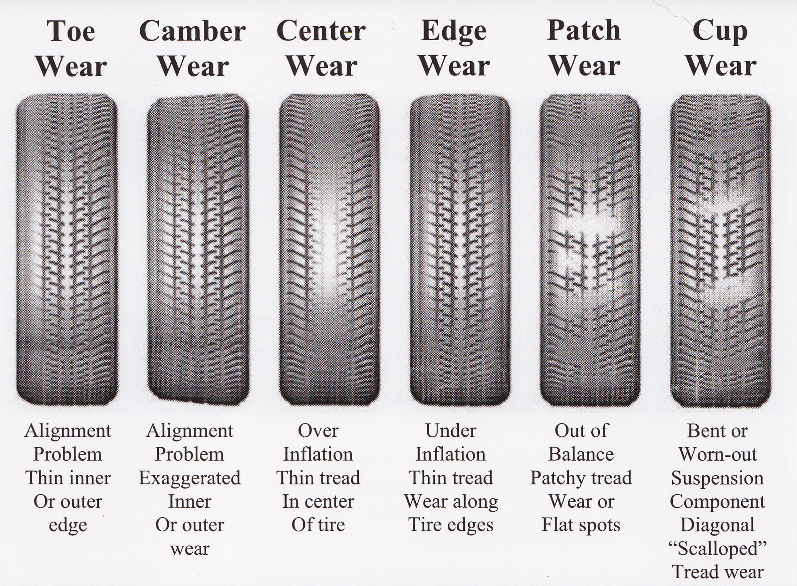
Uneven tire wear inner edge only usually points to alignment or suspension issues. The most common cause is excess negative camber. Worn or loose suspension parts also bend camber and cause inner-edge wear. Improper toe settings, low tire pressure, and repeated heavy loads can add to the problem.
Common causes include:
- Excess negative camber from misalignment or an accident.
- Worn upper or lower control arm bushings that let the wheel tilt.
- Damaged strut mounts, ball joints, or bent knuckles changing camber.
- Consistently underinflated tires that overload the inner tread.
- Incorrect toe settings that scrub the inner edge.

How to inspect and diagnose uneven tire wear inner edge only
Start with a visual check. Look at the inside edge of each tire and note depth and pattern. Measure tread depth at three points: inner edge, middle, and outer edge. If the inner edge is at least 2/32 inch lower than the middle, you have uneven tire wear inner edge only.
Next, check suspension parts. Look for torn boots, loose bolts, and oil around shocks. Measure camber and toe at a shop or with a DIY camber gauge. Road tests can help: if the steering pulls or feels loose, chances are the alignment is off.

How to fix uneven tire wear inner edge only (DIY and professional)
Fix depends on cause. If camber is off, get a professional alignment. Shops can angle the wheels back to spec. If bushings or ball joints are worn, replace them first, then align.
DIY steps you can do safely:
- Check and set proper tire pressure per the door placard.
- Rotate tires if wear is mild to even out tread life.
- Tighten loose control arm bolts if they are visibly loose.
- Replace damaged shocks or struts that allow excessive wheel tilt.
When to see a pro:
- You find bent control arms or steering knuckles.
- The vehicle pulls even after simple fixes.
- You lack tools to measure camber and toe precisely.
Prevention and maintenance tips to avoid uneven tire wear inner edge only
Regular checks prevent most problems. Have alignment checked every 12 months or after hitting a curb. Rotate tires every 5,000 to 7,500 miles. Keep tire pressure at the recommended level.
Other simple steps:
- Inspect suspension parts at oil changes.
- Avoid repeated heavy loads and hard cornering.
- Replace worn tires early; damaged tires can change alignment and wear the new tires.
Costs and when to replace tires
Cost to fix depends on the root cause. A basic alignment runs low to mid-range. Replacing bushings or struts adds parts and labor. New tires cost vary by size and brand.
When to replace:
- Inner tread is below safe depth compared to center and outer tread.
- Wear has exposed cords or shows irregular cupping.
- Repair cost approaches the price of new tires or parts.

My experience and lessons learned
I once ignored slight inner wear on a daily commuter. The wear spread in a few months. Replacing the worn bushing and doing an alignment fixed the issue. I learned small issues grow fast when left alone.
Practical tips from my shop days:
- Always fix worn suspension parts before aligning.
- Use a trusted shop for alignment verification.
- Keep service records and note when new parts were installed.
Frequently Asked Questions of uneven tire wear inner edge only
What does it mean when tires wear only on the inner edge?
It usually means excess negative camber or worn suspension parts. The wheel tilts inward and wears the inner tread faster. An alignment check will confirm the issue.
Can low tire pressure cause inner edge wear?
Low pressure can worsen inner edge wear by flexing the tire more. It is often a secondary factor that speeds up wear caused by alignment issues. Keep tires at the manufacturer’s recommended pressure.
Will rotating tires fix uneven tire wear inner edge only?
Rotation can slow the problem and spread wear more evenly but it does not fix the root cause. Address alignment and suspension issues first to stop continued inner-edge wear.
How long can I drive with inner edge wear?
You can drive a short time, but risk is higher as tread depth falls. Replace tires when inner tread drops close to the legal limit or if cords show. Driving long with this wear can lead to blowouts.
Is an alignment enough to stop inner edge wear?
Alignment helps if suspension parts are healthy. If ball joints or bushings are worn, an alignment alone will not last. Fix worn parts first, then align.
Conclusion
Uneven tire wear inner edge only is a clear sign of alignment or suspension trouble. Check tire pressure and inspect suspension early. Fix worn parts, then align the wheels to stop further damage. Take action now to save money and stay safer on the road. Share your experience below or book an alignment with a trusted technician to get your tires back to healthy.