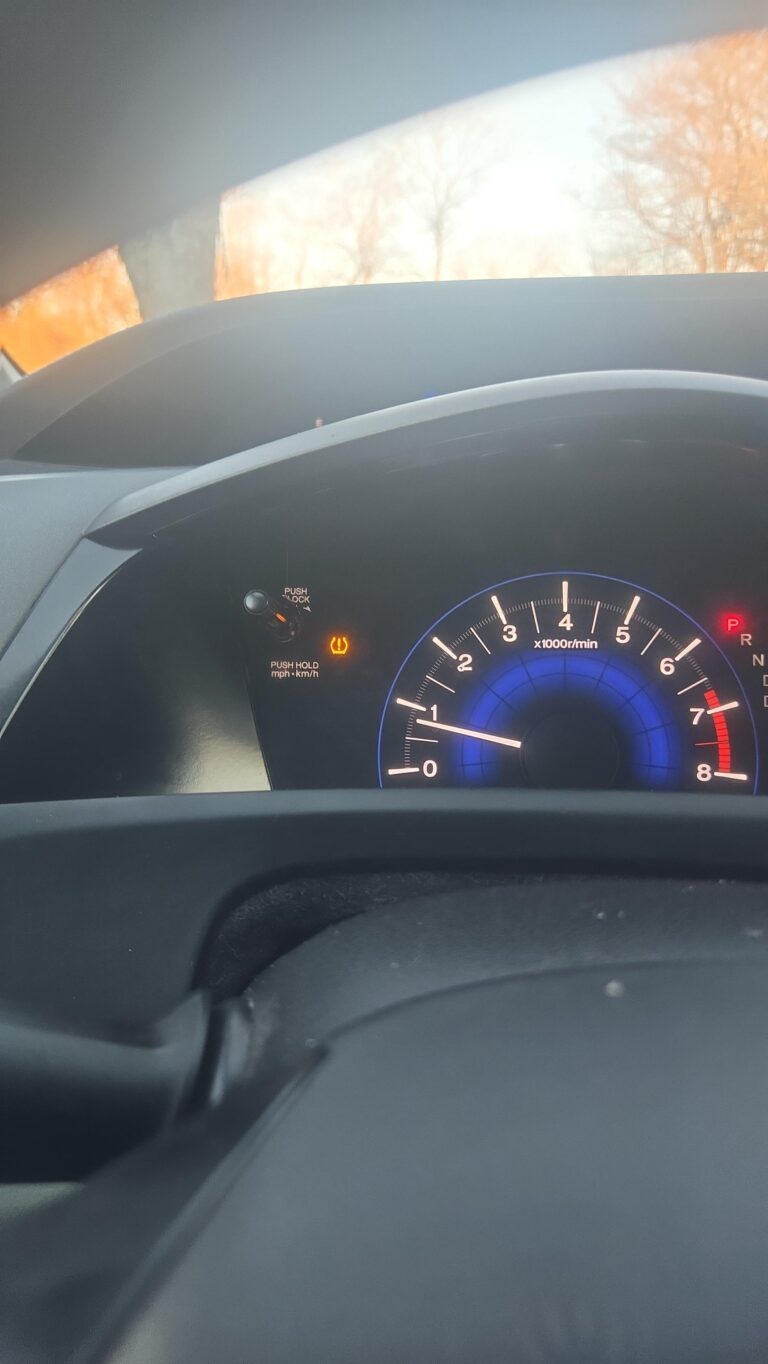
Delayed gear engagement when cold usually means thick fluid, worn parts, or valve body issues.
I have spent years diagnosing transmissions and helping drivers fix delayed gear engagement when cold. This article explains causes, diagnosis steps, DIY checks, repair options, and preventive maintenance. Read on to learn clear, practical advice that saves time and money when your transmission hesitates on a cold start.

Why delayed gear engagement when cold happens
Cold weather changes fluid flow and part clearances. Delayed gear engagement when cold often starts with thicker transmission fluid that does not circulate fast enough. It can also point to worn clutches, sticking valves, or weak hydraulic pressure. Understanding the likely causes helps you pick the right fix quickly.
How the transmission behaves when cold
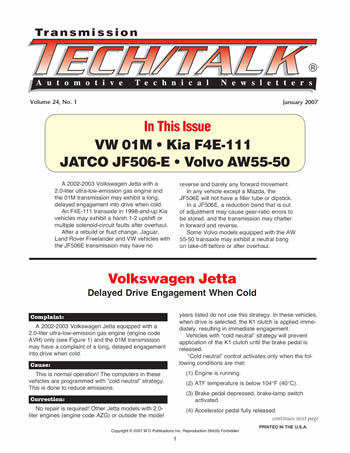
Automatic transmissions rely on fluid pressure to engage gears. When fluid is cold, it is thicker and moves slower. That leads to slower pressure build-up and delayed gear engagement when cold. Manual transmissions can also stall or stick due to cold fluid or tight linkages.
Common causes of delayed gear engagement when cold
- Low or old transmission fluid. Low level or degraded fluid hurts hydraulic pressure.
- Wrong fluid viscosity. Using a thicker fluid than recommended slows engagement when cold.
- Worn clutch packs or bands. Wear increases the time to transfer torque.
- Faulty valve body or solenoids. Valves can stick when cold or fail electrically.
- Cold seals and gaskets. Shrunk or stiff seals can cause leaks and pressure loss.
- Torque converter issues. A slipping converter can delay engagement until warmed.
From my experience, low fluid and wrong fluid are the most common culprits. I once fixed a car by switching to the correct fluid grade and replacing a leaking pan gasket.
Symptoms and how to diagnose delayed gear engagement when cold
Start with simple checks before expensive repairs. Symptoms are usually clear and repeatable on a cold start.
- Check fluid level and color. Low or dark fluid signals problems.
- Smell the fluid. Burning odor suggests clutch wear.
- Note when it happens. If it only occurs when cold, the issue is more likely fluid-related.
- Check for codes. Modern cars store transmission codes you can read with a scanner.
- Road test carefully. Record RPMs and the time between shift and movement.
In my shop, a quick fluid check and a short drive often narrowed the problem to old fluid or a slow-starting pump.
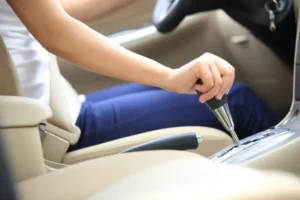
DIY steps to try at home
If you have basic tools, try these steps before visiting a shop.
- Inspect fluid level and top with the manufacturer’s recommended fluid if low.
- Replace fluid and filter if fluid is dark, burnt, or poorly scented.
- Warm the car in a driveway and test engagement. Note any improvement.
- Clean the transmission pan and magnet to catch metal debris clues.
- Tighten linkages or cables on manual transmissions.
These DIY steps fix many cases of delayed gear engagement when cold. If you are not confident, don’t risk damaging the transmission.

Professional repairs and parts to consider
When DIY doesn’t solve it, a mechanic will check pressure and internal parts.
- Pressure test. Shops measure line pressure to find pump or leak issues.
- Valve body service. Cleaning or rebuilding the valve body can restore proper flow.
- Solenoid replacement. Faulty solenoids often cause engagement delays.
- Clutch pack or band replacement. These are labor-intensive but fix internal wear.
- Torque converter replacement. Needed if converter is slipping or damaged.
Expect variable costs based on severity. Rebuilding a transmission costs more than a fluid service. I always recommend starting with a diagnosis to avoid unnecessary work.

Costs and when to see a mechanic
Address delayed gear engagement when cold early to avoid big bills. Basic fluid service is affordable and often effective. Valve body work, parts, or a rebuild increases cost significantly. See a mechanic if pressure tests fail, if there are warning lights, or if DIY steps don’t help after a short trial.
Maintenance to prevent delayed gear engagement when cold
Regular care cuts risk and saves money.
- Follow the fluid change interval in your owner’s manual.
- Use the correct fluid viscosity for your climate and vehicle.
- Fix leaks promptly to avoid low fluid levels.
- Warm your car briefly on very cold days before driving hard.
- Have regular inspections, especially as the vehicle ages.
Routine maintenance prevented repeat delayed gear engagement when cold on cars I serviced for years.

Technical notes for technicians and enthusiasts
Cold fluid viscosity charts matter. Modern automatic transmissions use multi-grade fluids and tight tolerances. Some vehicles require specific cold-climate fluids or updated software calibrations. When testing, measure dynamic line pressure and monitor solenoid response times. Note that transmission control modules may adapt over time and can hide early signs of failure. A thorough road test and scan help confirm the diagnosis.
Frequently Asked Questions of delayed gear engagement when cold
What does delayed gear engagement when cold mean?
It means the transmission takes longer to engage a gear after selecting drive or reverse on a cold start. The delay often stems from poor fluid flow, worn parts, or pressure loss.
Can I drive with delayed gear engagement when cold?
Short drives are usually possible, but continued driving without fixing the issue can worsen wear and cause more expensive damage. Get it checked soon to avoid bigger repairs.
Will changing the fluid fix delayed gear engagement when cold?
Changing the fluid often helps, especially if the fluid is old or wrong grade. It is a low-cost first step that resolves many cases.
How do mechanics test for delayed gear engagement when cold?
Mechanics check fluid level and color, read fault codes, perform pressure tests, and inspect the valve body and solenoids. A road test confirms behavior under real conditions.
Is delayed gear engagement when cold covered under warranty?
It depends on the warranty and cause. Manufacturer defects may be covered, but damage from neglect or wrong fluid may not be. Check your warranty details and service records.
Could software updates fix delayed gear engagement when cold?
Yes, in some modern cars a transmission control module update can improve shift timing and pressure control. Dealers can check for technical updates during diagnosis.
Conclusion
Delayed gear engagement when cold is common and often fixable with simple checks and timely maintenance. Start with fluid level and quality, use the right fluid, and seek a professional diagnosis if basic steps don’t help. Take action early to avoid costly repairs and keep your drive safe and smooth. If you found this useful, try the simple checks listed here, subscribe for more car care tips, or leave a comment with your transmission story.