Introduction
Hair shampoo can clean a car in a pinch, but it is not the best or safest regular car wash soap. A small amount of mild shampoo, well diluted in cool water, will usually not harm modern automotive paint during a one-time wash. Still, hair products may contain conditioners, oils, fragrances, silicones, or other ingredients that can leave a film.
For routine car care in the United States, use a soap made for vehicles. Automotive wash soap is designed to rinse clean, work with car surfaces, and reduce the chance of streaks, residue, or damage to wax and sealants.

Can You Use Hair Shampoo to Wash a Car?
You can use hair shampoo on a car in an emergency, but treat it as a temporary substitute rather than a proper car wash product.
Most modern cars have a clear coat over the colored paint. This coating is tough, but it is not immune to scratching or chemical residue. The main risk from hair shampoo is usually not instant paint damage. The greater concerns are:
- Residue from conditioners, oils, or silicones
- Streaks on paint, glass, or trim
- Reduced performance of wax or paint sealant
- Poor lubrication during hand washing
- Extra rinsing needed to remove the product
- Possible spotting if the shampoo dries on the surface
A one-time wash with diluted, plain shampoo will often be harmless if you rinse the vehicle well. However, products vary widely. A gentle shampoo for dry or treated hair may contain more oils and conditioning agents than a basic cleansing shampoo.
What makes car wash soap different?
Car wash soap is made for painted metal, plastic trim, glass, and automotive coatings. It normally aims to:
- Loosen road film and dirt
- Provide slip between the wash mitt and paint
- Rinse without a heavy film
- Work across common automotive finishes
- Protect wax, sealants, or coatings better than harsh cleaners
Hair shampoo is made for hair and the scalp. It is not tested or labeled for vehicle paint. That difference matters, even when both products use surfactants, which are cleaning agents that help water lift away dirt and oil.
Hair Shampoo vs. Car Wash Soap
The table below shows why automotive soap is the better choice for regular washing.
| Feature | Hair shampoo | Automotive car wash soap |
|---|---|---|
| Designed for | Hair and scalp | Vehicle surfaces |
| Cleaning strength | Varies by formula | Made for road dirt and film |
| Conditioners | Common in many formulas | Usually limited or surface-specific |
| Rinse behavior | May leave a soft or oily film | Made to rinse clean |
| Paint testing | Usually not performed | Often tested or recommended for vehicle use |
| Wax and sealant care | Not assured | Usually considered in the formula |
| Best use | Emergency, one-time wash | Routine car washing |
This does not mean every hair shampoo is harsh. It means its safety and rinse behavior are not guaranteed for a car. The formula, dilution, surface temperature, and washing method all affect the result.
Is baby shampoo safer?
Baby shampoo is often mild on skin, but “mild” does not mean “made for car paint.” Some baby shampoos include fragrances, conditioners, or ingredients that can leave a film. It may be less harsh than a strong household cleaner, but a pH-balanced automotive soap is still the better option.
Is sulfate-free shampoo better?
Not always. “Sulfate-free” describes certain cleansing ingredients. It does not prove that the product will rinse clean from paint or protect wax. A sulfate-free hair shampoo may still contain oils, polymers, fragrance, or conditioning agents.

How to Wash a Car With Hair Shampoo in an Emergency
If hair shampoo is your only option, use it carefully. This method lowers the chance of residue and scratches, but it does not make hair shampoo equal to car wash soap.
Before you start
Gather:
- A mild, basic hair shampoo
- Two clean buckets, if available
- A clean microfiber wash mitt
- A separate microfiber towel for drying
- A hose or clean water source
- A shaded place to wash
Avoid shampoo labeled for deep conditioning, added oils, intense repair, color deposits, or heavy fragrance. These formulas may leave more residue.
Follow these steps
-
Let the car cool.
Do not wash a hot car or work in direct sun. Heat can dry soap before you rinse it. -
Rinse off loose dirt first.
Use plenty of water to remove sand, dust, and grit. This step helps prevent the dirt from scraping the paint. -
Dilute the shampoo well.
Follow the product label if it gives a dilution amount. If it does not, use only a small amount in a full bucket of water. More shampoo does not mean more cleaning. -
Wash from the top down.
Start with the roof, windows, and upper doors. Leave the lower panels, wheels, and bumpers for last because they often hold the most grit. -
Use light pressure.
Let the wash mitt and soapy water do the work. Do not scrub hard. -
Rinse the mitt often.
A second bucket with plain water helps remove grit from the mitt before it touches the paint again. -
Rinse the vehicle completely.
Pay close attention to mirrors, trim, door handles, badges, and panel gaps. -
Dry without letting water evaporate.
Use a clean microfiber drying towel. Pat or glide it gently across the surface. Do not use an old bath towel, rough cloth, or dirty shirt.
Signs that the wash worked
After drying, the paint should look clean without:
- A greasy or cloudy film
- Long streaks
- Sticky areas
- White spots
- Unusual haze on glass
- Foam trapped around trim
If you see residue, rinse the car again with clean water. A normal car wash soap can remove remaining film during the next wash.

Where You Should Not Use Hair Shampoo
Hair shampoo may be acceptable for painted exterior panels during an emergency, but several areas need more care.
Car windows and mirrors
Shampoo can leave a film on glass. That film may cause glare, streaks, or poor visibility, especially at night or in rain. If shampoo gets on the windshield, rinse it fully and clean the glass with a product made for automotive glass.
Leather seats
Do not use hair shampoo on automotive leather unless the vehicle maker specifically permits it. Leather surfaces may have a protective finish that can react poorly to oils, conditioners, or fragrance. Use a cleaner labeled for finished automotive leather.
Cloth seats and carpets
Hair shampoo can soak into fabric and create hard-to-remove residue. It may also produce excess foam. For cloth interiors, use an upholstery cleaner designed for automotive fabrics and follow the label.
Convertible tops
Fabric and vinyl convertible roofs need products made for those materials. Hair shampoo may not remove the right types of dirt and could affect water repellency or leave residue.
Tires and wheels
Hair shampoo is not a good wheel or tire cleaner. Brake dust can contain abrasive particles and may need a dedicated wheel cleaner. Always confirm that the cleaner is safe for the wheel finish, such as painted, chrome, anodized, or clear-coated surfaces.
Matte paint and vinyl wraps
Matte finishes and wraps can mark easily if the wrong cleaner or wash method is used. Follow the wrap maker’s or vehicle maker’s instructions. Avoid products that leave gloss, wax, oil, or polishing agents unless the finish specifically allows them.

Can Hair Shampoo Damage Car Paint?
A single careful wash with diluted hair shampoo is unlikely to damage healthy automotive paint, but no universal guarantee applies.
The outcome depends on the product and the vehicle. A mild shampoo used on cool paint and rinsed quickly presents less risk than a concentrated formula left to dry in hot sunlight.
Hair shampoo is also unlikely to remove deep contamination such as tree sap, tar, brake dust, or road film. Scrubbing harder to compensate can create swirl marks. For difficult dirt, use a proper automotive product and the correct method.
What about the car’s wax or ceramic coating?
Hair shampoo may reduce the performance of wax or a paint sealant if it leaves a film or contains ingredients that interfere with the surface. The effect may not be visible right away.
A ceramic coating can resist many common contaminants, but it still needs compatible cleaning products. Coatings do not make paint scratch-proof, and they do not make every household cleaner safe.
If the vehicle has a professionally installed coating, follow the installer’s care instructions. Product makers often specify the type of wash soap and drying method to use.
Can shampoo strip clear coat?
Normal diluted hair shampoo is not expected to strip a healthy clear coat in one wash. Clear-coat damage is more often linked to abrasion, strong solvents, long exposure to chemicals, neglect, or weathering.
That does not make hair shampoo a recommended cleaner. Repeated use can leave buildup and may interfere with surface protection. The safest choice remains a dedicated car wash soap.
What to Use Instead of Hair Shampoo
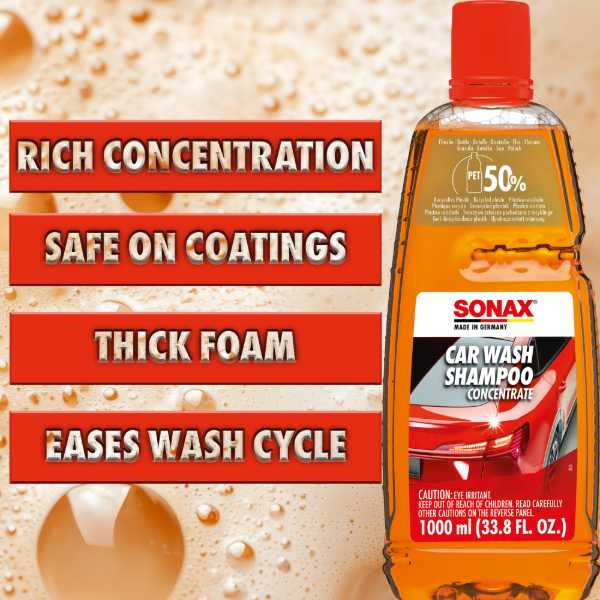
Choose a pH-balanced automotive wash soap from a reputable brand. The label should clearly state that it is intended for cars or automotive finishes.
Look for a product that:
- Is made for exterior vehicle surfaces
- Gives clear dilution instructions
- Is compatible with wax or sealants when needed
- Does not contain abrasive polishing particles
- Works with microfiber wash tools
- Provides clear warnings for special finishes
Do not replace hair shampoo with dish soap for routine car washing. Dish soap is made to break down kitchen grease and may remove protective products more aggressively. It can also dry trim and leave the surface less protected.
Plain water is better than rubbing dry dirt across the paint, but water alone may not remove oily road film. If you must wait, rinse the car and wash it later with automotive soap.
Common Mistakes to Avoid
The washing tool and technique often cause more damage than the soap itself. Avoid these mistakes:
- Washing in direct, strong sunlight
- Using concentrated shampoo
- Washing without first rinsing loose grit
- Using one dirty sponge on the entire car
- Starting with the wheels and then washing the paint with the same mitt
- Scrubbing bird droppings or bugs with force
- Letting shampoo dry on the surface
- Drying with a rough towel
- Using interior shampoo on exterior paint
- Applying household cleaners to unknown finishes
Bird droppings, bug remains, and tree sap should be softened with water before removal. Rubbing dry contamination can scratch paint, even when the soap is gentle.
Quick Decision Guide
Use this guide when deciding what to do.
| Situation | Best choice |
|---|---|
| You have automotive wash soap | Use the automotive soap |
| You have only mild hair shampoo | Use a small, diluted amount once and rinse well |
| The shampoo contains oils or heavy conditioner | Avoid it if possible |
| The car has matte paint or a vinyl wrap | Follow the finish maker’s instructions |
| The car has a ceramic coating | Use the coating maker’s approved wash method |
| You need to clean the windshield | Use automotive glass cleaner after rinsing |
| You need to clean leather or fabric | Use a product made for that material |
| The car is hot or in direct sun | Wait until the surface cools |
| The paint has heavy grit or road film | Rinse first and use proper car wash soap |
Evidence and Practical Limits
Automotive manufacturers commonly advise owners to use products intended for vehicle surfaces and to avoid harsh or unsuitable household cleaners. Organizations such as the U.S. Environmental Protection Agency also distinguish products by their intended ingredients, use, and safer chemical profile.
However, there is no single rule that covers every hair shampoo. Formulas change by brand, and labels do not normally test performance on automotive paint. For that reason, the most accurate answer is conditional:
- One careful use: Usually low risk on standard glossy exterior paint.
- Repeated use: Not recommended because residue and protection issues may develop.
- Special finishes: Check the vehicle, coating, or wrap instructions first.
- Interior surfaces: Use material-specific cleaners instead.
- Unknown shampoo formula: Choose automotive soap rather than guessing.

Frequently Asked Questions
Can I wash my car with shampoo and conditioner?
It is best to avoid conditioner. Conditioner often contains oils, silicones, polymers, or other ingredients meant to coat hair. These may leave a film on paint and glass. If you have no alternative, use only a small amount of diluted shampoo without conditioner and rinse very well.
Will hair shampoo remove car wax?
It may reduce wax performance over repeated washes, but one diluted wash will not always remove all wax. The result depends on the shampoo, the wax, the dilution, and the age of the protection. Use a car soap labeled as wax-safe when preserving protection matters.
Is dish soap worse than hair shampoo for cars?
Dish soap is usually a poor choice for routine car washing because it targets grease and may remove protective products. Hair shampoo may be less aggressive, but it is still not designed for vehicles. Neither is the correct regular product.
Can I use shampoo in a pressure washer or foam cannon?
Only use a product approved for that equipment. Hair shampoo can create too much foam, may not rinse properly, and may not work well with the equipment’s detergent system. Never pour an unapproved product into a pressure washer without checking the manual.
What should I do if shampoo dries on my car?
Rinse the area with clean water as soon as possible. If residue remains, wash the panel again with automotive soap. Do not scrape or scrub dried product aggressively. If the surface still looks cloudy after cleaning, a professional detailer can assess whether the issue is residue, water spotting, or paint damage.
Key Takeaways
- Hair shampoo can work as a one-time emergency car wash soap, but it is not the best regular choice.
- Use a small amount, dilute it well, wash in the shade, and rinse completely.
- Avoid conditioner, heavy oils, and formulas made to leave a coating on hair.
- Do not use hair shampoo on leather, fabric, convertible tops, wheels, or special finishes unless the maker permits it.
- Use pH-balanced automotive wash soap for routine care.
- Never scrub dry dirt, and never let cleaning products dry on hot paint.
Conclusion
Hair shampoo is usually safe enough for a careful, one-time wash on standard glossy car paint when it is diluted and rinsed well. It is not a purpose-built automotive cleaner, so repeated use may leave residue or affect wax and sealants.
The practical next step is simple: use automotive car wash soap whenever possible. If shampoo is your only option, choose a basic formula, use very little, rinse the car fully, and keep the product away from interior materials and special finishes.