What Does Check Tire Pressure Monitoring System Mean? Causes, Fixes, and Safety Tips
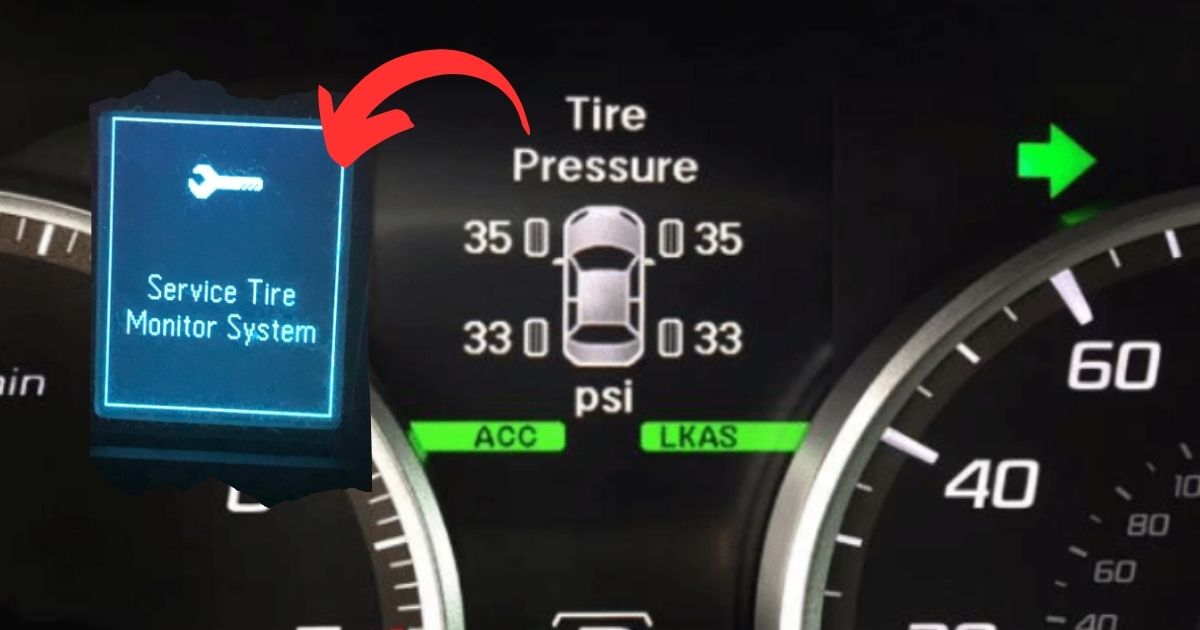
The check tire pressure monitoring system message means your vehicle has detected a problem with the Tire Pressure Monitoring System (TPMS), such as low tire pressure, a faulty sensor, a communication issue, or a system malfunction.
Drivers across the United States may see a check tire pressure monitoring system warning on the dashboard when their vehicle detects that the TPMS is not working correctly or cannot accurately monitor tire pressure. The warning does not always mean a tire is flat, but it indicates that the tire pressure monitoring system needs attention.
The TPMS is a safety system designed to alert drivers when one or more tires have pressure below the recommended level or when the monitoring components have a fault. Understanding the difference between a low-pressure warning and a TPMS system warning can help prevent unsafe driving conditions and unnecessary repairs.
Source: Bing
What Does Check Tire Pressure Monitoring System Mean?
The check tire pressure monitoring system message means the vehicle’s TPMS has detected an issue that prevents it from properly monitoring tire pressure. Unlike a simple low tire pressure alert, this message often points to a problem with the monitoring system itself.
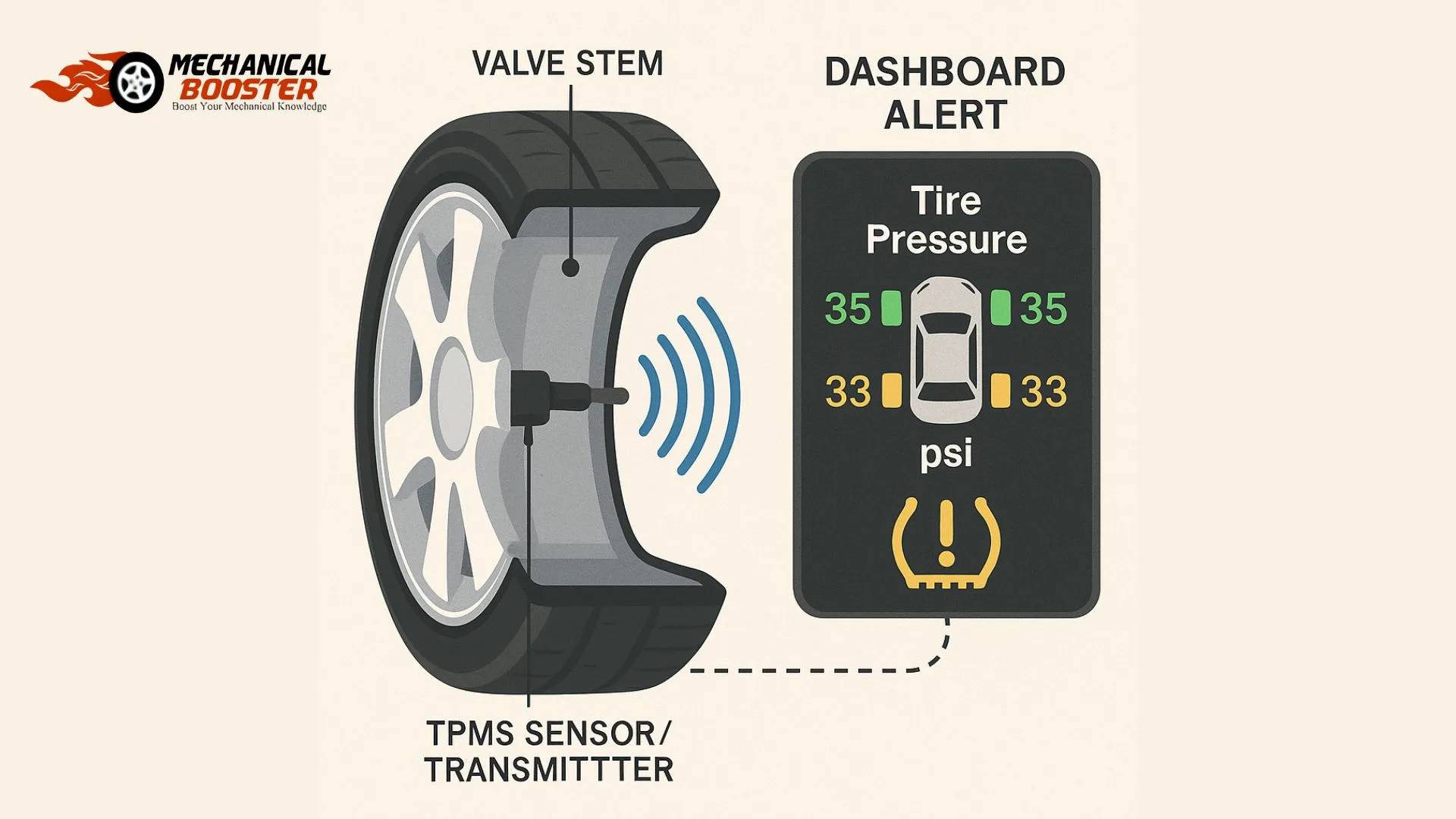
Modern vehicles use TPMS sensors installed inside or around the wheels to measure tire pressure. When the vehicle’s computer cannot receive accurate information from these sensors, it may display a service or check TPMS warning.
Source: Bing
Low tire pressure warning
The system has detected that one or more tires are below the recommended inflation pressure.
TPMS malfunction warning
The vehicle cannot communicate correctly with one or more tire pressure sensors or related components.
Why the Message Is Different From a Tire Pressure Warning
A tire pressure warning usually means the tires need air. A check tire pressure monitoring system message means the vehicle needs the TPMS system checked because the monitoring function itself may not be operating correctly.
Pressure issue
The tires may simply need inflation adjustment.
System issue
The sensors, wiring, or vehicle computer may need inspection.
How Does the Tire Pressure Monitoring System Work?
A TPMS monitors tire inflation levels and sends pressure information to the vehicle’s onboard computer. When readings fall outside the acceptable range or communication fails, the system activates a dashboard warning.
Most vehicles use either direct TPMS or indirect TPMS. Direct systems measure pressure using sensors mounted on each wheel, while indirect systems estimate pressure changes by analyzing wheel speed data from the anti-lock braking system.
Source: Bing
Direct TPMS
Uses individual pressure sensors to measure actual tire pressure and often tire temperature.
Indirect TPMS
Uses wheel rotation differences to identify possible pressure changes without measuring pressure directly.
Main Components of a TPMS
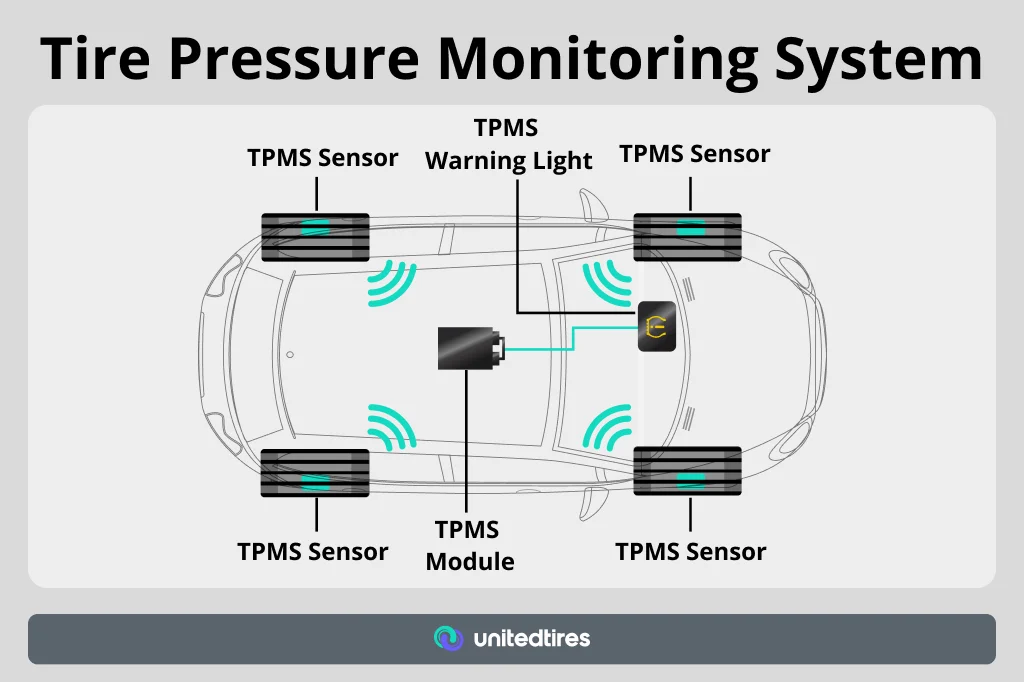
A tire pressure monitoring system depends on several parts working together. A failure in any major component can trigger the check TPMS message.
Wheel sensors
Measure tire pressure and transmit information to the vehicle.
Control module
Processes sensor information and communicates warnings to the dashboard.
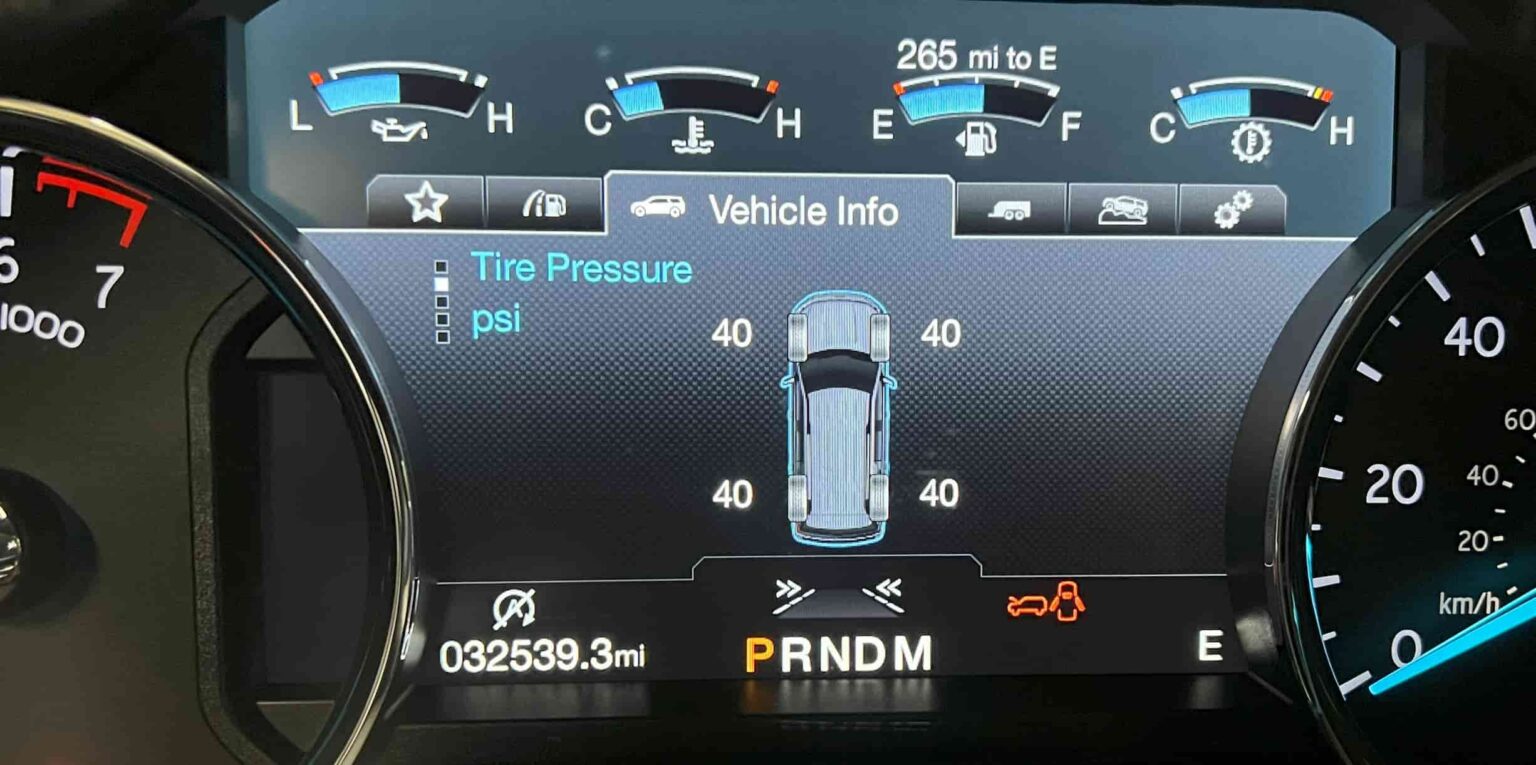
Dashboard indicator
Displays warnings when the system detects a problem.
Common Reasons the Check Tire Pressure Monitoring System Warning Appears
Several problems can cause a TPMS warning. Checking the simplest and safest causes first can help identify the issue before replacing expensive components.
Source: Bing
Incorrect tire pressure
Tires filled below or above the recommended pressure can trigger system alerts.
Dead TPMS sensor battery
Many TPMS sensors use built-in batteries that eventually lose power and require sensor replacement.
Damaged sensor
A sensor can become damaged during tire replacement, wheel repairs, or road impacts.
Sensor relearn problem
Some vehicles require TPMS sensors to be reset or relearned after tire rotation or replacement.
Electronic communication fault
The vehicle may have difficulty receiving sensor signals because of system or module issues.
Weather and Temperature Effects
Cold temperatures can reduce tire pressure because air contracts as temperatures drop. Drivers may see TPMS warnings during seasonal temperature changes even when there is no puncture or tire damage.
Cold weather pressure drop
Tire pressure commonly decreases as outside temperatures become colder.
What To Do When You See a Check Tire Pressure Monitoring System Message
When the warning appears, follow a simple troubleshooting process. Start with tire safety checks before assuming the sensors need replacement.
Source: Bing
Step 1: Check tire pressure
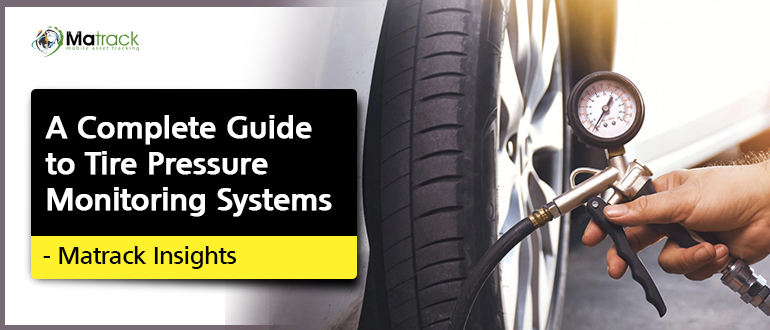
Use a tire pressure gauge to measure each tire and adjust pressure according to the vehicle manufacturer’s recommended PSI.
Step 2: Inspect tires visually
Look for punctures, visible damage, uneven wear, or objects stuck in the tire.
Step 3: Drive and monitor
Some systems clear after corrected pressure and normal driving conditions.
Step 4: Get the system scanned
If the warning remains, a repair facility can check sensor signals and fault codes.
When You Should Not Continue Driving
Avoid continuing to drive normally if a tire appears damaged, loses air quickly, or the vehicle handles differently. A TPMS warning can sometimes indicate a serious tire problem that requires immediate attention.
Stop and inspect
Pull over safely if you notice a flat tire, severe vibration, or unusual handling.
Check Tire Pressure Monitoring System Warning vs Low Tire Pressure Warning
The two warnings may look similar but indicate different problems. Understanding the difference helps drivers choose the correct next step.
Source: Bing
Low tire pressure warning
Usually means one or more tires need air or have lost pressure.
Check TPMS warning
Usually means the monitoring system cannot measure or report tire pressure correctly.
Simple Comparison
The following comparison shows the most common differences between the two dashboard messages.
Main concern
Low pressure affects tire inflation. TPMS malfunction affects the warning system’s ability to monitor pressure.
First action
Check tire pressure first, then inspect the TPMS if the warning continues.
Frequently Asked Questions
Q
Can I drive with the check tire pressure monitoring system warning on?
You may be able to drive a short distance if the tires appear properly inflated and there are no signs of damage, but the warning should not be ignored. The system may not alert you if a tire loses pressure later.
Q
Does check TPMS mean I have a flat tire?
Not necessarily. The message usually indicates a TPMS problem, although a tire pressure issue can sometimes trigger related warnings. Check all tire pressures first.
Q
How do I reset the tire pressure monitoring system?
The reset process depends on the vehicle. Many vehicles reset after correct tire inflation and driving, while others require a manual relearn procedure using vehicle controls or diagnostic equipment.
Q
How long do TPMS sensors usually last?
TPMS sensor battery life varies by vehicle and usage, but many sensors last several years before their internal batteries become weak and the sensor needs replacement.
Q
Why does my TPMS light stay on after filling my tires?
The warning may remain because the system needs time to update, requires a reset, or has a faulty sensor or communication problem.
✦ Wrapping Up
Conclusion
The check tire pressure monitoring system message means your vehicle has detected a problem with its TPMS rather than simply reporting low tire pressure. The safest approach is to verify tire pressure, inspect for visible damage, and check the system if the warning remains.
Regular tire maintenance and responding quickly to dashboard warnings help maintain proper tire performance and reduce the risk of driving with unsafe tire conditions.
💡 Key Takeaway
If your vehicle displays a check tire pressure monitoring system warning, check tire pressure first and arrange a TPMS inspection if the message does not clear.
Tyron Torres is an automotive diagnostics writer and hands-on vehicle maintenance enthusiast with years of experience troubleshooting brake systems, suspension issues, and everyday car performance problems. He specializes in breaking down complex mechanical issues into simple, practical guides that drivers can use to quickly identify and fix common vehicle faults.
Learn what tire pressure monitor inoperative means, why the TPMS warning appears, common causes, troubleshooting steps, repair options, and when professional service is needed.