How Do Tire Pressure Monitoring Sensors Work? A Complete Guide
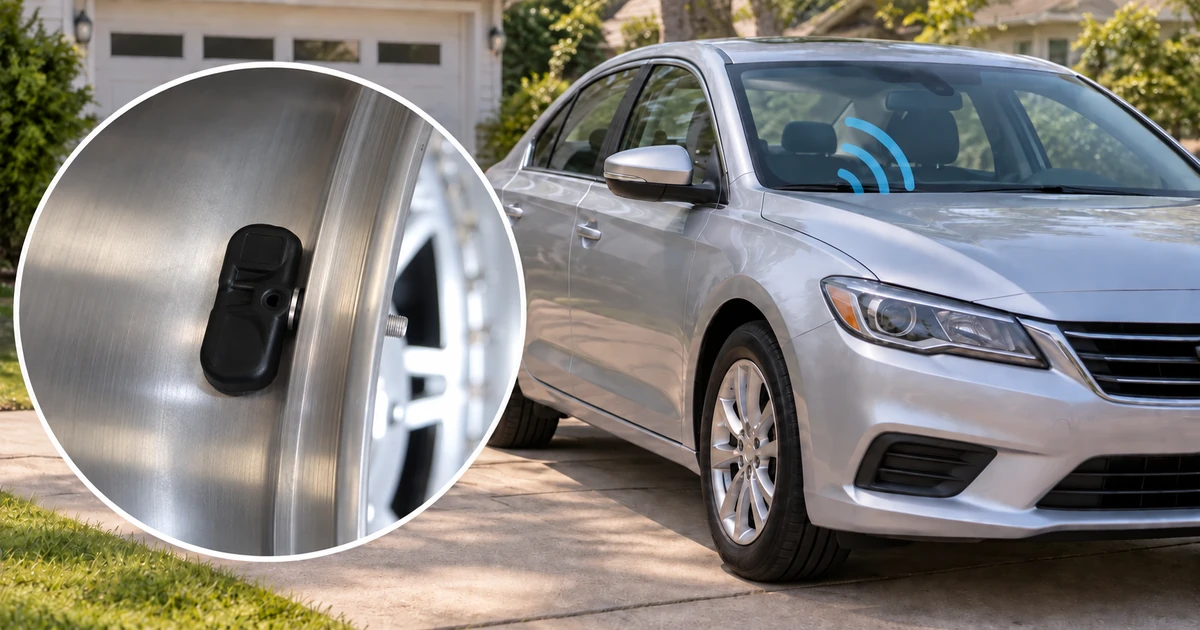
Tire pressure monitoring sensors work by measuring air pressure inside each tire and sending real-time information to the vehicle’s computer system, which alerts the driver when pressure drops below a safe level.
In the United States, tire pressure monitoring systems have become a standard safety feature in most passenger vehicles because maintaining correct tire pressure helps drivers reduce tire-related risks on highways, city roads, and long-distance trips. Since 2008, federal regulations have required most new passenger vehicles sold in the U.S. to include TPMS technology.
A tire pressure monitoring sensor works differently depending on the system type. Direct TPMS uses battery-powered sensors installed inside each wheel to measure actual air pressure, while indirect TPMS uses wheel speed sensors and anti-lock braking system data to estimate pressure changes. Both systems are designed to warn drivers before underinflated tires create safety or performance problems.
Source: Bing
What Is a Tire Pressure Monitoring Sensor?
A tire pressure monitoring sensor is an electronic device that detects changes in tire inflation pressure and communicates that information to a vehicle’s onboard computer. The sensor is part of the tire pressure monitoring system, commonly called TPMS.
The main purpose of a TPMS sensor is to help drivers identify dangerously low tire pressure before it causes excessive tire wear, reduced fuel efficiency, poor handling, or tire failure. The system provides an early warning so the driver can inspect and correct the issue.
Source: Bing
Pressure measurement
The sensor measures the amount of air pressure inside the tire and converts that measurement into electronic data.
Wireless communication
Most direct TPMS sensors transmit information through radio frequency signals to a receiver inside the vehicle.
Driver warning
The vehicle displays a warning light or message when the system detects pressure below the programmed threshold.
How Do Direct Tire Pressure Monitoring Sensors Work?
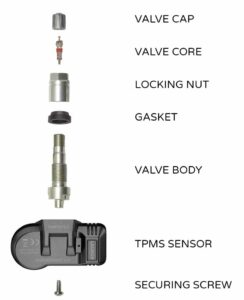
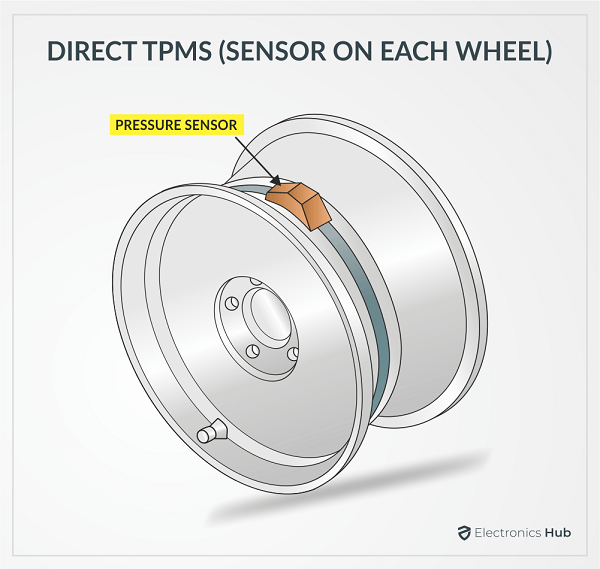
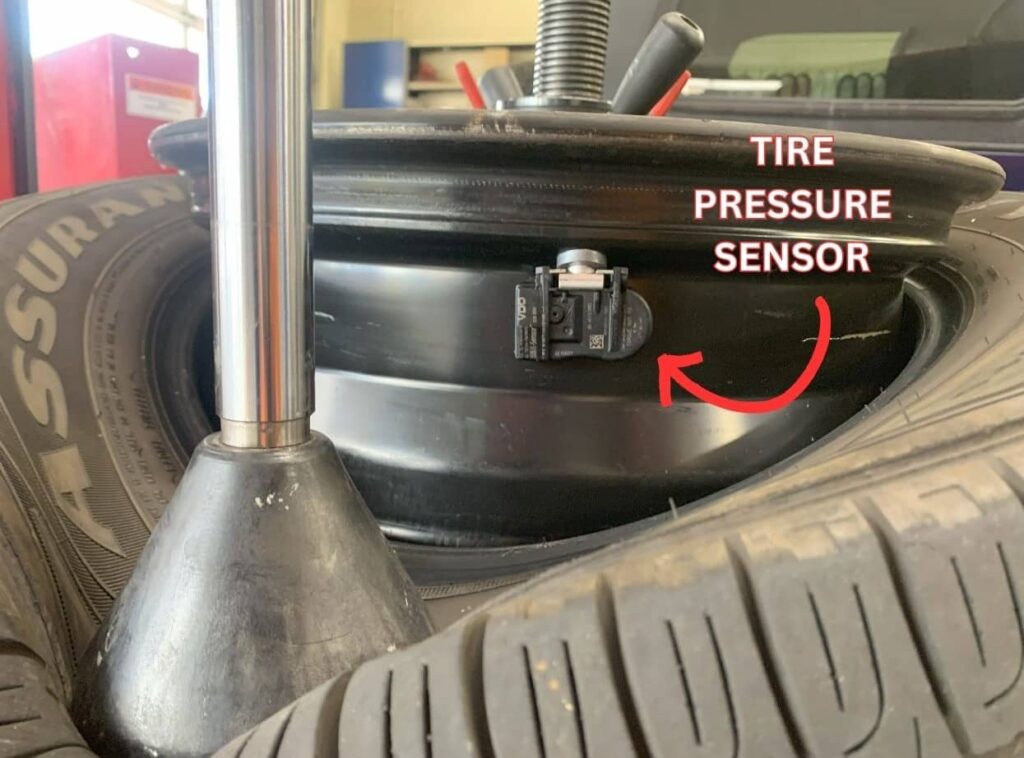
Direct TPMS sensors work by physically measuring the air pressure inside each tire. Each wheel contains a sensor assembly, usually attached to the valve stem or mounted inside the tire, that records pressure and often temperature data.
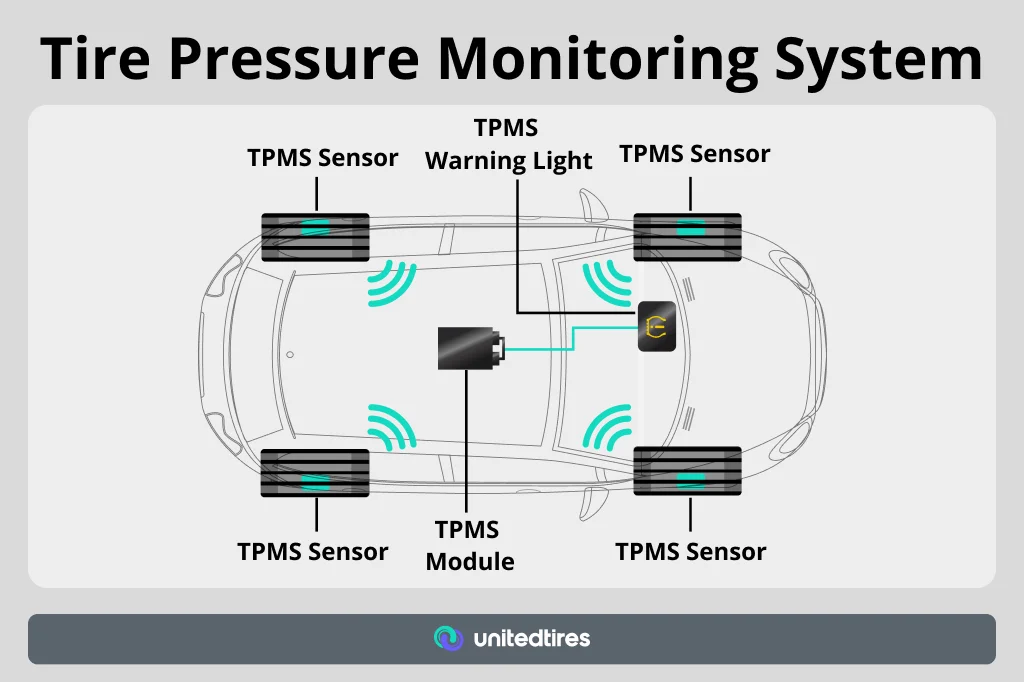
When the vehicle is moving, each sensor collects measurements and sends wireless signals to the TPMS control module. The vehicle computer compares the readings against recommended pressure values and activates a warning if a tire becomes significantly underinflated.
Source: Bing
Sensor electronics
A direct TPMS sensor typically contains a pressure sensor, temperature sensor, transmitter, microcontroller, and battery.
Radio frequency signal
The sensor sends coded wireless information so the vehicle can identify which tire reported the problem.
Vehicle processing
The TPMS module analyzes incoming data and determines whether a warning should appear on the dashboard.
What Happens Inside a Direct TPMS Sensor?
Inside a direct TPMS sensor, a pressure-sensitive component measures air pressure changes. A small computer chip processes the measurement and prepares the information for wireless transmission.
Because the sensor operates inside a tire environment exposed to vibration, moisture, and temperature changes, manufacturers design these units with protective housings and long-life batteries.
Internal battery
Most TPMS sensor batteries are sealed inside the sensor and cannot be replaced separately.
Pressure reading
The sensor detects actual pressure instead of estimating pressure from wheel movement.
How Do Indirect Tire Pressure Monitoring Systems Work?
Indirect TPMS works without dedicated pressure sensors inside the tires. Instead, it uses existing wheel speed sensors from the vehicle’s anti-lock braking system to detect changes caused by tire pressure loss.
A tire with lower air pressure has a smaller effective rolling diameter, which causes it to rotate faster than properly inflated tires. The vehicle computer analyzes these differences and estimates whether a tire may be losing pressure.
Source: Bing
Uses existing sensors
Indirect TPMS relies on wheel speed sensors already used for stability control and ABS functions.
Estimates pressure loss
The system identifies unusual rotation patterns instead of measuring tire pressure directly.
Requires calibration
Many vehicles require a TPMS reset after tire inflation adjustments or tire replacement.
How Do Tire Pressure Sensors Communicate With the Car?
Tire pressure sensors communicate with the vehicle using wireless radio frequency signals. Each sensor has a unique identification code that allows the vehicle to recognize the location and source of the information.
When a sensor detects low pressure, it sends data to the TPMS receiver. The vehicle computer processes the information and activates the dashboard warning indicator if the pressure condition meets the warning criteria.
Source: Bing
Signal transmission
Direct TPMS sensors commonly use low-power wireless communication to send tire data.
Sensor identification
Unique sensor IDs help the vehicle determine which tire needs attention.
Dashboard alert
The driver receives a warning through a TPMS light or vehicle information display.
Common Tire Pressure Sensor Problems and Troubleshooting
A TPMS warning does not always mean the sensor itself has failed. Low tire pressure, damaged sensors, weak batteries, temperature changes, or communication problems can all trigger warnings.
Drivers should check the simplest and safest causes first, beginning with tire pressure verification before replacing components.
Source: Bing
Low tire pressure
Check each tire with a reliable pressure gauge and inflate according to the vehicle manufacturer’s recommended pressure.
Dead sensor battery
A sensor with a depleted battery usually requires complete sensor replacement.
Sensor relearn issue
After tire replacement or sensor installation, some vehicles require a TPMS relearn procedure.
Signs of a Failing TPMS Sensor
A failing TPMS sensor may cause inconsistent warnings, a flashing TPMS light, missing tire pressure readings, or repeated alerts even after correct tire inflation.
Flashing warning light
A flashing TPMS indicator may suggest a system fault rather than simple low pressure.
Incorrect readings
Incorrect pressure information can indicate a damaged or malfunctioning sensor.
Frequently Asked Questions
Q
How accurate are tire pressure monitoring sensors?
Direct TPMS sensors are generally designed to provide accurate real-time pressure measurements, but accuracy can vary depending on sensor condition, temperature changes, and calibration.
Q
Can I drive with the TPMS warning light on?
You should check tire pressure as soon as possible when the TPMS warning light appears. Driving with underinflated tires can increase safety risks and accelerate tire wear.
Q
How long do TPMS sensor batteries last?
Many TPMS sensor batteries are designed to last several years, but lifespan depends on driving conditions, sensor design, and usage. When the battery is depleted, the sensor assembly usually needs replacement.
Q
Do all vehicles use the same type of tire pressure sensor?
No. Vehicles may use different TPMS designs, sensor frequencies, and programming requirements. Replacement sensors must be compatible with the specific vehicle.
Q
Is TPMS a replacement for checking tire pressure manually?
No. TPMS is a warning system designed to alert drivers about pressure problems. Regular manual tire pressure checks remain necessary for proper maintenance.
✦ Wrapping Up
Conclusion
Tire pressure monitoring sensors work by collecting tire pressure information and sending it to the vehicle computer so drivers can respond before a tire problem becomes dangerous. Direct TPMS measures pressure inside the tire, while indirect TPMS estimates pressure changes using wheel speed data.
Understanding how TPMS sensors work helps drivers interpret dashboard warnings, maintain proper tire inflation, and make better decisions about sensor repairs or replacements.
💡 Key Takeaway
When the TPMS warning light appears, check tire pressure first, inspect for visible tire problems, and have the sensor system diagnosed if the warning continues.
Tyron Torres is an automotive diagnostics writer and hands-on vehicle maintenance enthusiast with years of experience troubleshooting brake systems, suspension issues, and everyday car performance problems. He specializes in breaking down complex mechanical issues into simple, practical guides that drivers can use to quickly identify and fix common vehicle faults.
Learn what a tire pressure monitor fault means, why it happens, common causes, warning signs, troubleshooting steps, and when you should repair your TPMS system.
Learn how to make wired CarPlay wireless using compatible adapters. This guide explains requirements, setup steps, troubleshooting, limitations, and what to consider before converting your car.
Quick, safe steps on How to remove the car cup holder insert with simple tools and tips. Clean, replace or reinstall your cup holder in minutes—learn how now!