How Does a Tire Pressure Monitoring System Work? Complete TPMS Guide
A tire pressure monitoring system works by using sensors or wheel-speed data to detect changes in tire pressure and alert the driver when a tire becomes underinflated. In the United States, TPMS has been required on most new passenger vehicles since 2007 to help reduce tire-related safety risks caused by improper inflation.
Drivers across the United States rely on tire pressure monitoring systems to maintain safer driving conditions and avoid problems caused by low tire pressure. A TPMS continuously checks tire inflation levels and provides a warning when pressure drops below a recommended threshold set by the vehicle manufacturer.
Most modern vehicles use either a direct TPMS with pressure sensors installed inside each tire or an indirect TPMS that uses the vehicle’s anti-lock braking system sensors to estimate pressure changes. Understanding how these systems work helps drivers respond correctly when the TPMS warning light appears.
Source: Bing
What Is a Tire Pressure Monitoring System?
A tire pressure monitoring system, commonly called TPMS, is an electronic vehicle safety system designed to monitor the air pressure inside tires. When the system detects that one or more tires are significantly underinflated, it sends a warning to the driver through a dashboard indicator.
The main purpose of TPMS is to help drivers identify dangerous tire pressure loss before it leads to poor handling, increased tire wear, reduced fuel economy, or tire failure. The system provides an early warning, but drivers should still check tire pressure manually according to the vehicle owner’s manual.
Source: Bing
Primary function
TPMS detects abnormal tire pressure conditions and alerts the driver through a dashboard warning light.
Safety benefit
Maintaining proper tire pressure helps tires maintain their intended contact with the road.
Why Tire Pressure Matters
Proper tire inflation affects how a vehicle accelerates, brakes, and handles. Underinflated tires create more rolling resistance, which can increase fuel consumption and cause excessive heat buildup inside the tire.
Handling
Correct pressure helps maintain predictable steering and braking performance.
Tire durability
Proper inflation reduces uneven tread wear and unnecessary stress on tire components.
How Does a Tire Pressure Monitoring System Work?
A tire pressure monitoring system works by collecting information about tire pressure or tire rotation behavior and sending that information to the vehicle’s computer system. When the system identifies pressure below the recommended level, it activates the TPMS warning indicator on the dashboard.
The exact operating method depends on whether the vehicle uses a direct or indirect TPMS design. Both systems have the same goal, but they measure tire conditions in different ways.
Source: Bing
Direct TPMS operation
Pressure sensors measure actual air pressure inside each tire and transmit readings wirelessly to the vehicle computer.
Indirect TPMS operation
The system analyzes wheel rotation differences using existing wheel-speed sensors to estimate pressure loss.
How Direct TPMS Sensors Work
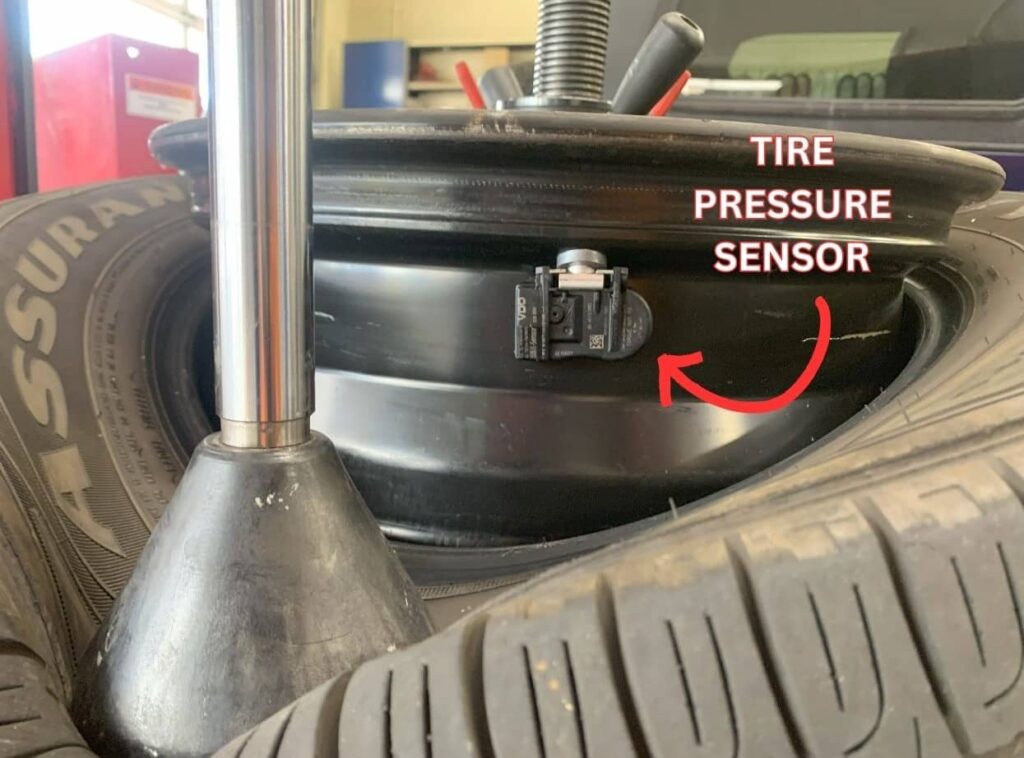
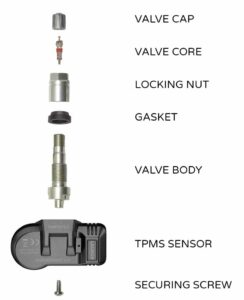
Direct TPMS uses small electronic sensors mounted inside each wheel, usually attached to the valve stem or installed inside the tire. These sensors measure air pressure and often measure tire temperature as well.
The sensor sends wireless data to a receiver in the vehicle. If the measured pressure falls below the programmed warning level, the vehicle displays a TPMS alert.
Sensor components
A typical direct TPMS sensor contains a pressure sensor, temperature sensor, battery, transmitter, and electronic circuit.
Battery limitation
Most TPMS sensor batteries are sealed and eventually require sensor replacement when the battery reaches the end of its service life.
How Indirect TPMS Sensors Work
Indirect TPMS does not measure tire pressure directly. Instead, it uses wheel-speed sensors from the anti-lock braking system to detect changes in wheel rotation.
A tire with lower air pressure has a smaller effective diameter and may rotate faster than properly inflated tires. The vehicle computer analyzes these differences and estimates possible pressure loss.
Main advantage
Indirect systems do not require pressure sensors inside each tire.
Main limitation
Indirect TPMS may need recalibration after adjusting tire pressure or replacing tires.
Direct TPMS vs Indirect TPMS: Key Differences
Direct and indirect TPMS systems provide the same safety function, but their measurement methods, maintenance requirements, and limitations are different.
Source: Bing
Direct TPMS accuracy
Direct systems provide actual pressure readings from sensors installed in the wheels.
Indirect TPMS simplicity
Indirect systems use existing vehicle sensors and generally have fewer dedicated components.
Comparison of TPMS Types
The best system depends on vehicle design because manufacturers select TPMS technology based on engineering requirements, cost considerations, and vehicle features.
Direct system maintenance
Requires attention to sensor condition, battery life, and sensor programming after replacement.
Indirect system maintenance
Usually requires proper recalibration after tire pressure adjustments or tire service.
What Happens When the TPMS Warning Light Comes On?
When the TPMS warning light illuminates, it usually means the system has detected a tire pressure problem or a system malfunction. The correct response depends on whether the light is steady or flashing.
Drivers should check tire pressure as soon as possible using a reliable tire gauge and compare the readings with the recommended pressure listed on the vehicle information label.
Source: Bing
Steady TPMS light
Often indicates one or more tires are below the recommended pressure level.
Flashing TPMS light
May indicate a TPMS sensor problem, communication issue, or system malfunction.
Common TPMS Problems and Solutions
A TPMS warning does not always mean the tire itself is damaged. Environmental changes, sensor issues, or incorrect calibration can also trigger warnings.
Cold weather pressure drop
Lower temperatures can reduce tire pressure and may trigger a warning.
Damaged sensor
A failed sensor battery or damaged sensor may prevent accurate readings.
Some vehicles require sensor relearning or programming after tire service.
How to Maintain a Tire Pressure Monitoring System
TPMS requires little routine maintenance, but proper tire care helps the system work correctly. Drivers should regularly inspect tire pressure, follow manufacturer recommendations, and address warning lights promptly.
A TPMS should be treated as an additional safety tool rather than a replacement for manual tire inspections.
Source: Bing
Check tire pressure manually
Use a tire pressure gauge regularly because TPMS warnings may only appear after pressure drops below a set threshold.
Service sensors correctly
Use compatible replacement sensors and complete required relearning procedures when needed.
When Professional Service May Be Needed
A qualified technician may be needed when the TPMS warning remains after correcting tire pressure, when sensors fail, or after certain tire and wheel repairs.
Persistent warning
A warning that remains after checking tire pressure may require diagnostic equipment.
Sensor replacement
Some replacement sensors must be programmed to communicate with the vehicle.
Frequently Asked Questions
Q
Does TPMS measure tire pressure continuously?
Direct TPMS systems regularly measure tire pressure and send updates to the vehicle. Indirect TPMS systems monitor wheel behavior and calculate possible pressure changes rather than measuring pressure directly.
Q
Can I drive with the TPMS light on?
Driving with a TPMS warning light is not recommended without checking the tires. A low tire can affect handling and may increase the risk of tire damage.
Q
Why does the TPMS light come on when the weather gets cold?
Cold temperatures can reduce air pressure inside tires. When pressure drops below the vehicle’s warning threshold, the TPMS may activate.
Q
Does replacing tires require TPMS service?
Many vehicles require checking TPMS sensors during tire replacement. Some systems need sensor programming or relearning after new tires or wheels are installed.
Q
Can TPMS tell me if my tire has a puncture?
TPMS can alert drivers when pressure drops, but it usually cannot identify the exact cause. A puncture, leak, or temperature-related pressure change may require inspection.
✦ Wrapping Up
Conclusion
A tire pressure monitoring system works by detecting changes in tire inflation and warning drivers before low pressure creates larger safety problems. Direct TPMS measures pressure with wheel-mounted sensors, while indirect TPMS estimates pressure changes through wheel-speed data.
Understanding how TPMS works helps drivers respond correctly to warning lights and maintain safer tires. Regular pressure checks, proper tire maintenance, and timely repairs remain essential even when a vehicle has an advanced monitoring system.
💡 Key Takeaway
When the TPMS warning light appears, check tire pressure as soon as possible, inspect for visible damage, and seek professional assistance if the warning continues after correcting tire pressure.
Tyron Torres is an automotive diagnostics writer and hands-on vehicle maintenance enthusiast with years of experience troubleshooting brake systems, suspension issues, and everyday car performance problems. He specializes in breaking down complex mechanical issues into simple, practical guides that drivers can use to quickly identify and fix common vehicle faults.
Learn what a tire pressure monitoring sensor is, how TPMS sensors work, the different types, warning signs, replacement needs, and common questions about tire pressure sensors.
Learn what the tire pressure monitor symbol means, why it appears, how to fix TPMS warnings, and when a flashing or steady tire pressure light requires attention.
Why is coolant boiling but temperature normal? Learn diagnostics, common causes like air pockets or sensor faults, and simple fixes to prevent engine damage.