Car Polishing Pads Types: Complete Guide to Foam, Wool, Microfiber, and Choosing the Right Pad
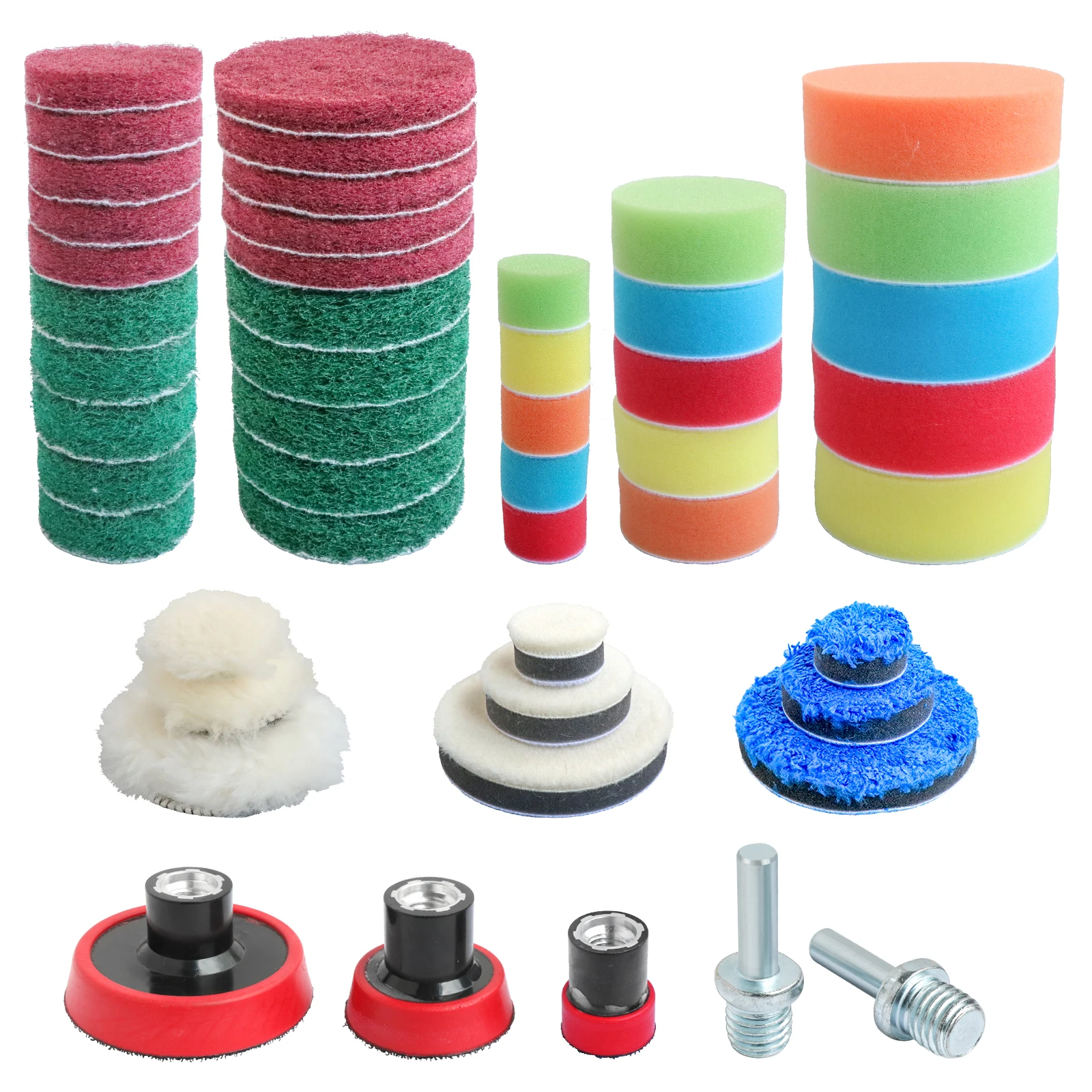
Car polishing pads types are mainly divided into foam pads, wool pads, microfiber pads, and specialty pads. The best choice depends on the paint condition, polishing compound, machine type, and the level of correction needed.
For vehicle owners and detailers in the United States, choosing the correct car polishing pad can make the difference between safely improving a vehicle’s paint and creating additional defects. Whether you are restoring the finish on a daily driver, preparing a classic car for a show, or removing light swirl marks from a newer vehicle, the pad material and cutting ability determine how effectively the polishing process works.
Car polishing pads work together with compounds and polishes to remove imperfections, refine the clear coat surface, and improve gloss. Different pads are designed for different stages of paint correction, so understanding foam density, fiber type, aggressiveness, and finishing ability helps prevent unnecessary paint damage.
Source: Bing
What Are the Different Types of Car Polishing Pads?
Car polishing pads are accessories attached to a polishing machine that hold and distribute compounds or polishes across a vehicle’s paint surface. Each pad type has different levels of cutting ability, heat control, and finishing performance.
The main car polishing pads types include foam pads, wool pads, microfiber pads, and specialized pads designed for tasks such as glass polishing, waxing, or applying protective coatings.
Source: Bing
Foam polishing pads
Foam pads are versatile pads available in cutting, polishing, and finishing grades. They are widely used by beginners and professionals because they provide predictable results.
Wool polishing pads
Wool pads provide strong cutting ability and are commonly used for removing deeper defects, oxidation, and sanding marks.
Microfiber polishing pads
Microfiber pads combine fiber cutting action with polishing abrasives, making them useful for moderate to heavy paint correction.
Specialty pads
Specialty pads include options designed for unique applications such as metal polishing, glass correction, waxing, and finishing work.
How Polishing Pad Materials Affect Results
The material of a polishing pad determines how much mechanical correction it can provide. Softer materials usually create less abrasion and produce higher gloss, while firmer materials create more cutting action for removing defects.
More aggressive materials
Usually remove defects faster but require careful technique to avoid excessive clear coat removal or surface haze.
Softer materials
Usually improve clarity and gloss after correction but may not remove deeper scratches or oxidation.
Foam Polishing Pads: The Most Common Choice for Car Detailing
Foam polishing pads are popular because manufacturers produce them in multiple densities and cutting levels. They can handle many common detailing tasks, from removing light swirl marks to producing a final glossy finish.
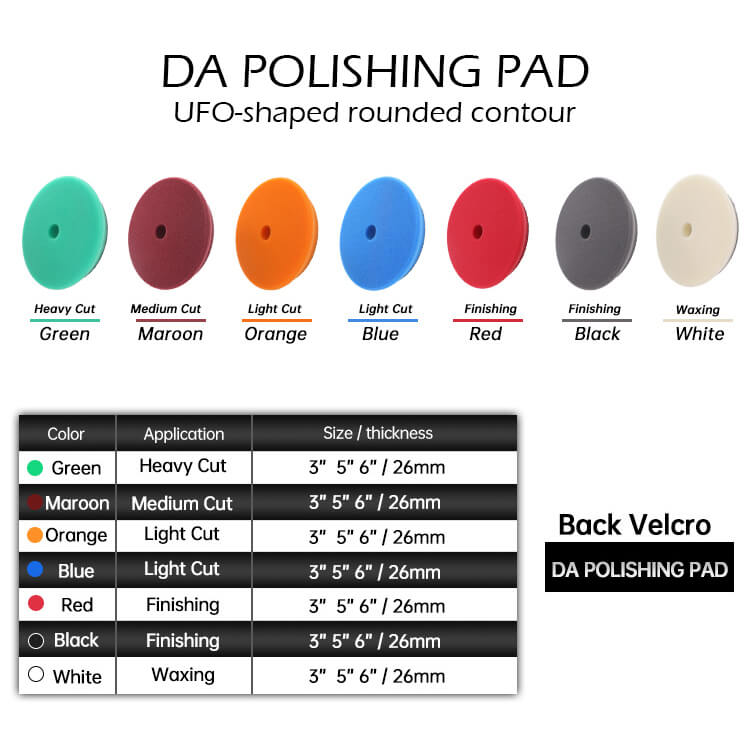
Foam pads are often identified by firmness, cell structure, and color systems. However, pad colors are not universal across brands, so the manufacturer’s instructions should always be checked before use.
Source: Bing
Cutting foam pads
Designed to remove heavier defects such as oxidation, moderate scratches, and sanding marks when used with suitable compounds.
Polishing foam pads
Used for refining paint after correction and reducing minor imperfections while improving gloss.
Finishing foam pads
Soft pads designed for final polishing steps, glaze application, or enhancing paint clarity.
Wool and Microfiber Polishing Pads for Heavy Paint Correction
Wool and microfiber pads are commonly selected when foam pads do not provide enough cutting power. These pads can remove more material from the paint surface, which makes them useful for serious correction work but requires more careful control.
Professional detailers often use aggressive pads with heavier compounds first, then switch to softer pads to refine the finish and restore maximum gloss.
Source: Bing
Wool pads
Natural or synthetic wool fibers create strong cutting action and can help correct severe defects when used properly.
Microfiber pads
Microfiber fibers provide additional cutting ability while maintaining a relatively refined finish compared with some aggressive wool options.
When Should You Avoid Aggressive Pads?
Aggressive pads should not be the first choice for minor defects or delicate paint finishes. Starting with excessive cutting ability can create unnecessary correction work and may increase the risk of damaging the clear coat.
Light defects
Use a lighter polishing approach before moving to stronger correction methods.
Unknown paint condition
Test a small hidden area first to understand how the paint reacts.
How to Choose the Right Car Polishing Pad
The correct polishing pad depends on the condition of the paint, the correction goal, and the polishing system being used. There is no single pad that works best for every vehicle.
A practical approach is to begin with the least aggressive pad and compound combination that can achieve the desired improvement. Increase cutting power only when necessary.
Source: Bing
For removing light swirl marks
A medium polishing foam pad is often suitable for improving clarity without excessive correction.
For oxidation and deeper defects
A microfiber or wool cutting pad may be needed with an appropriate compound.
For final gloss improvement
A soft finishing foam pad can refine the surface after correction.
Factors That Change Pad Selection
Vehicle paint hardness varies between manufacturers and models. A combination that works well on one vehicle may not produce the same result on another.
Paint hardness
Hard clear coats may require more cutting ability, while softer paints may need gentler methods.
Machine type
Rotary and dual-action polishers create different levels of heat and correction ability.
Defect severity
Deeper scratches generally require more correction than light surface marks.
Common Mistakes When Using Car Polishing Pads
Many polishing problems happen because of incorrect pad selection, poor maintenance, or using too much pressure. Proper preparation and technique help create more consistent results.
Source: Bing
Using one pad for every step
Different correction stages usually require different pad types to achieve both defect removal and finishing quality.
Built-up polish residue can reduce performance and increase the chance of uneven results.
Applying too much pressure
Excessive pressure can generate heat and reduce the effectiveness of the polishing process.
Skipping a test spot
Testing a small area helps determine whether the selected pad and polish combination is appropriate.
Frequently Asked Questions
Q
What type of polishing pad is best for beginners?
Foam polishing pads are usually the easiest option for beginners because they are available in different cutting levels and provide more predictable results compared with more aggressive materials.
Q
Are wool pads better than foam pads for car polishing?
Wool pads are not always better. They provide more cutting power, which is useful for serious defects, while foam pads are often better for general polishing and finishing work.
Q
Can I use the same polishing pad with different compounds?
A pad can sometimes be used with different products, but mixing compounds on the same pad without proper cleaning can affect results. Using dedicated pads for different products is often more consistent.
Q
How often should car polishing pads be replaced?
Replacement depends on pad condition and usage. Pads should be replaced when they lose their shape, become damaged, fail to clean properly, or no longer perform consistently.
Q
What size polishing pad should I use?
Pad size should match the polishing machine and the area being corrected. Common sizes are selected based on the backing plate size and the balance between control and coverage.
✦ Wrapping Up
Conclusion
Understanding car polishing pads types helps vehicle owners choose the correct tool for paint correction, polishing, and finishing tasks. Foam pads, wool pads, and microfiber pads each have specific strengths, and the right choice depends on the condition of the paint and the desired result.
A careful approach using the least aggressive effective pad, proper preparation, and correct polishing technique can improve paint appearance while reducing unnecessary risk.
💡 Key Takeaway
Start with a suitable foam polishing pad for light correction, evaluate the results, and only move to more aggressive pads when the paint condition requires additional cutting power.
Tyron Torres is an automotive diagnostics writer and hands-on vehicle maintenance enthusiast with years of experience troubleshooting brake systems, suspension issues, and everyday car performance problems. He specializes in breaking down complex mechanical issues into simple, practical guides that drivers can use to quickly identify and fix common vehicle faults.
Learn what a tire pressure monitor fault means, why it happens, common causes, warning signs, troubleshooting steps, and when you should repair your TPMS system.