Car Polishing for Beginners: A Complete Guide to Polishing Your Car Safely
Car polishing for beginners involves cleaning, preparing, and carefully using a polishing compound to remove minor paint imperfections and restore gloss without damaging the clear coat.
For many car owners in the United States, keeping a vehicle’s paint looking clean and glossy is part of regular maintenance. Road dust, automatic car washes, weather exposure, and everyday driving conditions can leave clear coat surfaces with swirl marks, oxidation, and reduced shine. Car polishing is a process that can improve the appearance of these issues when performed correctly.
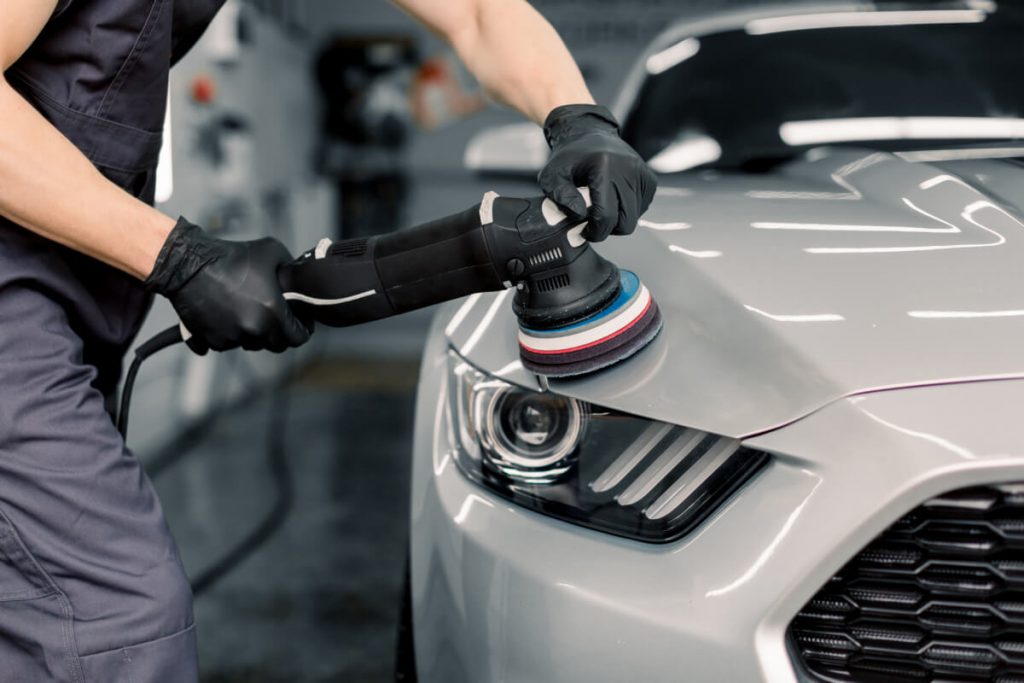
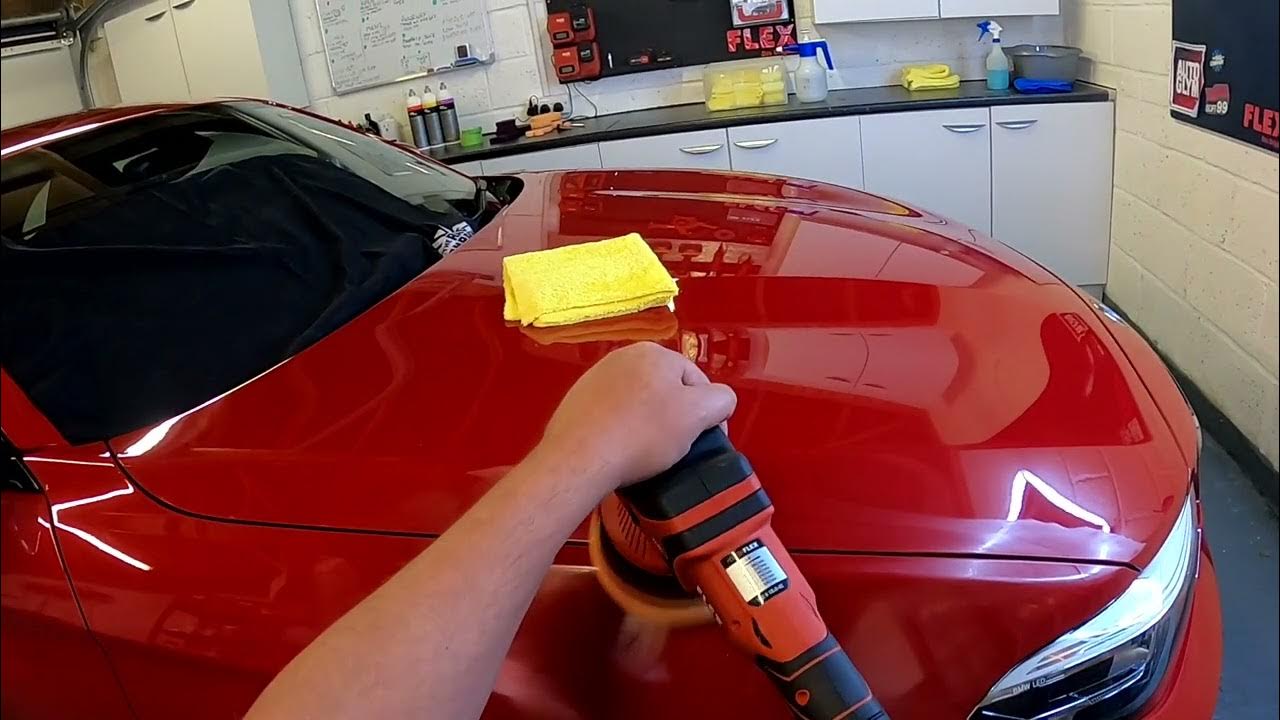
Beginners should focus on learning proper preparation, choosing suitable tools, and using controlled techniques rather than trying to remove every imperfection immediately. A careful approach with a dual action polisher or appropriate hand-polishing method can help protect the paint while improving its finish.
Source: Bing
What Is Car Polishing and Why Does It Matter?
Car polishing is a paint correction process that uses abrasive polishing compounds to remove a very small amount of the clear coat surface. This leveling action can reduce the appearance of swirl marks, light scratches, oxidation, and dull areas by creating a smoother surface that reflects light more evenly.
Polishing is different from waxing or applying a paint sealant. Wax and sealants add a protective layer, while polishing changes the surface condition of the existing paint. Because polishing removes material, it should only be performed when needed and with appropriate care.
Source: Bing
Paint correction
Polishing corrects minor surface imperfections by smoothing uneven areas in the clear coat.
Appearance improvement
A properly polished vehicle can have improved gloss, clarity, and paint reflection.
Limited correction ability
Deep scratches that reach through the clear coat or paint layers usually require professional repair methods.
Common Paint Problems Polishing Can Help With
Beginners often choose polishing because their vehicle has visible surface defects caused by normal use. Polishing can help with many light imperfections but cannot repair every type of damage.
Swirl marks
Fine circular marks often caused by improper washing or drying techniques.
Older paint may regain some clarity when oxidation is safely reduced.
Tools and Supplies Beginners Need Before Polishing a Car
Successful car polishing starts before the machine or polish touches the paint. Beginners need basic detailing supplies to prepare the surface and reduce the chance of creating new marks.
The exact products and tools depend on the vehicle condition, paint hardness, and the level of correction required. Starting with moderate products is usually safer than immediately using aggressive compounds.
Source: Bing
Car wash supplies
Use quality car shampoo, microfiber towels, and safe washing methods to remove dirt before polishing.
Clay bar or decontamination products
These can remove bonded contaminants that washing alone may not eliminate.
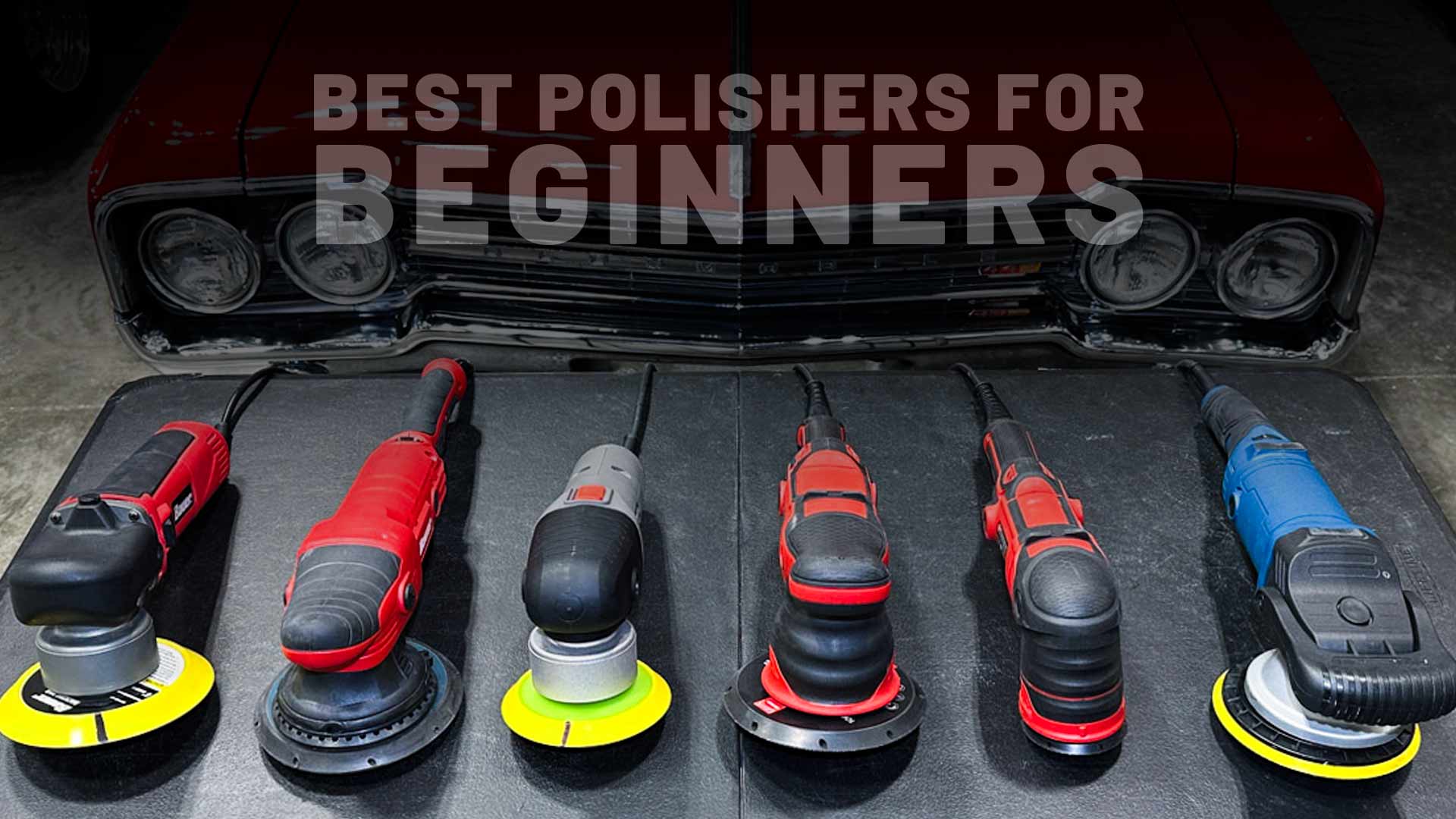
Polisher
A dual action polisher is commonly recommended for beginners because it offers more control than many rotary machines.
Polishing pads
Different foam or microfiber pads provide different levels of cutting and finishing ability.
Polishing compound
Choose a product designed for automotive paint correction and match its aggressiveness to the paint condition.
Choosing Between Hand Polishing and Machine Polishing
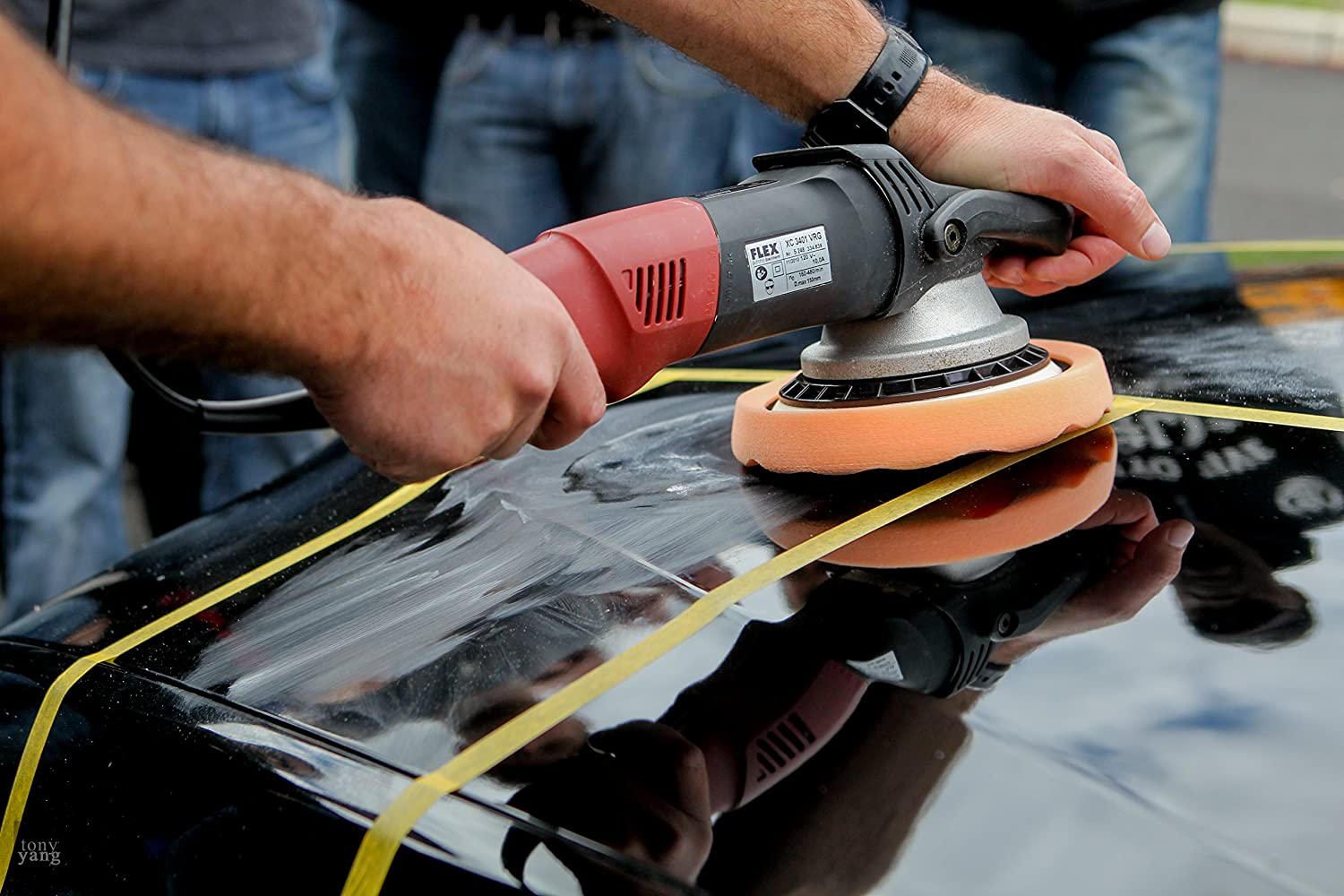
Hand polishing requires less equipment and gives beginners more direct control, but it usually requires more time and physical effort. Machine polishing can produce more consistent correction but requires learning proper speed, pressure, and movement techniques.
Hand polishing
Suitable for small areas, light improvements, and beginners who want maximum control.
Dual action polishing
A practical option for many beginners because it balances correction ability with easier handling.
Rotary polishing
A powerful tool that usually requires more experience because improper use can create paint damage.
How Beginners Should Polish a Car Step by Step
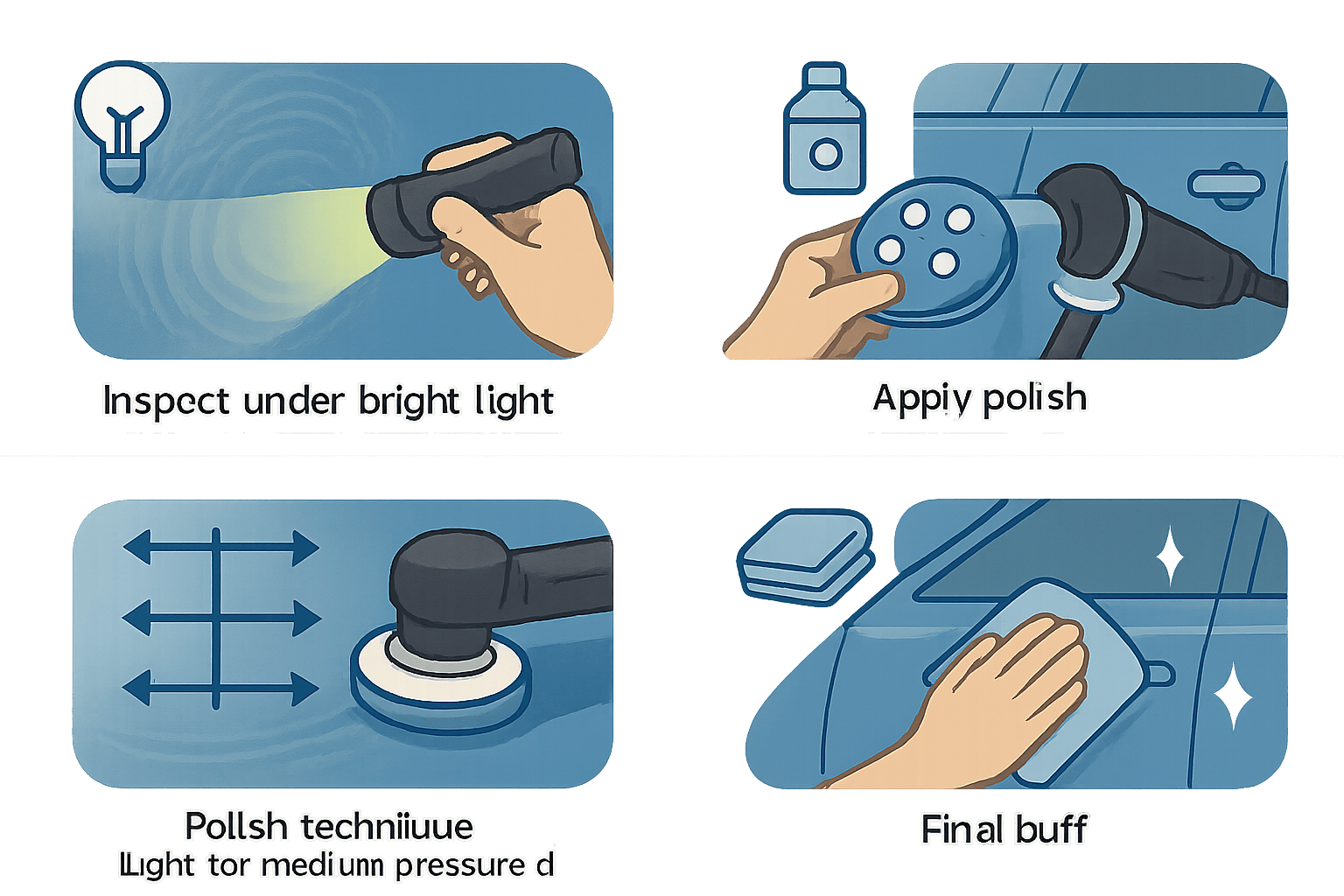
The safest beginner polishing process follows a preparation-first approach. Skipping cleaning steps can trap contaminants under the polishing pad and create additional defects.
Source: Bing
Step 1: Wash and dry the vehicle
Remove dirt, road grime, and loose contaminants before starting any polishing work.
Step 2: Inspect the paint
Use good lighting to identify scratches, swirl marks, oxidation, and areas needing attention.
Step 3: Test a small area
Apply the chosen polish and pad combination to a hidden or less noticeable section before treating the entire vehicle.
Step 4: Apply polish correctly
Use moderate product amounts and allow the pad to work the polish without forcing excessive pressure.
Step 5: Work in small sections
Move slowly across manageable areas and check progress frequently.
Step 6: Clean and protect the paint
Remove residue and apply a suitable protective product if desired.
How to Know If You Are Polishing Correctly
A successful polishing process should leave the paint looking clearer and more reflective without creating new haze, excessive heat marks, or visible pad trails. Progress should be checked regularly instead of assuming more polishing always produces better results.
Positive signs
Improved gloss, reduced swirl visibility, and a smoother paint surface.
Warning signs
New scratches, cloudy paint, excessive heat, or uneven finish may indicate incorrect technique.
Beginner Car Polishing Mistakes to Avoid
Many beginner mistakes happen because polishing looks simple but requires careful control. Understanding common problems can prevent unnecessary paint damage.
Source: Bing
Polishing a dirty car
Dirt and debris can become trapped under the pad and create additional scratches.
Using too much pressure
Heavy pressure can increase heat and reduce the effectiveness of the polishing process.
Starting with aggressive compounds
Strong cutting products may remove more clear coat than necessary.
Skipping a test spot
Every vehicle’s paint reacts differently, so testing helps avoid unexpected results.
Working in direct sunlight
Hot surfaces can make products difficult to control and may affect results.
When Beginners Should Consider Professional Help
Professional assistance may be appropriate when paint damage is severe, scratches are deep, the vehicle has delicate finishes, or the owner is uncomfortable using machine polishing equipment. Paint correction mistakes can be expensive to repair.
Deep scratches
Damage extending beyond the clear coat usually requires methods beyond normal polishing.
High-value vehicles
Rare or expensive vehicles may benefit from experienced detailing services.
Car Polishing Decision Guide for Beginners
The right polishing approach depends on the condition of the paint, the correction goal, and the user’s experience level. This comparison helps beginners choose a safer starting point.
Source: Bing
Light swirl marks
Use a mild polish and finishing pad combination before trying stronger correction methods.
Moderate defects
A more capable polish and cutting pad may be needed, but careful testing is essential.
Severe paint damage
Consider professional evaluation because polishing may not solve the underlying problem.
What Beginners Should Learn Before Moving to Advanced Techniques
Before attempting advanced paint correction, beginners should understand pad selection, product aggressiveness, machine movement, paint inspection, and safe working temperatures.
Practice control
Learn consistent machine movement and pressure on less critical surfaces first.
Understand limitations
Not every scratch or defect can be removed safely through polishing.
Frequently Asked Questions
Q
Is car polishing safe for beginners?
Car polishing can be safe for beginners when they use proper preparation, start with mild products, test small areas, and avoid aggressive techniques. Mistakes are more likely when users apply excessive pressure or remove too much clear coat.
Q
Can polishing remove deep scratches from a car?
Polishing can reduce the appearance of some light scratches, but deep scratches that penetrate through the clear coat or paint usually require professional repair.
Q
Should beginners use a rotary or dual action polisher?
Many beginners start with a dual action polisher because it is generally easier to control. Rotary polishers can provide strong correction but require more experience to avoid paint damage.
Q
How often should a car be polished?
Polishing frequency depends on paint condition, washing habits, environment, and how much correction is needed. Because polishing removes a small amount of clear coat, it should not be performed unnecessarily.
Q
Do I need to wax after polishing a car?
After polishing, many vehicle owners apply a protective product such as wax, sealant, or coating to help protect the refined paint surface from environmental exposure.
✦ Wrapping Up
Conclusion
Car polishing for beginners is a skill that improves with careful practice, proper tools, and realistic expectations. The goal is not simply to make paint shine but to safely improve the surface condition while preserving the vehicle’s clear coat.
Starting with thorough cleaning, a test section, gentle products, and controlled movements gives beginners the best chance of achieving a better finish without unnecessary damage.
💡 Key Takeaway
Start with a clean vehicle, inspect the paint carefully, use the least aggressive polishing method that solves the problem, and prioritize technique over speed.
Tyron Torres is an automotive diagnostics writer and hands-on vehicle maintenance enthusiast with years of experience troubleshooting brake systems, suspension issues, and everyday car performance problems. He specializes in breaking down complex mechanical issues into simple, practical guides that drivers can use to quickly identify and fix common vehicle faults.
Learn why your tire pressure monitoring system light is flashing, what causes it, how to troubleshoot TPMS warnings, and when professional service is needed.
Learn why your car makes a clunking sound when going over bumps, how to diagnose common causes, and when to see a mechanic for quick, affordable repairs.