Steps to Polishing a Car: A Complete Guide for a Professional-Looking Finish
The steps to polishing a car include washing and preparing the surface, inspecting the paint, choosing the right polish and pad, applying polish in controlled sections, removing residue, checking the finish, and protecting the paint afterward.
For vehicle owners across the United States, maintaining a clean and glossy paint finish is a common part of car care. Road debris, automatic car washes, weather exposure, and everyday driving can leave clear coat surfaces with swirl marks, oxidation, and light scratches. Proper car polishing helps improve the appearance of the paint by refining the surface rather than simply covering imperfections.
A successful polishing process depends on preparation, the correct products, and careful technique. Whether using a dual-action polisher or polishing by hand, the goal is to safely remove a very small amount of damaged clear coat while creating a smoother surface that reflects light more evenly.
Source: Bing
What You Need Before Polishing a Car
Before starting the polishing process, gather the correct tools and prepare a suitable workspace. A clean, shaded area with good lighting allows you to see paint defects clearly and prevents polish from drying too quickly on the surface.
Car polishing can be completed by hand for light improvements or with a machine polisher for more consistent paint correction. The method you choose depends on the condition of the paint, your experience level, and the amount of correction needed.
Source: Bing
Cleaning supplies
Use car shampoo, microfiber towels, a wash mitt, and drying materials to remove dirt before polishing.
Polishing products
Select a polish or compound based on the severity of paint defects and the amount of correction required.
Application tools
Use foam applicator pads for hand polishing or compatible polishing pads with a dual-action polisher.
Safety equipment
Wear eye protection when needed and work in a properly ventilated area when using automotive chemicals.
Inspect the Paint Condition First
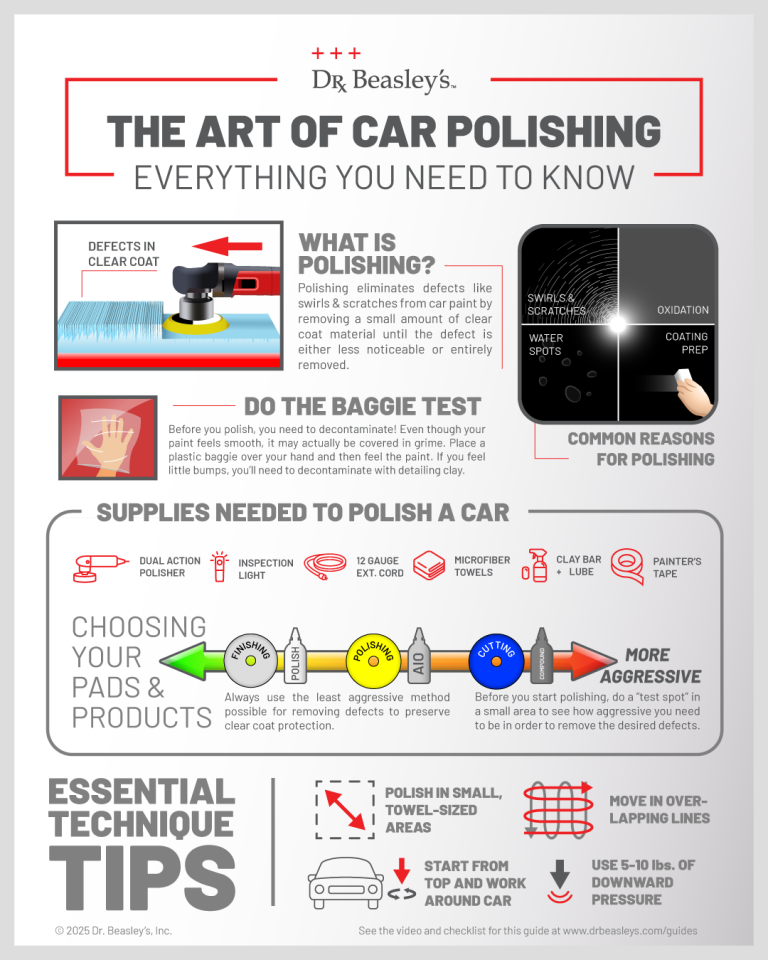
Inspect the vehicle under strong lighting before choosing a polishing method. Look for swirl marks, oxidation, water spots, paint haze, and scratches. Understanding the defect type helps prevent unnecessary polishing.
Polishing is designed for clear coat imperfections. If a scratch has penetrated through the clear coat into the paint layer or primer, polishing may not fully repair it.
Light defects
Minor swirl marks and dullness often respond well to finishing polish.
Heavy defects
Deep scratches and severe oxidation may require compound, sanding, or professional restoration.
Step-by-Step Process for Polishing a Car
The correct polishing sequence starts with surface preparation and continues through controlled product application. Each step affects the quality and safety of the final finish.
Avoid rushing between stages because leftover dirt, excessive pressure, or incorrect polish selection can create additional paint defects.
Source: Bing
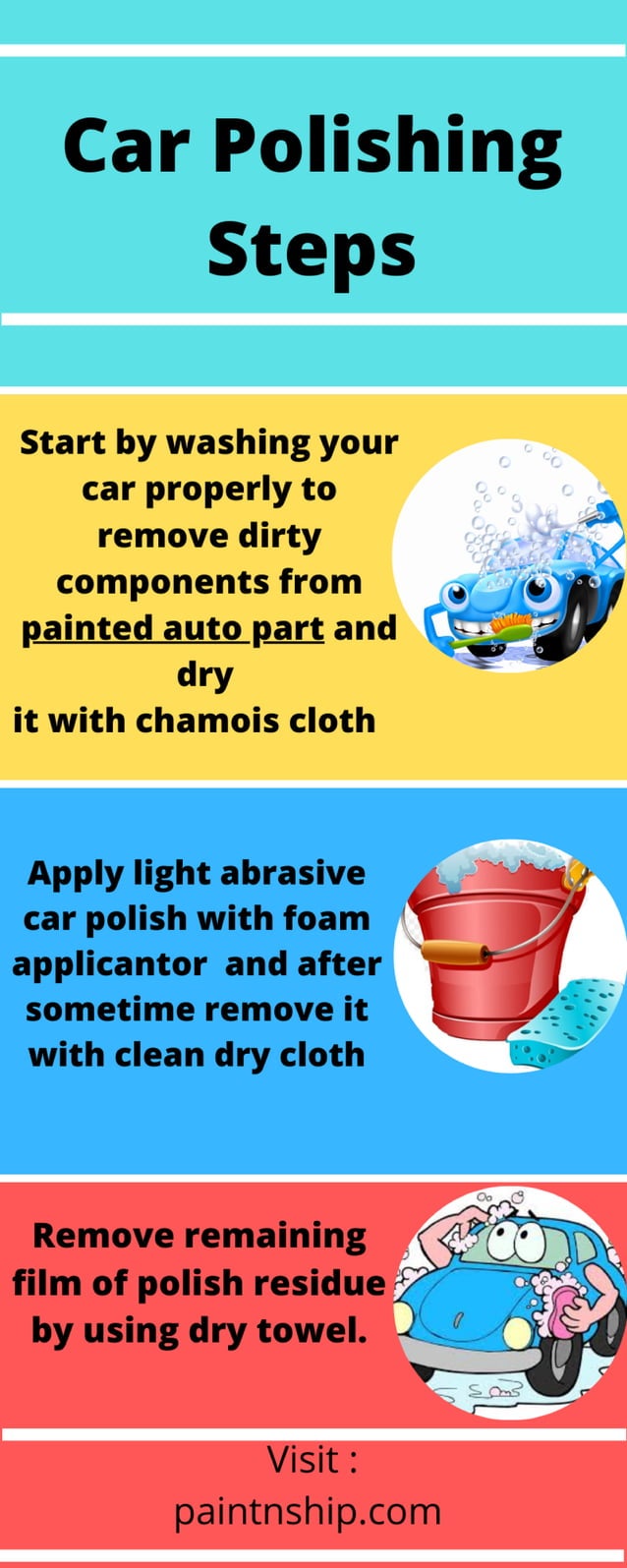
Step 1: Wash the vehicle thoroughly
Remove dirt, road grime, and contaminants using a proper car wash method. Dry the vehicle completely before polishing.
Step 2: Remove bonded contaminants
Use a clay bar or suitable decontamination method if the paint feels rough after washing.
Step 3: Protect sensitive areas
Cover trim, rubber seals, and unpainted surfaces to prevent polish residue buildup.
Step 4: Test a small area
Apply polish to a small section first to confirm the product and technique produce the desired result.
Step 5: Polish in small sections
Work on manageable areas using overlapping passes and consistent movement.
Step 6: Remove polish residue
Wipe the surface with clean microfiber towels and inspect the finish under proper lighting.
How to Apply Polish Correctly
Apply a small amount of polish to the pad and spread it evenly across the work area before increasing machine speed or pressure. The product should break down gradually as it works on the paint surface.
When using a machine polisher, keep the pad flat against the paint and avoid staying in one location too long. Excessive heat and pressure can damage clear coat finishes.
Use controlled pressure
Moderate pressure is usually more effective than forcing the pad against the paint.
Monitor the surface
Stop periodically to remove residue and check whether defects are improving.
Choosing Between Hand Polishing and Machine Polishing
Hand polishing and machine polishing can both improve paint appearance, but they provide different levels of correction. Hand polishing offers more control for beginners, while machine polishing can produce more consistent results when used correctly.
A dual-action polisher is commonly preferred by many enthusiasts because it reduces the risk of creating aggressive paint damage compared with some rotary polishing methods.
Source: Bing
Hand polishing
Best for minor imperfections, small areas, and beginners who want maximum control.
Dual-action machine polishing
Useful for larger vehicles and more uniform paint correction when proper technique is followed.
Rotary polishing
Provides strong correction ability but generally requires more experience to avoid paint damage.
Signs You Are Getting Good Results
A properly polished surface should look clearer, smoother, and more reflective. Swirl marks should appear reduced, and the paint should have improved gloss when viewed from different angles.
Good results come from improving the surface condition without removing more clear coat than necessary.
Improved reflection
Light should reflect more evenly from the paint surface.
Reduced visible defects
Minor scratches and haze should become less noticeable.
Common Car Polishing Mistakes to Avoid
Many polishing problems happen because the surface preparation or product selection is incorrect. Understanding common mistakes helps protect the vehicle’s paint and improves the final appearance.
Car polishing removes a small amount of clear coat, so unnecessary polishing should be avoided. The goal is correction with minimal material removal.
Source: Bing
Polishing a dirty car
Remaining dirt particles can create new scratches while polishing.
Using too much product
Excess polish can reduce effectiveness and make residue removal more difficult.
Applying too much pressure
Heavy pressure can generate excess heat and increase the chance of paint damage.
Skipping paint protection
A polished surface should be protected to help maintain the improved finish.
When Polishing Will Not Fix the Problem
Polishing cannot restore missing paint, repair rust damage, or remove scratches that have passed through the clear coat. These conditions require different repair methods.
If you are unsure about paint thickness or damage severity, consulting a professional detailer can help prevent permanent damage.
Deep scratches
Scratches reaching the color coat or primer may need touch-up or repainting.
Peeling clear coat
Clear coat failure usually requires refinishing rather than polishing.
Frequently Asked Questions
Q
How long does it take to polish a car?
The time required depends on the vehicle size, paint condition, and polishing method. A basic hand polish may take a few hours, while detailed machine polishing and paint correction can take much longer.
Q
Can I polish my car by hand?
Yes, hand polishing can improve light paint defects and gloss. However, machine polishers usually provide more consistent correction on larger areas.
Q
How often should a car be polished?
Polishing frequency depends on paint condition and maintenance habits. Because polishing removes a small amount of clear coat, it should be performed only when correction is needed.
Q
Should I wax after polishing a car?
Yes, applying a protective product after polishing helps preserve the improved finish and provides additional protection from environmental exposure.
Q
What is the difference between polishing and waxing?
Polishing corrects paint imperfections by refining the surface, while waxing adds a protective layer and enhances appearance without correcting defects.
✦ Wrapping Up
Conclusion
The steps to polishing a car are based on careful preparation, selecting the right polishing method, and applying products with controlled technique. A clean surface, proper tools, and patience are the foundation of a successful result.
Whether you polish by hand or use a machine, focus on improving the paint safely rather than removing unnecessary clear coat. After polishing, protect the finish to help maintain the vehicle’s appearance.
💡 Key Takeaway
Start with a thorough wash, test your polishing method on a small area, work slowly, and protect the paint after achieving the desired finish.
Tyron Torres is an automotive diagnostics writer and hands-on vehicle maintenance enthusiast with years of experience troubleshooting brake systems, suspension issues, and everyday car performance problems. He specializes in breaking down complex mechanical issues into simple, practical guides that drivers can use to quickly identify and fix common vehicle faults.
Learn why your tire pressure monitoring system light is flashing, what causes it, how to troubleshoot TPMS warnings, and when professional service is needed.
Keep drinks and liquids safe on the road. Learn easy, effective ways on how to secure large bottles in a car to prevent spills, damage, and distraction.
Learn what car polish does, how it works, what imperfections it removes, how it differs from wax, and when you should polish your vehicle for better paint appearance.