How to Use a Car Polisher: A Step-by-Step Guide for Beginners
To use a car polisher, clean and prepare the vehicle surface, choose the correct pad and polish, work in small sections with controlled speed and pressure, and inspect the paint frequently to avoid damage.
For car owners across the United States, a car polisher can help restore gloss, reduce light paint imperfections, and improve the appearance of a vehicle when used correctly. Whether you are maintaining a daily driver, preparing a vehicle for sale, or improving the finish of a weekend car, learning proper polishing technique is essential.
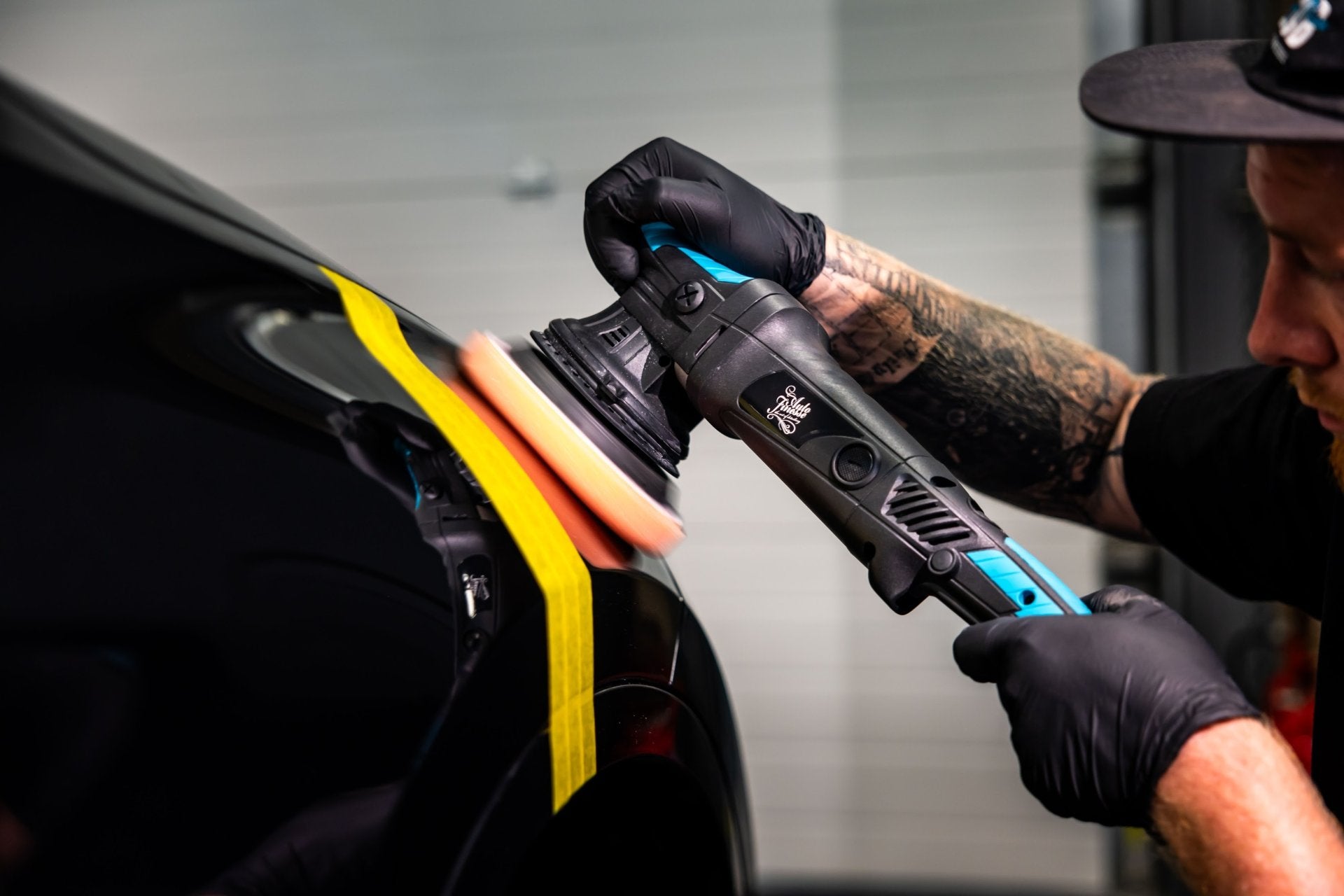
A car polisher is a power tool that moves a polishing pad across automotive paint to remove minor defects or refine the surface. The results depend on the type of machine, pad selection, polishing compound, paint condition, and the operator’s technique. Beginners should focus on controlled movements and paint safety rather than trying to remove every imperfection in one session.
Source: Bing
What Is a Car Polisher and How Does It Work?
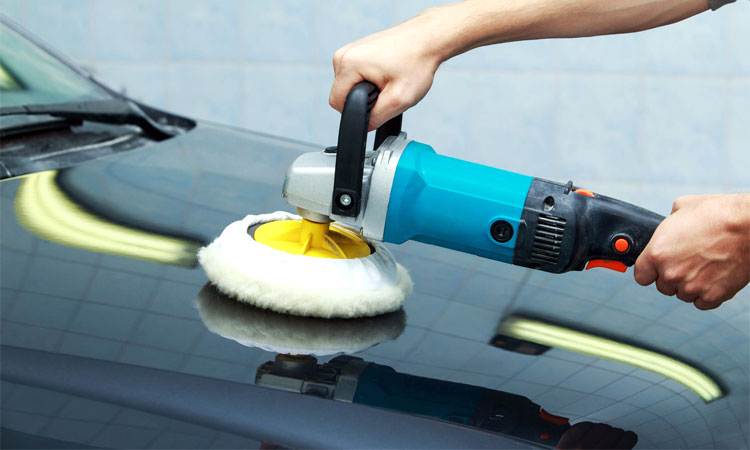
A car polisher is a powered detailing tool designed to move a polishing pad across a vehicle’s paint surface. The movement creates controlled friction that allows polishing compounds to refine the clear coat by removing very small imperfections or smoothing the surface.
The two most common types are dual action polishers and rotary polishers. A dual action polisher combines rotation with an orbital movement, making it more forgiving for beginners. A rotary polisher spins in a single direction and can correct paint faster but requires more experience because excessive heat or pressure can damage the finish.
Source: Bing
Dual action polisher
A beginner-friendly machine that is commonly used for paint correction, polishing, and applying finishing products.
Rotary polisher
A high-powered tool often used by experienced detailers for heavier correction work.
Polishing pad
The foam, microfiber, or wool surface that transfers the polishing product to the paint.
What You Need Before Using a Car Polisher
Before starting, gather the correct equipment and prepare a suitable workspace. Polishing a dirty or contaminated surface can cause additional defects because trapped particles may move across the paint during the process.
A shaded, clean area is recommended because direct sunlight can heat the paint and make polishing products dry too quickly. Good lighting also helps you identify scratches, haze, and remaining defects.
Source: Bing
Car polisher
Choose a machine suitable for your experience level and the amount of correction needed.
Polishing pads
Use cutting pads for stronger correction and finishing pads for refining gloss.
Polishing compound
Select a product appropriate for the paint condition and desired level of correction.
Safety supplies
Use eye protection when needed and avoid loose clothing near moving equipment.
Prepare the Vehicle Surface
Wash the vehicle thoroughly, remove surface contaminants, and dry the paint completely before polishing. Clean areas allow the pad and compound to work more consistently.
Inspect the paint
Look for scratches, oxidation, swirl marks, and areas with damaged clear coat.
Protect sensitive areas
Cover trim, rubber seals, and edges if necessary to prevent accidental product buildup.
Step-by-Step: How to Use a Car Polisher
The safest way to use a car polisher is to work methodically, using light pressure and small sections. Avoid rushing because excessive speed, pressure, or repeated passes can remove more clear coat than intended.
Source: Bing
Step 1: Attach the correct pad
Secure the polishing pad to the backing plate and ensure it is centered properly.
Step 2: Apply polish
Place a small amount of polishing compound on the pad or paint according to the product instructions.
Step 3: Spread the product
Run the polisher at a low speed first to distribute the compound across the work area.
Step 4: Polish the section
Increase speed as appropriate and move the machine slowly in overlapping horizontal and vertical passes.
Step 5: Inspect the result
Wipe away residue and check the finish under good lighting before moving to another section.
How Much Pressure and Speed Should You Use?
Most beginners should start with moderate speed and minimal pressure. The weight of the machine often provides enough force for normal polishing work. Too much pressure can reduce pad movement and increase heat buildup.
Light defects
Use a less aggressive combination and focus on refining the finish.
Deeper defects
More aggressive correction may be required, but removing too much clear coat can permanently affect the paint.
How to Choose the Right Polishing Method
The correct polishing approach depends on the vehicle’s paint condition, your experience level, and the result you want to achieve. Not every vehicle needs aggressive correction.
Source: Bing
Paint maintenance
Use gentle products and finishing pads when the paint mainly needs improved gloss.
Swirl mark removal
A moderate polishing combination may reduce light to medium defects.
Heavy correction
Severe defects may require professional equipment, experience, and paint thickness evaluation.
Common Car Polishing Mistakes and How to Avoid Them
Many polishing problems happen because users focus on speed instead of control. Understanding common mistakes helps prevent unnecessary paint damage.
Source: Bing
Polishing dirty paint
Dirt and debris can create new scratches during polishing.
Using too much product
Excess compound can reduce effectiveness and make cleanup harder.
Holding the polisher in one spot
Stationary movement can generate heat and increase the risk of damage.
Ignoring pad maintenance
Dirty or saturated pads can reduce performance and affect the finish.
Signs You Should Stop Polishing
Stop immediately if the surface becomes unusually hot, the clear coat appears damaged, or the paint condition is worse after polishing. Some defects cannot be safely removed without professional repair.
Excessive heat
Allow the panel to cool before continuing.
Paint failure
Peeling, cracking, or exposed base coat requires professional attention.
Frequently Asked Questions
Q
Can a beginner use a car polisher?
Yes. Beginners can use a car polisher safely by starting with a dual action machine, using mild products, practicing on a small area, and avoiding aggressive correction techniques.
Q
How long does it take to polish a car?
The time depends on vehicle size, paint condition, and the level of correction needed. A simple polishing job may take several hours, while heavier correction can take much longer.
Q
Can a car polisher remove deep scratches?
A polisher can reduce some light and moderate surface defects, but deep scratches that reach through the clear coat or paint layers may require professional repair.
Q
What is the best speed setting for a car polisher?
The correct speed depends on the machine, pad, polish, and paint condition. Start slowly, spread the product evenly, and adjust based on the manufacturer’s instructions.
Q
Should I wax after polishing my car?
Many vehicle owners apply a protective product after polishing because polishing improves the paint surface but does not provide long-term protection by itself.
✦ Wrapping Up
Conclusion
Using a car polisher correctly requires preparation, patience, and control. The machine itself does not create perfect results; the combination of proper technique, suitable products, and careful inspection determines the final finish.
For most beginners, starting with a dual action polisher and practicing on small sections is the safest approach. Understanding the condition of your vehicle’s paint before polishing helps prevent unnecessary damage.
💡 Key Takeaway
Clean the vehicle, choose the right polishing combination, work slowly in small sections, and inspect your results frequently to achieve a safer and more consistent finish.
Tyron Torres is an automotive diagnostics writer and hands-on vehicle maintenance enthusiast with years of experience troubleshooting brake systems, suspension issues, and everyday car performance problems. He specializes in breaking down complex mechanical issues into simple, practical guides that drivers can use to quickly identify and fix common vehicle faults.
Learn what an indirect tire pressure monitoring system is, how it works without pressure sensors, its advantages, limitations, and common troubleshooting tips for US drivers.
Learn how wireless CarPlay screen mirroring works, what devices support it, how to set it up, common problems, and what to consider before using a wireless car screen solution.