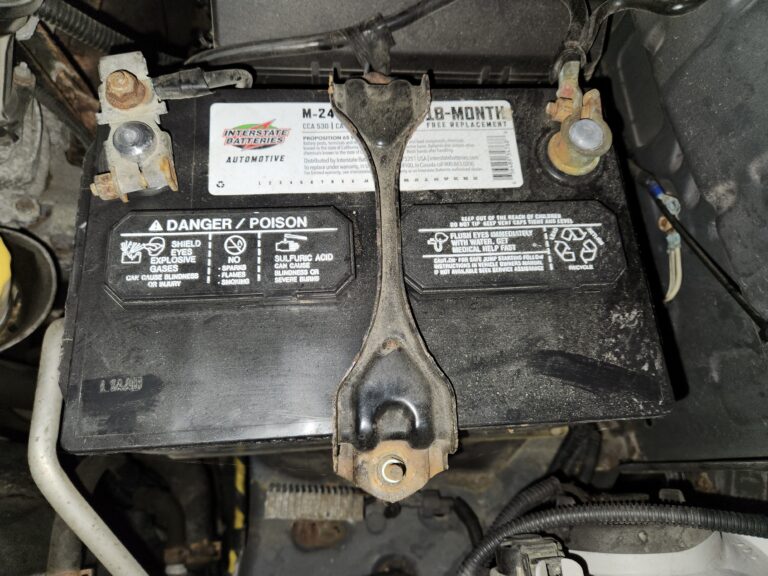
A 51R car battery is a compact battery size with reversed terminal placement, common in many small and midsize vehicles.
Choosing the right car battery group size 51R is about more than matching numbers on a label. The case size, terminal position, cold cranking amps, reserve capacity, and vehicle fit all matter. This guide explains how the 51R size works, where it fits, how it compares with similar batteries, and how to replace it safely.
What Is Car Battery Group Size 51R?
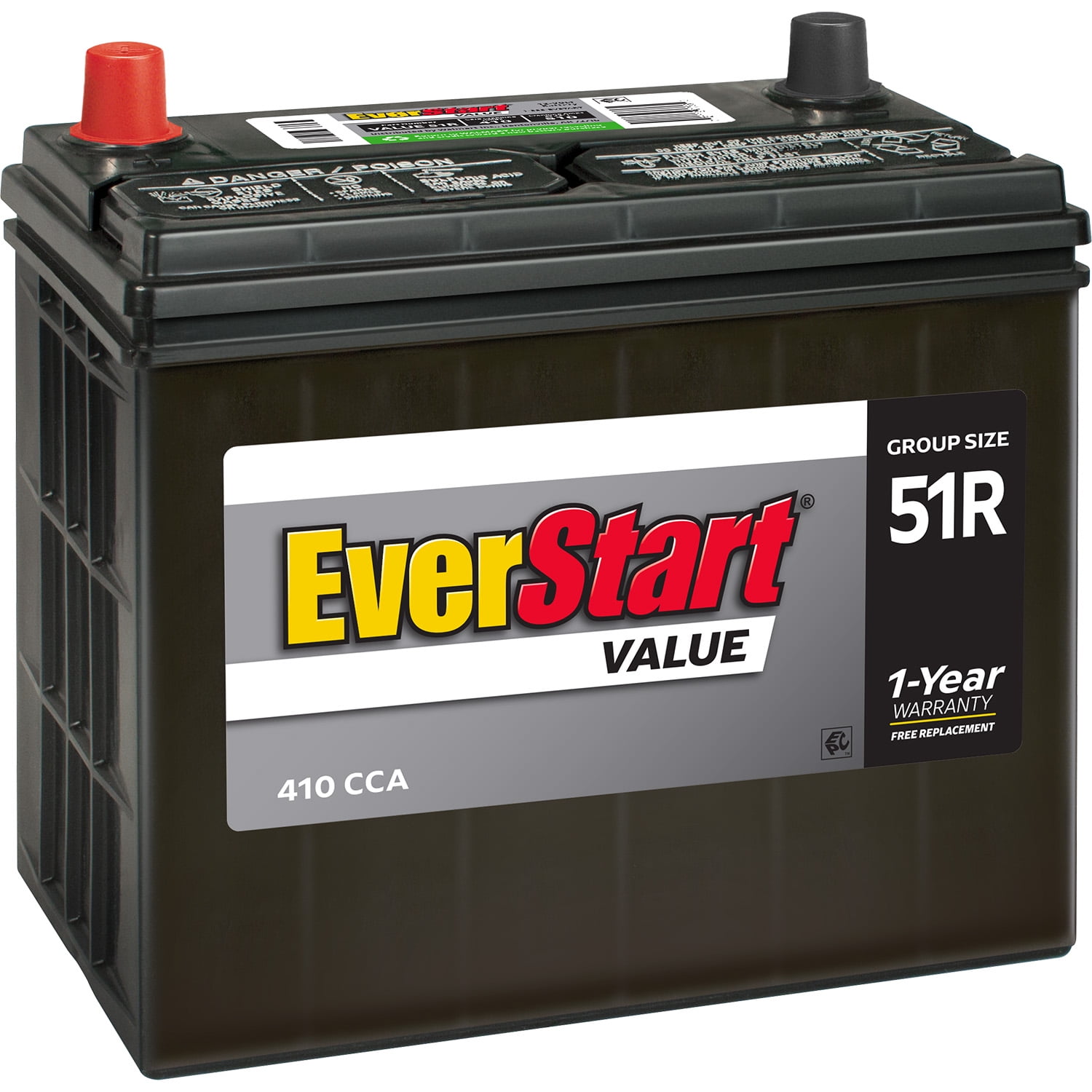
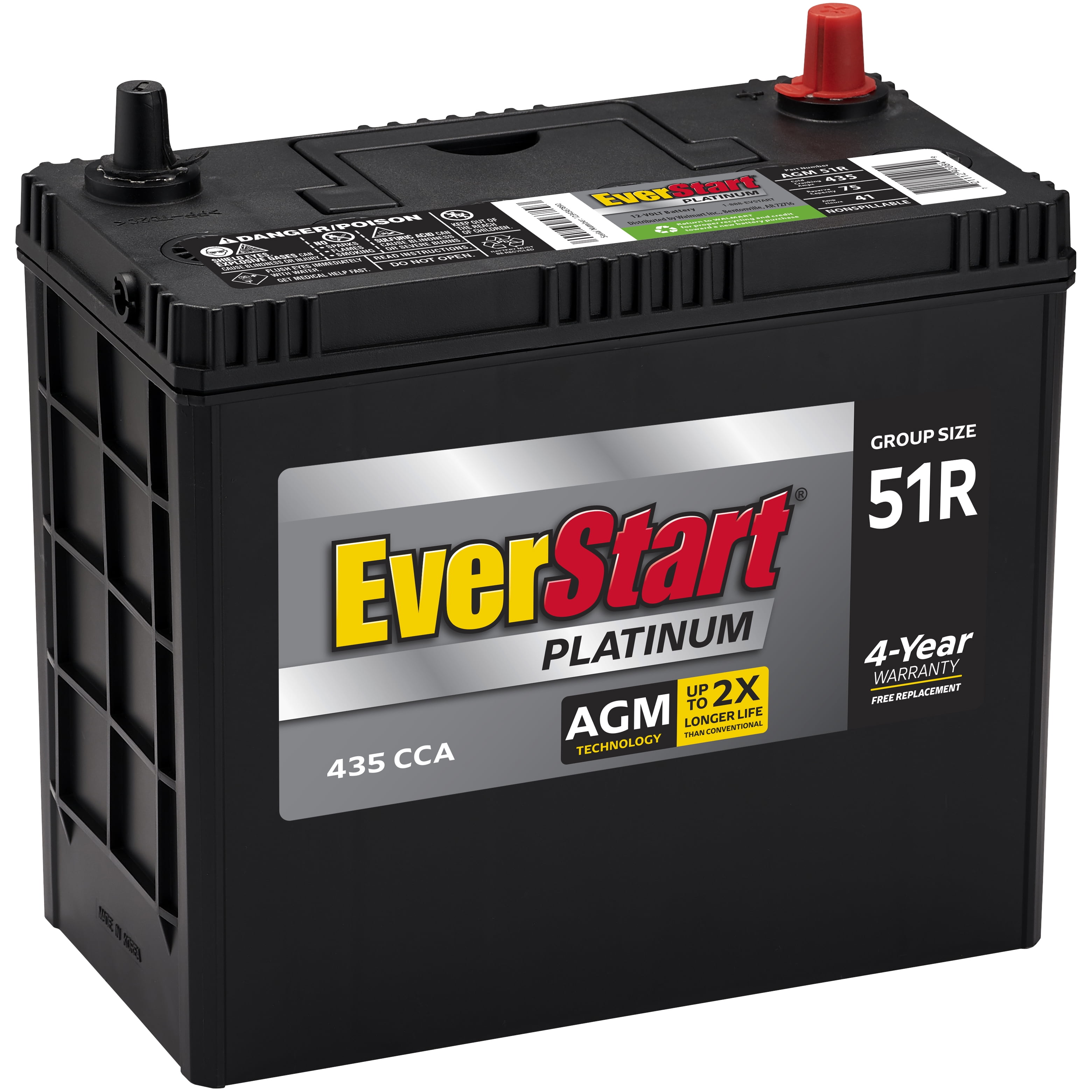
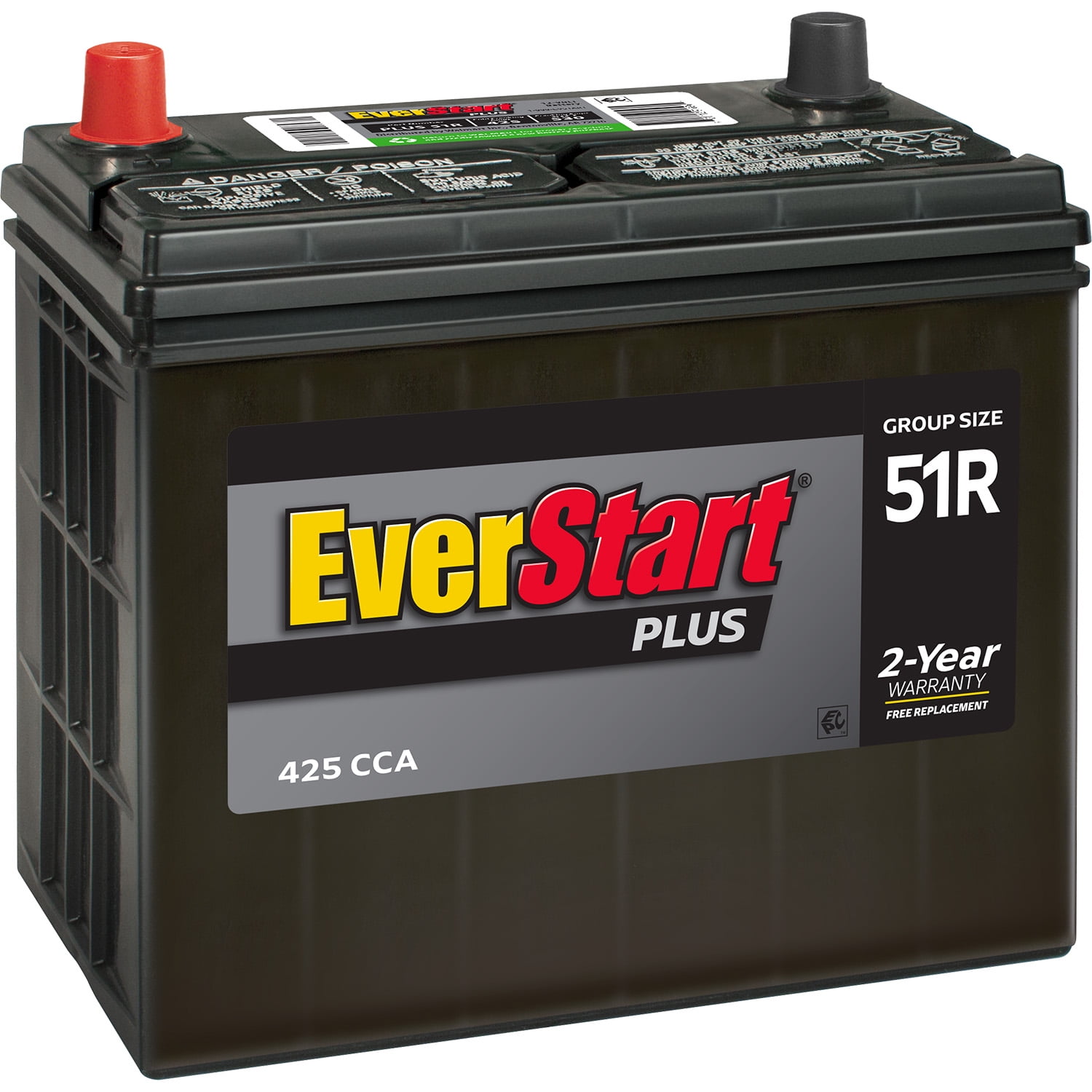
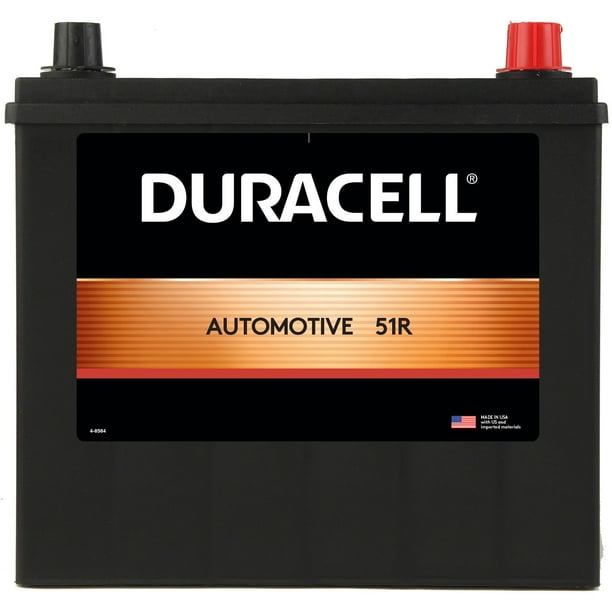
Car battery group size 51R is a Battery Council International, or BCI, size code. It describes the battery’s physical dimensions, terminal layout, and general fit. The “R” means the terminals are arranged in the reverse position compared with a standard group 51 battery.
A typical 51R battery measures about:
• Length: 9.4 inches
• Width: 5.1 inches
• Height: 8.8 inches
• Nominal voltage: 12 volts
• Common chemistry: Flooded lead-acid or AGM
Small differences may exist between brands. Always check the exact product label before buying.
The car battery group size 51R is not a rating for battery power. It does not tell you the cold cranking amps, warranty length, or expected service life. Instead, it helps show whether the battery will physically fit the tray and connect to the vehicle cables.
Think of the group size as a shoe size. It tells you the fit, but not whether the shoe is made for running or hiking. In the same way, a 51R battery may have different performance levels depending on its design and brand.
What Does the “R” Mean on a 51R Battery?
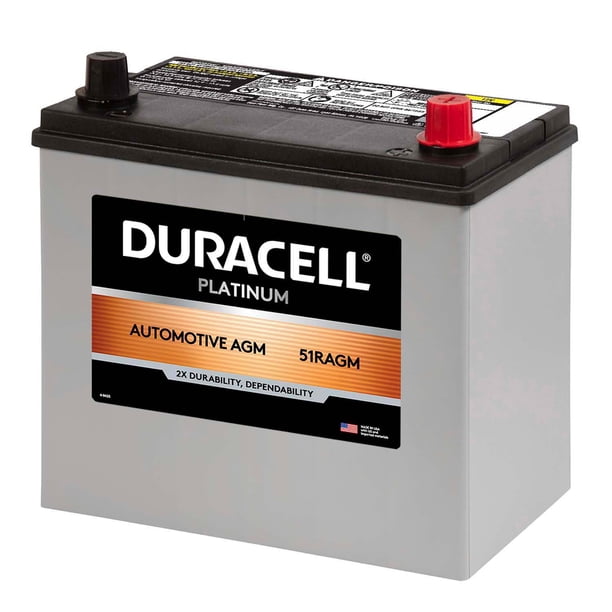
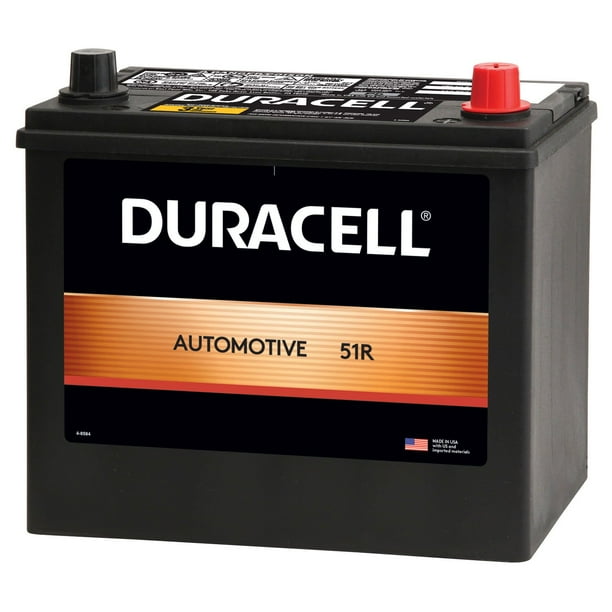
The “R” in 51R refers to reversed terminal placement. This detail is very important because battery cables often have little extra length. A battery may fit inside the tray but still fail to connect if the positive and negative posts are on the wrong sides.
When checking terminal position, stand at the front of the battery with the terminals closest to you. On many 51R batteries, the positive terminal is on the right side. A standard group 51 battery usually has the opposite arrangement.
However, terminal labels and vehicle designs can cause confusion. Do not rely only on memory or a product photo. Check these details:
• The positive and negative symbols on the old battery
• The cable length and direction
• The battery hold-down design
• The vehicle owner’s manual
• The exact fit guide from the battery maker
Installing the wrong terminal layout can stretch or twist the cables. In serious cases, the cable may touch metal and cause a short circuit. That is why the “R” is just as important as the battery’s length and width.

Common Vehicles That Use a 51R Battery
The car battery group size 51R is used in many compact cars, hybrid vehicles, and small SUVs. It has appeared in vehicles from Honda, Toyota, Nissan, Mazda, Subaru, and other brands.
Common examples may include:
• Honda Civic models
• Honda Accord models
• Honda CR-V models
• Toyota Prius models in certain years
• Nissan Sentra models
• Mazda3 models
• Subaru vehicles with specific battery trays
Fit can change by engine, trim, model year, and market. Even two vehicles with the same model name may use different battery sizes.
For example, a base model may use a 51R battery while a version with more electrical equipment uses a larger battery. Start-stop systems may also require an AGM battery rather than a standard flooded battery.
Use the vehicle owner’s manual as your first check. You can also compare the label on the old battery, but do not assume the old battery was correct. A previous owner may have installed an undersized or poorly matched battery.
51R Battery Specifications to Check
A group size tells you the basic fit. You still need to compare several performance specifications before buying.
Cold Cranking Amps
Cold cranking amps, or CCA, measure how much current a battery can provide at low temperature. A higher CCA rating can help an engine start in cold weather.
Many 51R batteries fall somewhere around 400 to 600 CCA. The exact figure depends on the battery type and design. Select at least the minimum CCA listed by your vehicle maker.
More CCA is not always necessary. A very high rating may cost more without giving a useful benefit in a warm climate. The best choice meets the vehicle requirement and fits the battery tray correctly.
Reserve Capacity
Reserve capacity shows how long a fully charged battery can provide power if the charging system fails. It can help keep essential electrical systems operating while you reach a safe place.
A higher reserve capacity may help vehicles with added accessories. Examples include aftermarket audio equipment, dash cameras, heated seats, and extra lighting. Still, reserve capacity is not a substitute for a healthy alternator.
Amp-Hour Capacity
Some manufacturers list amp-hour capacity. This figure estimates how much energy the battery can deliver over a set period. It is useful for comparing batteries, but it is not the only measure of starting performance.
CCA matters more for engine starting. Reserve capacity matters more during a charging-system problem. Look at the full specification sheet instead of choosing based on one number.
Battery Type
You may find the car battery group size 51R in several designs:
• Flooded lead-acid: Common and often affordable
• AGM: More resistant to vibration and deep cycling
• Enhanced flooded battery: Built for some higher electrical demands
• Lithium: Rare for standard passenger-car replacement use
AGM batteries can be a good choice for vehicles with start-stop systems or high electrical loads. They often cost more, so confirm that your vehicle’s charging system supports the selected design.
51R Versus 51: What Is the Difference?
The main difference between group 51 and group 51R is terminal orientation. Their case dimensions are often very similar, but the positive and negative posts are placed differently.
A 51 battery may fit the tray but still be wrong for the vehicle. The cables may not reach the correct terminals. Reversing the cables is dangerous and can damage fuses, wiring, electronic control units, and other components.
Here is a simple comparison:
| Feature | Group 51 | Group 51R |
|---|---|---|
| Basic case size | Similar | Similar |
| Terminal layout | Standard | Reversed |
| Physical fit | Vehicle-specific | Vehicle-specific |
| Electrical ratings | Vary by model | Vary by model |
| Direct replacement | Only when specified | Only when specified |
Do not treat 51 and 51R as interchangeable just because they look alike. Confirm the terminal layout before placing the battery in the vehicle.
How to Choose the Best 51R Battery
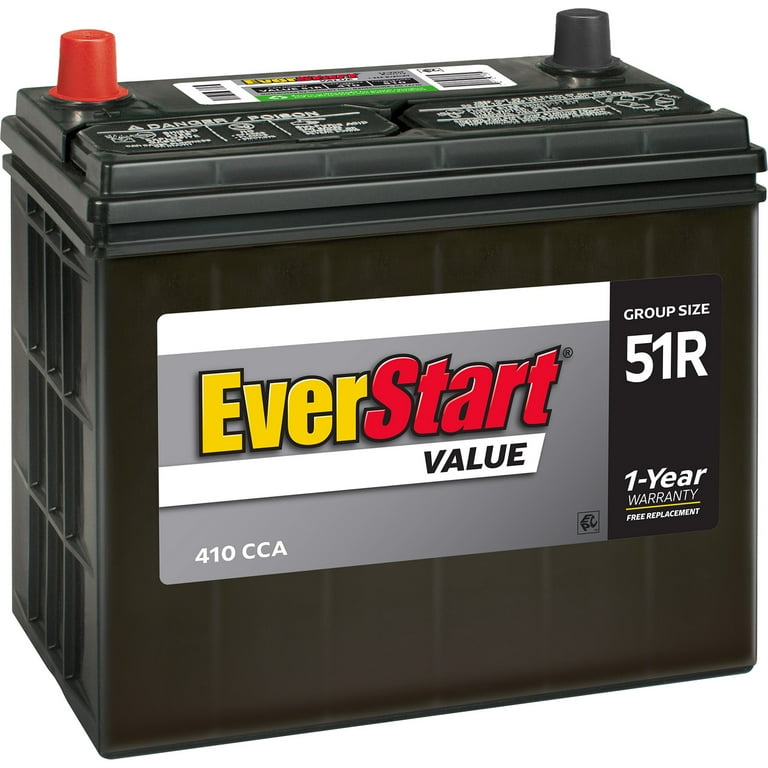
The best car battery group size 51R matches your vehicle, climate, driving habits, and budget. Start with the specifications required by the vehicle maker.
Use this checklist:
- Confirm that 51R is the approved group size.
- Check the positive terminal location.
- Match or exceed the required CCA.
- Compare reserve capacity.
- Choose flooded, AGM, or another type based on the vehicle design.
- Check the manufacturing date.
- Review the warranty and replacement policy.
- Confirm that the hold-down and vent system match the vehicle.
Battery age matters. Lead-acid batteries slowly lose capacity while sitting on a store shelf. Look for a recent manufacturing date when possible. Many battery labels use a letter and number code, but the format varies by brand.
A fresh battery with a moderate CCA rating can be a better purchase than an older battery with a larger number on the label. This is one of the most useful lessons when comparing batteries in a shop.
How to Install a 51R Battery Safely
Replacing a battery is usually simple, but the order of operations matters. Park on a level surface, turn off the engine, and keep metal tools away from both terminals.
Follow these steps:
- Wear eye protection and gloves.
- Locate the battery and identify the positive and negative terminals.
- Disconnect the negative cable first.
- Disconnect the positive cable second.
- Remove the hold-down bracket.
- Lift out the old battery with care.
- Check for corrosion, cracks, or damage in the tray.
- Place the new 51R battery in the same direction.
- Secure the hold-down bracket.
- Connect the positive cable first.
- Connect the negative cable second.
- Start the vehicle and check for warning lights.
The negative cable is removed first because it connects to the vehicle body. This reduces the chance of an accidental short if your tool touches the body while loosening the positive terminal.
Never place a metal tool across both battery posts. Lead-acid batteries can produce explosive hydrogen gas, especially while charging. Keep sparks, cigarettes, and open flames away from the battery.
Some newer vehicles may need battery registration after replacement. This is common in vehicles with battery management systems. Without registration, the charging system may not control the new battery correctly.
Battery Maintenance and Service Life
A typical 51R battery may last about three to five years, but climate and driving habits can change that range. Hot weather speeds chemical wear, while very cold weather reveals a battery that has already lost capacity.
Short trips can also reduce battery life. The alternator may not have enough time to replace the power used during starting. This is especially common when the vehicle sits for long periods or powers accessories while parked.
Helpful maintenance steps include:
• Keep the battery terminals clean and tight.
• Inspect the case for swelling or cracks.
• Test the battery before extreme summer or winter weather.
• Drive long enough to recharge the battery after starting.
• Turn off lights and accessories before leaving the vehicle.
• Check the charging voltage if the battery keeps going flat.
A dirty terminal can act like a weak bridge. The battery may be healthy, but current cannot move well through the connection. Cleaning corrosion and tightening the cable may solve a starting problem without replacing the battery.
If a new battery dies within days, do not assume the battery is defective. A weak alternator, parasitic drain, damaged cable, or poor ground connection may be the real cause.
Signs Your 51R Battery Needs Replacement
A failing car battery group size 51R often gives warning signs before it stops working. Watch for slow cranking, dim lights, clicking sounds, or electronic systems that reset.
Common symptoms include:
• The engine turns over slowly.
• The starter clicks but the engine does not crank.
• Headlights become dim at idle.
• The clock or radio loses its settings.
• The battery warning light appears.
• The battery case looks swollen.
• Corrosion returns soon after cleaning.
• The vehicle needs frequent jump-starts.
A voltage test can provide useful information, but it does not tell the whole story. A battery may show acceptable voltage while still failing under a starting load.
Many repair shops use a conductance or load test. These tests are more helpful because they measure how well the battery delivers current. If the test result is weak, replacement is usually safer than waiting for a complete failure.
Common Mistakes to Avoid
One common mistake is buying a battery based only on physical appearance. Similar-sized batteries can have different terminal positions, hold-down shapes, and electrical ratings.
Another mistake is choosing the cheapest battery without checking its age or warranty. A low price may not be a bargain if the battery has already spent a long time in storage.
Avoid these errors:
• Installing group 51 when the vehicle needs 51R.
• Ignoring the required CCA rating.
• Forgetting to secure the battery.
• Connecting the negative cable first.
• Reusing damaged or loose terminal clamps.
• Replacing the battery without testing the alternator.
• Carrying a battery by the terminal posts.
• Assuming every warning light means the battery is bad.
A battery should sit firmly in its tray. Excess movement can damage the case and internal plates. It can also cause the cables to loosen over time.
In practical battery work, the most preventable problems are usually poor fit, wrong terminal position, and an undiagnosed charging fault. Taking five extra minutes to verify these points can prevent a roadside breakdown.
Is a 51R Battery Good for Cold Weather?
A 51R battery can work well in cold weather when it has enough CCA and is fully charged. Cold temperatures reduce a lead-acid battery’s available power, while engine oil becomes thicker and harder to move.
A battery with a high CCA rating may provide more starting power, but it still needs a healthy charging system. A weak alternator or loose ground can cause trouble even with a new battery.
Before winter, have the battery tested and inspect the cables. If the battery is more than three years old and the vehicle is used in a very cold area, replacement before winter may be wise.
Recycling an Old 51R Battery
Lead-acid batteries should not go in household trash. They contain lead and acid, but they are also highly recyclable.
Most auto-parts stores, battery retailers, and recycling centers accept used car batteries. Some retailers offer a refundable core charge when you return the old battery.
Keep the old battery upright during transport. Place it in a sturdy box or plastic tray, and do not allow the terminals to contact metal objects. Recycling helps recover valuable materials and reduces the risk of harmful spills.
Frequently Asked Questions About Car Battery Group Size 51R
What does 51R mean on a car battery?
51R is a BCI group size that identifies the battery’s case dimensions and terminal layout. The “R” indicates reversed terminal placement compared with a standard group 51 battery.
Can I use a group 51 battery instead of a 51R?
Only if the vehicle’s cables and terminal layout allow it and the manufacturer approves the fit. In most cases, group 51 and 51R should not be treated as direct replacements.
How long does a 51R battery usually last?
A 51R battery commonly lasts about three to five years. Heat, cold, short trips, vibration, and charging problems can shorten its service life.
Is a 51R battery AGM or standard lead-acid?
It can be either. Group size describes fit, not battery construction, so check the product label for flooded lead-acid, AGM, or another design.
How many cold cranking amps should a 51R battery have?
The correct CCA depends on the vehicle. Choose a battery that meets or exceeds the minimum CCA listed in the owner’s manual or official fit guide.
Does a 51R battery fit every Honda Civic?
No. Battery fit can vary by model year, engine, trim, and market. Confirm the exact group size and terminal position for your specific Civic.
Does a new 51R battery need to be registered?
Some vehicles with battery management systems require registration after replacement. Check the service instructions for your vehicle or ask a qualified technician.
Conclusion
The car battery group size 51R is a compact 12-volt battery size known for its reversed terminal layout. Correct fit depends on more than dimensions. You must also check terminal position, CCA, reserve capacity, battery type, hold-down design, and vehicle requirements.
Before buying, compare the old battery with the owner’s manual and the manufacturer’s fit guide. Test the charging system if the battery fails early, and recycle the old unit properly. With a careful match, a quality 51R battery can provide dependable starts for years.
Use these checks before your next purchase, and share your vehicle and battery experience in the comments so other drivers can make a better choice.