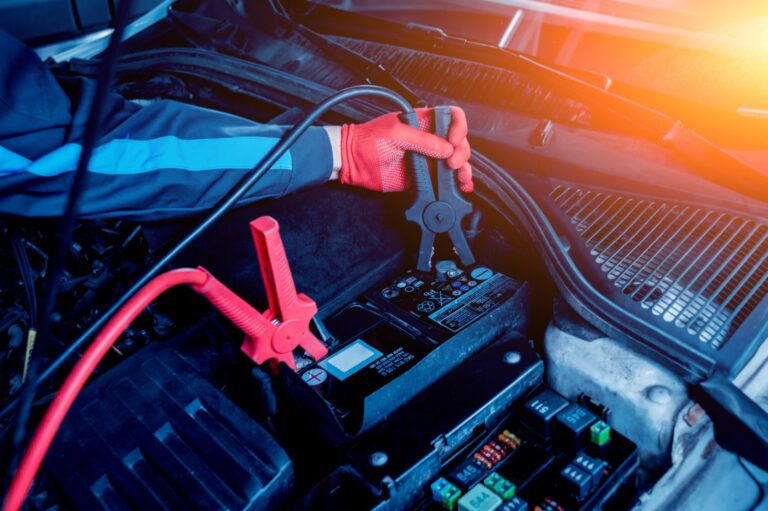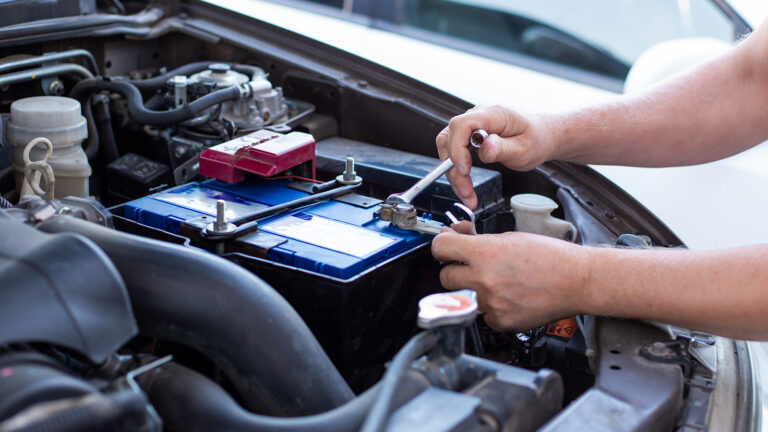
Car battery group size 48 is a common 12 volt battery size for many cars, SUVs, and light trucks.
Choosing the right battery involves more than matching a number. Car battery group size 48 defines the battery’s outer dimensions and terminal layout, while cold cranking amps, reserve capacity, battery type, and vehicle electronics affect real-world performance. This guide explains how Group 48 batteries work, where they fit, how to choose one, and which mistakes to avoid.
What Is Car Battery Group Size 48?
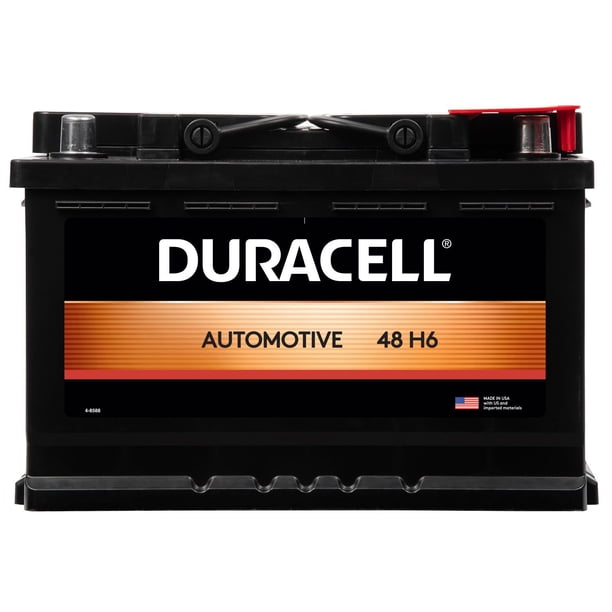
Car battery group size 48 is a standard battery size set by the Battery Council International, often called BCI. It describes the battery’s physical size, terminal position, and general case design.
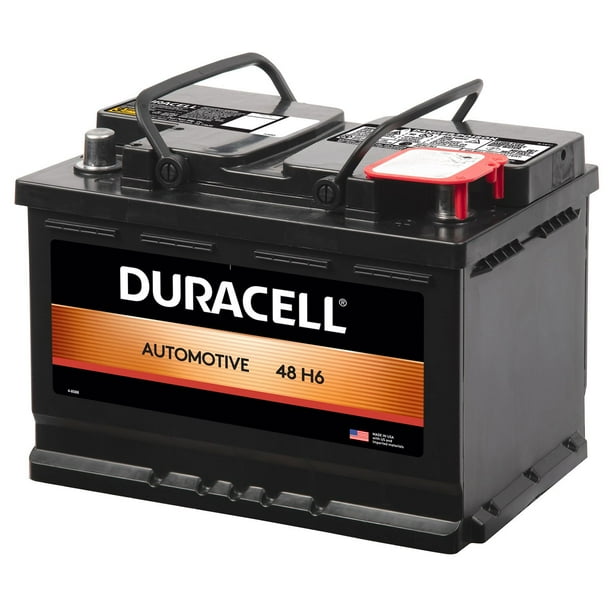
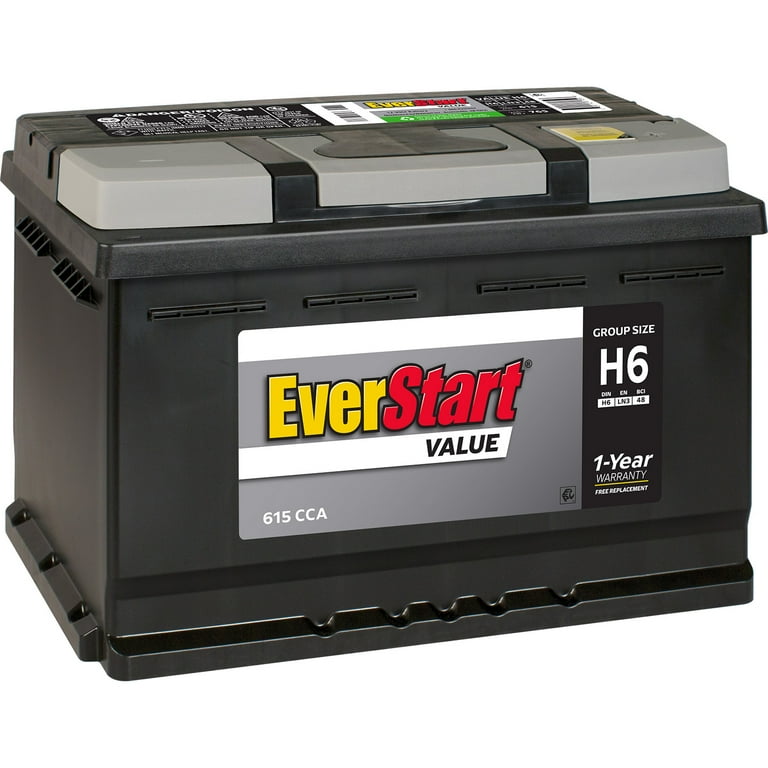
A Group 48 battery is also commonly known as an H6 battery. Some retailers may list it as L3, 278, or another regional code, but you should always confirm the exact fit for your vehicle.
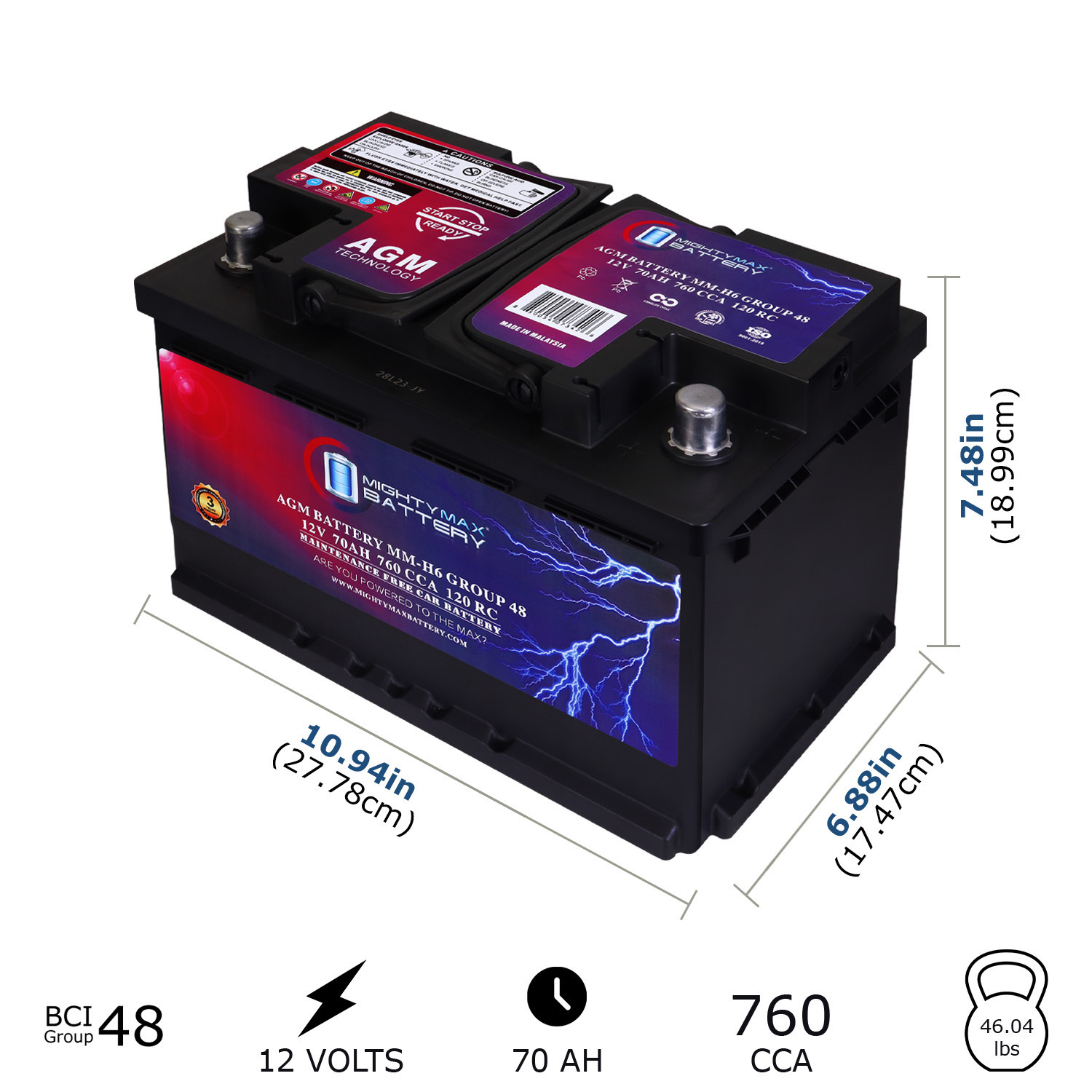
Typical car battery group size 48 measurements are:
• Length: About 11 inches, or 278 millimeters
• Width: About 6.9 inches, or 175 millimeters
• Height: About 7.5 inches, or 190 millimeters
• Voltage: 12 volts
• Common battery type: Flooded lead acid or AGM
These measurements are close to a shoe-size guide for batteries. They tell you how much space the battery needs, but they do not tell you how powerful it is. Two Group 48 batteries can fit the same tray while offering different starting power and lifespan.
Where Does a Group 48 Battery Fit?
Car battery group size 48 appears in many European, Asian, and North American vehicles. It is especially common in cars with moderate to high electrical demand, including models with heated seats, power liftgates, advanced safety systems, and start-stop technology.
The exact fit depends on the year, engine, trim, and factory options. Common applications may include certain models from:
• Audi
• BMW
• Chevrolet
• Ford
• GMC
• Honda
• Hyundai
• Mercedes-Benz
• Mini
• Volkswagen
This list is only a starting point. A battery that fits one model year may not fit another. Always check the owner’s manual, the label on the old battery, or a trusted vehicle fitment guide before buying.
Car battery group size 48 is often used in vehicles that need more reserve power than a smaller Group 47 battery. However, the battery must still fit the tray, hold-down bracket, cable reach, and terminal direction.
Group 48 Battery Specifications
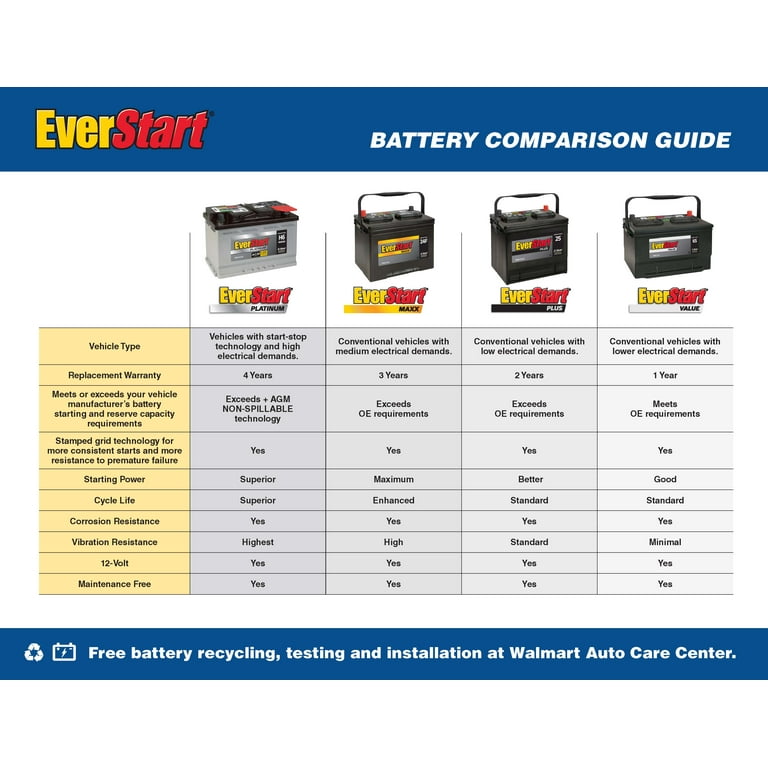
The most important Group 48 battery specifications are capacity, starting power, reserve capacity, and battery construction.
Cold cranking amps
Cold cranking amps, or CCA, show how much current a battery can provide at 0°F for 30 seconds while maintaining a safe voltage. A higher CCA rating can help an engine start in cold weather.
Many car battery group size 48 models provide about 600 to 850 CCA. The correct rating depends on the vehicle maker’s requirements. More CCA is not always better if the battery does not match the vehicle’s charging system or electrical design.
Amp hour capacity
Amp hours, or Ah, estimate how much energy a battery can provide over time. Many Group 48 batteries fall near 70 to 80 Ah, but ratings vary by brand and testing method.
This rating matters when the vehicle uses power while the engine is off. It can support systems such as alarms, computers, lighting, and accessories. It does not mean you can safely run large devices for hours without recharging the battery.
Reserve capacity
Reserve capacity, or RC, measures how long a fully charged battery can provide a steady electrical load before its voltage drops too low. Many Group 48 batteries offer roughly 110 to 140 minutes of reserve capacity.
A higher RC rating can be useful for vehicles with many electronic features. It may also provide extra support when the alternator is under heavy load or the engine is idling.
Battery technology
Group 48 batteries are available in several designs:
• Flooded lead acid: Usually the lowest-cost option and common in older vehicles.
• Enhanced flooded battery: Built for vehicles with higher cycling demands, including some start-stop systems.
• AGM, or absorbed glass mat: More resistant to vibration and repeated cycling, but usually more expensive.
Your vehicle may require AGM technology. Installing a standard flooded battery where an AGM battery is required can lead to poor performance and shorter battery life.
Group 48 AGM vs. Standard Flooded Battery
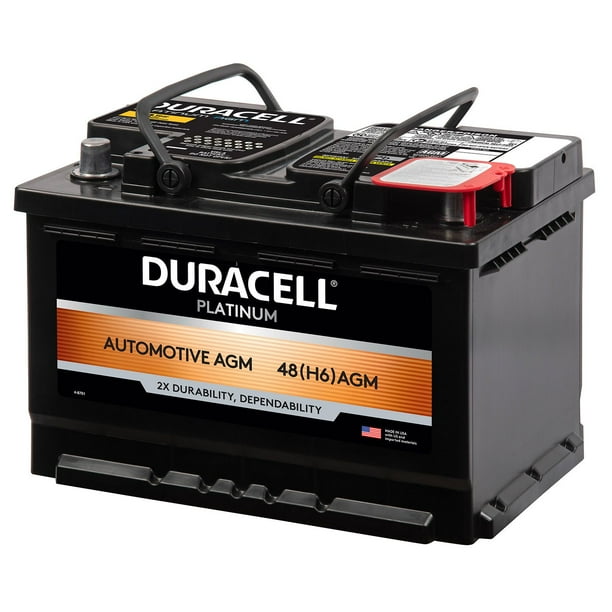
The main difference between Group 48 AGM and flooded batteries is how they store and deliver energy.
An AGM Group 48 battery holds its electrolyte in glass mats. It is sealed, vibration resistant, and better suited to frequent engine starts. Many modern vehicles with start-stop systems use AGM batteries because those systems place extra demand on the battery.
A standard flooded Group 48 battery uses liquid electrolyte. It can work well in vehicles designed for that battery type, especially when the car does not have heavy electrical loads or start-stop operation.
Choose AGM when:
• The original battery is AGM.
• The vehicle has automatic start-stop technology.
• The owner’s manual requires AGM.
• The battery sits in a location with strong vibration or limited ventilation.
• The vehicle has high electrical demand.
Do not upgrade to AGM only because it sounds stronger. The vehicle’s battery monitoring system and charging strategy must support the battery. Some vehicles need battery registration or coding after replacement.
How to Choose the Right Car Battery Group Size 48
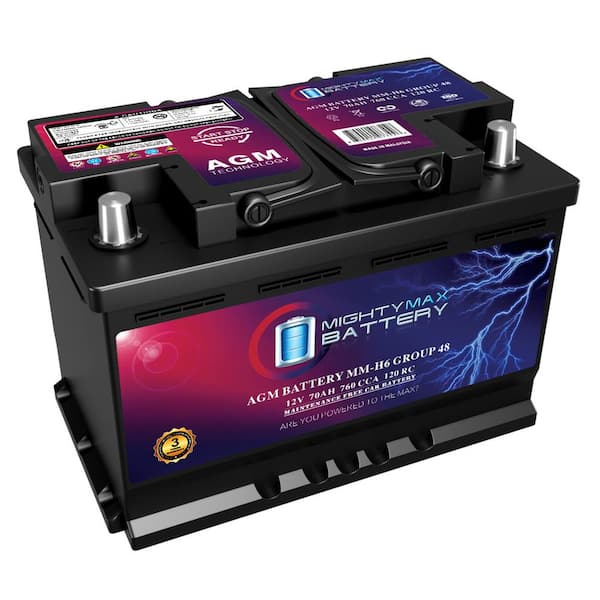
Selecting a car battery group size 48 involves more than reading the group number. Use this simple process.
- Check the old battery
Read the label on the battery already in the vehicle. Look for Group 48, H6, AGM, CCA, and reserve capacity information.
- Read the owner’s manual
The manual may specify battery chemistry, minimum CCA, Ah capacity, or a replacement procedure. This information is more reliable than a general online listing.
- Confirm the physical dimensions
Measure the battery tray if you are unsure. The battery must sit flat without touching the hood or nearby parts.
- Check terminal orientation
Positive and negative posts must be on the correct sides. Cable length may not reach if the terminal layout is wrong.
- Match the hold-down design
The base ledge and hold-down bracket must secure the battery. A loose battery can suffer from vibration damage and may become dangerous during sudden braking.
- Match or exceed the electrical rating
Choose a battery with the required CCA and capacity. A slightly higher rating may be acceptable, but it should not replace proper fitment or battery type.
- Check the production date
Lead acid batteries slowly age while sitting in storage. Choose fresh stock when possible. Many experts recommend avoiding batteries that have been stored for a long period without proper maintenance charging.
A practical mistake I often see in battery replacement advice is treating Group 48 as a complete specification. It is only the starting point. Fit, chemistry, rating, and vehicle programming all matter.
How Long Does a Group 48 Battery Last?
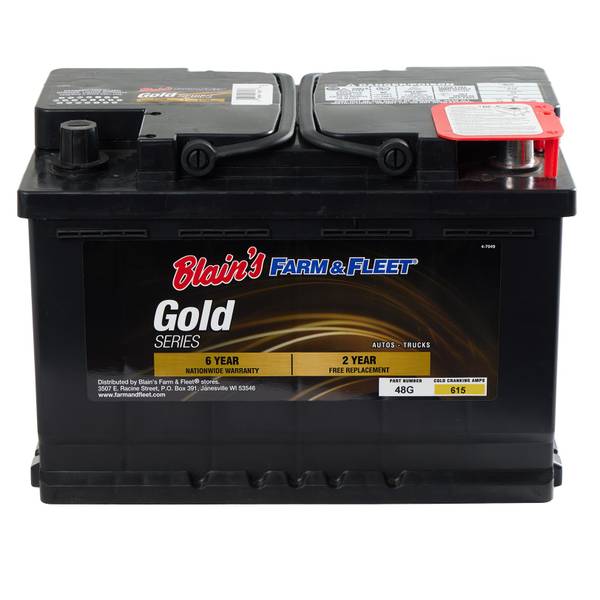
A car battery group size 48 often lasts about three to five years. Climate, driving habits, charging health, and battery design can move that range higher or lower.
Hot climates can speed up internal corrosion and water loss. Cold weather does not usually cause the original damage, but it exposes a weak battery because the engine needs more power to start.
Battery life may be shorter when:
• The vehicle makes many short trips.
• The car sits unused for long periods.
• The alternator does not charge correctly.
• The battery has a parasitic drain.
• Accessories stay on after the engine stops.
• The battery is exposed to strong heat or vibration.
• The vehicle uses start-stop technology without the correct battery.
A common real-world pattern is a car that starts normally all summer and fails during the first cold week. That does not mean cold weather suddenly destroyed a healthy battery. More often, the battery was already losing capacity.
Signs Your Group 48 Battery Is Failing
A failing car battery group size 48 can show several warning signs before it stops working.
Watch for:
• Slow engine cranking
• Clicking when you turn the key
• Headlights that dim during startup
• Flickering dashboard lights
• Repeated low-voltage warnings
• Start-stop technology that stops working
• The need for frequent jump-starts
• A swollen, cracked, or leaking case
A battery warning light may point to an alternator or charging problem rather than the battery itself. For this reason, testing both the battery and charging system is important.
A basic voltage check can offer clues. A fully charged battery often measures close to 12.6 volts after resting, while a much lower reading may indicate a discharged or weak battery. Voltage alone cannot prove battery health, so a proper conductance or load test is more useful.

How to Test a Car Battery Group Size 48
You can perform a basic inspection at home, but use eye protection and keep sparks away from the battery.
- Inspect the case
Look for cracks, swelling, leaks, or heavy corrosion. Replace a damaged battery instead of trying to recharge it.
- Check the resting voltage
Turn the vehicle off and let the battery rest for several hours. Measure voltage at the terminals with a digital multimeter.
- Test the starting system
Notice whether the engine cranks slowly. A battery can show acceptable resting voltage but still fail under a starting load.
- Test the charging system
With the engine running, check the charging voltage according to the vehicle maker’s specifications. Modern smart charging systems may not show a constant traditional reading.
- Use a professional battery tester
A conductance tester can estimate starting capacity without placing the battery under a heavy load. Many repair shops and parts stores offer this service.
Do not confuse a discharged battery with a dead battery. A weak alternator, loose ground cable, or parasitic drain may repeatedly discharge a good Group 48 battery.
Installing a Group 48 Battery Safely
Replacing a car battery group size 48 is often straightforward, but modern vehicles need extra care.
Before removal, switch off the ignition and all electrical accessories. Take a photo of the cable positions so you can reconnect them correctly.
A typical replacement process is:
-
Remove the negative cable first.
-
Remove the positive cable.
-
Remove the hold-down bracket.
-
Lift out the old battery with care.
-
Clean corrosion from the terminals and tray.
-
Place the new battery in the same direction.
-
Secure the hold-down bracket.
-
Connect the positive cable first.
-
Connect the negative cable last.
-
Confirm that the battery cannot move.
A Group 48 battery is heavy, so lift with both hands and keep it level. Never place metal tools across the terminals. That can create a short circuit, sparks, heat, or battery damage.
Some vehicles require battery registration after installation. This tells the charging system that a new battery is present. Without registration, the vehicle may charge the new battery incorrectly or limit its performance.
Common Group 48 Battery Mistakes
The most frequent mistake is buying by size alone. A battery can fit the tray but still have the wrong chemistry, terminal position, or electrical rating.
Avoid these errors:
• Assuming every H6 battery is identical
• Ignoring the owner’s manual
• Installing a flooded battery in a vehicle designed for AGM
• Forgetting battery registration
• Using the wrong terminal orientation
• Leaving the battery unsecured
• Replacing the battery without testing the alternator
• Choosing the cheapest battery without checking its warranty
• Using a jump-start as a permanent repair
Price matters, but warranty length is not the only measure of quality. Compare the manufacturing date, CCA, reserve capacity, construction, warranty terms, and local support.
Maintenance Tips for Longer Battery Life
Modern batteries need less maintenance than older designs, but good habits still help.
• Keep the terminals clean and tight.
• Make sure the hold-down bracket stays secure.
• Avoid leaving lights or accessories on.
• Drive long enough for the alternator to restore starting energy.
• Use a smart charger when storing the vehicle.
• Test the battery before extreme summer or winter weather.
• Investigate repeated dead-battery problems.
Short trips are hard on batteries. Starting the engine uses a large burst of energy, and a five-minute drive may not replace it. If the car is used mainly for short trips, an approved maintenance charger can help.
Never charge a battery in a sealed room without proper ventilation. Lead acid batteries can release flammable gas during charging.
Cost and Warranty Considerations
The price of a car battery group size 48 depends on its design and performance. Flooded batteries usually cost less, while AGM batteries often cost more because they support higher cycling demands and offer stronger vibration resistance.
When comparing prices, review:
• Battery chemistry
• CCA rating
• Reserve capacity
• Warranty period
• Free replacement terms
• Prorated coverage
• Core charge
• Installation cost
A low purchase price may not be the best value if the battery has a short warranty or poor support. On the other hand, an expensive AGM battery is not automatically the right choice for every vehicle.
Battery prices also change by region and season. Check current local pricing and confirm the exact part number before purchase.
Frequently Asked Questions About Car Battery Group Size 48
Is Group 48 the same as H6?
Yes, Group 48 is commonly sold under the H6 name. Still, confirm the dimensions, terminal layout, battery type, and vehicle requirements before installing one.
How many years does a Group 48 battery last?
Most Group 48 batteries last about three to five years. Heat, short trips, vibration, charging problems, and frequent cycling can shorten that time.
Can I replace a flooded Group 48 battery with an AGM battery?
Sometimes, but the vehicle must support the change. Check the owner’s manual and determine whether the battery monitoring system needs registration or coding.
What voltage should a healthy Group 48 battery show?
A fully charged battery often shows close to 12.6 volts after resting. A voltage reading alone is not enough, so a load or conductance test should confirm its condition.
Does a higher CCA rating make the battery better?
A higher CCA rating can improve cold-start ability, but it does not guarantee a better battery. Correct fit, chemistry, capacity, warranty, and charging-system compatibility are also important.
Can a Group 48 battery fit any car that uses H6?
No. H6 identifies a general size, but vehicles can have different cable layouts, hold-downs, battery technologies, and programming needs. Use a vehicle-specific fitment check.
Why does my new Group 48 battery keep dying?
The cause may be a bad alternator, parasitic drain, loose cable, poor ground, or frequent short trips. Test the full charging and starting system before replacing another battery.
Conclusion
Car battery group size 48 is a widely used 12 volt battery size, also known as H6. Its physical dimensions make it suitable for many cars and SUVs, but the correct replacement must also match CCA, reserve capacity, battery chemistry, terminal position, and vehicle electronics.
Check the owner’s manual, compare the old battery, inspect the fit, and test the charging system before buying. With the right battery and proper installation, you can reduce starting trouble and protect your vehicle’s electrical system. Check your current battery today, and share your experience or questions in the comments.