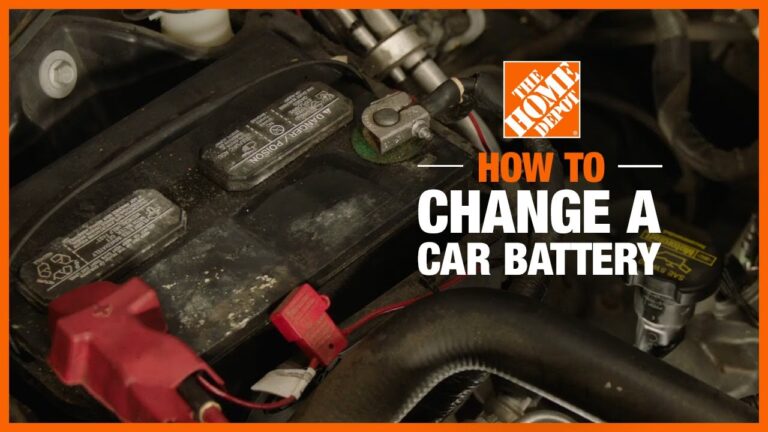
A car battery with high CCA delivers stronger cold starts when winter temperatures make engines harder to turn.
Choosing a car battery with high CCA can make a big difference in cold weather, heavy-duty vehicles, and cars with large engines. This guide explains CCA ratings, battery types, fit, testing, price, and common buying mistakes so you can choose with confidence.
What Does CCA Mean in a Car Battery?
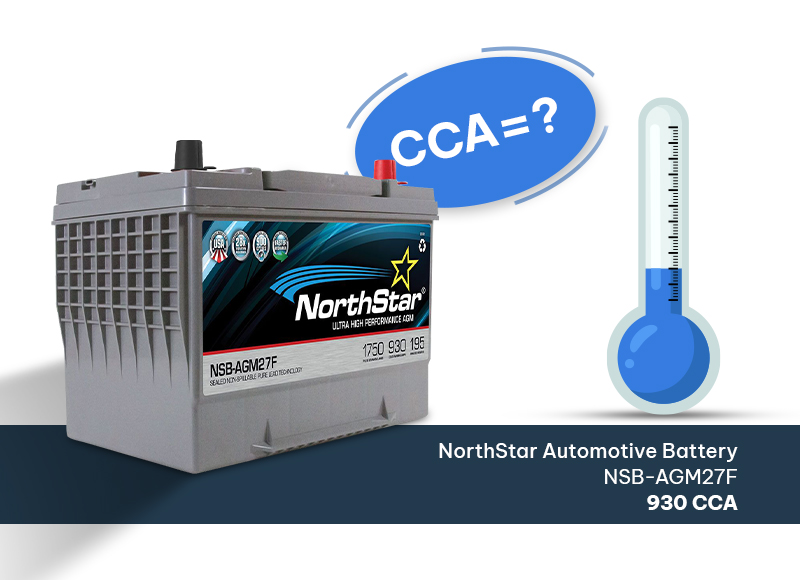
CCA stands for Cold Cranking Amps. It measures how much current a 12-volt battery can deliver for 30 seconds at 0°F while keeping the voltage above the required level.
A car battery with high CCA can send more starting power to the starter motor in cold weather. This matters because engine oil becomes thick in low temperatures, while fuel may not vaporize as easily.
Think of CCA as the battery’s burst of strength. It is not the same as the battery’s total energy storage. A battery may have high CCA but a lower reserve capacity, so both ratings deserve attention.
The Society of Automotive Engineers provides the common testing method used for CCA ratings. Battery makers may also list CA, or Cranking Amps, which is measured at a warmer temperature of 32°F. CA numbers are usually higher than CCA numbers.
A battery label may show:
• CCA: Cold cranking power at 0°F
• CA: Cranking power at 32°F
• RC: Reserve capacity in minutes
• Ah: Amp-hour capacity, used more often for deep-cycle batteries
• Group size: The battery’s physical size, terminal layout, and fit
Why Do Some Drivers Need High CCA?
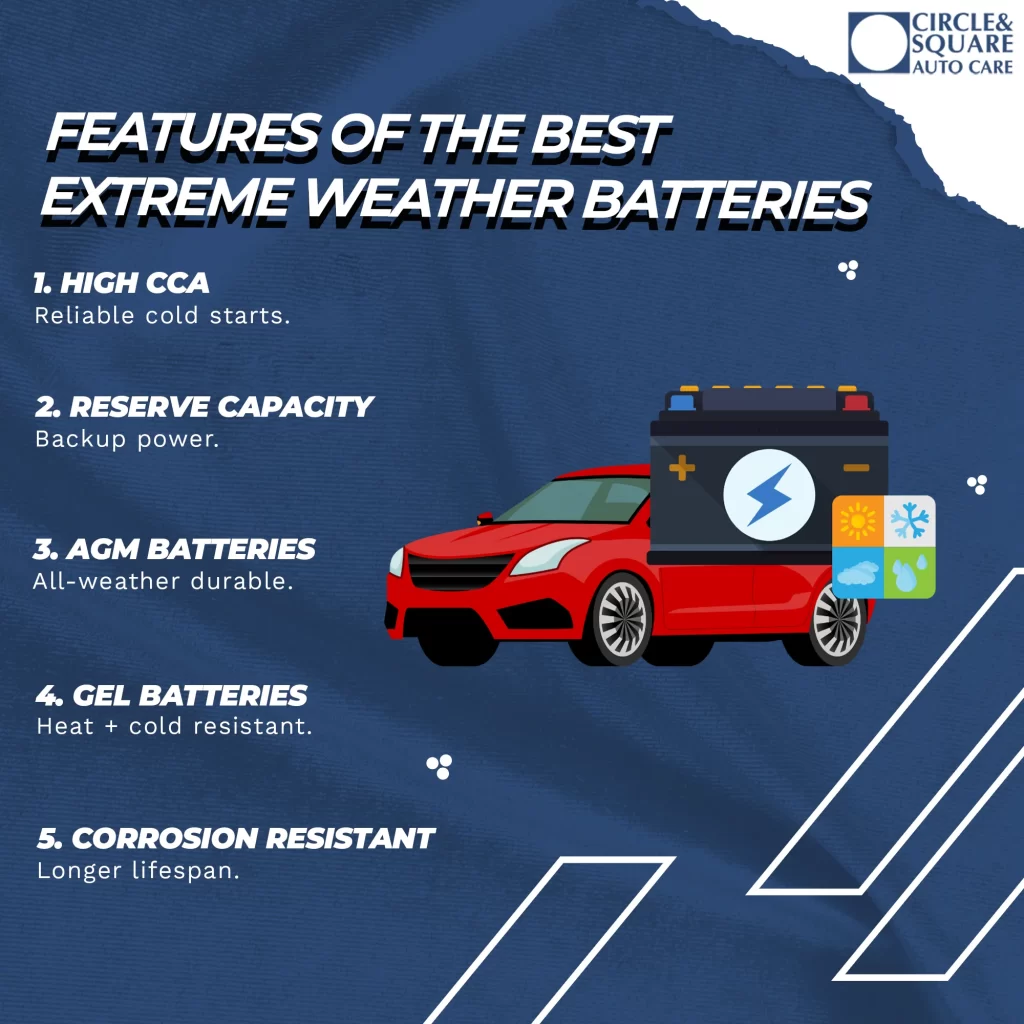
A car battery with high CCA is most useful when the engine needs extra power to start. This includes cold climates, large engines, diesel vehicles, and cars with high electrical demand.
Cold weather is the most common reason drivers upgrade to a higher CCA rating. At 0°F, a battery can lose a large part of its starting ability. At the same time, thick engine oil creates more resistance for the starter.
You may also need stronger starting power if your vehicle has:
• A large V6, V8, or diesel engine
• High-compression performance parts
• An engine block heater that is not always used
• Many electronic accessories
• A winch, auxiliary lights, or aftermarket audio equipment
• Long periods of outdoor parking in freezing weather
• A history of slow or difficult engine starts
In my experience working through battery selection questions, many drivers focus only on the highest number on the shelf. That is a mistake. A battery with 900 CCA is not automatically better than one with 700 CCA if the vehicle requires a different size or charging system.
The goal is enough starting power with the correct fit. Extra CCA can provide a useful safety margin, but it should not replace the vehicle maker’s specifications.

How Much CCA Does Your Car Need?
The correct CCA rating depends on the engine, climate, battery tray, and manufacturer requirements. Your owner’s manual is the best starting point.
Many passenger vehicles need between 400 and 800 CCA. Large trucks, diesel engines, and vehicles used in very cold regions may need 800 CCA or more. These ranges are general examples, not a replacement for the exact factory specification.
Follow these steps:
-
Check the owner’s manual for the recommended CCA.
-
Look at the label on the old battery.
-
Confirm the battery group size.
-
Match the terminal position and hold-down design.
-
Check whether the vehicle requires AGM or another special battery type.
-
Select a battery with equal or slightly higher CCA if it fits the vehicle’s requirements.
A car battery with high CCA should not exceed the vehicle’s physical limits. A larger battery may not sit securely in the tray. Its terminals may also touch nearby metal or prevent the cables from reaching safely.
Modern vehicles can be sensitive to battery changes. Some models require battery registration after installation. This process tells the charging system that a new battery is present and helps control charging voltage.
If you are unsure, use the vehicle identification number or ask a qualified parts specialist to confirm the fit.

High CCA Battery Types
CCA is only one part of battery performance. The battery’s internal design also affects life, vibration resistance, charging needs, and cost.
Flooded lead-acid batteries
Flooded lead-acid batteries are the most common and often the least expensive. They work well in many standard vehicles and are easy to find.
Their main limits are vibration sensitivity, possible acid leakage, and shorter life in extreme heat. They also need proper charging and clean connections.
AGM batteries
Absorbent Glass Mat, or AGM, batteries hold the electrolyte in fiberglass mats. They are sealed, resist vibration, and often deliver strong starting power.
A car battery with high CCA may use AGM technology when the vehicle has start-stop operation, many electronic systems, or high accessory demand. AGM batteries usually cost more and may need a charging system designed for AGM use.
Enhanced flooded batteries
Enhanced flooded batteries sit between standard flooded and AGM designs. They offer better cycle life than basic flooded batteries and may be used in some start-stop vehicles.
They are not always a direct replacement for AGM batteries. Check the manufacturer’s requirements before changing battery types.
Lithium starting batteries
Lithium starting batteries are used in some performance, racing, and specialty applications. They can be light and powerful, but they may not suit every daily driver.
Cold-weather behavior, charging control, safety systems, and cost must be considered. Do not install one simply because its advertised CCA looks high.

Benefits of a Car Battery With High CCA
A car battery with high CCA can offer several practical benefits when it matches the vehicle correctly.
• Better starting performance in cold weather
• More starting reserve when oil is thick
• Improved confidence after the vehicle sits outdoors
• Stronger support for large engines
• Better tolerance for short periods of heavy starter demand
• A useful safety margin as the battery ages
High CCA may also help when a battery is not fully charged. However, it does not fix a weak alternator, damaged cables, or a parasitic drain. A strong battery can hide an electrical problem for a short time, but the problem will return.
One lesson I have seen repeatedly is that a new high-CCA battery can appear to solve everything. Then the battery goes dead again a week later. A small interior light, faulty relay, or weak alternator was often the real cause.
The battery supplies starting power. The alternator restores that power while the engine runs. Both parts must work well.

Limits of a High CCA Rating
More CCA is not always better. A high rating cannot overcome poor battery fit or a damaged starting system.
Here are important limits to remember:
• High CCA does not guarantee a long service life.
• CCA does not show how long the battery can run accessories.
• A high CCA battery may cost more.
• A larger battery may not fit the tray.
• Some vehicles need battery computer registration.
• Extreme heat can shorten battery life even when CCA is high.
• High CCA does not repair poor cable connections.
Reserve capacity is important when the engine is off but electrical devices are running. For example, a vehicle with emergency lights, a powered liftgate, or a large audio system may need strong reserve capacity as well as high CCA.
This is why the best car battery with high CCA is not always the battery with the highest number. It is the battery that balances CCA, reserve capacity, size, technology, warranty, and vehicle compatibility.

How to Test a High CCA Car Battery
Battery testing can reveal whether the problem is the battery or another part of the starting system. A digital multimeter gives a quick voltage check, but a proper battery tester gives better information.
Check resting voltage
Turn off the vehicle and let it sit for several hours. A fully charged lead-acid battery often measures close to 12.6 volts at room temperature.
A reading near 12.2 volts suggests partial discharge. A reading around 12.0 volts or lower indicates a deeply discharged battery. Temperature and recent driving can affect these numbers.
Perform a load or conductance test
A professional tester checks the battery’s available starting power. It compares the measured result with the battery’s rated CCA.
A battery may need replacement when its measured CCA falls well below its rated value, especially if it cannot hold voltage during the test. Follow the tester’s instructions because test results can vary with temperature and charge level.
Test the charging system
With the engine running, measure the charging voltage if your vehicle allows a basic test. Many modern vehicles use smart charging systems, so a single voltage reading may not tell the full story.
A repair shop can check alternator output, charging control, voltage drop, and battery state of health. This is especially useful when a car battery with high CCA repeatedly becomes weak.
Inspect the connections
Look for:
• White or green corrosion
• Loose battery terminals
• Damaged cable insulation
• A loose ground connection
• A cracked battery case
• A battery that moves in the tray
Clean, tight connections allow the starter to receive the current it needs. Even a powerful battery will perform poorly through a dirty or loose terminal.
Installation Tips for Safe Performance
Installing a car battery with high CCA is usually simple, but safety matters. Batteries can release flammable gas and can deliver enough current to cause sparks or burns.
Use this basic process:
-
Turn off the ignition and remove the key.
-
Wear eye protection and keep metal tools away from both terminals.
-
Disconnect the negative cable first.
-
Disconnect the positive cable next.
-
Remove the battery hold-down.
-
Lift the battery carefully because it may be heavy.
-
Clean the tray and cable terminals.
-
Install the new battery in the correct position.
-
Secure the hold-down without crushing the case.
-
Connect the positive cable first.
-
Connect the negative cable last.
-
Reset or register the battery if the vehicle requires it.
Never force a battery into place. Do not use a battery with reversed terminal positions. A loose battery can suffer vibration damage and may create a serious electrical hazard.
Some vehicles also need memory settings restored after battery removal. You may lose radio presets, clock settings, window calibration, or fault codes. Check the vehicle manual before disconnecting the old battery.
Common Buying Mistakes to Avoid
Buying only by CCA is the most common mistake. A battery must match the full vehicle specification.
Avoid these problems:
• Choosing a battery that is too large or too small
• Confusing CA with CCA
• Ignoring the required AGM or flooded design
• Forgetting reserve capacity
• Buying old stock that has been sitting discharged
• Skipping the warranty terms
• Installing a battery without checking terminal direction
• Replacing the battery without testing the alternator
• Assuming a high CCA number means unlimited power
Battery age also matters. Lead-acid batteries slowly lose capacity while sitting, especially in heat. Check the production date when possible, and choose fresh stock from a seller with good storage practices.
A long warranty can be useful, but read the details. Some warranties offer full replacement for a limited period and prorated coverage later. Keep the receipt and confirm whether professional installation is required.

How to Extend High CCA Battery Life
Even a premium battery needs care. Most modern batteries are maintenance-free, but that does not mean they are maintenance-proof.
Use these habits:
• Keep the terminals clean and tight.
• Avoid leaving lights or accessories on.
• Drive long enough for the alternator to restore the starting charge.
• Use a smart maintainer if the vehicle sits for long periods.
• Test the battery before winter.
• Check the charging system after installing a new battery.
• Keep the battery firmly secured.
• Inspect for swelling, cracks, or leaks.
Short trips are hard on batteries. Starting the engine uses a large amount of energy, but a five-minute drive may not restore it. Repeated short trips can slowly lower the state of charge.
Heat is another major enemy. High temperatures speed up internal battery wear. In hot areas, a battery may fail sooner even if winter starting power is rarely needed.
A car battery with high CCA can last for years when fully charged and properly secured. Still, battery life varies with climate, driving habits, vehicle design, and maintenance.
When Should You Replace the Battery?
Replace the battery when it fails a reliable test, cannot hold a charge, or shows physical damage. Do not wait for a complete failure if the vehicle already starts slowly.
Warning signs include:
• Slow cranking
• Clicking when turning the key
• Dim lights during startup
• A battery warning message
• Repeated jump-starts
• Swelling or leakage
• Corroded terminals soon after cleaning
• An age of roughly three to five years
The three-to-five-year range is only a guide. Batteries in very hot or very cold regions may fail sooner. A test is more useful than age alone.
If the vehicle starts slowly only in cold weather, test both the battery and the starter motor. A worn starter can draw too much current and make a healthy battery appear weak.
Frequently Asked Questions About a Car Battery With High CCA
Is a higher CCA battery better for every car?
No. A higher CCA battery can help in cold weather, but it must match the vehicle’s size, terminal layout, battery type, and charging system. Extra CCA is useful only when the battery fits and the vehicle can use it safely.
How many CCA does a car battery need?
Many passenger cars use about 400 to 800 CCA, while large trucks and diesel vehicles may need more. Always follow the owner’s manual because engine size and factory design determine the correct rating.
Can high CCA damage a car?
A properly sized battery with a higher approved CCA rating will not normally damage the vehicle. Problems can occur when the battery has the wrong voltage, terminal layout, physical size, or technology.
Does high CCA mean a longer battery life?
No. CCA measures starting power under a cold test, not total service life. Battery life depends on heat, charging, vibration, maintenance, driving habits, and manufacturing quality.
Is AGM better than a standard battery?
AGM batteries offer strong vibration resistance and good cycle performance, which can help vehicles with start-stop systems or heavy electrical loads. They cost more and should be used only when compatible with the vehicle.
Can a high-CCA battery fix slow starting?
It may help if the old battery is weak, but slow starting can also come from bad cables, a poor ground, a failing starter, or a weak alternator. Test the complete starting and charging system before buying parts.
What is the difference between CCA and CA?
CCA is measured at 0°F, while CA is measured at 32°F. Because the CA test uses warmer conditions, its number is usually higher than the CCA rating.
Conclusion
A car battery with high CCA can provide stronger starting power in cold weather and demanding vehicles. Still, CCA is only one part of the decision. Correct group size, battery type, reserve capacity, warranty, terminal layout, and charging compatibility matter just as much.
Check your owner’s manual, test the charging system, and choose a battery that fits the vehicle rather than chasing the biggest number. With the right match and basic care, your battery can start the engine with confidence when you need it most. Explore your vehicle’s battery requirements today, and share your experience with high-CCA batteries in the comments.