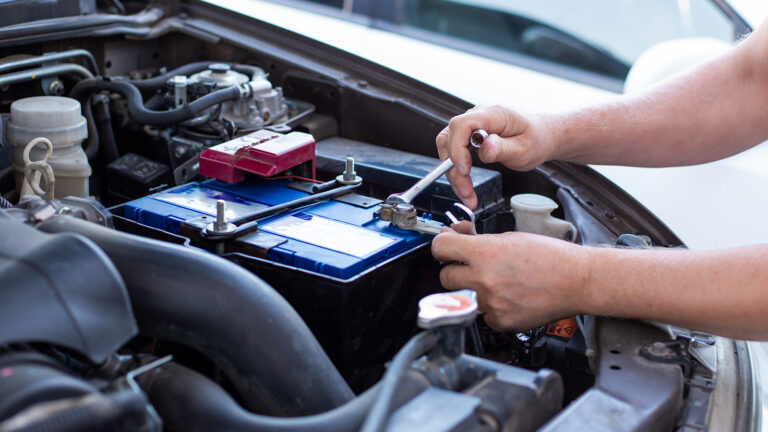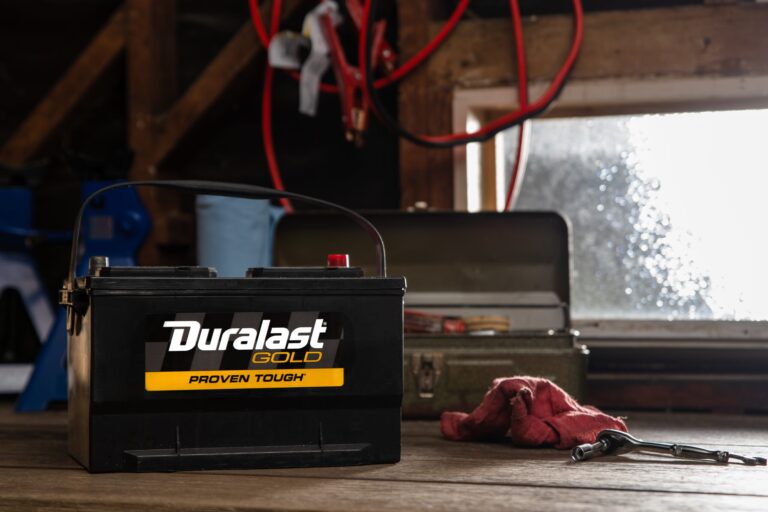
A core charge on a car battery is a refundable deposit for returning your old battery for recycling.
When you buy a replacement battery, the core charge on car battery purchases can make the price look higher than expected. It is not a tax or a repair fee. It is a temporary deposit that encourages drivers to return the worn-out battery so its lead, plastic, and other materials can be recovered. This guide explains how the charge works, how much you may pay, and how to get your refund without hassle.

What Is a Core Charge on a Car Battery?
A core charge on car battery purchases is a refundable fee added when you do not provide an old battery at the time of purchase. The old battery is called a “core.” It has value because it can be rebuilt, processed, or recycled.
Most automotive batteries contain lead and acid. These materials can harm people and the environment if the battery is dumped or handled badly. Recycling keeps useful materials in the supply chain and reduces the need to mine new lead.
The core charge acts like a deposit on a reusable bottle. You pay it first, then get it back when you return the correct old battery.
The fee is usually separate from the battery’s selling price. Your receipt may show several lines, such as:
• Battery price: The cost of the new battery
• Core charge: A refundable deposit for the old battery
• Sales tax: Tax based on local rules
• Installation fee: A labor charge, if the store installs the battery
A core charge is not the same as a warranty fee. It also does not mean the store is charging you to dispose of a useless item. The old battery has a recycling value, even if it no longer starts your car.

Why Do Stores Charge a Battery Core Fee?
The main goal of a core charge is to encourage battery returns. Without a deposit, some people might leave old batteries in garages, trash cans, or illegal dumping areas.
Car battery recycling is highly established in the United States. Lead-acid batteries are among the most recycled consumer products. Recyclers can recover much of the lead and plastic, then use those materials to make new batteries and other products.
The core charge also helps cover the cost of collecting, sorting, and transporting old batteries. Battery retailers may send returned units to a recycling center or a supplier that processes battery cores.
The fee supports several practical goals:
• It encourages responsible recycling.
• It helps retailers collect old batteries.
• It reduces unsafe disposal.
• It gives recyclers a steady supply of used batteries.
• It supports the recovery of lead and plastic.
A core charge does not guarantee that your exact battery will be rebuilt. In many cases, the battery is recycled instead. The important point is that the old unit enters an approved recovery system instead of becoming household waste.

How Much Is a Core Charge on a Car Battery?
The core charge on car battery purchases often ranges from about $10 to $25 in the United States. However, the exact amount depends on the retailer, battery type, location, supplier, and current recycling market.
Some specialty batteries may have a higher deposit. For example, a large commercial battery, deep-cycle battery, or premium AGM battery may carry a different core fee than a standard flooded lead-acid battery.
Here is a simple example:
| Item | Example amount |
|---|---|
| New battery | $165.00 |
| Core charge | $18.00 |
| Sales tax | Varies |
| Total before tax | $183.00 |
If you return the old battery, the store may refund the $18. The final cost of the new battery is then closer to the battery price, plus any applicable tax or service fee.
Prices change, so check the receipt and ask the retailer before paying. Some stores display the core charge online. Others show it only during checkout.
A common mistake is comparing two batteries without checking whether one listed price includes the core charge and the other does not. Always compare the full out-the-door price.

How Do You Get the Core Charge Refund?
Getting a refund is usually simple. The process may differ slightly between auto parts stores, dealerships, battery shops, and online sellers.
Use these steps:
-
Keep the receipt for the new battery.
-
Store the old battery upright in a safe place.
-
Return it to the same retailer when possible.
-
Ask the counter staff to process the battery core refund.
-
Confirm that the refund appears on your receipt or payment record.
Many retailers will accept the old battery even if they did not install the new one. Some may also accept a battery from another brand, as long as it is a similar automotive battery.
The safest approach is to ask about the return policy before buying. Confirm whether you need the original receipt, whether the refund goes back to your original payment method, and whether the store accepts cores purchased elsewhere.
For online orders, the seller may provide a return process. You may need to bring the old battery to a nearby store, use a prepaid return option, or contact customer service. Shipping a lead-acid battery can involve special rules, so do not place one in a regular package without instructions.

Can You Return an Old Battery Without Buying One?
Often, yes. Many auto parts stores accept old car batteries for recycling even when you are not buying a replacement. However, the store may not owe you a core refund if you did not pay a core charge there.
You may still receive a small credit, store credit, or recycling payment in some locations. That policy varies widely. Some retailers accept batteries for free because they participate in recycling programs.
Before carrying a heavy battery into a store, call ahead and ask:
• Does the store accept used car batteries?
• Is there a refund or store credit?
• Does the battery need to match the type sold?
• Is there a limit on the number of batteries?
• Does the store accept leaking or damaged batteries?
This saves time and prevents an unsafe trip. It also helps you understand the difference between a recycling return and a core-charge refund.
What Type of Battery Qualifies as a Core?
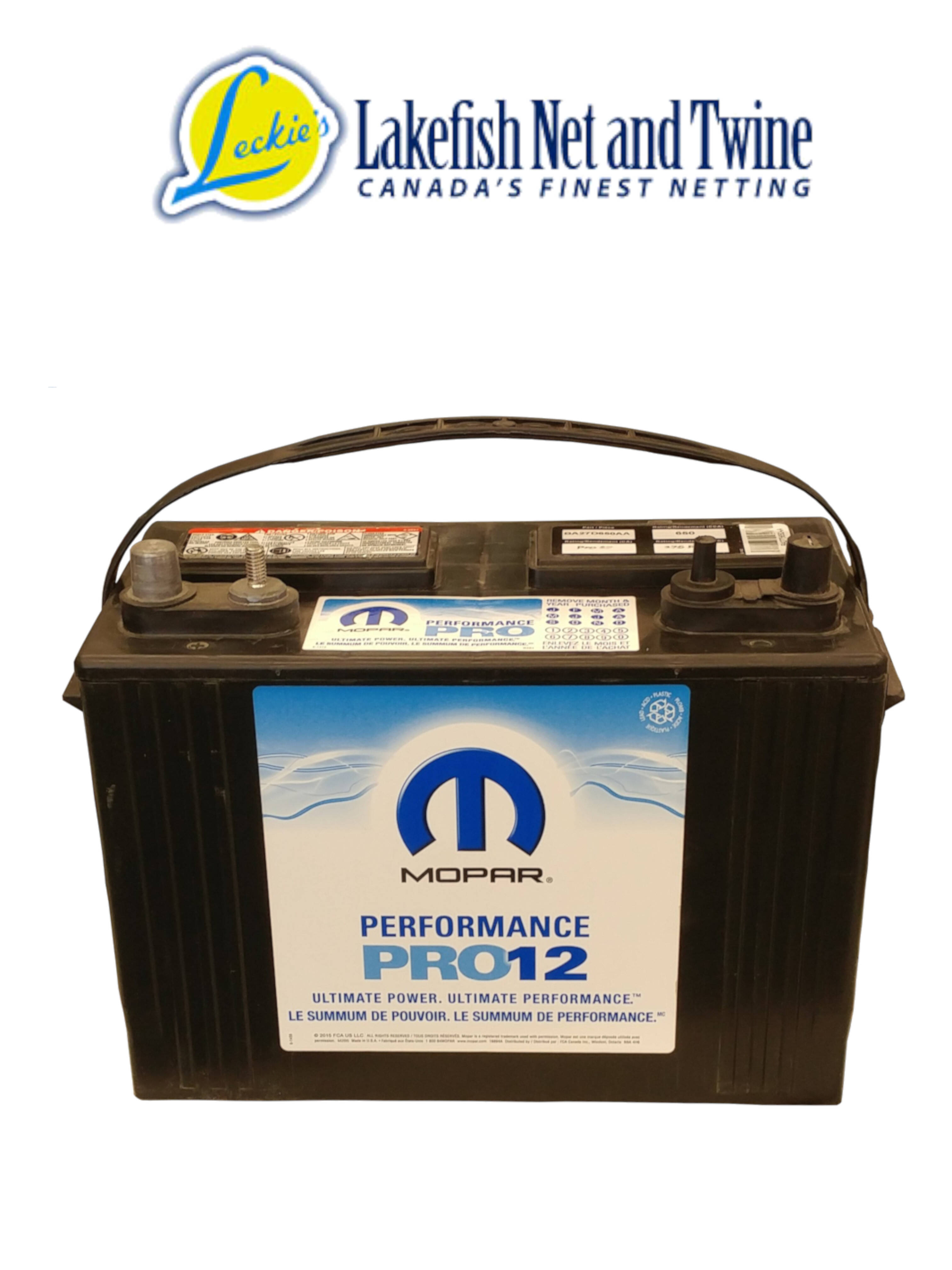
A qualifying core is usually an old battery that matches the general type and size of the new battery. The retailer may not require the same brand, but it may require a similar automotive battery.
A typical qualifying core may be:
• A 12-volt lead-acid car battery
• A truck or SUV battery of a similar class
• An AGM battery when the replacement is an AGM unit
• A marine or deep-cycle battery when the store sells that battery category
Rules can differ for lithium-ion batteries, motorcycle batteries, hybrid batteries, and commercial batteries. Do not assume every battery qualifies under the same policy.
The old battery does not need to work. A dead battery is often the exact item the core program is designed to collect. Still, the case should not be severely damaged, empty, or contaminated.
If the battery is cracked or leaking, tell the store before moving it. Battery acid can burn skin and damage clothing, floors, and vehicle interiors.
How to Handle and Transport an Old Car Battery
A car battery can be heavy and dangerous if handled carelessly. Lead-acid batteries contain corrosive electrolyte, and the terminals can create sparks if they touch metal.
Follow these basic safety steps:
• Wear gloves and safety glasses.
• Keep the battery upright.
• Carry it with both hands or use a battery carrier.
• Cover exposed terminals if the store recommends it.
• Keep the battery away from children and pets.
• Do not place tools, coins, or other metal items on top.
• Do not drain, puncture, burn, or open the battery.
Place the battery in a sturdy plastic tray or box during transport. Do not put it loose in a trunk where it can tip over. If acid leaks, avoid touching the liquid and contact the retailer or a hazardous-materials service for guidance.
One practical lesson is to return the old battery right away. Leaving it in a garage creates a trip hazard and increases the chance of a leak. A core refund is useful, but safe handling matters more.
Core Charge vs. Battery Warranty
A core charge and a battery warranty serve different purposes.
The core charge is a refundable deposit tied to the return of an old battery. The warranty protects you if the new battery fails under the terms set by the manufacturer or retailer.
For example, a battery may have:
• A $20 refundable core charge
• A three-year replacement warranty
• A longer limited warranty after the replacement period
Returning your old battery does not activate the warranty. Likewise, a warranty claim does not always require you to return the original battery to receive a core refund.
Read the warranty terms carefully. Some batteries require a test before replacement. Others provide a free replacement during one period and prorated credit later.
Keep the sales receipt, warranty paperwork, and battery date code. These records can help if the battery fails months later.
Common Mistakes to Avoid
The core charge on car battery transactions is easy to understand, but a few mistakes can cost you money or create safety problems.
Avoid these errors:
• Throwing the old battery in the trash
Lead-acid batteries should go to an approved retailer or recycling facility. Local waste rules may prohibit placing them in household garbage.
• Forgetting the refund
Some people leave the old battery in the garage and never return it. Set a reminder for the same day you install the new battery.
• Assuming every store has the same policy
A store may require a receipt, accept only certain battery types, or offer no cash refund for batteries purchased elsewhere.
• Comparing prices without including the fee
A battery that looks cheaper may have a separate core charge added at checkout.
• Transporting the battery on its side
This can cause leaks and damage. Keep it upright.
• Returning the wrong battery type
A small motorcycle battery may not qualify as the core for a large truck battery.
• Ignoring a swollen or leaking battery
Do not place a damaged battery in your car without asking for handling instructions.
The easiest habit is to ask three questions before purchase: How much is the core charge? What qualifies for the refund? How long do I have to return the old battery?
Core Charges for Online Battery Purchases
Online battery shopping can make the core charge more confusing. Some websites include the fee in the displayed price. Others add it during checkout.
You may also face shipping restrictions. Lead-acid batteries are regulated during transport because they contain hazardous materials. A seller may ask you to return the old battery to a local partner instead of mailing it back.
Before ordering, check:
• Whether the listed price includes the core charge
• Whether the seller offers a core refund
• How the refund is claimed
• Whether a receipt or order number is required
• Whether return shipping is free
• Whether the old battery must be the same type
If the online seller does not explain the process, contact customer service before placing the order. A low advertised price is less attractive if the core refund is difficult to claim.
Dealerships may use different pricing systems than national auto parts chains. A dealership battery can include installation, programming, disposal, or other service costs. Request an itemized estimate so you can identify the actual core fee.
Is the Core Charge Required by Law?
The answer depends on local and state rules. In many cases, the core charge is a retailer policy rather than a single nationwide fee required for every battery sale.
Some states and cities have battery recycling laws, environmental fees, or deposit requirements. Retailers may also follow supplier rules that apply across many locations.
This means the exact refund process can vary. One store may refund the full charge when you return any similar battery. Another may require the original receipt or a matching battery category.
Treat the fee as a deposit, but verify the policy with the seller. Your receipt should show whether the amount is a core charge, recycling fee, environmental fee, or another type of cost. These terms are not always interchangeable.
When in doubt, contact your state environmental agency or local waste authority. They can explain disposal rules for your area.
What Happens to the Old Battery?
After you return a battery, the retailer usually sends it through a collection network. A recycler then separates the battery into useful materials.
The lead can be recovered and processed for future manufacturing. Plastic cases can also be recycled. The acid may be neutralized or processed under regulated procedures.
The exact path depends on the battery and recycling facility. Some batteries may be suitable for remanufacturing, but many are processed for material recovery rather than sold again as the same battery.
This system has a useful environmental benefit. It turns a worn-out product into a source of raw materials and reduces the chance of acid or lead entering soil and water.
Still, recycling is not a reason to handle a battery casually. A battery remains hazardous until it reaches a proper collection point.
A Simple Example of the Full Process
Imagine your car needs a new battery. The replacement costs $145, and the retailer adds a $20 core charge.
At checkout, you pay $165 before tax. You take the new battery home, install it, and place the old battery upright in a plastic tray.
The next day, you bring the old battery and your receipt back to the store. The retailer confirms that it qualifies and refunds the $20 to your card.
Your effective battery cost is now $145 before tax. If you had not returned the old unit, you would have paid the extra $20 permanently.
This example shows why the core charge on car battery purchases is best viewed as a temporary deposit, not an extra product cost.
Frequently Asked Questions About Core Charge on Car Battery
Is a car battery core charge refundable?
Yes, it is usually refundable when you return a qualifying old battery. The retailer may require a receipt, order number, or similar battery type.
How much is the core charge on a car battery?
The fee often falls between $10 and $25, but it can be higher for large, commercial, AGM, or specialty batteries. Check the retailer’s current policy because amounts vary by location and battery type.
Can I get a core refund without the old battery?
Usually, no. The charge exists to encourage the return of an old battery, so you normally need to provide a qualifying core. Some stores may offer a different recycling credit at their discretion.
Can I return a different brand of car battery?
Often, yes. Many stores accept a similar battery from another brand, but the battery category and size may matter more than the brand. Ask the retailer before relying on a refund.
Can I throw an old car battery in the trash?
No. Lead-acid batteries should go to an approved retailer, recycling center, or hazardous-waste collection site. Improper disposal can cause environmental harm and may violate local rules.
Does a core charge cover battery installation?
No. A core charge is separate from labor. Installation may be free, included in the price, or billed as an additional service.
Do I need the receipt to get a core refund?
Many stores ask for the original receipt or order details. Some can locate the purchase through a loyalty account, but policies differ.
Can I return a leaking car battery?
Call the retailer before transporting it. A leaking battery can expose you to corrosive acid, so it may require special handling.
Conclusion
A core charge on car battery purchases is a refundable deposit that encourages the safe return and recycling of old batteries. The fee is often around $10 to $25, but the amount and refund rules depend on the retailer, battery type, and local regulations.
Keep your receipt, transport the old battery upright, and ask about the return policy before buying. Returning the core protects your refund and helps keep lead, plastic, and battery acid out of the waste stream.
Before your next battery purchase, compare the full price, confirm the core charge, and plan the return. If this guide helped, share your experience or explore more vehicle maintenance resources to make your next repair easier.