A wheel alignment usually costs about $75 to $150 for most cars, with variations by vehicle and shop.
I’ve worked on cars and written about auto care for years. I’ll walk you through how much is a car tire alignment, what affects the price, and smart ways to save. Read on for real-world tips, clear price ranges, and things I learned from hands-on work and shop visits.
:max_bytes(150000):strip_icc()/how-much-will-a-car-alignment-cost-4176341_V3-3fc071bd9dfd49e1b00d983b0d4e1b11.jpg)
Why understanding how much is a car tire alignment matters
Knowing how much is a car tire alignment helps you plan maintenance. It prevents uneven tire wear and keeps your car safe. A clear idea of cost also stops you from paying too much at the shop. Use this guide to compare shops and pick the right service.
What affects the cost of a car tire alignment
Several things change how much is a car tire alignment. Here are the main factors:
- Vehicle type. Luxury cars and trucks often cost more to align.
- Alignment type. Front, thrust, or four-wheel alignments differ in price.
- Shop type. Dealers charge more than indie shops. Chain shops can be cheaper.
- Location. Urban areas usually have higher labor rates.
- Additional work. Bent parts, worn tie rods, or new tires add cost.
- Alignment equipment. High-end shops use advanced machines and may charge more.
These factors explain why quotes vary. Always ask what the price includes before you book.
Typical price ranges by service and vehicle
Here are common price bands to expect for how much is a car tire alignment:
- Basic front-end alignment for small cars: $75 to $100.
- Four-wheel alignment for sedans and crossovers: $80 to $150.
- Trucks or SUVs, four-wheel alignment: $100 to $200.
- Dealer or specialty shops: $150 to $300, depending on complexity.
- Packages with tire balance or rotation: $120 to $250.
Remember that shops may offer coupons or package deals. Ask about warranties on the work.

Types of alignments and what they include
Understanding the types helps you know what you pay for when asking how much is a car tire alignment.
- Front-end alignment. Adjusts only the front wheels. Cheaper and common for front-wheel-drive cars.
- Thrust-angle alignment. Adjusts the rear to match the front. Used when the rear axle is solid.
- Four-wheel alignment. Adjusts all wheels. Needed for modern all-wheel-drive and precision steering.
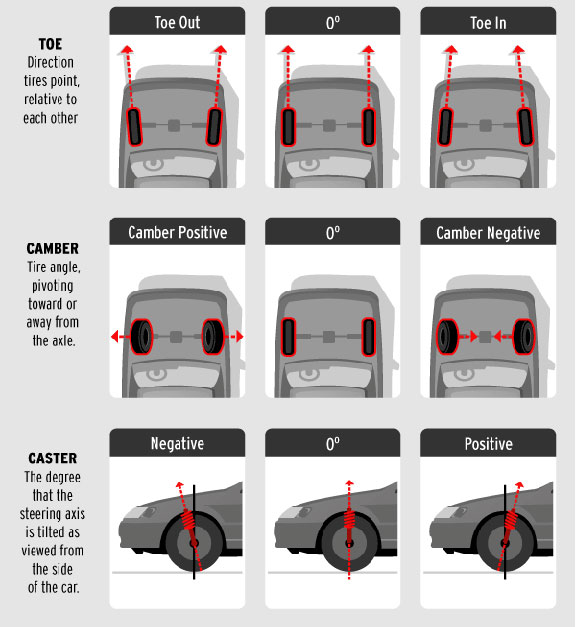
Each type uses alignment specs from the car maker. Shops set toe, camber, and caster to those specs. This matters for ride feel and tire wear.

Signs you need an alignment
Knowing the signs can help you decide when to pay for alignment and reduce long-term cost.
- Pulling to one side while you drive.
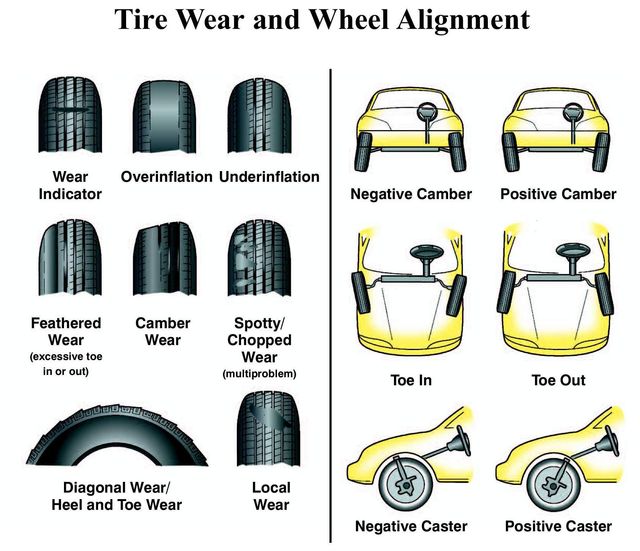
- Uneven or rapid tire wear.
- Steering wheel off center when driving straight.
- Vibration in the steering wheel at speed.
If you notice these, schedule an alignment soon. Driving with bad alignment shortens tire life and can raise fuel use.
How a professional alignment works
A pro alignment follows clear steps. Here’s the usual flow for how much is a car tire alignment service:
- Inspect tires and suspension for wear and damage.
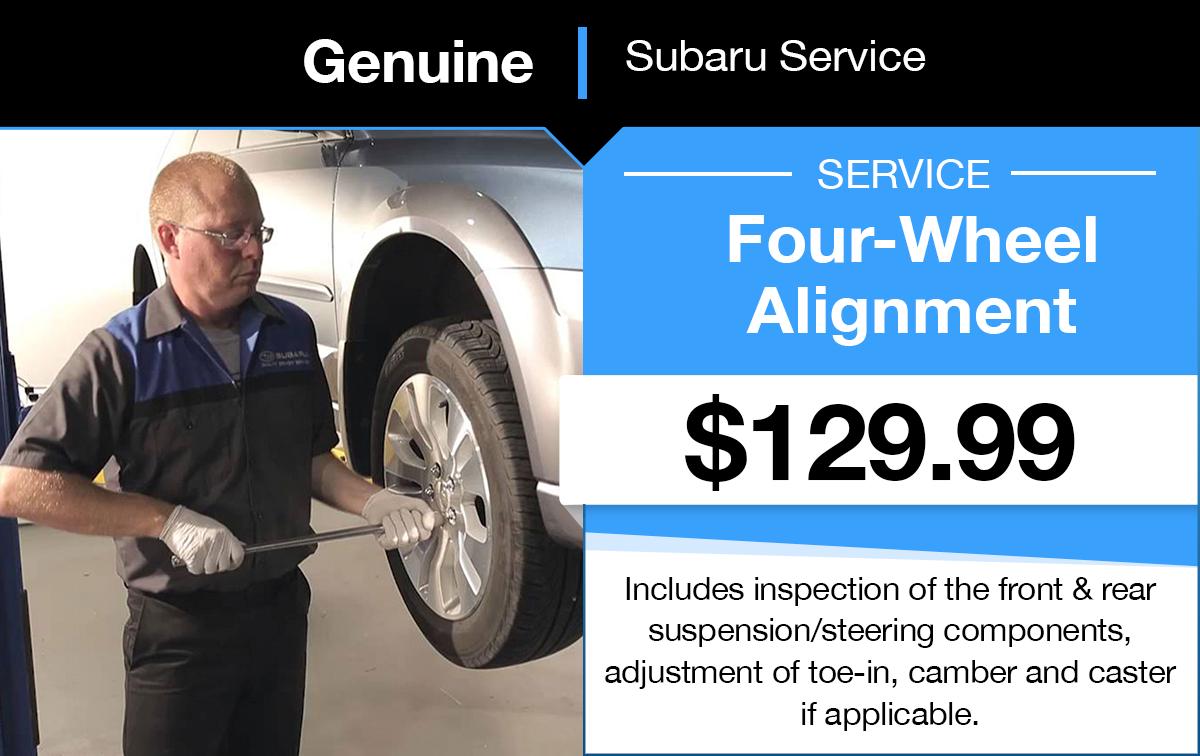
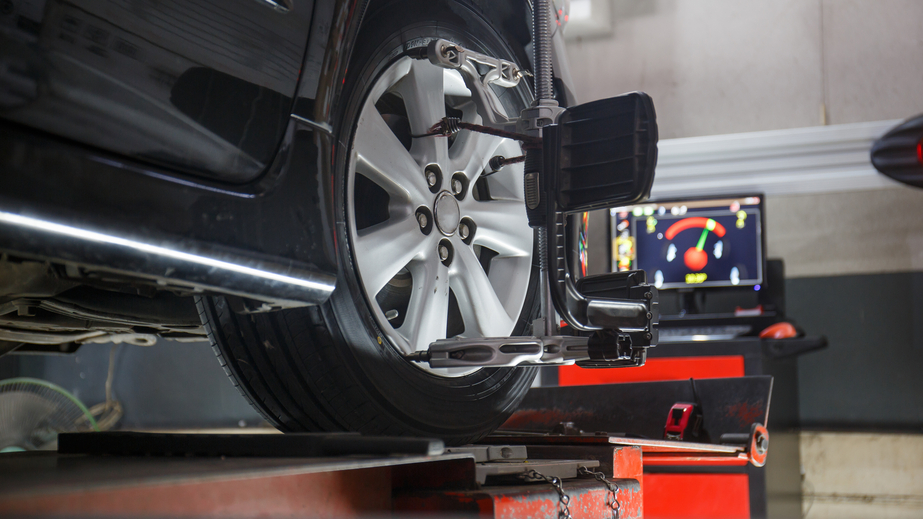
- Mount the car on a lift and attach sensors to wheels.
- Measure current angles and compare them to specs.
- Adjust camber, toe, and caster to bring them into spec.
- Test drive and recheck measurements.
Good shops give a printout of before-and-after specs. That gives you proof of the work.

DIY vs professional: which to choose?
You might wonder whether to try this yourself when thinking about how much is a car tire alignment.
- DIY pros: saves money for simple toe fixes, good for tight budgets.
- DIY cons: hard to get precise camber and caster without tools. Mistakes cost more later.
- Professional pros: accurate, fast, and often includes warranty or recheck.
- Professional cons: higher upfront cost but saves tire money over time.
My advice: DIY for minor, temporary fixes. Use a shop for full alignments and safety.
Ways to save money on an alignment
If you want to lower how much is a car tire alignment, try these tips.
- Compare multiple quotes from shops and dealers.
- Look for coupons or seasonal deals from chains.
- Ask if alignment is free with new tires or if it’s discounted.
- Combine alignment with other services to get a package price.
- Maintain suspension parts to avoid extra repair costs during alignment.
Small steps now can save you from larger bills later.

Personal experience and practical tips
I once took my SUV to three shops to check how much is a car tire alignment. Prices ranged widely. One shop gave a clear printout and a free recheck. Another quoted low but then added fees for worn parts. I learned to ask for a full breakdown and a before-and-after report.
Tips I still use:
- Ask for a printout of the alignment readings.
- Check tire condition before the job.
- Ask whether the quoted price covers adjustments only, or parts too.
- Keep records of alignments to spot patterns in wear.
These small steps help you spend wisely and keep your car safe.
Frequently Asked Questions of how much is a car tire alignment
How often should I get an alignment?
Most drivers get an alignment every 1 to 2 years or after installing new tires. Check alignment sooner if you notice pull or uneven wear.
Will an alignment improve gas mileage?
Yes. Proper alignment can slightly improve gas mileage by reducing rolling resistance. The gain is modest but real over time.
Can new tires hide the need for an alignment?
New tires can mask pull for a short time. You should still get an alignment when you install new tires.
Is wheel balancing the same as an alignment?
No. Balancing evens tire weight. Alignment adjusts wheel angles. Both improve ride and tire life but fix different issues.
What if a shop finds bad suspension parts?
Ask for a written estimate for parts and labor before any repairs. Reputable shops will show you the worn parts and explain why they matter.
Conclusion
Knowing how much is a car tire alignment helps you plan and avoid costly mistakes. Shop around, ask for clear quotes, and choose a shop that shows before-and-after readings. Take action when you see signs of misalignment to save on tires and improve safety. If you found this helpful, try comparing quotes this week, subscribe for more car tips, or leave a comment below to share your experience.