A car won't start but battery is good usually due to starter, fuel, or ignition system issues.
I’ve spent years diagnosing cars that won’t start even when the battery checks out. This guide explains why a car won't start but battery is good, how to find the root cause, simple tests you can do, and when to call a pro. Read on for step-by-step checks, real-life tips, and proven fixes to get you moving again.

Why a car won't start but battery is good
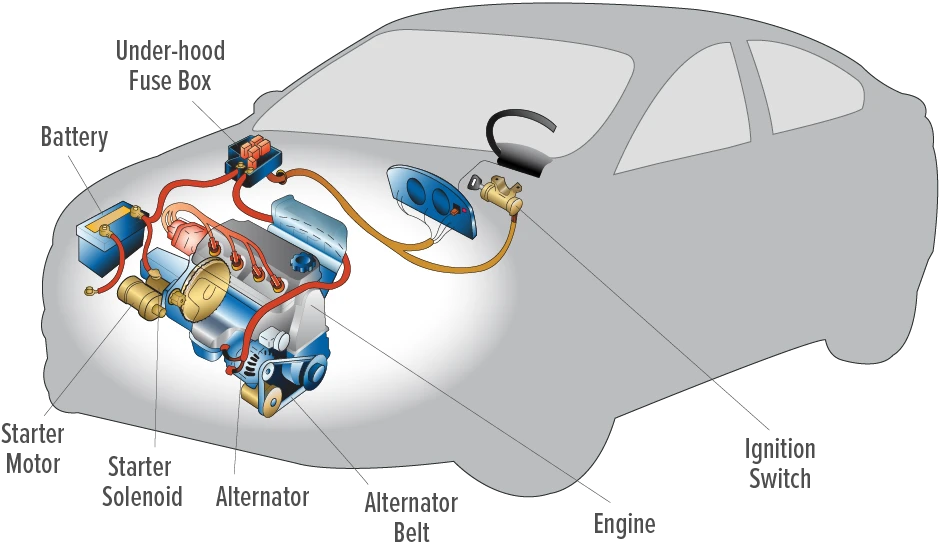
When the battery is fine, the no-start condition points to other systems. A car won't start but battery is good often because the starter, alternator, fuel system, ignition, or security system is at fault. These parts must work together to turn the engine over and create combustion.
Understanding this helps you narrow checks fast. Start with the easiest items: listen, look, and feel. Then move to electrical tests and fuel checks.

Common causes and how they fail
Here are the frequent reasons a car won't start but battery is good. Each cause includes what to listen for and a quick test.
Starter motor or solenoid
- Symptom: Clicks when you turn the key or no sound at all even with battery power.
- Quick test: Tap the starter gently with a wrench while someone turns the key; if it helps, the starter may be sticking.
Ignition switch or key problems
- Symptom: Accessories work but engine won’t crank.
- Quick test: Try a spare key or wiggle the key while turning; inconsistent behavior points to switch or key fob issues.
Faulty alternator (intermittent)
- Symptom: Battery reads fine but car dies after start or has flickering lights.
- Quick test: Check voltage with engine running; if voltage drops or is unstable the alternator may be failing.
Fuel delivery issues
- Symptom: Engine cranks but won’t catch or sputters.
- Quick test: Listen for the fuel pump prime when you turn the key to the “on” position; no sound may mean pump or relay issue.
Ignition system faults (coils, plugs)
- Symptom: Engine cranks but runs rough or not at all.
- Quick test: Inspect spark plugs for wear and use a spark tester if available.
Security/immobilizer problems
- Symptom: Dashboard security light or engine disabled intermittently.
- Quick test: Try locking/unlocking with the remote and use a known-good key. Faulty immobilizers can block starting even with full battery.
Bad grounds or corroded connections
- Symptom: Strange electrical issues or no crank despite good battery voltage.
- Quick test: Inspect battery terminals and ground straps for corrosion; clean and tighten connections.
Relay or fuse failure
- Symptom: Certain circuits dead, fuel pump or starter inoperative.
- Quick test: Swap relays with similar ones in the fuse box or check fuses visually and with a meter.
These causes often overlap. A car won't start but battery is good because multiple small faults can mimic a single big problem. Find the simplest fix first and escalate tests logically.
How to diagnose step-by-step
Follow this order for fast and safe diagnosis. These steps are easy to do and reduce guesswork.
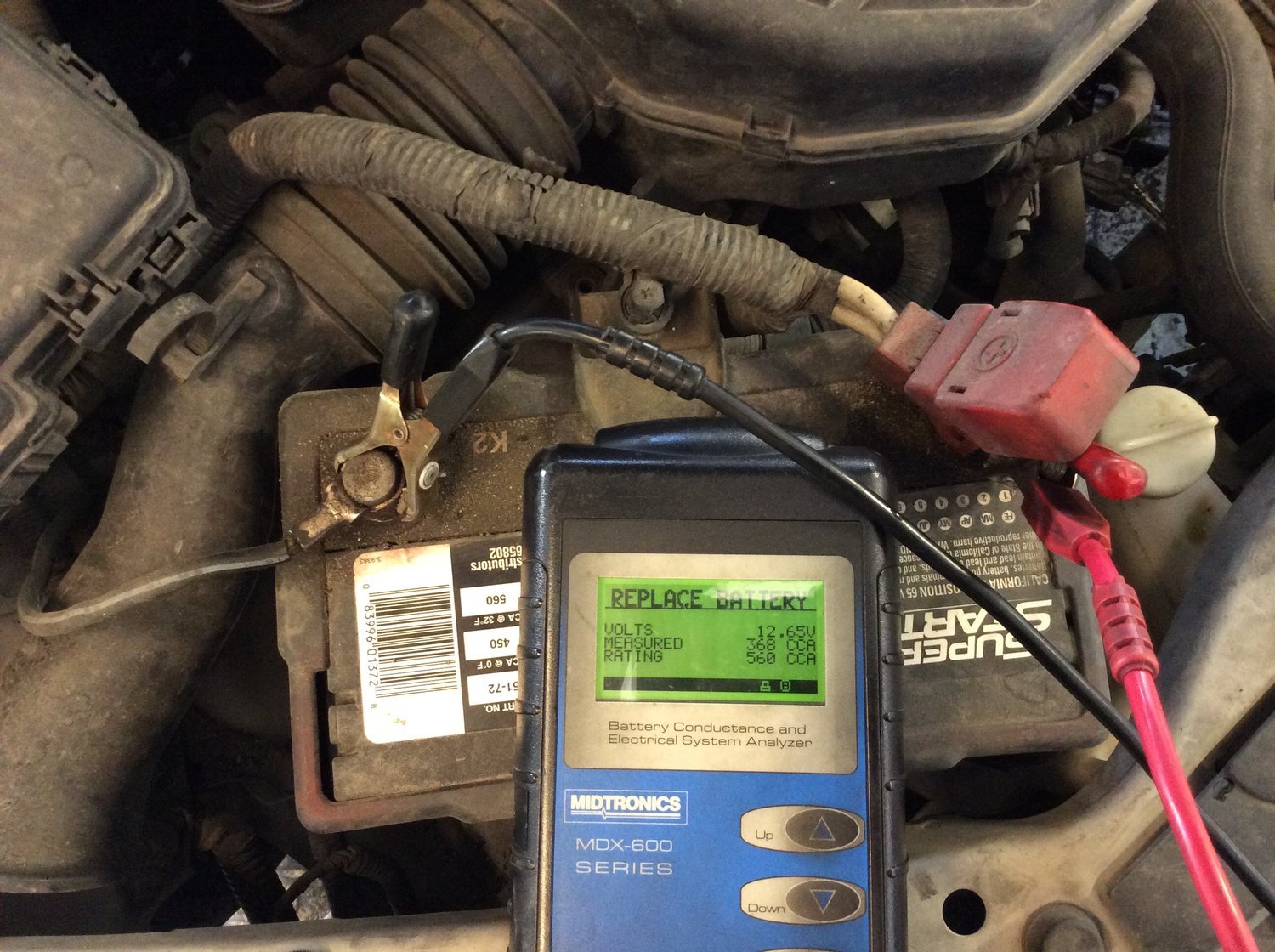
- Confirm battery health
- Use a multimeter: resting voltage should be about 12.4–12.7V.
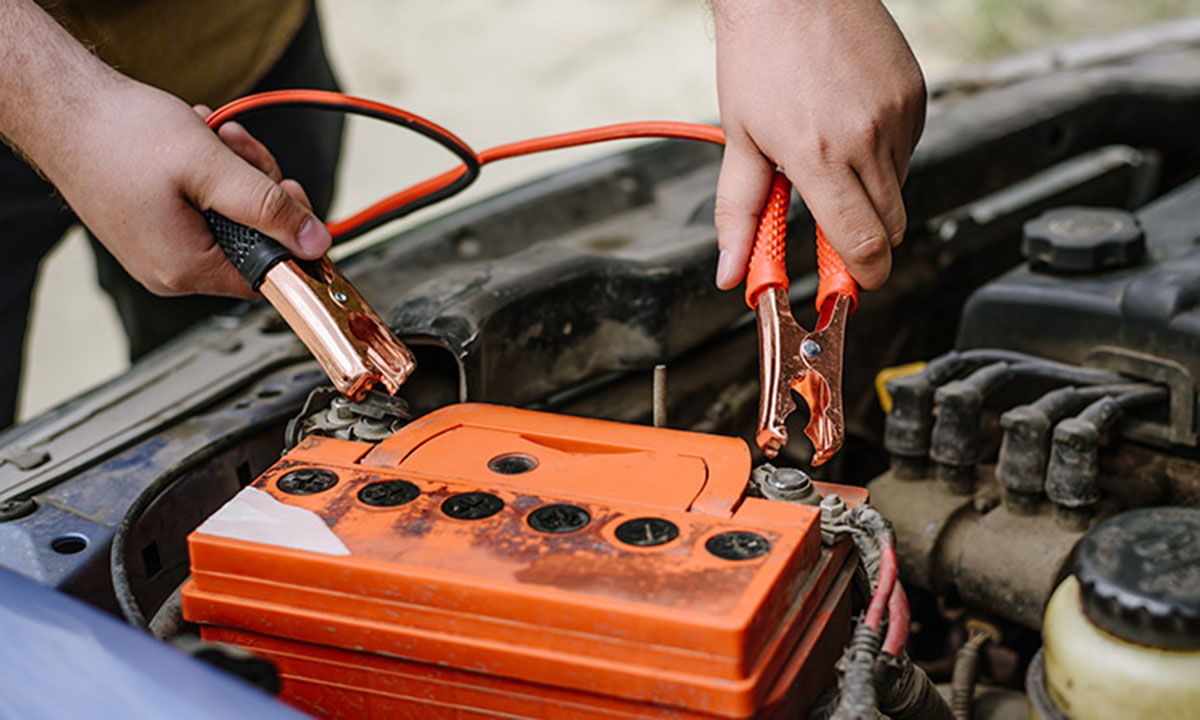
- Load test or jump-start to see if cranking improves.
- Listen and observe
- Note clicks, cranks, or silence.
- Watch dashboard lights and security indicators.
- Check connections
- Clean and tighten battery terminals and ground straps.
- Inspect cable for corrosion or damage.
- Test starter and solenoid
- Check for voltage at the starter during crank.
- If voltage is present but starter does nothing, the starter is likely bad.
- Confirm fuel delivery
- Listen for pump prime and check fuel pressure if you have tools.
- Check fuel pump relay and fuse.
- Check ignition and spark
- Inspect spark plugs and ignition coils.
- Use a spark tester to confirm spark.
- Scan for trouble codes
- Use an OBD-II scanner to find stored faults in engine or immobilizer modules.
- Look for parasitic drains
- Measure current draw overnight; high draw can deplete charge despite a good battery.
These steps help find why a car won't start but battery is good in a logical order. Do simple checks first, then move to advanced testing.
Tools and tests you can run at home
Having the right tools speeds diagnosis. Here are affordable items and how to use them.
- Multimeter
- Measures voltage and continuity. Essential for battery, alternator, and starter checks.
- OBD-II scanner
- Reads faults. Often gives clear direction when the immobilizer or sensors are involved.
- Fuel pressure gauge
- Confirms fuel pump and fuel rail pressure.
- Spark tester
- Quick way to confirm ignition spark at the plug.
- Basic hand tools
- For removing terminals, relays, and access panels.
If you’re unsure how to use a tool, follow a step-by-step guide or seek help. Safety first: disconnect the negative terminal before doing major electrical work.
Quick fixes and PAA-style questions
Here are fast things to try and short answers to common search questions.
Why does my car crank but won’t start if the battery is good?
- Likely causes are no fuel, no spark, or timing issues. Start by checking fuel pump sound and spark presence.
Can a bad starter read like a good battery?
- Yes. The battery can test fine while the starter draws current but fails to engage. Voltage at the starter while cranking helps confirm this.
How long does it take to diagnose?
- Basic checks take 15–45 minutes. Full electrical or fuel diagnostics can take longer depending on tools and access.
These short answers point you toward the right next step. Use them to prioritize tests when a car won’t start but battery is good.
Roadside fixes and prevention
If you’re stuck on the road, try these safe fixes.
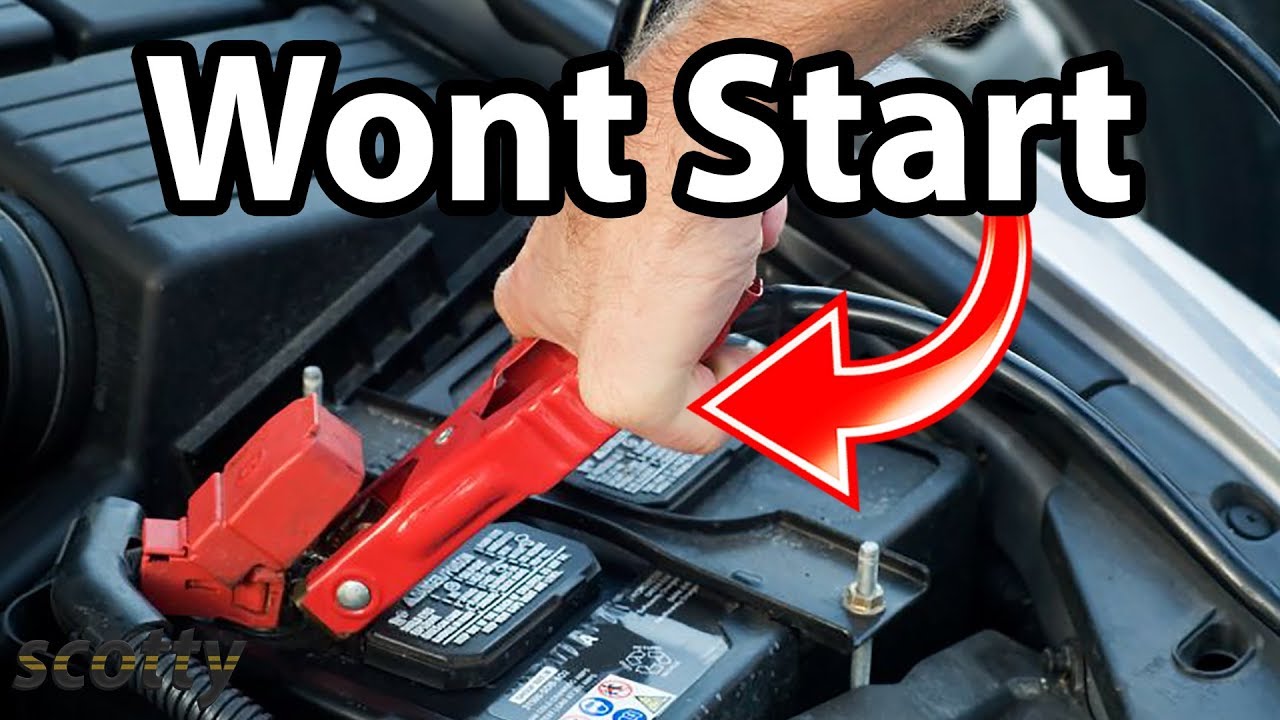
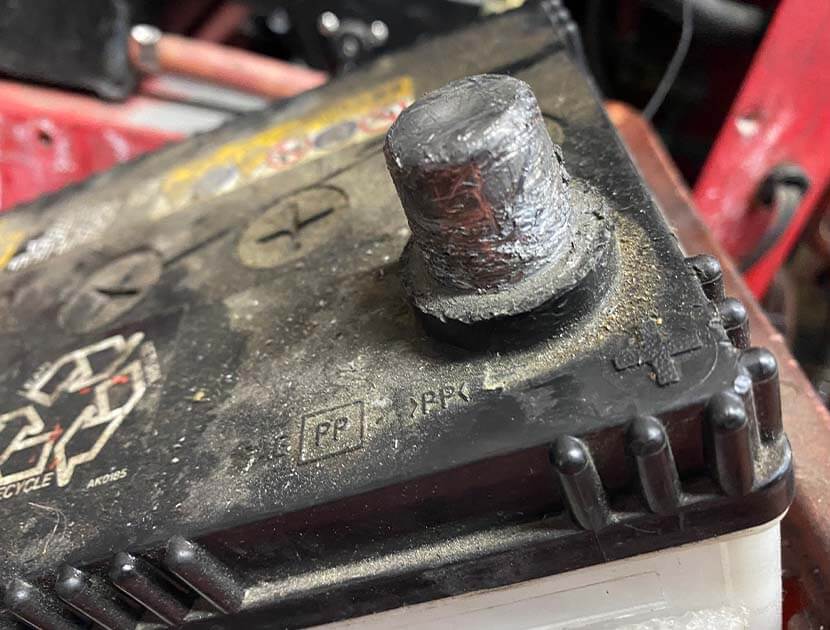
- Tighten and clean battery terminals
- Corrosion can stop current even with a healthy battery.
- Try a spare key or reset the immobilizer
- Lock/unlock the car and try starting again.
- Tap the starter lightly
- This may free a sticking starter motor for one start.
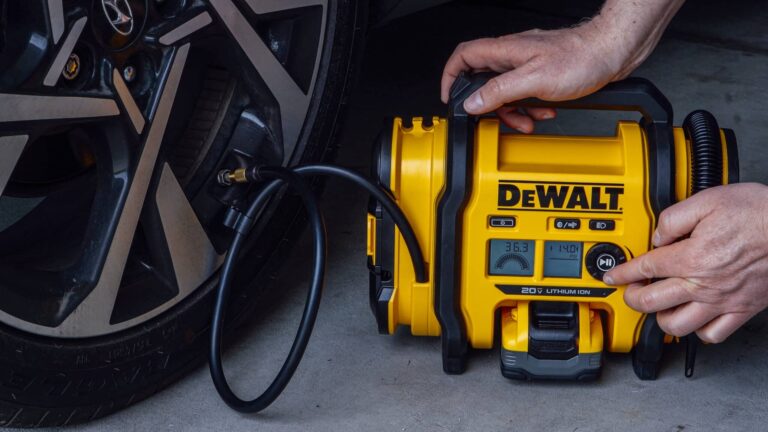
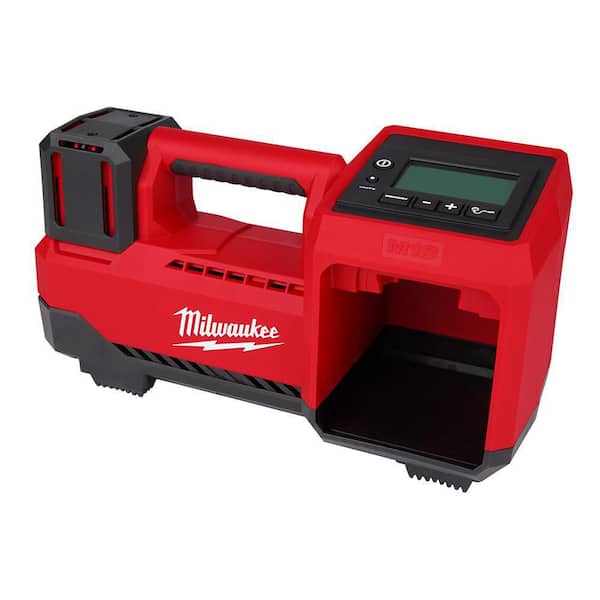
- Carry a compact tool kit and portable jump pack
- A jump pack helps with intermittent power issues and is safer than relying on strangers.
- Schedule regular maintenance
- Replace starter and ignition parts at the first sign of trouble to avoid sudden no-starts.
Prevention beats roadside fixes. Keep electrical contacts clean and replace aging ignition components proactively.
Personal experience and real-life tips
I once rescued a driver whose car wouldn't start but battery was good. The battery read perfect voltage, yet the starter only clicked. A quick relay swap and a test at the starter showed low voltage at the solenoid. A corroded ground strap was the real culprit. I replaced the strap and the car started like new.
Lessons I learned
- Always check grounds and connections first. They cause many puzzling faults.
- Keep a spare key and basic tools in the car.
- Use a scanner for intermittent faults—codes can reveal intermittent sensor or security issues.
These simple habits save time and money. They also reduce stress when things go wrong.

Frequently Asked Questions of car won't start but battery is good
Why does my car make a clicking sound but won't start even though battery is good?
A clicking sound usually points to the starter solenoid or a weak connection. Check battery terminals and starter voltage; replacing the starter or cleaning connections often fixes it.
Can a fuel pump fail even if the battery is fine?
Yes. A fuel pump can fail electrically or mechanically. Listen for the pump prime noise when you turn the key; no sound suggests pump or relay issues.
Could a bad alternator cause a no-start even with a healthy battery?
Yes. A failing alternator can let the battery appear healthy but fail under load or after running. Test voltage with the engine running to be sure.
Will a faulty immobilizer prevent starting if the battery is good?
Yes. A faulty immobilizer can block ignition even when all electrical systems show normal voltage. Try a spare key or scan for security-related codes.
How do I know when to call a mechanic?
Call a mechanic if basic checks (battery, terminals, fuses, relays) don’t find the issue, or if you lack tools. Professional diagnostics are needed for complex electrical or fuel-system faults.
Conclusion
A car won't start but battery is good for many reasons: starter faults, ignition issues, fuel problems, bad grounds, or security systems. Start with simple checks: battery voltage, terminal cleanliness, and listening for fuel pump or starter sounds. Use basic tools and an OBD-II scanner to speed diagnosis. If you follow the steps here, you’ll find the root cause faster and avoid needless part swaps.
Take action today: clean connections, keep a basic tool kit and scanner, and schedule a professional check if problems persist. Share your experience or questions below and subscribe for more practical car-care tips.