A car battery not charging usually means a bad alternator, loose wiring, or an old battery.
I’ve worked on cars for years and fixed many cases where a car battery not charging left drivers stranded. This guide explains causes, signs, tests, fixes, costs, and preventive steps. Read on to learn how to diagnose a car battery not charging, what tools you need, and when to call a pro. My goal is to give clear, practical advice you can use today.
Causes of a car battery not charging
A battery that won’t charge can come from many issues. The most common are alternator failure, bad wiring, loose or corroded connections, or a failing battery. Modern cars add more points of failure, like battery management systems, parasitic drains, and faulty voltage regulators.
Common electrical causes
- Alternator not producing voltage. This is the top cause of a car battery not charging.
- Broken or slipping alternator belt that prevents charging.
- Faulty voltage regulator inside or outside the alternator.
- Loose, corroded, or damaged battery terminals and cables.
- Blown fusible links or blown charging fuses.
- Old battery that can’t hold charge even when the alternator works.
- Parasitic drain from aftermarket electronics or a stuck relay.
- Extreme cold that reduces battery output and changes charging behavior.

Signs your car battery is not charging
You can spot signs early and avoid being stranded. Watch for these warning signs that a car battery not charging is becoming a problem.
Common symptoms
- Dim headlights at idle but brighter when revving the engine.
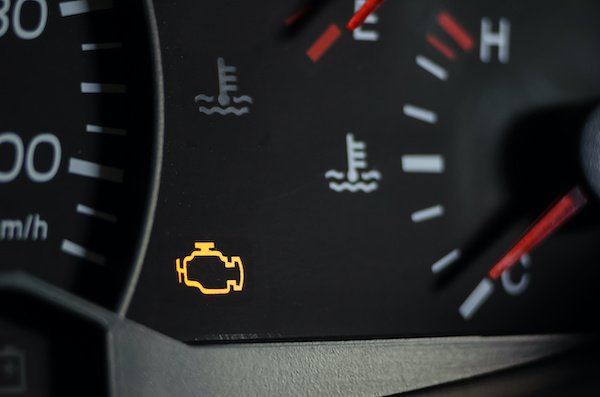
- Dashboard battery warning light or "ALT" light is on.
- Slow or labored engine cranking.
- Electronic accessories cutting out or resetting.
- Repeated jump-starts needed to start the car.
If you see multiple signs, expect a real charging issue. Acting fast saves time and money.
How to diagnose a car battery not charging
Use simple tests to find out why a car battery not charging. You don’t need fancy gear for basic checks. Start with visual inspection, then a multimeter test, and finish with charging system checks.
Step-by-step diagnosis
- Visual check
- Inspect battery terminals for corrosion or loose clamps.
- Check for a broken alternator belt or frayed wires.
- Look for blown fuses in the charging circuit.
- Static battery voltage (engine off)
- Measure battery voltage with a multimeter. A healthy, charged battery reads about 12.6 volts.
- If below 12.4 volts, the battery is partly discharged. If below 12.0 volts, it’s deeply discharged.
- Charging voltage (engine running)
- Start the car. Measure across battery posts. A healthy charging system reads between about 13.7 and 14.7 volts.
- If voltage stays near battery voltage (12.6V) with engine running, the alternator isn’t charging.
- Load testing and parasitic draw
- Use a load tester or take the battery to a shop for a load test.
- For parasitic drain, measure current draw with engine off; normal draw is usually under 50mA for many cars.
PAA-style questions (quick answers)
Can a car run with a dead battery if the alternator is good?
Yes, if the alternator works, the car can run, but the battery must hold enough charge to start. Once started, the alternator supplies electrical needs and recharges the battery.
Will a bad alternator overcharge a battery?
A failing regulator inside the alternator can overcharge. Overcharging causes hot, bulging batteries and short battery life.
How long does it take to charge a car battery with a running engine?
A typical partial charge can occur in 30–60 minutes of driving. Full recharge time depends on battery state, alternator output, and driving conditions.
How to fix a car battery not charging (step-by-step)
Once you diagnose the problem, take the right fix. Below are common fixes for a car battery not charging, from easy DIY steps to professional repairs.
DIY fixes you can try
- Clean and tighten terminals
- Remove corrosion with baking soda and water or a terminal brush.
- Tighten clamps to secure connections.
- Replace or tighten belt
- Inspect the alternator belt. Replace if cracked or loose.
- Check fuses and fusible links
- Replace blown charging fuses safely. Always disconnect the battery first.
- Jump-start and recharge
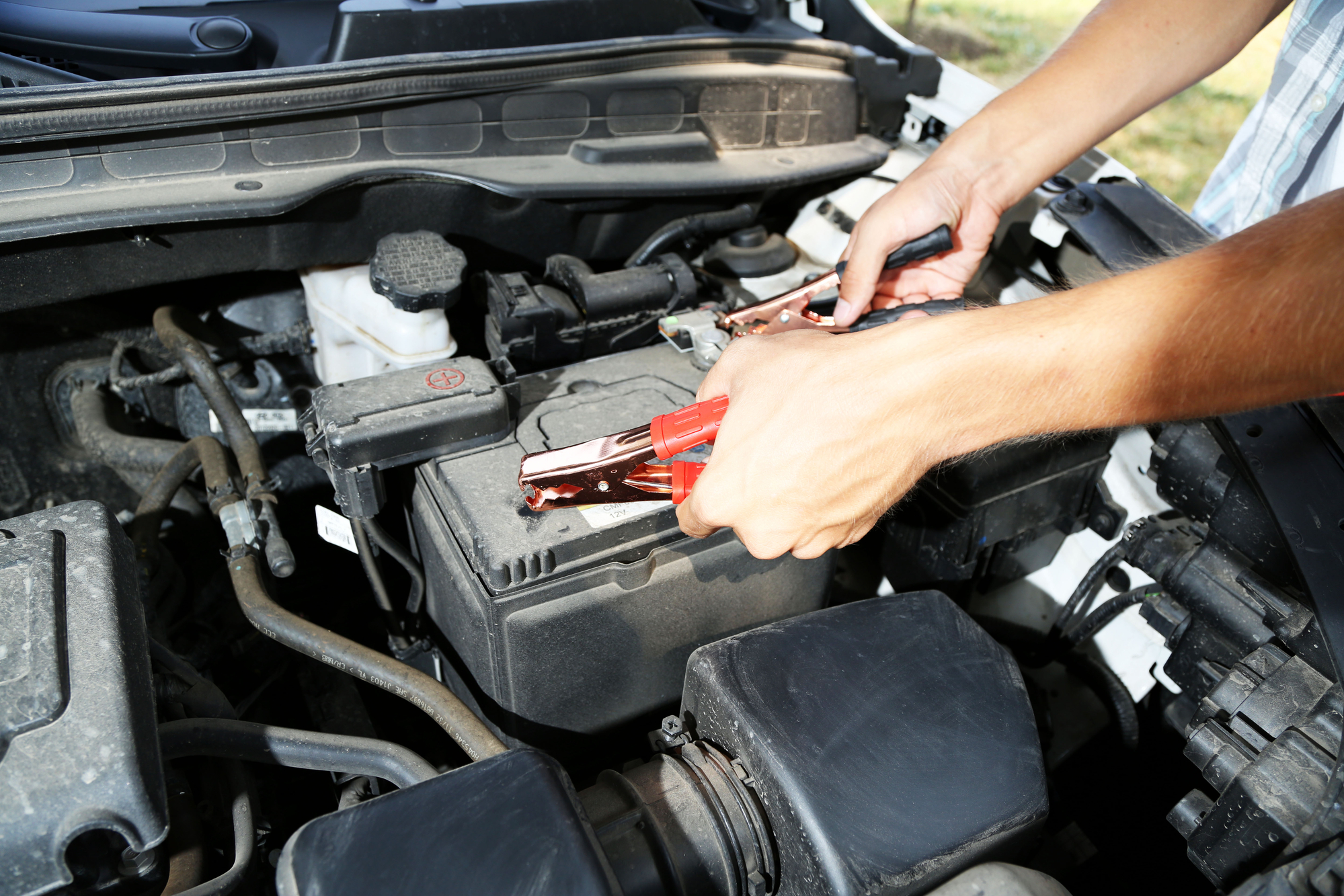
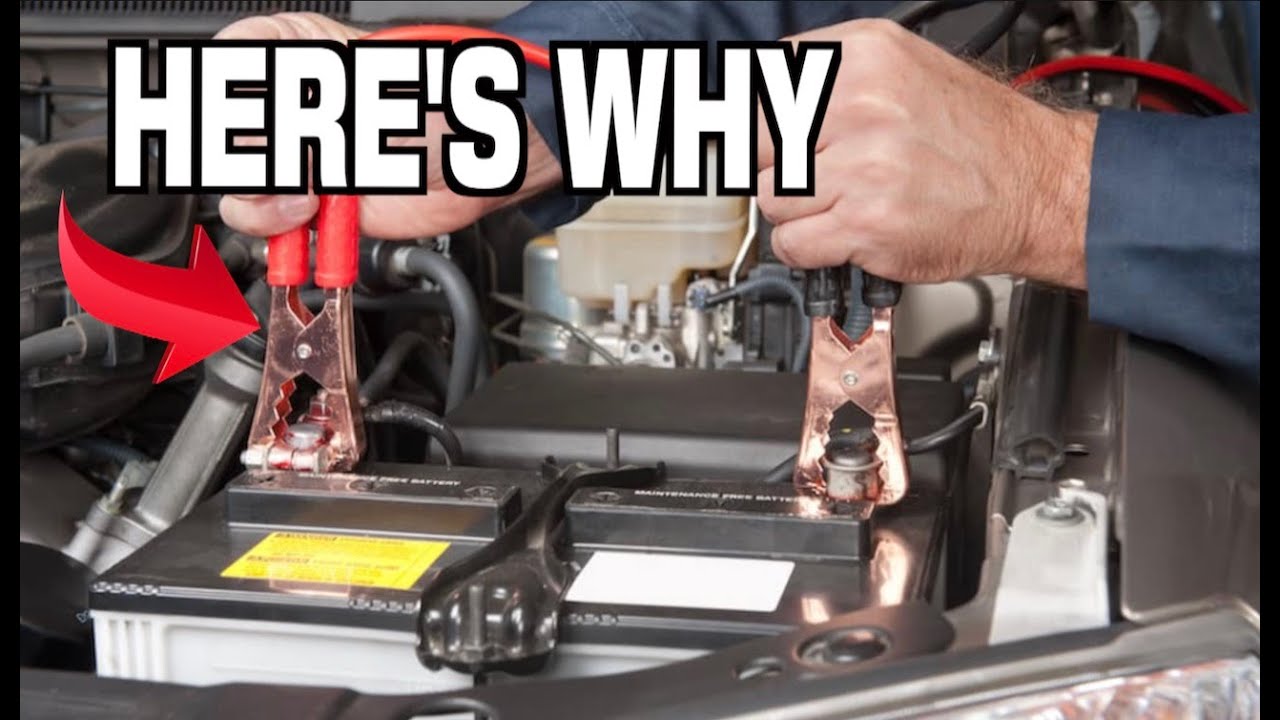
- Jump-start to move the car. Then drive 20–30 minutes to help recharge a partially drained battery.
When to seek professional help
- Alternator failure or noisy alternator bearings
- Voltage regulator faults or complex charging system errors
- Repeated battery failures after replacement
- High parasitic drain that needs trace with scan tools
Parts replacement guidance
- Replace the battery if it fails a load test or is older than 3–5 years.
- Replace the alternator or voltage regulator if charging voltage is out of spec.
- Replace damaged cables, clamps, or fuses as needed.
Preventive maintenance to avoid charging problems
Prevention keeps a car battery not charging from becoming a crisis. Simple checks help the battery and charging system live longer.
Routine checks
- Inspect battery and terminals every 3 months.
- Clean corrosion and ensure clamps are tight.
- Check belt condition during oil changes.
- Test battery health yearly with a load test if you live in extreme climates.
Best practices
- Turn off accessories when engine is off.
- Avoid short trips that don’t allow full recharge.
- Remove or disable aftermarket drains like poorly installed alarms.
- Store the car on a trickle charger if unused for long periods.
Cost, replacement, and when to replace a battery
Costs vary by battery type and car model. Expect range-based pricing and replace proactively.
Typical costs
- Regular lead-acid battery: $50–$150.
- AGM or high-performance battery: $150–$300.
- Alternator replacement: $300–$800 depending on vehicle and labor.
When to replace
- Battery older than 3–5 years.
- Fails a load test or cannot hold voltage.
- Frequent jump starts even after cleaning terminals.
- Visible damage, swelling, or leaking.
Tips to save
- Compare warranties. Longer warranties often mean better quality.
- Have the charging system tested before replacing the battery to avoid wasting money.
Personal experience and tips
I once diagnosed a car that kept needing jump-starts. The battery was only two years old. Many people would have blamed the battery. I tested the system and found a bad alternator diode. Replacing the alternator fixed it for good.
Lessons learned
- Always test the charging system before swapping batteries.
- Clean terminals first. Loose clamps can mimic major faults.
- Keep a small jump pack in the trunk. It saved me and others many times.
Practical tips I use
- Label battery date when installed.
- Tighten terminal nuts snug, not overly tight.
- Use dielectric grease on connections to reduce corrosion.

Tools, safety, and best practices
Work safely when dealing with a car battery not charging. Batteries hold acid and can spark. Follow basic safety steps.
Essential tools
- Digital multimeter for voltage tests.
- Battery terminal cleaner or brush.
- Safety glasses and gloves.
- Basic hand tools and a charger or jump pack.
Safety tips
- Always wear eye protection and gloves.
- Disconnect negative cable first when removing a battery.
- Avoid smoking or sparks near the battery.
- Follow vehicle manual for specific instructions.
Frequently Asked Questions of car battery not charging
What does it mean if my car battery light comes on?
The battery light usually signals a charging problem. It means the alternator may not be charging the battery or there is a related electrical fault.
Why does my battery die overnight?
A parasitic drain from a device or poor battery health can drain a battery overnight. Have the battery and electrical system checked to find the drain.
Can a bad battery cause alternator failure?
A severely discharged or shorted battery can put extra load on the alternator and shorten its life. It’s best to address both battery and alternator issues together.
Is it safe to drive with a battery not charging?
You can drive for short distances if the alternator provides enough power, but risk stalling and losing power for electronics. Repair soon to avoid being stranded.
How do I know if the alternator or battery is bad?
Measure voltage with the engine off and running. If voltage stays near battery level when running, the alternator likely is bad. If voltage is correct but battery won’t hold charge, the battery is likely bad.
Conclusion
A car battery not charging can be simple to fix or point to a deeper electrical issue. Start with a visual check, use a multimeter, and test charging voltage. Clean terminals, check belts and fuses, and replace the battery or alternator when tests show failure. Act early to avoid being stranded and to save money.
Take action today: check your battery date, test your charging voltage, and keep a jump pack handy. If you’re unsure, book a professional test or leave a comment below to share your situation and get practical advice.