A faulty horn can be a fuse, relay, or wiring issue — quick tests often find the cause.
If your car horn not working frustrates you, you're in the right place. I’ve spent years fixing common car electrical faults and diagnosing horns on many vehicles. This guide breaks down why a car horn not working happens, how to test components step by step, easy DIY fixes, when to call a pro, and practical tips to keep your horn reliable. Read on for clear, experience-backed advice that helps you solve the problem quickly and safely.
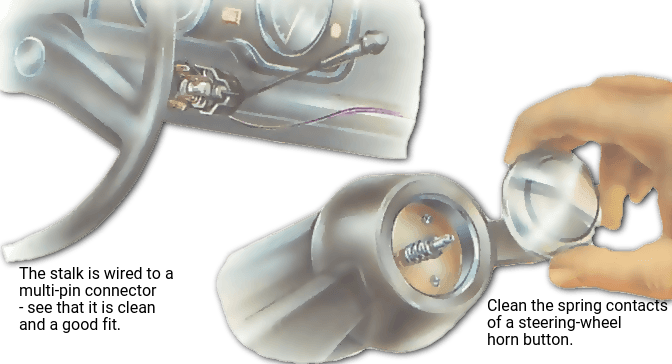
How a car horn works
A horn is a simple electrical device. Press the horn pad or button, and a circuit sends power from the battery through a fuse and relay to the horn unit. The relay lets a small switch control higher current to the horn so the button itself doesn't carry heavy load. A proper ground completes the circuit and makes the horn sound.
Key parts to know
- Horn button or pad inside the steering wheel
- Horn fuse located in the fuse box
- Horn relay that switches battery power
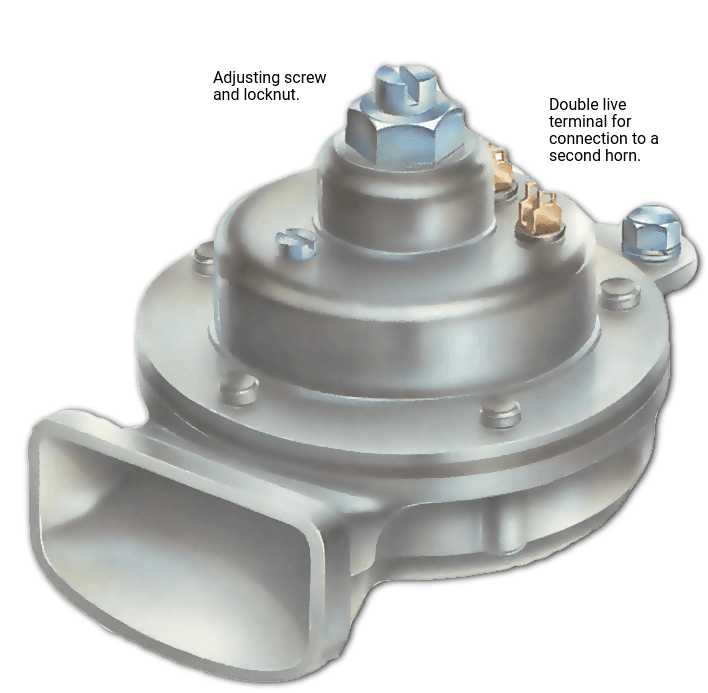
- Horn unit(s) mounted in the engine bay or behind the grille
- Wiring and ground connections

Common causes of car horn not working
A few issues cause a car horn not working. These are the most common, listed from easiest to check to hardest.
Most frequent reasons
- Blown horn fuse. Fuses fail when circuits overload.
- Bad horn relay. Relays stick or stop switching.
- Faulty horn switch. The steering wheel button can wear out.
- Broken wiring or corroded ground. Moisture and vibration break connections.
- Damaged horn unit. The horn element can burn out.
- Disconnected or weak battery. Low voltage can prevent operation.
- Vehicle-specific issues. Airbag wiring or steering column clockspring problems can disable the horn.

Step-by-step diagnosis: find why the car horn not working
Follow these checks in order. Keep sentences short and tools minimal: a multimeter, test light, and a jumper wire.
Safety first
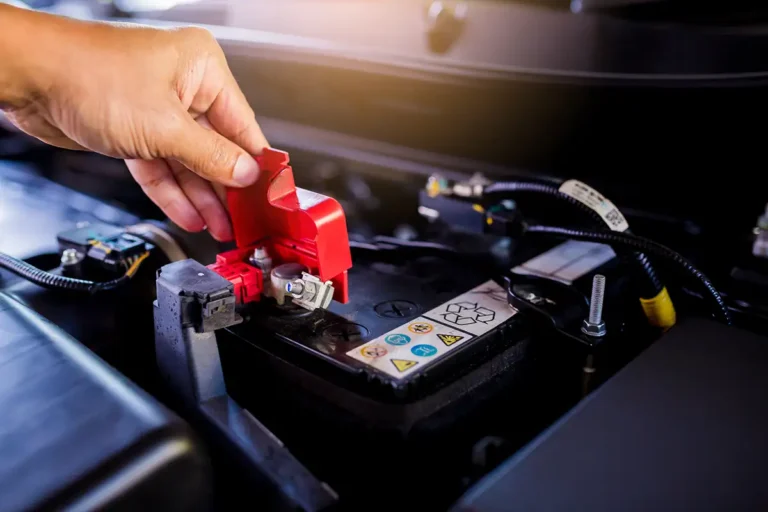
- Park the car, set the parking brake, and disconnect the battery when handling airbag or steering parts.
- Check the fuse
- Locate the fuse box and find the horn fuse. Inspect it visually.
- Replace the fuse with the same rating if blown. A blown fuse suggests a short or overloaded component.
- Test the horn relay
- Swap the horn relay with another identical relay in the fuse box (like the headlight relay).
- If the horn works after swapping, the relay is bad.
- Listen for relay click
- Have someone press the horn while you listen near the fuse box. A click means the relay and switch work.
- No click points to a bad relay, horn switch, or lack of voltage.
- Apply direct power to the horn
- Disconnect horn connector and briefly jump 12V directly to the horn terminal to see if it sounds.
- If the horn sounds, wiring or relay is the problem. If not, the horn unit needs replacement.
- Check wiring and ground
- Inspect horn wiring for corrosion or damage. Clean connections and tighten grounds.
- Use a multimeter to verify voltage at the horn when button is pressed.
- Inspect the horn button and clockspring
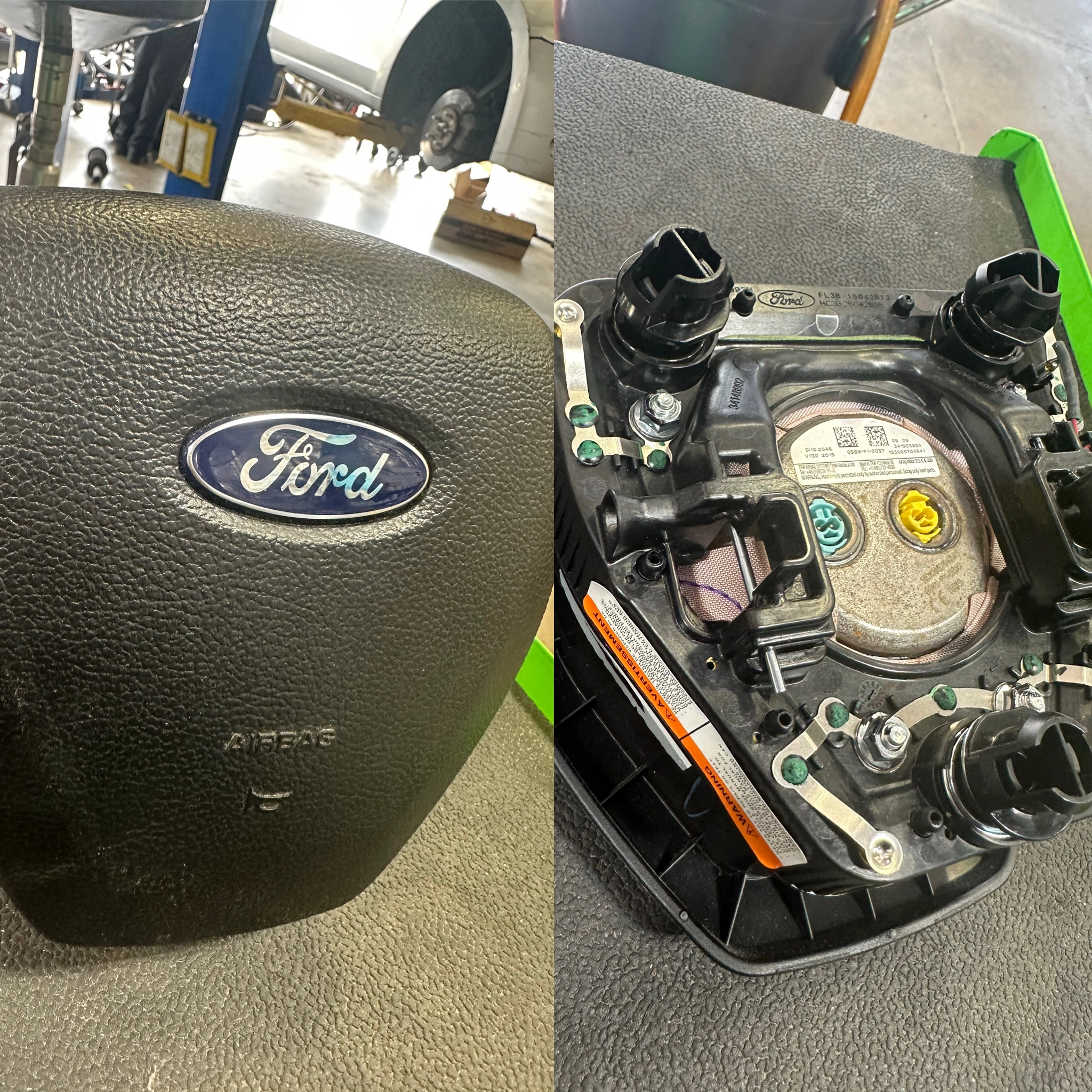
* If all else checks out, the steering wheel switch or clockspring can be faulty, especially after airbag service.
- These repairs may need professional service due to airbag safety.

DIY fixes and practical repair steps
These fixes help most homeowners fix a car horn not working. I recommend basic tools and safety.
Replace a blown fuse
- Turn off the car. Remove the old fuse and insert one with the same amp rating.
- If the new fuse blows quickly, stop—there's a short that needs diagnosis.
Swap a relay
- Find a matching relay in the fuse box. Swap it to test.
- Replace the relay if swapping makes the horn work.
Clean and tighten connectors
- Remove corrosion with electrical cleaner. Tighten terminals and reconnect.
- Apply dielectric grease to slow future corrosion.
Direct horn test and replace
- Use a jumper wire from battery positive to the horn terminal for a quick test.
- Replace the horn unit if it fails the direct power test. Most horns are inexpensive and simple to install.
Fix wiring and ground
- Repair broken wires with solder and heat-shrink tubing or use quality crimp connectors.
- Improve the ground by cleaning paint away and securing a short, solid ground strap.
Replace steering wheel switch or clockspring
- If the horn switch or clockspring is the problem, follow vehicle-specific guides and disconnect the battery for at least 10 minutes before working on airbags.
- Consider a professional for safety and correct reassembly.
Estimated costs and time
- Fuse: $1–$10, 5 minutes.
- Relay: $10–$40, 10–20 minutes.
- Horn unit: $20–$100, 20–60 minutes.
- Wiring repair: $10–$100+ depending on damage, 30–120 minutes.
- Clockspring/switch (shop): $150–$400+, 1–3 hours.
When to seek professional help
Some horn problems need shop tools or expertise. Call a pro when:
- Airbag or steering column work is needed. This is risky and requires training.
- The wiring fault is complex or hidden behind panels.
- You cannot find the relay or trace intermittent issues that fail unpredictably.
- Replacing the clockspring or diagnosing after a crash or airbag deployment.
Professionals can run circuit tests, use wiring diagrams, and ensure airbag safety. A certified technician prevents costly mistakes.

Prevention and maintenance tips to avoid car horn not working
Small checks prevent big headaches. Try these regular habits.
Simple maintenance
- Test the horn monthly. Press the horn and listen for a clean sound.
- Keep horn terminals clean and dry. Use dielectric grease on connectors.
- Check fuses during routine service.
- Avoid pressure washing the grille area. Water can corrode horns.
- When replacing parts, use OEM or quality aftermarket components.
Personal experience: lessons from real fixes
I once repaired a classic car where the car horn not working seemed impossible to trace. The fuse was fine. The relay clicked. The horn sounded with direct power. The issue was a corroded ground hidden under a rusted bracket. A five-minute clean fixed it.
What I learned
- Start simple. Test fuse and relay first.
- Intermittent issues often mean poor ground or loose connector.
- Avoid replacing parts until you test them. I’ve wasted time swapping perfect horns.
Tip: Keep a small electrical kit in your trunk — fuses, a relay, and a few connectors have saved me on trips.

Related topics and things to know
Quick definitions and context to understand the car horn not working issue.
Horn types
- Electromechanical horns produce sound via a diaphragm and coil. They are common and loud.
- Electronic horns use tone generators and amplifiers; they are compact and used in some modern cars.
Safety and legal notes
- A working horn is a safety device required by law in many areas.
- Loud aftermarket horns may not be legal in some jurisdictions.
Upgrades and replacement choices
- OEM horns match factory fit and tone.
- Dual-horn kits give more volume and richer tone for older cars.
Frequently Asked Questions of car horn not working
Why is my car horn not working after replacing the battery?
A battery replacement can disturb a ground or connector, or a module may need a reset. Check fuse, relay, and wiring connections, and tighten battery terminals.
Can a blown fuse indicate a bigger problem with my horn?
Yes. A single blown fuse can mean a short circuit or a failing horn drawing excess current. Diagnose wiring and the horn unit before repeated fuse replacement.
Will replacing the horn relay fix a horn that clicks but doesn't sound?
If you hear the relay click but the horn is silent, the relay may still be faulty or the wiring to the horn is broken. Test voltage at the horn while pressing the button to confirm.
Is it safe to test the horn by applying direct battery power?
Yes, if you take care. Use a short jumper and brief contact to avoid damage. Wear eye protection and keep hands clear of moving parts in the engine bay.
Why does the horn work sometimes and not other times?
Intermittent operation points to loose wiring, a bad ground, a failing relay, or an aging horn unit. Vibration can make poor contacts fail under stress.
Conclusion
A car horn not working is usually fixable with a few tests: check the fuse, swap the relay, test the horn directly, and inspect wiring and ground. Start with the simple steps and move to deeper diagnostics only when needed. If airbag or steering column parts are involved, get professional help for safety. Try the fixes, keep a basic electrical kit in your car, and make horn checks part of your routine. If this guide helped you, leave a comment, share your experience, or subscribe for more practical car repair tips.