Automatic tire inflation systems sense low pressure and add air automatically to keep tires at set PSI.
I have designed, tested, and maintained tire inflation systems for fleets and off-road rigs. This article explains how do automatic tire inflation systems work, why they matter, and how to choose, install, and maintain them. Read on for clear, practical steps, real-world tips, and the technical detail you need to make smart decisions about tire inflation systems.

What is an automatic tire inflation system?
An automatic tire inflation system is a set of hardware and controls that keeps tire pressure within a target range without manual pumping. The system senses pressure loss and delivers measured air to tires. It protects tires, saves fuel, and improves safety by avoiding underinflation.
Why this matters
- Underinflated tires wear faster, increase fuel use, and raise blowout risk.
- Fleets and heavy equipment see the biggest gains from continuous pressure control.
- Knowing how do automatic tire inflation systems work helps you pick the right system.
Key components and how they work
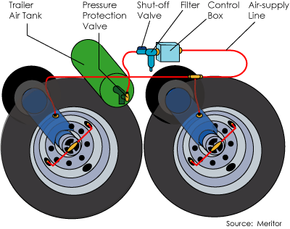
The main parts work together in a simple loop. Here is how do automatic tire inflation systems work step-by-step.
Core components
- Pressure sensors
- Monitor tire pressure at each wheel or via a central manifold.
- Air supply
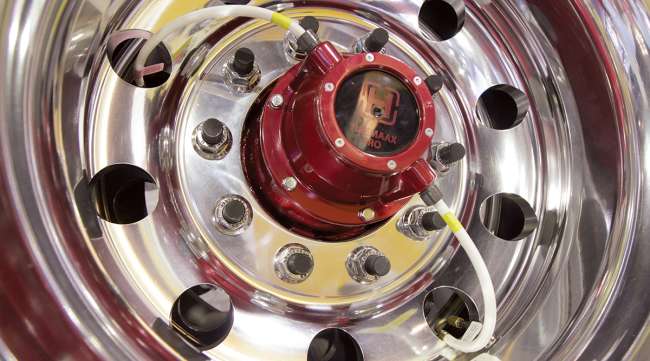
- Onboard compressor or a connection to vehicle air. Provides the air needed.
- Valves and manifolds
- Route air to specific tires and isolate lines.
- Control unit
- Reads sensors and opens valves to add air when needed.
- Check valves and auto-shutoffs
- Prevent reverse leakage and over-inflation.
Operational flow
- Sensors read each tire pressure.
- The control unit compares readings to the target PSI.
- If a tire is low, the controller activates a valve.
- Air flows from the compressor or reservoir into that tire.
- The controller stops air when target pressure is reached.
How do automatic tire inflation systems work with leaks
- Systems constantly top up small losses.
- They can alert drivers to persistent leaks so repairs are made early.

Types and configurations
There are a few common setups. Knowing these helps match a system to your vehicle.
Onboard continuous systems
- Run while the vehicle is moving.
- Best for long-haul trucks, trailers, and heavy equipment.
Central Tire Inflation Systems (CTIS)
- Often used in military and off-road vehicles.
- Allow adjustment for terrain, like lowering pressure for sand.
Passive or single-shot systems
- Inflate tires once when connected, then disconnect.
- Simpler and lower cost, used for trailers or seasonal checks.
Integrated TPMS solutions
- Combine automatic inflation with tire pressure monitoring systems.
- Provide alerts and telematics integration for fleets.
How do automatic tire inflation systems work across types
- The principle is the same: measure, compare, and add air.
- Differences are in timing, control sophistication, and air source.
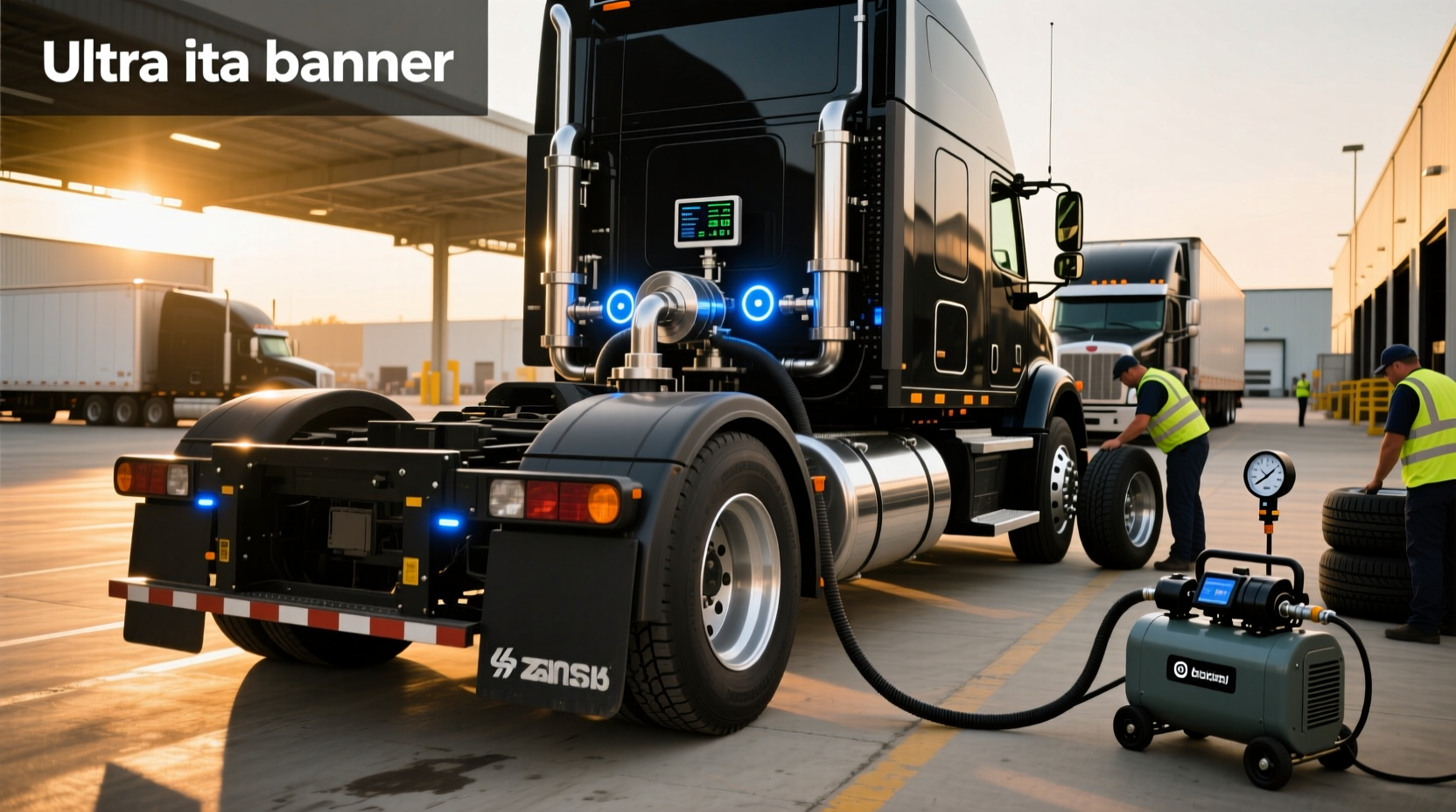
Benefits and measurable impacts
Automatic tire inflation systems give clear, measurable returns.
Improved tire life
- Proper pressure reduces tread wear and sidewall stress.
- Fleets often extend tire life by 10–30%.
Better fuel economy
- One to several percent fuel savings from correct pressure.
- Savings compound across many miles and many vehicles.
Safety and handling
- More predictable braking and cornering.
- Lower blowout rates and fewer roadside failures.
Operational gains for fleets
- Less downtime for tire repairs.
- Remote status via telematics reduces inspections.
How do automatic tire inflation systems work to save money
- They reduce unplanned tire changes and prevent damage.
- For high-mileage vehicles, ROI is often within a year.
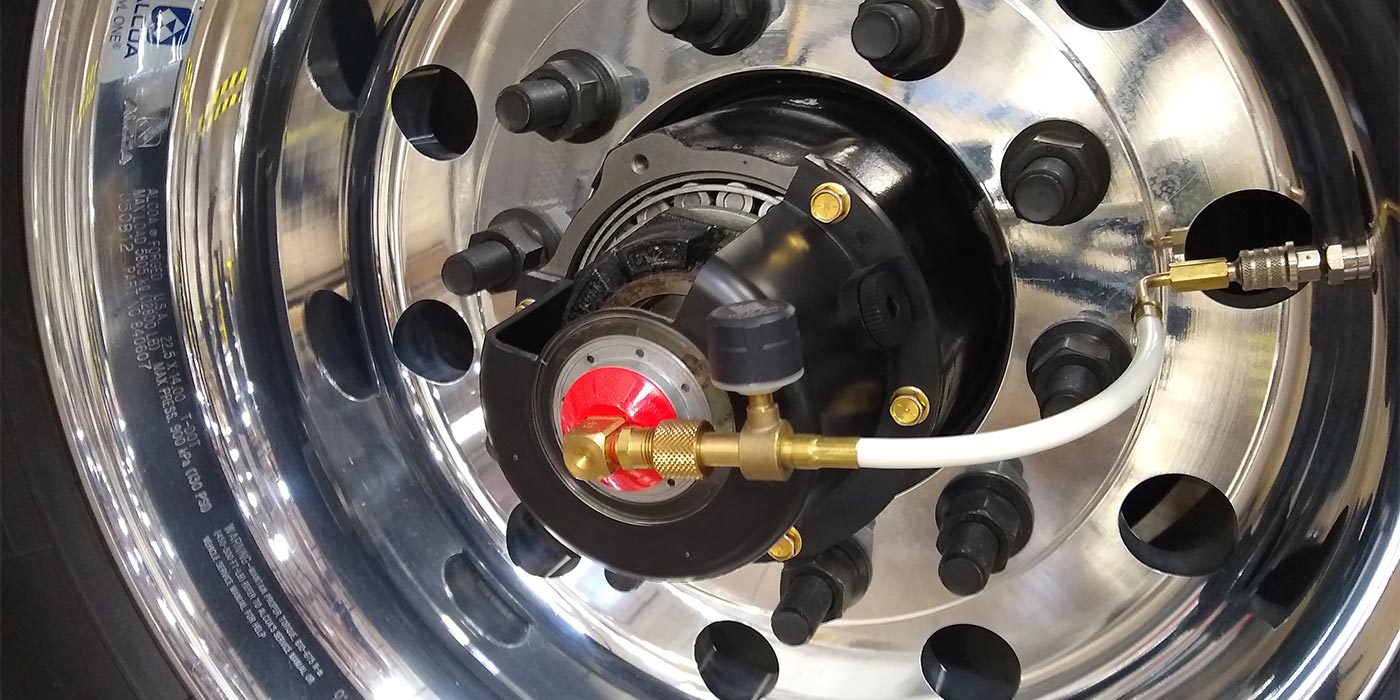
Limitations, common issues, and troubleshooting
No system is perfect. Knowing the limits helps you manage them.
Common failure modes
- Contamination from water or oil can clog valves.
- Damaged hoses can cause leaks.
- Faulty sensors give false readings.
Maintenance needs
- Regular checks for leaks and contamination.
- Replace filters and check valves per manufacturer schedule.
Troubleshooting steps
- Check compressor output and air lines first.
- Isolate the wheel to see if the valve or sensor is at fault.
- Log pressure trends to spot slow leaks.
How do automatic tire inflation systems work when they fail
- Many systems default to an alert and keep operating if possible.
- For severe failures, manual monitoring must replace the automated function until fixed.
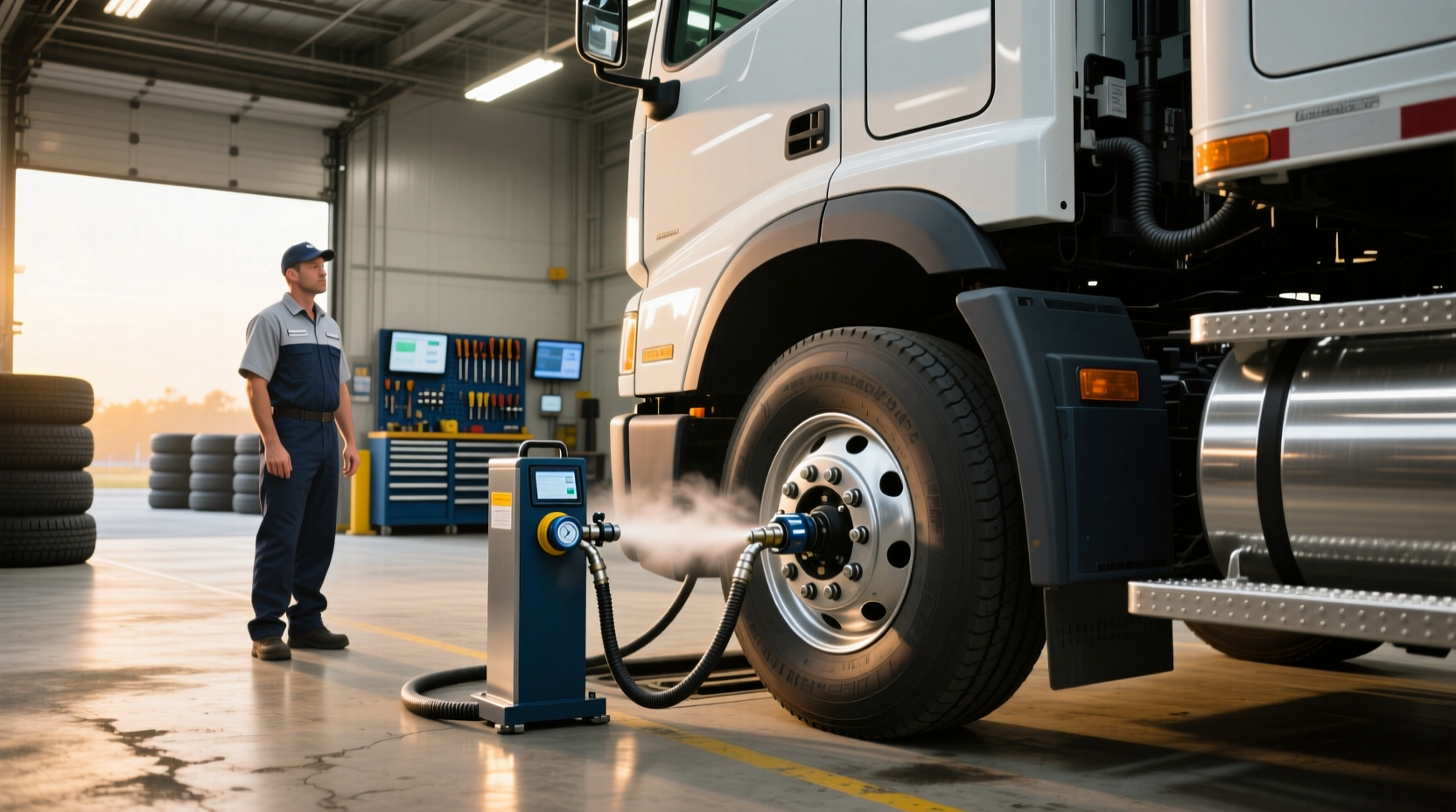
Installation, retrofitting, and cost considerations
Installing the right system pays off, but plan carefully.
Installation types
- OEM fit: Built into the vehicle by the manufacturer.
- Aftermarket retrofit: Added to existing vehicles.
Key installation points
- Proper mounting for compressors and manifolds.
- Routing air lines away from heat and abrasion points.
- Calibration of target PSI for loaded and unloaded states.
Cost factors
- System complexity: Simple one-shot systems are cheaper.
- Air source: Dedicated compressor adds cost but improves reliability.
- Fleet telematics integration increases upfront price but raises value.
Typical cost ranges
- Basic retrofit kits: lower cost, for small fleets or trailers.
- Full CTIS and telematics: higher cost, best for heavy trucks and off-road rigs.
How do automatic tire inflation systems work in retrofits
- Retrofitting usually involves adding valves, lines, a compressor, and the control unit.
- Proper installation is essential to avoid new leak points.
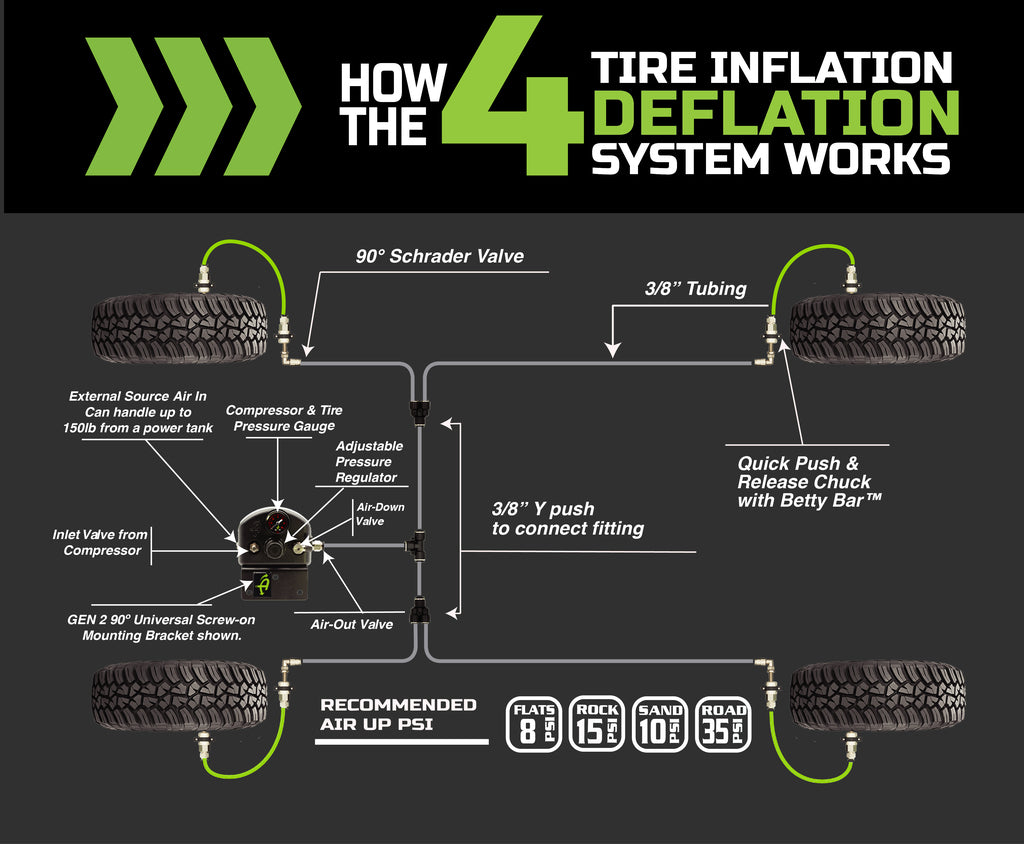
Integrating with TPMS and fleet management
Pairing inflation systems with monitoring improves outcomes.
Data and alerts
- TPMS provides pressure and temperature readings.
- Inflation systems can use this data to act or report.
Telematics benefits
- Remote alerts let maintenance act before failures.
- Fleet managers track trends and control systems centrally.
Security and controls
- Secure communications are needed for remote management.
- Access controls prevent unauthorized pressure changes.
How do automatic tire inflation systems work with telematics
- The controller shares pressure data and system status.
- Fleet software displays trends and triggers service tickets.
Practical tips from my experience
I’ve installed systems on heavy trucks and tested them on mixed terrain. Here are plain, useful tips.
What I learned
- Clean, dry air is crucial. Moisture kills valves fast.
- Route lines with extra slack near joints to prevent stress failures.
- Use quick-connect fittings only where they will be checked regularly.
Mistakes to avoid
- Don’t skimp on valve quality; cheap valves leak sooner.
- Avoid routing lines near exhausts or moving parts.
- Don’t set the target PSI based only on unloaded weight.
Quick setup checklist
- Verify compressor flow rate and pressure.
- Calibrate sensors after installation.
- Run a full road test at loaded and unloaded states.
How do automatic tire inflation systems work best in field use
- They work best when combined with regular visual inspections and telematics alerts.
- Treat the system as part of tire care, not a complete replacement for inspections.

Frequently Asked Questions of how do automatic tire inflation systems work
How quickly do automatic systems detect low pressure?
Most systems detect pressure changes within minutes. Continuous systems notice drops faster than single-shot setups.
Can these systems overinflate a tire?
Good systems have pressure cutoffs and check valves. Overinflation is rare if the controller and sensors are working correctly.
Are automatic inflation systems compatible with all tires?
They are compatible with most pneumatic tires, but fitment depends on wheel and valve types. Always confirm compatibility for specialty rims.
Do these systems help with tire temperature management?
Indirectly. Proper pressure limits excess flexing, which reduces heat buildup. They do not actively cool tires.
How much maintenance do they need?
Expect periodic filter and valve checks every 6–12 months for fleet use. More frequent checks are needed in dirty, wet, or off-road conditions.
Can I retrofit a passenger car?
Yes, but it’s less common and often not cost-effective. Most retrofits target trailers, trucks, and heavy equipment.
Will an automatic system find slow leaks?
Yes, systems that log pressure trends can highlight slow leaks. Persistent drops trigger alerts or maintenance checks.
Is a compressor required on every system?
Not always. Some systems use stored air or connect to existing vehicle air systems. Onboard compressors give the most flexibility.
Are they safe for high-speed driving?
Yes. Properly maintained systems maintain safe pressure for high-speed use and reduce blowout risk.
Do they replace TPMS?
No. They complement TPMS by adding air. TPMS remains important for real-time alerts and safety.
Conclusion
Automatic tire inflation systems keep tires at the right pressure by sensing lows and adding air as needed. They save fuel, extend tire life, and reduce downtime when properly selected and maintained. If you manage vehicles, consider one for safety and savings. Start by assessing your fleet needs, plan proper installation, and commit to simple maintenance routines. Try a pilot install on one vehicle or trailer, monitor results, and scale up if the ROI makes sense. Share your experiences below or subscribe for more guides on fleet efficiency and safety.