Bottles often don't fit cup holders because of mismatched diameter, shape, or design conflicts.
I’ve measured bottles, tested cup holders in many cars, and helped friends fix this exact problem. This article explains why does my water bottle not fit in the cup holder, what causes the mismatch, and practical fixes you can try today. You’ll get clear steps for measuring, simple DIY solutions, and buying tips so your bottle fits securely each time.

Common reasons your water bottle won’t fit in the cup holder
Most mismatches come down to size, shape, or holder design. Many modern water bottles are wider at the base or have unusual curves. Cars and strollers often use a one-size-fits-most cup holder that favors slimmer bottles. Also, some holders include clips, rubber grips, or electronic components that reduce usable space. Finally, aftermarket cup holders and new insulated bottles both changed the fit landscape.
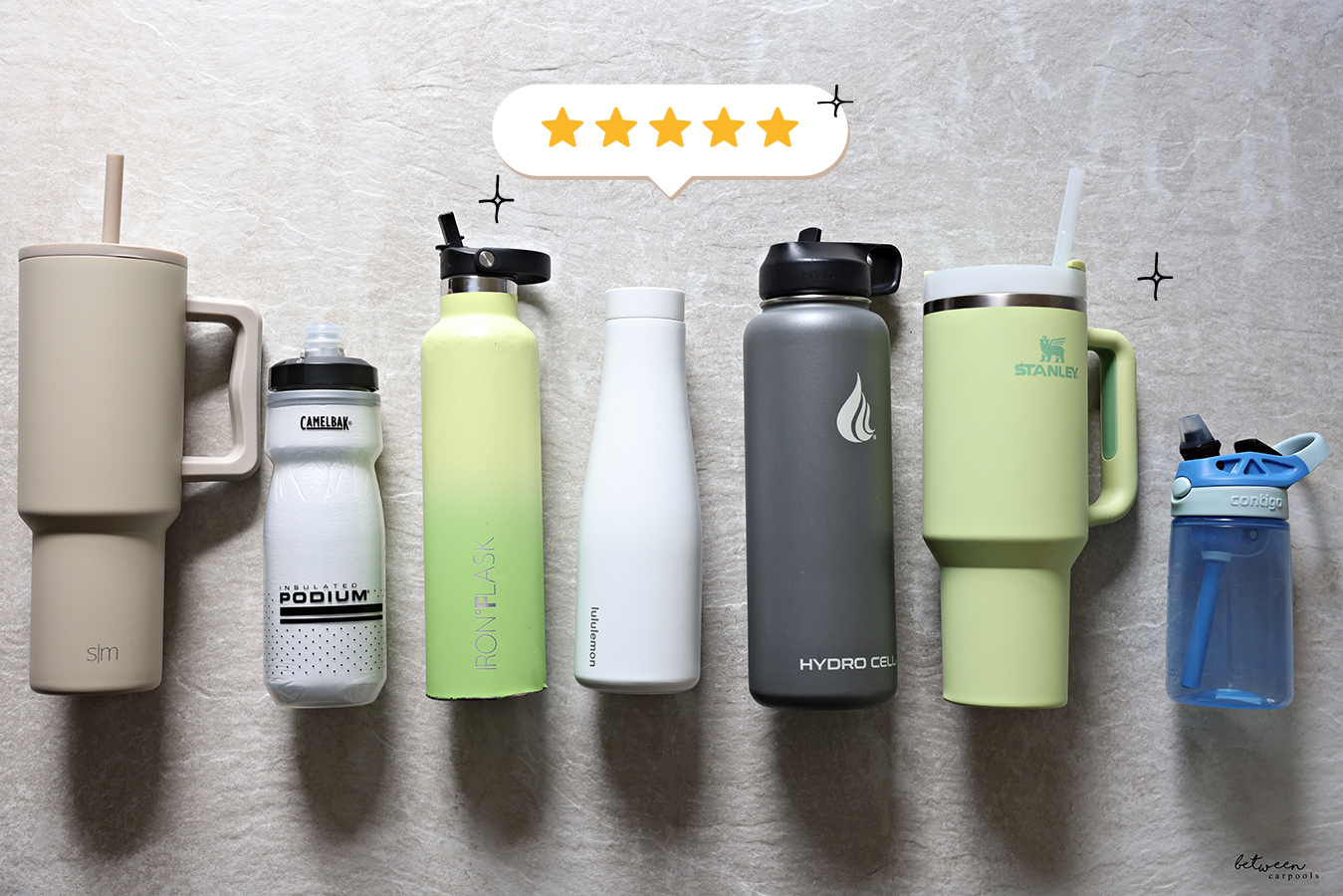
Size mismatch: diameter and clearance
A bottle’s widest point can be larger than the holder’s inner diameter. Manufacturers list bottle capacity, not width. That leads to surprises when a 32-ounce bottle is bulky but the holder is narrow.
Shape and taper issues
Many bottles taper at the waist or flare at the bottom. Tapered bottoms can slip or get stuck. Flared bases sit on the rim and won’t drop in, so shape matters as much as size.
Material and insulation
Double-walled insulated bottles are thicker. Thicker walls mean larger outer diameters for the same volume. Plastic bottles can flex and squeeze into holders. Rigid metal or glass bottles cannot.
Vehicle and holder designs
Cup holders in cars differ widely by make and model. Some are recessed, some have adjustable arms, some share space with consoles or electronics. Older cars and new cars don’t use the same standard.

How to measure so you know why it won’t fit
Measuring first saves time and money. Here’s how I measure and how you can too.
- Measure the bottle at its widest point using a tape measure. Note inches or millimeters.
- Measure the cup holder inner diameter at the top and the bottom. Some holders narrow or widen.
- Check depth: a shallow holder may let a tall bottle tip.
- Compare numbers: if bottle diameter is larger than holder diameter, it won’t fit.
These quick checks answer many versions of why does my water bottle not fit in the cup holder. In my testing, mismatches over 0.25 inches usually block insertion.
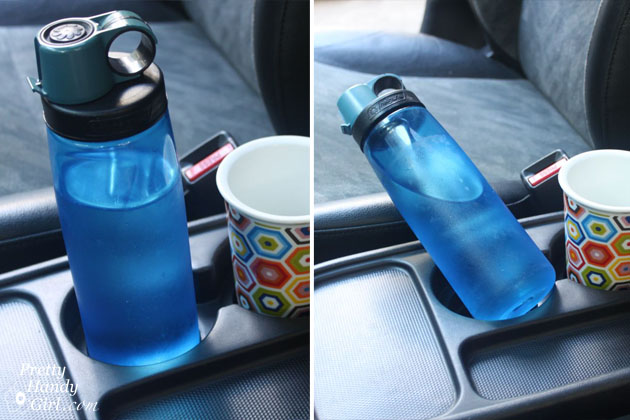
Practical solutions and quick fixes
If you know why does my water bottle not fit in the cup holder, you can try several easy fixes.
- Use a slim sleeve or silicone adapter to reduce diameter. These grip and compress soft plastic bottles.
- Add a removable foam or rubber ring to the base to stabilize and protect both bottle and holder.
- Swap the bottle for one with a narrower base if portability matters most.
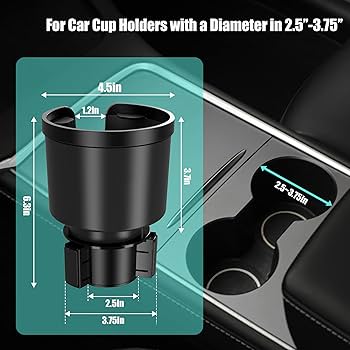
- Use an aftermarket cup holder insert or adjustable adapter for larger bottles.
- If tipping is the issue, add weight to the bottom or choose a lower center of gravity bottle.
I once drove with a 40-ounce insulated bottle that wouldn’t fit. I used a silicone adapter and it held perfectly for months. Small investments like this avoid scratches and spills.
Long-term options: choosing the right bottle or holder
If you face this often, consider long-term changes.
- Choose bottles with standardized bases. Many travel bottles list base diameter in specs.
- Look for car-friendly bottles marked “fits most cup holders.”
- Install universal cup holder extenders or adapters in your car or stroller.
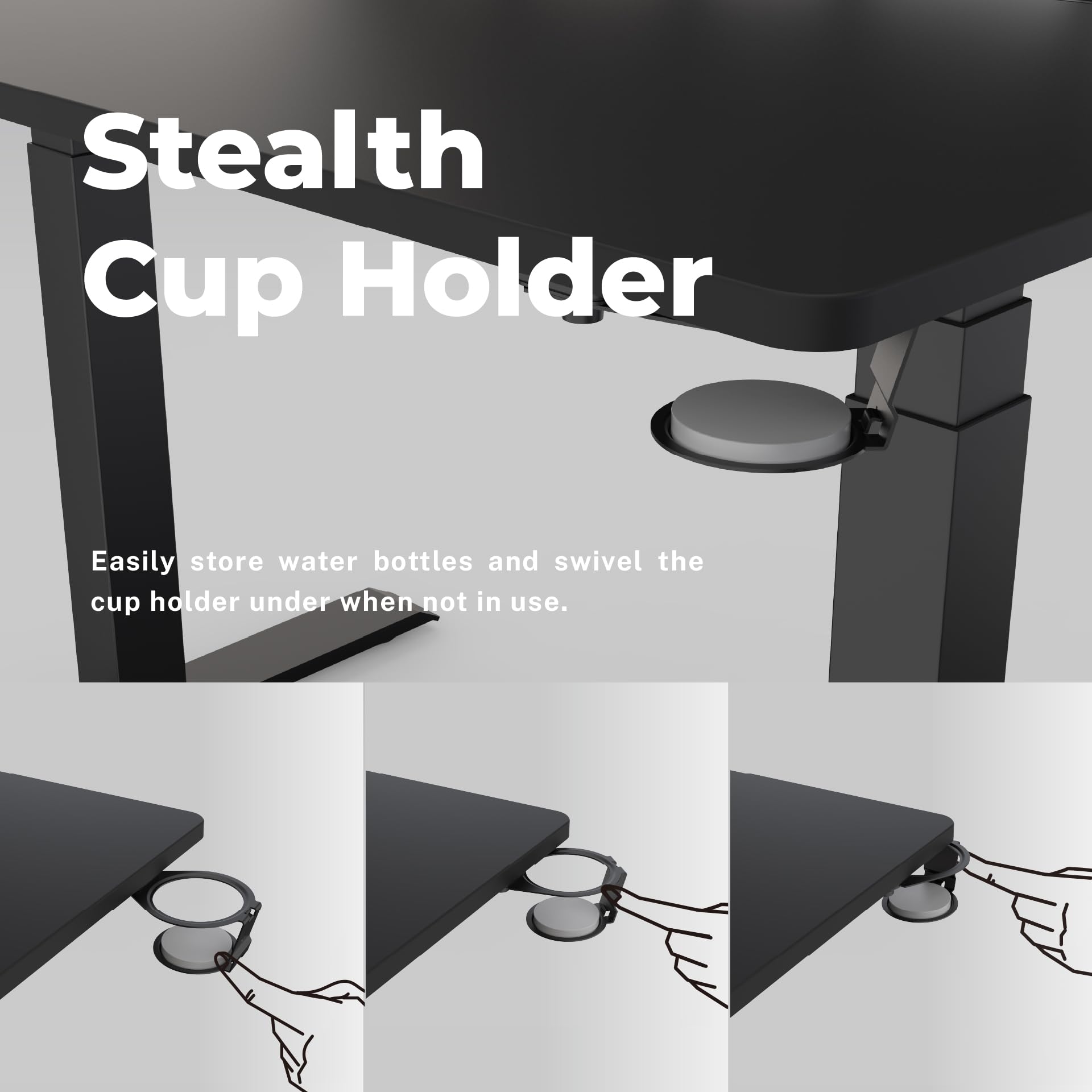
- For office desks or bikes, buy mounts designed for that bottle type.
When deciding, remember the trade-offs: slimmer bottles may hold less liquid or be less insulated. Weigh what matters most—capacity, temperature retention, or fit.
Design trade-offs and what manufacturers often overlook
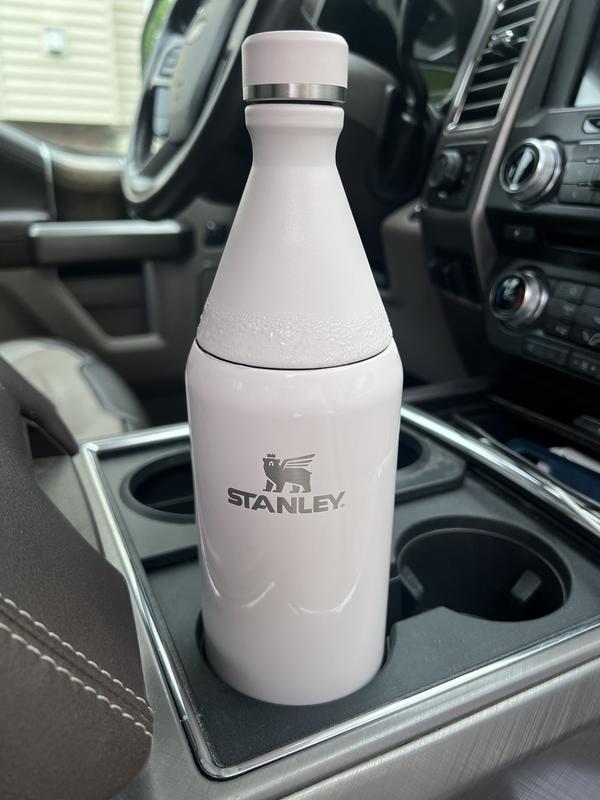
Manufacturers must balance capacity, insulation, handle ergonomics, and looks. This leads to designs that prioritize one feature at the cost of cup-holder compatibility. Automobile designers also prioritize center console layout and ergonomics, not bottle fit. That mismatch between industries explains why does my water bottle not fit in the cup holder so often. Knowing this helps set realistic expectations when you buy either a bottle or a vehicle.

My experience and lessons learned
Over years of testing bottles in cars, strollers, and bike cages, I learned a few practical rules.
- Always carry a slim backup bottle for travel. It saves time on the road.
- Measure before you buy if fit matters. Specs avoid returns.
- Use simple adapters rather than permanent mods to avoid damage to either bottle or holder.
One mistake I made was forcing a glass bottle into a shallow holder. It cracked the bottle base. From then on, I measure first and use protective inserts.

Frequently Asked Questions of Why does my water bottle not fit in the cup holder
Why does my water bottle not fit in the cup holder even though it’s labeled “fits most”?
“Fits most” is a marketing term based on common standards. Variations in bottle width, holder depth, or added handles can still cause mismatch, so measure before relying on the label.
Can I force a bottle into a tight cup holder safely?
Forcing a bottle risks cracking the bottle or damaging the holder. Try a flexible adapter or select a different bottle instead of forcing a tight fit.
Will a silicone sleeve help if my bottle is too thin or too wide?
A silicone sleeve can reduce size slightly for flexible bottles and add grip for loose fits. It won’t compress rigid metal or glass bottles by much.
Are there universal cup holder adapters that work for all bottles?
There are adjustable adapters that fit many bottle shapes, but no adapter is truly universal. Check specs and read reviews for your bottle type.
How do I find bottles that fit my car’s cup holders?
Measure your cup holder diameter and depth, then compare with bottle specifications. Look for bottles that list base diameter or are marketed as “car cup holder compatible.”
Conclusion
Understanding why does my water bottle not fit in the cup holder comes down to size, shape, material, and holder design. Measure before you buy, use simple adapters for a quick fix, and pick bottles with compatible bases for long-term convenience. Try a sleeve or adapter first; small changes often solve the issue without extra cost. If you found these tips helpful, try measuring your bottle and holder now, share your results in the comments, or subscribe for more practical gear tips and product tests.