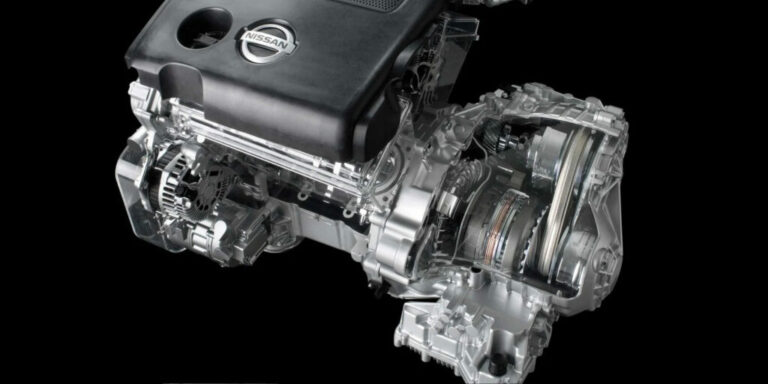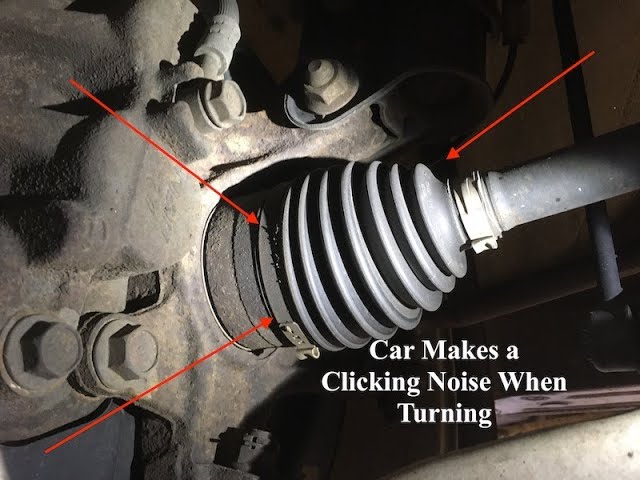
A common cause is fuel, ignition, or transmission hiccups that create misfires at low throttle.
I’ve worked on cars for years and I’ll walk you through why does my car jerk when accelerating slowly, how to find the root cause, and practical fixes you can try or request from a mechanic. This guide mixes hands-on tips, simple diagnostics, and real-world examples so you can feel confident diagnosing and solving slow-acceleration jerking right away.
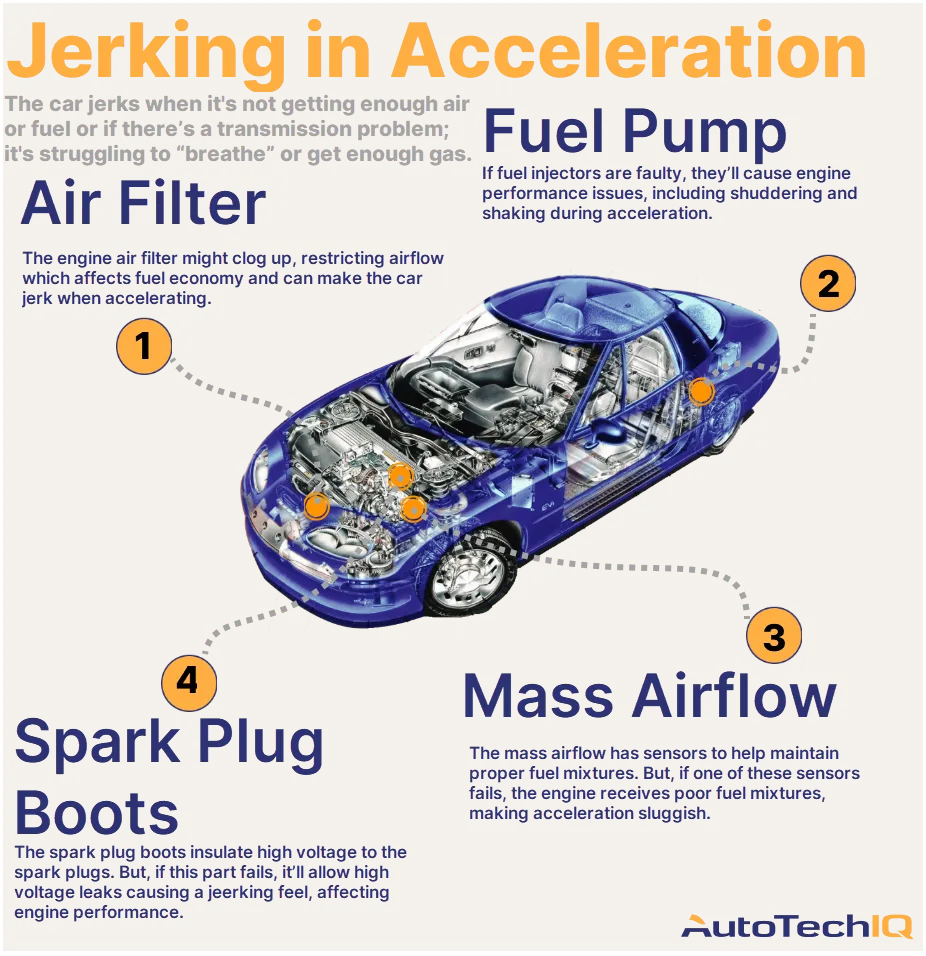
Common causes of why does my car jerk when accelerating slowly
Below are the usual culprits that make a car jerk when you accelerate slowly. Each cause affects how smoothly the engine sends power to the wheels.
- Fuel delivery problems can starve the engine and cause jerks when you press the gas.
- Ignition issues like worn spark plugs or bad coils produce misfires at low throttle.
- Dirty or failing mass air flow or throttle body sensors confuse the ECU and make throttle response uneven.
- Clogged fuel filter or weak fuel pump reduce fuel pressure and cause stuttering under light acceleration.
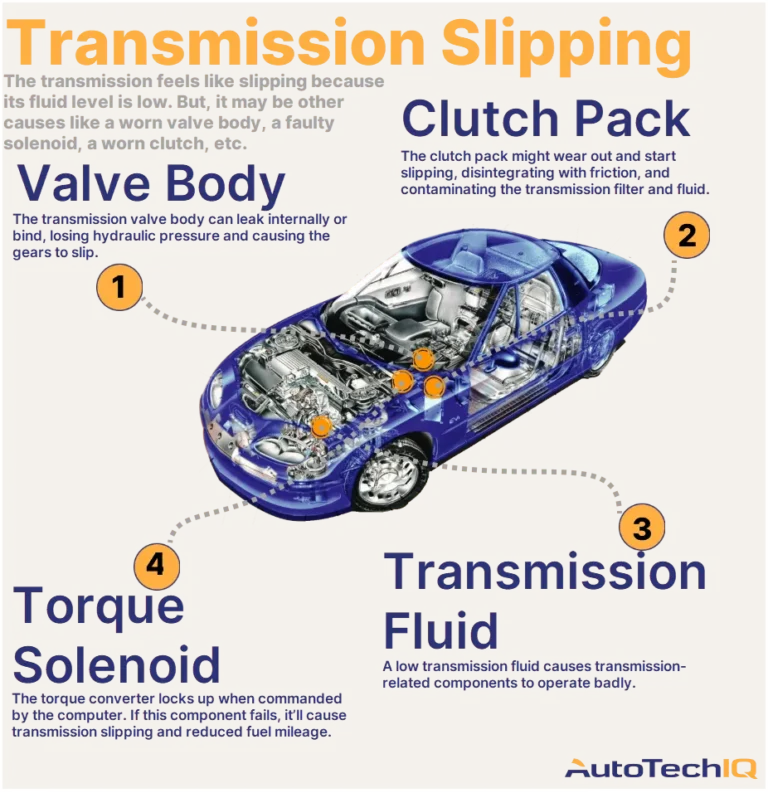
- Transmission or torque converter issues create surges or jerks when the engine load changes slowly.
- Vacuum leaks and intake gasket problems upset the air-fuel mix and cause hesitation or jerking.
- Bad engine mounts let the engine move and feel like a jerk when torque changes slowly.
I’ve seen cars with the same symptom that had very different causes. Once, a customer’s slow-acceleration jerk turned out to be a dirty throttle body, not a transmission issue. Small fixes often save big repair bills.

How to diagnose why does my car jerk when accelerating slowly
Diagnosing the issue step by step saves time and money. Start with the simple checks and move to the complex ones.
- Check engine light: Scan for codes first. Codes point you toward ignition, fuel, or sensor faults.
- Fuel basics: Listen for the fuel pump prime at key-on. Weak pressure often causes jerking at low throttle.
- Spark check: Inspect spark plugs and wires. Replace plugs if they’re fouled or worn.
- Air intake: Look for loose or cracked vacuum hoses and check the throttle body for carbon buildup.
- Sensor tests: Mass air flow and throttle position sensors often cause hesitation when dirty or failing.
- Simple road test: Try the same acceleration on flat ground and uphill. Transmission problems often worsen under load.
- Mounts and transmission: Visually inspect engine mounts and check transmission fluid level and smell for burnt odor.
From my shop experience, scanning codes and checking plugs solved about half the slow-acceleration jerk calls. If you are not comfortable doing these checks, a technician can run them quickly.

Fixes and expected costs for why does my car jerk when accelerating slowly
Here are common repairs and rough cost ranges. Prices vary by car model and region.
- Replace spark plugs and ignition coils: Often $100–$400 depending on parts and labor.
- Clean throttle body and MAF sensor: Usually $50–$200 for parts and shop time.
- Replace fuel filter or test fuel pump: Fuel filter $30–$150; pump $200–$800.
- Fix vacuum leaks: Tightening or replacing hoses $20–$150.
- Transmission service or torque converter repair: Minor service $150–$300; major repairs $1,000+.
- Replace engine mounts: $150–$500 depending on vehicle and mount count.
Tip from the bay: always start with the cheapest, likely fixes first. Changing spark plugs and cleaning sensors often cures the jerking and avoids unnecessary transmission work.

Maintenance tips to prevent why does my car jerk when accelerating slowly
Routine maintenance cuts down the chance of jerking and keeps the car smooth.
- Follow the owner’s service schedule for spark plugs, filters, and fluids.
- Use quality fuel and add a periodic fuel-system cleaner if recommended.
- Keep the air intake and throttle body clean. A quick clean every 30k miles helps.
- Replace ignition parts on schedule to avoid sudden misfires.
- Check transmission fluid at intervals and address leaks early.
- Inspect engine mounts during major services and replace if cracked.
Regular small steps prevent large issues. I once prevented a costly transmission job by catching a failing fuel pump early during routine maintenance.

When to consult a mechanic about why does my car jerk when accelerating slowly
Know when it’s a DIY job and when to call a pro.
- Call a mechanic if the check engine light is on and codes point to complex systems.
- Seek professional help for transmission symptoms like slipping or shuddering under load.
- Get the car diagnosed if jerking is paired with loss of power or unusual smells.
- If simple fixes don’t stop the jerk, a shop can run pressure tests and deeper diagnostics.
A certified technician has tools to read live data and test fuel and ignition systems accurately. Don’t delay when safety could be affected.
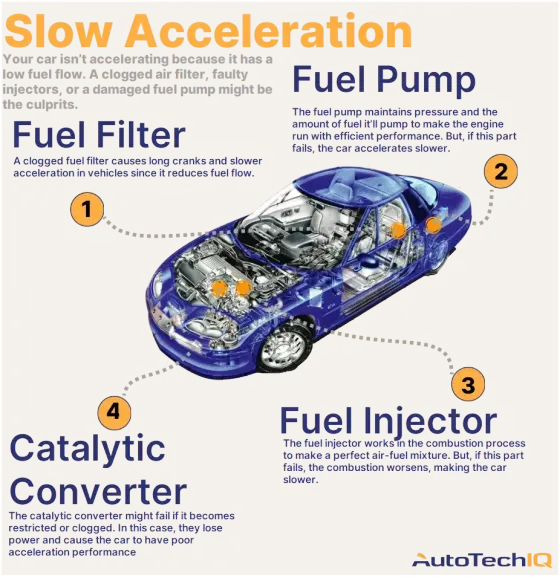
Frequently Asked Questions of why does my car jerk when accelerating slowly
What are the first things I should check if my car jerks when accelerating slowly?
Check the check engine light, spark plugs, and air intake for dirt or leaks. A quick scan for fault codes is the most helpful first step.
Can bad gas cause my car to jerk during slow acceleration?
Yes. Contaminated or low-grade fuel can cause misfires and hesitation, especially at light throttle. Try filling at a different station and see if behavior improves.
Will a dirty MAF or throttle body make my car jerk when accelerating slowly?
Yes. Dirt on these parts confuses the engine computer and causes uneven throttle response. Cleaning them often fixes the issue.
Could the transmission cause jerking only at slow acceleration?
Yes. Transmission issues, torque converter faults, and low fluid can create jerks when the engine load changes slowly. Have the fluid level and condition checked.
Is it safe to keep driving if my car jerks when I accelerate slowly?
Short trips might be okay, but if the jerking comes with loss of power, stalls, or strange noises, stop driving and get it checked to avoid damage or unsafe situations.
Conclusion
Slow-acceleration jerking is a common symptom with many causes. Start with simple checks like scanning for codes, inspecting spark plugs, and cleaning sensors. Prioritize low-cost fixes and keep up with maintenance to prevent recurrence. If the problem persists or involves the transmission, consult a qualified mechanic for a full diagnosis.
Take action today: run a quick code scan or book a basic tune-up. Share your experience or ask a question below to get tailored advice.