A whining noise when accelerating often points to transmission, turbo, or bearing issues needing quick attention.
I’ve spent years working on cars and listening to odd noises that owners ignore. This guide walks you through what a whining noise when accelerating can mean, how to diagnose it, and what fixes are likely. I’ll share practical steps, real-world examples, and clear next actions so you can decide whether it’s a simple DIY fix or a shop job.
Why you hear a whining noise when accelerating
A whining noise when accelerating usually changes with engine RPM or road speed. That link to throttle and speed helps narrow causes quickly. Common reasons include drivetrain parts, boost systems, and accessory components. I’ll explain each in plain terms so you can find the likely source faster.

Most common sources of a whining noise when accelerating
Below are the frequent culprits. I list them from most to least common based on experience.
- Transmission problems
Most automatic transmissions make a whining sound when fluid is low or the pump is failing. The pitch often rises with RPM. - Turbocharger or supercharger
Boost systems can whine loudly when bearings wear or when intake leaks change airflow. The sound often has a high-pitched, whistling edge. - Differential or transfer case
A worn pinion gear or low gear oil makes a whine that changes with vehicle speed rather than engine RPM. - Wheel bearings and CV joints
Bad wheel bearings can scream or whine under load while turning or accelerating. CV joints usually click but can produce a whining spin noise. - Power steering pump
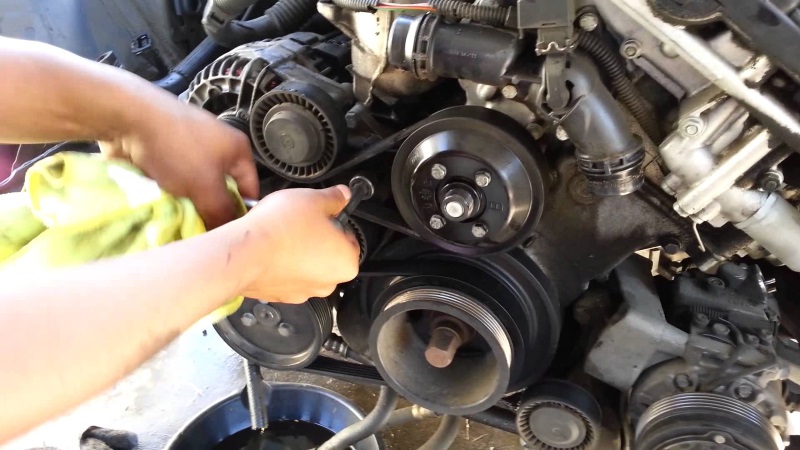
A failing pump or low power steering fluid can produce a whining that rises as you steer and accelerate. - Alternator or accessory pulley
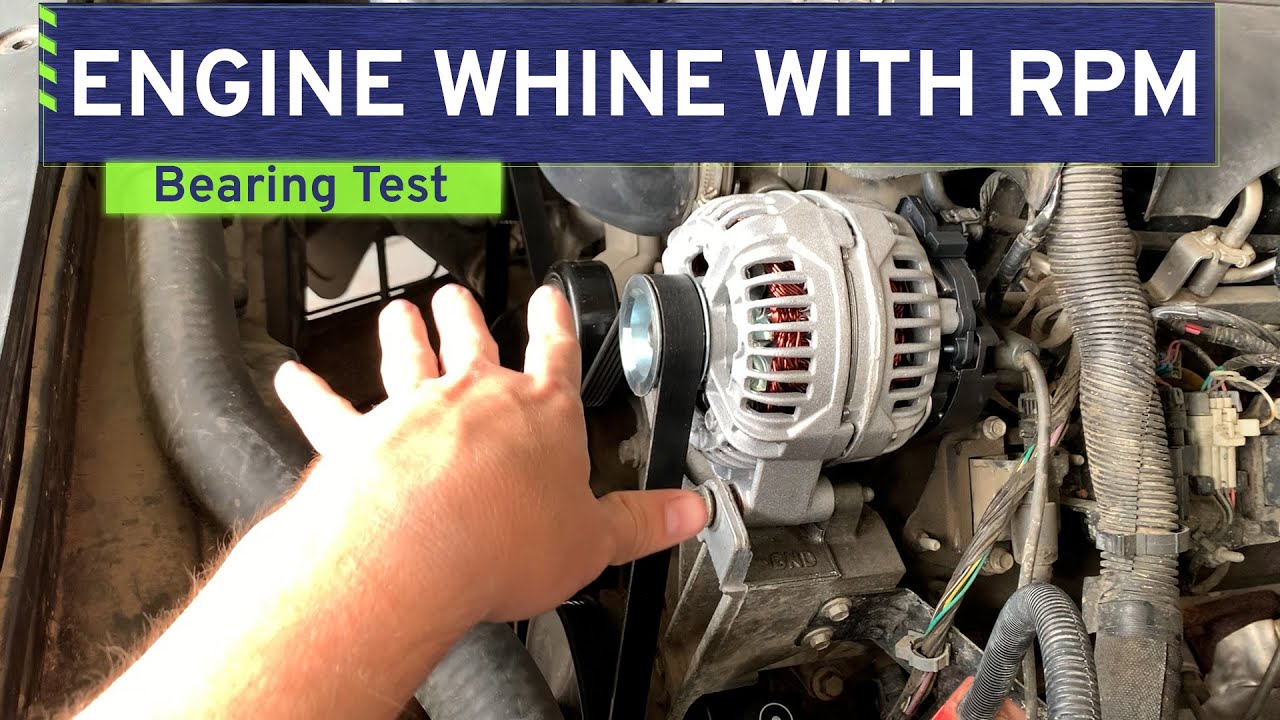
Worn bearings or a slipping belt can make a whining or whining-squeal combination when load changes. - Electric motors and inverters (EVs and hybrids)
Electric drivetrains can give a high frequency whine as motors or inverters change speed under acceleration.

How to diagnose a whining noise when accelerating
Diagnosing is methodical. Use steps below to isolate the source safely.
- Recreate the sound
- Drive at different speeds and note when the whining appears.
- Compare sound at steady throttle versus accelerating.
- Identify whether sound follows engine RPM or wheel speed
- If it varies with engine RPM in neutral, suspect engine or transmission.
- If it follows road speed in gear and not in neutral, suspect differential or wheel area.
- Check when it happens
- Under heavy load (hill or full throttle) points to transmission, turbo, or differential.
- During light acceleration points to accessories or intake leaks.
- A mechanic’s stethoscope or a long screwdriver lets you safely localize noise while an assistant revs the engine.
- Phone recordings can help compare before and after repairs.
- Inspect fluids and belts
- Look for low or contaminated transmission, differential, or power steering fluid.
- Check belt tension and pulley play for accessory bearings.
Safety note: never put any part of your body under a running vehicle or near moving belts. Use jack stands and proper precautions.
DIY fixes and professional repairs for a whining noise when accelerating
Some fixes are simple. Others need a shop. Here’s a run-down with practical tips.
- Transmission fluid and filter change
- When to try: fluid is old, burnt, or low.
- Why it helps: restores hydraulic pressure and reduces pump strain.
- Limitation: a mechanical pump or gear damage needs pro work.
- Turbo or supercharger service
- When to try: whine plus loss of boost or oil leaks.
- Fix: rebuild or replace worn bearing cartridges. This is often a shop job.
- Differential or transfer case service
- When to try: whine tied to wheel speed.
- Fix: change gear oil, inspect for wear; replace gears if needed.
- Wheel bearing or CV joint replacement
- When to try: noise while turning or accelerating.
- Fix: replace hub/bearing assembly or axle; usually a professional job for press-fit parts.
- Power steering pump or hose repair
- When to try: whining tied to steering input.
- Fix: top up or replace fluid, bleed the system, replace pump if noisy.
- Belt, pulley, or alternator bearing
- When to try: whining that varies with engine load and accessories.
- Fix: tension or replace belts, swap pulleys or alternator as needed.
Personal tip: I once fixed a whining noise when accelerating by changing a badly burned transmission fluid and filter. The sound dropped significantly. I learned to check fluids before assuming expensive repairs.
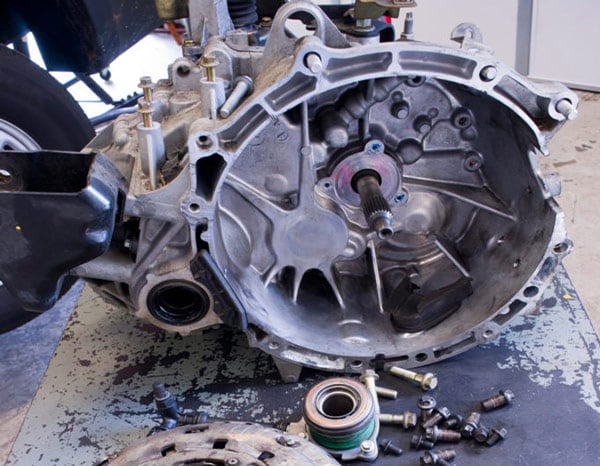
Typical cost and time estimates for repairs
Costs vary by make, model, and region. Here are rough U.S. ranges based on typical shops.
- Transmission fluid and filter: $100–$300, 1–3 hours.
- Turbo rebuild or replacement: $800–$2,500, 4–12 hours.
- Differential service and minor repair: $150–$600, 1–4 hours.
- Full differential or gear replacement: $800–$3,000+, multiple days.
- Wheel bearing replacement: $150–$400 per wheel, 1–3 hours.
- Power steering pump: $200–$700, 1–4 hours.
- Alternator/pulley replacement: $150–$600, 1–4 hours.
Prices are approximate. Always get a written estimate and ask about warranty on parts and labor.

Preventive maintenance to avoid a whining noise when accelerating
Routine care reduces the odds of hearing that sound. Keep these habits.
- Check and change fluids on schedule
Transmission, differential, and power steering fluids matter. Fresh fluid reduces wear. - Listen during routine driving
Catch a new whine early before parts fail. - Inspect belts and pulleys at every service
A worn belt can stress bearings and accessories. - Address leaks fast
Turbo and transmission leaks accelerate wear and cause whining. - Use the right fluids and parts
Follow manufacturer specs for viscosity and type to prevent damage.
Personal note: I check transmission fluid color and smell during oil changes. Dark or burnt fluid prompted me to schedule a deeper inspection twice, and both times I avoided major repairs.

Frequently Asked Questions of whining noise when accelerating
What does a whining noise when accelerating mean for my transmission?
A whining noise often signals low fluid, a failing pump, or internal gear wear. Check fluid level and color first and seek service if fluid looks burnt or smells.
Can a turbo cause a whining noise when accelerating?
Yes. Turbochargers use small bearings and can whine when worn or when intake leaks change airflow. Loss of boost often accompanies the sound.
Is a whining noise when accelerating dangerous to drive with?
It can be. Some causes like low transmission fluid or failing bearings can worsen quickly. Limit driving and get the vehicle inspected to avoid further damage.
Could wheel bearings make a whining noise when accelerating?
Yes, bad wheel bearings can produce a whining or humming noise under load or while turning. The sound often shifts with vehicle speed and cornering.
How do I know if the noise is engine-related or drivetrain-related?
If the whining changes with engine RPM while in neutral, it’s likely engine or accessory related. If it follows road speed in gear but not in neutral, suspect drivetrain or differential issues.
Will topping up fluid fix a whining noise when accelerating?
Topping up can help when low fluid is the only problem. If there’s internal damage or a failing pump, topping up may only mask symptoms temporarily.
Conclusion
A whining noise when accelerating is a clear signal your car needs attention. Start with simple checks like fluid levels and belt condition, use careful listening tests to localize the sound, and decide between DIY fixes and professional repairs based on the cause. Act early to save money and avoid bigger failures. If you’re unsure, record the sound and share it with a trusted mechanic or leave a comment below for quick guidance.