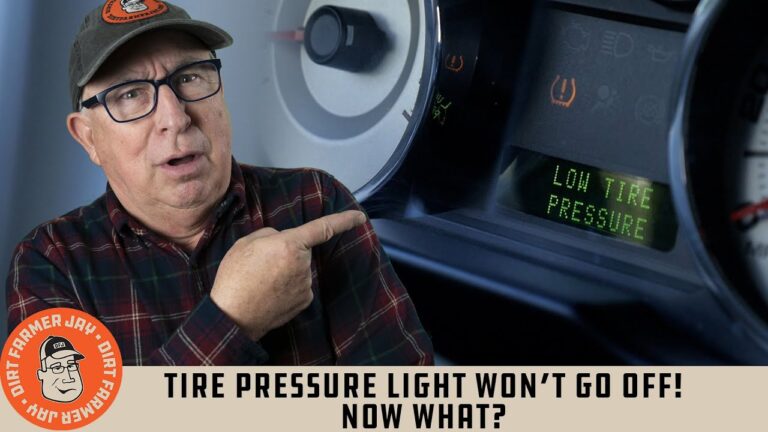
A faulty sensor, low battery, or wiring issue usually makes the traction control light come on randomly.
I have spent years fixing cars and writing about vehicle systems. I know how the traction control light comes on randomly and why that worries drivers. This guide explains causes, safe checks, and clear steps you can take. You will learn when to DIY and when to see a pro.

How traction control works
Traction control helps keep your car steady when wheels slip. The system watches wheel speed sensors, steering angle, and yaw sensors. It works with ABS and the engine computer to cut power or tap brakes. When a part fails, the traction control light comes on randomly and may blink with ABS or check engine lights.

Common causes of the traction control light comes on randomly
Here are the most common reasons the traction control light comes on randomly. I list them from most frequent to less common based on repair experience.
- Faulty wheel speed sensor. A dirty or failed sensor sends wrong signals and triggers the light.
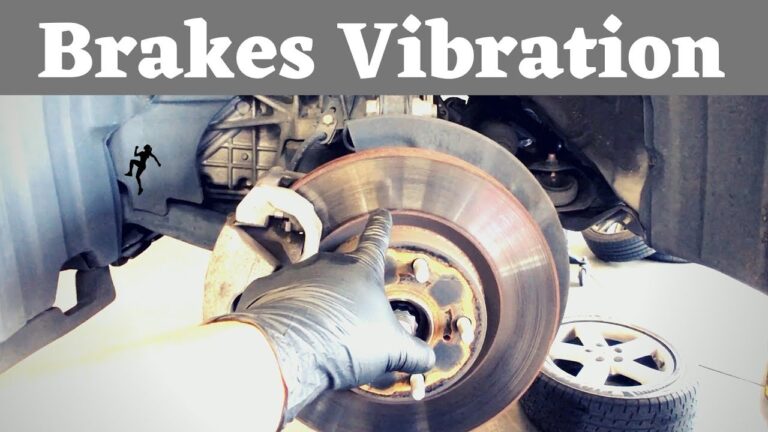
- Damaged sensor tone ring. Rust or missing teeth on the ring make the wheel speed read wrong.
- Weak battery or bad alternator. Low voltage causes erratic sensor readings and random lights.
- Loose or corroded wiring and connectors. Road salt and vibration break connections.
- Faulty ABS control module. The module can fail or lose calibration and set faults.
- Steering angle or yaw sensor issues. These sensors tell stability systems how the car moves.
- Mismatched tires or uneven tire pressure. Different wheel speeds from tire size can trigger the system.
- Aftermarket wheels, tires, or lift kits. These can change wheel rotation and confuse sensors.
- Software glitches. Modern cars need updates and can show false warnings without them.
Source: reddit.com
Troubleshooting steps you can do now
Follow these steps in order. They are simple and safe for most people.
- Check dashboard for multiple lights.
- If ABS or check engine lights are also on, record that. Multiple lights point to shared systems.
- Scan for fault codes.
- Use an OBD-II scanner that reads ABS/chassis codes. Note the code numbers for a clear fix.
- Inspect battery and charging.
- Look for loose battery posts and clean terminals. Test voltage; it should read around 12.6V at rest.
- Check tires and pressures.
- Make sure tire pressure matches specs and all tires are the same size and wear level.
- Visually inspect wheel sensors and tone rings.
- Look for dirt, rust, or broken sensor clips near each wheel.
- Check connectors and harnesses.
- Wiggle connectors and look for corrosion. Clean and secure any loose plugs.
- Clear codes and test drive.
- After basic fixes, clear codes and drive. If the traction control light comes on randomly again, you have more work to do.
- Avoid risky resets.
- Disconnecting the battery can reset learned values. Do it only if you know how and back up settings if needed.

Source: reddit.com
- Disconnecting the battery can reset learned values. Do it only if you know how and back up settings if needed.
When to seek professional help
If the traction control light comes on randomly after basic checks, get help. Complex issues include failed ABS modules, internal sensor faults, or software bugs. A shop can read full chassis codes, run live data, and test modules. If brakes feel odd or the car pulls, stop driving and get a tow.
Prevention and maintenance tips
A few habits cut the chance the traction control light comes on randomly.
- Keep battery and terminals clean.
- Check battery health yearly and replace at signs of weakness.
- Rotate and match tires.
- Use tires of the same size and replace worn sets as a group.
- Clean sensors and rings during brake service.
- Ask the tech to inspect ABS sensors when they service the brakes.
- Protect wiring from corrosion.
- Use dielectric grease on connectors in salty climates.
- Keep vehicle software updated.
- Dealers or shops can apply updates that fix false warnings.
- Use factory or approved aftermarket parts.
- Avoid parts that can change wheel speed readings.

Source: vfauto.com
- Avoid parts that can change wheel speed readings.
Personal experience and lessons learned
Years ago I had a car where the traction control light comes on randomly after rain. The cause turned out to be a corroded connector at the rear sensor. I cleaned and sealed the connector and the light stayed off. I learned to check simple wiring before replacing expensive modules. Small fixes often solve the issue.

Frequently Asked Questions of traction control light comes on randomly
Why does my traction control light come on randomly while driving?
The light often appears due to a bad wheel speed sensor, loose wiring, or low battery voltage. It can also pop up if tire size or pressure is off compared to the other wheels.
Can I drive if the traction control light comes on randomly?
You can usually drive, but traction control may be off. Drive gently, avoid slippery roads, and get the system checked soon.
Will resetting the car clear the traction control light comes on randomly?
Resetting or clearing codes can turn the light off temporarily. If the root problem is not fixed, the light will come back.
How much does it cost to fix this issue?
Minor fixes like cleaning connectors cost little. Replacing sensors or modules can cost a few hundred dollars to more, depending on make and model.
Does a check engine light mean the same as traction control light comes on randomly?
Not always. The check engine light covers the powertrain. Traction control ties to ABS and stability systems. Both lights together point to shared faults.
Can bad tires cause the traction control light to come on randomly?
Yes. Mismatched tire sizes or uneven wear change wheel speeds and can trigger the traction control system to send a warning.
Conclusion
The traction control light comes on randomly for many reasons. Start with simple checks like battery health, tire pressure, and sensor wiring. Use a good scanner to read codes and avoid guessing at parts. Fixing small issues early saves money and keeps you safe. If the light stays on after basic fixes, see a trusted mechanic and share your code readout. Try these steps, leave a comment with your symptoms, or subscribe for more car care tips.