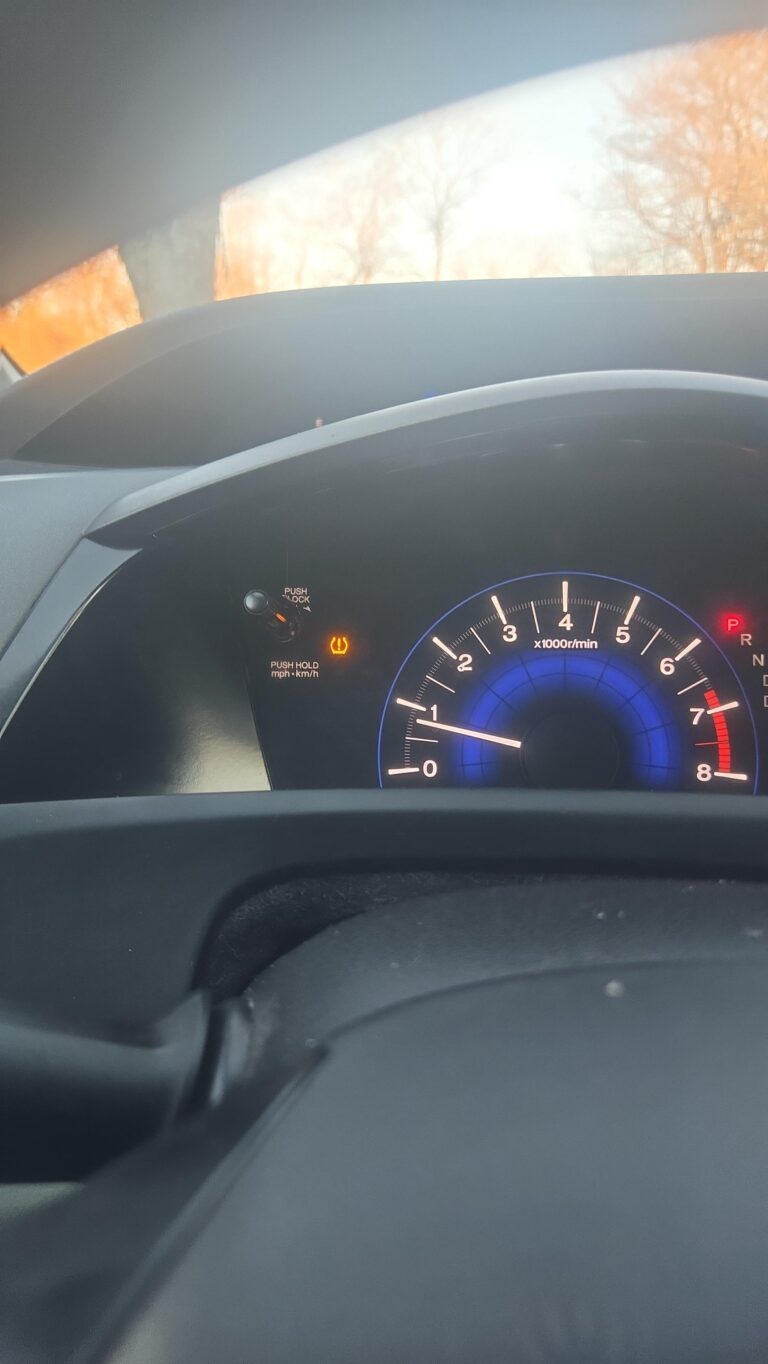
A persistent tire pressure light won’t reset because a sensor, calibration, or true pressure issue remains unresolved.
I’ve worked on cars and written about TPMS for years, so I know how frustrating it is when the tire pressure light won’t reset after you fill the tires. This guide explains why the warning might keep coming back, how TPMS works, step-by-step fixes you can try at home, common mistakes to avoid, and when to bring the car to a pro. Read on for clear, practical steps and real-world tips to get the light off and drive with confidence.

Why the tire pressure light won’t reset
There are a few common reasons the tire pressure light won’t reset after you inflate the tires. Sensors can fail, batteries inside sensors die, calibration procedures may be incomplete, or one tire still has low pressure. Sometimes the light stays on due to a TPMS module fault or a recent tire change that didn’t reprogram the sensors.
I’ve seen drivers fill tires to the correct PSI and still watch the tire pressure light won’t reset because the spare tire used during a repair had no sensor. In another case, a dealership forgot to complete the sensor relearn, so the car never registered the updated pressures. These real examples show how simple fixes and missed steps both cause the same persistent warning.
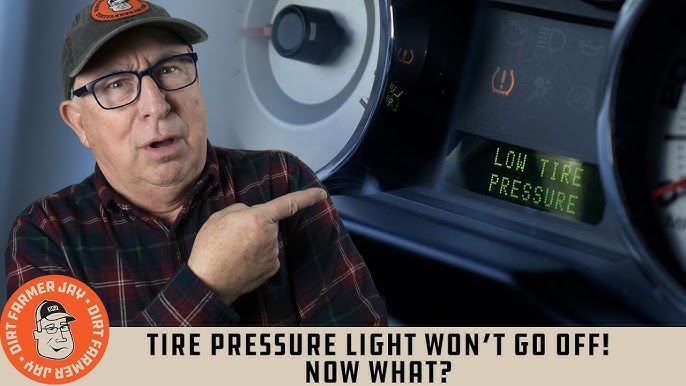
How TPMS works and why that matters
TPMS stands for Tire Pressure Monitoring System. There are two main types:
- Direct TPMS uses a sensor inside each wheel to measure pressure and temperature. The sensor sends data to the car’s computer.
- Indirect TPMS uses wheel speed and ABS data to estimate pressure changes without sensors.
Direct TPMS requires functioning sensors and proper radio link. If a sensor battery is dead or a module lost communication, the tire pressure light won’t reset even when tires are correct. Indirect TPMS needs calibration after a tire change or rotation; without it, the system can’t recognize normal pressures. Understanding the system helps you troubleshoot faster.

Step-by-step fixes when the tire pressure light won’t reset
Follow these steps in order. They are practical, easy, and often solve the problem.
- Check and set correct pressure
- Verify each tire with a reliable gauge. Inflate to the manufacturer’s recommended PSI (shown on the driver door jamb).
- Make sure to check cold tires — measure before driving if possible.
- Drive the car to update the system
- Many cars need a short drive at 30–50 mph for the TPMS to recheck pressures.
- Drive for about 10–20 minutes; then park and see if the light resets.
- Reset or relearn the TPMS
- Many vehicles have a TPMS reset button in the glove box, under the dash, or in the infotainment menu.
- Follow the owner’s manual sequence: press and hold the button, then drive at a certain speed to complete relearn.
- Inspect for valve stem or sensor damage
- Remove the valve cap and check for air leakage. If you hear hissing, the valve or core may be bad.
- If your tire shop removed a sensor recently, ask them to confirm it was reinstalled correctly.
- Check for a spare without a sensor
- If you used a temporary spare, it may not have a TPMS sensor. Replace it or reinstall a proper wheel.
- Use a diagnostic tool if available
- OBD-II TPMS tools can read sensor IDs, battery life, and pressure values.
- If you have one, it helps confirm which sensor is not reporting.
- Replace dead sensors or the TPMS battery
- Sensor batteries are sealed and usually last 5–10 years.
- If a sensor battery is dead, the sensor needs replacement.
- Seek professional scan and repair
- If the tire pressure light won’t reset after all steps, a shop can run a full TPMS scan and replace faulty modules or sensors.
These steps usually clear the tire pressure light won’t reset problem. If a specific sensor is failing, replacing it is often the final fix.

Common pitfalls and mistakes to avoid
Avoid these traps that keep the tire pressure light won’t reset:
- Overfilling tires then letting them cool — Always set pressure cold for accuracy.
- Forgetting to check the spare — Many drivers miss that the spare can trigger TPMS alerts.
- Skipping the relearn sequence — After new tires or rotation, some cars need manual relearn.
- Using cheap, incompatible sensors — Low-quality sensors may not communicate reliably with your car.
- Ignoring intermittent lights — A blinking TPMS light often signals a sensor communication error and should not be left unchecked.
From my experience, the most common mistake is assuming that filling tires fixes everything. The system needs to acknowledge the change, and sometimes it won’t until a relearn or sensor replacement is done.
When to see a professional and safety considerations
If the tire pressure light won’t reset and you suspect a slow leak, do not delay. Driving with low pressure risks poor handling, increased wear, and tire failure. A professional can:
- Use TPMS diagnostics to pinpoint the failing sensor or module.
- Replace sensors and program them to your vehicle.
- Repair valve stems or patch leaks safely.
If the tire pressure light won’t reset after routine steps, book a shop appointment. Professionals have the tools and parts to resolve sensor failures, module faults, or complex electrical issues that you can’t fix at home.

Frequently Asked Questions of tire pressure light won’t reset
Why does the tire pressure light flash then stay on?
A flashing light often means the TPMS system is trying to communicate but one or more sensors are not responding. The light will stay on if the system can’t get valid pressure readings from every sensor.
Can I drive if the tire pressure light won’t reset?
If the light indicates low pressure, do not drive long distances. Inflate tires to the correct PSI and check for leaks. If the light still won’t reset, drive cautiously to a repair shop.
How long does it take to reset the tire pressure light?
After correcting pressure, many systems reset after a 10–20 minute drive at highway speed. Some cars need a manual reset or relearn that takes 5–15 minutes.
Will rotating tires cause the tire pressure light won’t reset?
Rotation can cause the light to stay on if the system requires a relearn. Always follow the vehicle’s relearn procedure after rotation.
Do TPMS sensors need battery replacement?
Sensors use sealed batteries that cannot be replaced. When batteries die, the entire sensor must be replaced. Typical life is 5–10 years depending on use.
Conclusion
The tire pressure light won’t reset for a few common reasons: a dead or miscommunicating sensor, missed relearn steps, a spare without a sensor, or an unresolved leak. Start by confirming correct cold PSI, then try a drive, reset procedure, and visual checks. If those steps don’t work, a diagnostic scan and sensor replacement often solve the issue. Take action promptly to stay safe and avoid tire damage. If you found this guide helpful, try the suggested fixes, share your experience in the comments, or subscribe for more practical car care tips.